Treasury Cabinet Secretary John Mbadi has announced that, starting July 1, 2026, all public procurement in Kenya will be conducted exclusively through the Electronic Government Procurement (e-GP) system, effectively banning any procurement conducted outside the platform.
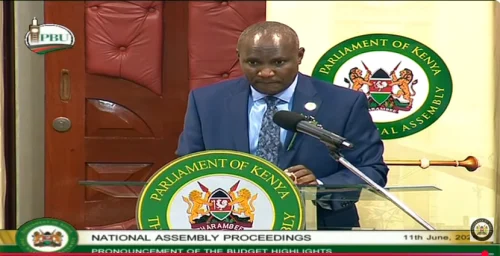
Speaking on the floor of Parliament, while reading the budget on June 11, 2026, Mbadi said the directive is part of sweeping public procurement reforms aimed at eliminating manual processes, sealing loopholes, and enhancing transparency and accountability in government spending.
He noted that the rollout of the end-to-end e-Government Procurement system, launched in July 2025, has already begun transforming how public entities procure goods and services, shifting from fragmented, paper-based processes to a fully digitised and integrated platform.
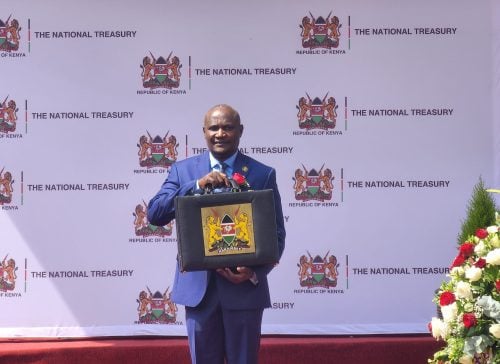
“Mr Speaker, to operationalise the procurement reforms and eliminate manual inefficiencies, the government officially launched the rollout of the end-to-end eGovernment procurement system in July 2025,” Mbadi said.
Mbadi noted that significant progress has been made since the rollout.
According to Mbadi, the system is expected to improve efficiency, reduce delays in procurement cycles, and ensure better value for money for taxpayers by streamlining approvals and centralising procurement data.
National Treasury Cabinet Secretary John Mbadi has launched Kenya’s e-Government Procurement (e-GP) system, in a bid to deliver 80 per cent of public services online.

In a statement after the launch on Monday, April 7, 2025, Mbadi termed the reform a key pillar in enhancing efficiency, accountability, and value for money in the use of public funds as it is not only a technological shift but a policy action grounded in our Constitution and supported by global best practices.
He says the system will promote fair, transparent, competitive, and cost-effective procurement.
Mbadi says going forward, only procurements processed through the platform will be sanctioned and paid for.