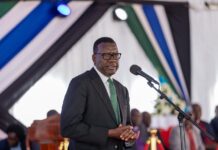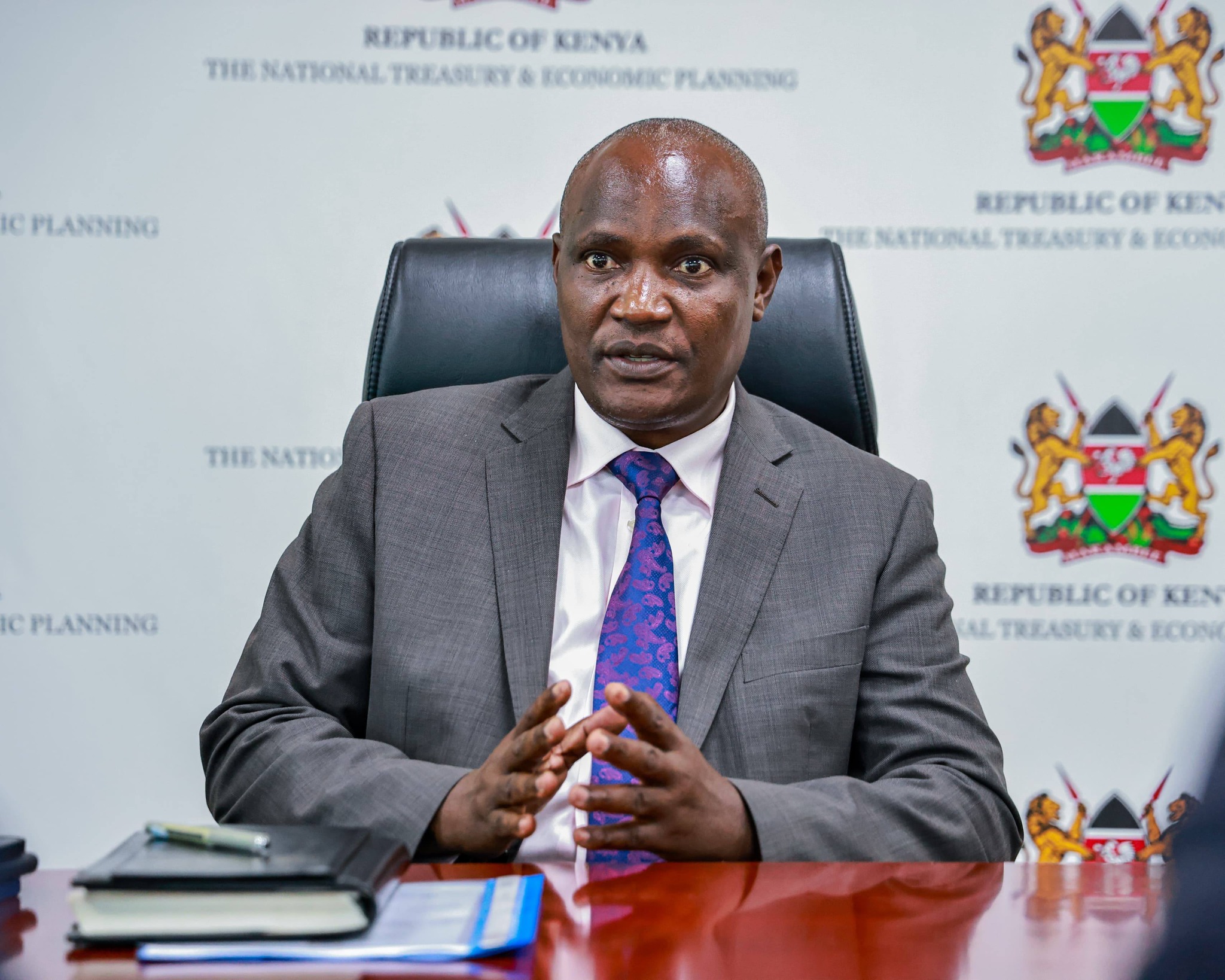
Treasury Cabinet Secretary John Mbadi has dismissed claims that civil servants will have their salaries deducted to finance the National Infrastructure Fund (NIF).
Speaking on Tuesday, March 10, CS Mbadi explained that proceeds from the privatization of state-owned enterprises will be used to fund NIF’s seed capital.
The Treasury CS noted that Kenya Pipeline Company (KPC) is an example of an entity whose divestiture of government shares will be channeled to the NIF.
“No, this fund is being set up by the seed capital from the divestiture of government shares in state-owned enterprises.
“KPC is the first entity; we also have Safaricom and many others that will come,” said CS Mbadi.

He mentioned that the establishment of NIF is likely to lower taxes levied on Kenyans, adding that the government has already committed to reducing taxes for low-income earners.
“In fact, this fund is likely to lower taxes that are levied for Kenyans. We have already committed ourselves to reducing the taxes on low-income earners,” added CS Mbadi.
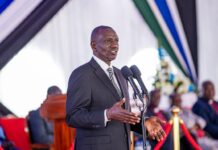
The clarification comes after President William Ruto assented to the National Infrastructure Fund Bill 2026.
The Head of State signed the bill into law on Monday, March 9, during a ceremony at State House, Nairobi.
While highlighting the bill, the Clerk of the National Assembly, Samuel Njoroge, said the new law aims to mobilize capital from non-traditional sources.
The National Assembly Clerk noted that the bill is intended to reduce overreliance on public debt and taxation in funding infrastructure projects.
“This bill is intended to mobilize private capital from non-traditional sources of infrastructure finance. It is also intended to reduce the overreliance on public debt and taxation to finance capital and corporate infrastructure projects,” he stated.
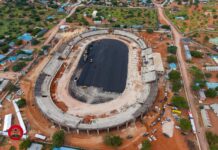
Njoroge noted that the bill clearly defines the projects NIF will fund, including national highways, expressways, railways, seaports, and airports.
Further, he said the NIF Act has created two entities, a governing council and a board, which will oversee the fund.
The council will comprise the National Treasury Cabinet Secretary, CBK Governor, Attorney General, and six other members who are not public officers.
On the other hand, the NIF board will comprise four independent directors recruited by the governing council, three public officers appointed for their expertise, and the CEO, whom the board will hire.