By Bonface Mulyungi
A close aide to the late Raila Odinga, Dennis Onyango, has revealed that the veteran opposition leader had expressed a wish to be buried within 72 hours of his death, a request that was later honoured according to his will.
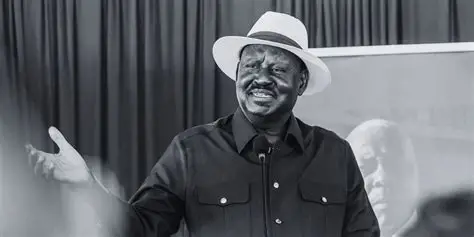
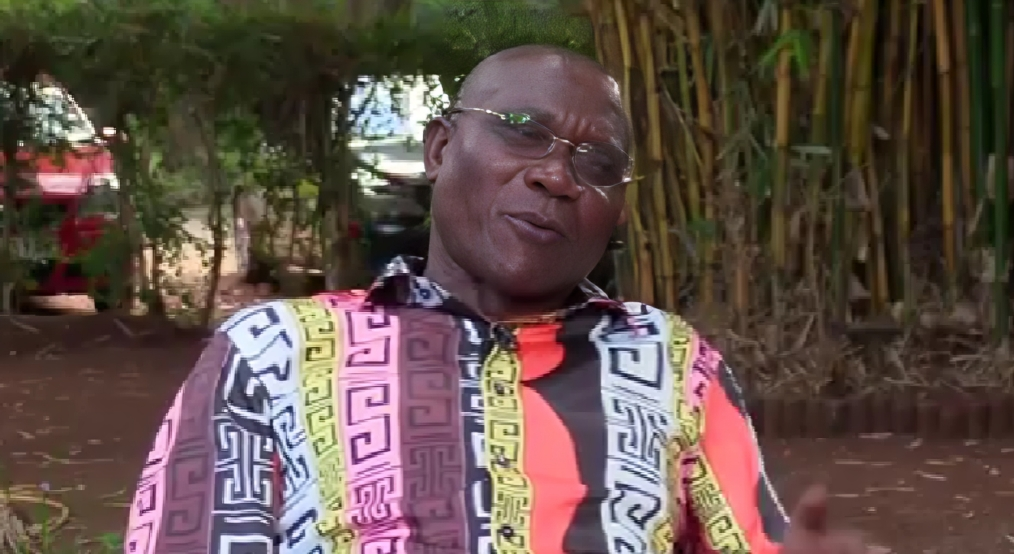
Speaking during an interview on Citizen TV’s Sunday Live, Onyango recounted intimate final conversations with Odinga, painting the picture of a leader who rarely dwelt on death and remained focused on movement, ideas and political vision until his final days.
“He told me, even me, when I die, I want that thing done in 72 hours,” Onyango said, recalling a conversation that took place shortly after the death of Francis Ogolla.
According to Onyango, the conversation happened while he was in Migori following General Ogolla’s death. Odinga had reportedly referenced the late General’s burial arrangements, noting that Ogolla had indicated in his will that he wished to be buried within three days.
“When General Ogolla died, I was in the village in Migori. Raila wanted to go to Ogolla’s home and he told me the guy wrote in the will that he be buried in 72 hours. Then he said that is the way I would also want to be buried,” he said.
Onyango admitted that at the time, he dismissed the remarks as casual conversation and did not realise Odinga had formally included the directive in his will.
“I told him nobody would accept those things. I thought he was joking. So when I got to Karen and I was told it was 72 hours, I thought this guy, he was serious,” he added.
The revelations emerged nearly eight months after Odinga’s death, as Onyango opened up about the former Prime Minister’s final days, including their last phone conversations while Odinga was undergoing treatment in India.
He described Odinga as upbeat and optimistic during their final exchange, saying the veteran politician had informed him that he was recovering and planned to briefly travel to Dubai before returning to Nairobi.
“He sounded very okay. He told me they had checked everything and treated the problem,” Onyango recalled.
The interview also offered insight into Odinga’s long-term intellectual and political ambitions, including plans for a Raila Odinga School of Democracy and Governance, a foundation bearing his name, and a collection of speeches documenting his political journey and Pan-African ideals.
According to Onyango, Odinga often brushed aside discussions about legacy projects by insisting they could still be done “posthumously”, reflecting what he described as the veteran politician’s relaxed attitude toward death.
“Raila talked about death very casually,” he said.
Onyango revealed he is currently working on compiling Odinga’s speeches into a book expected to be published later this year, saying the former ODM leader had specifically tasked him with preserving his ideas and public addresses.
He also described Odinga as a man constantly in motion, whose focus remained fixed on Kenya, Africa and governance issues even in his final days.
“Raila’s life, Raila’s style was to move. Whatever has happened, has happened, you move,” he said.