By Bonface Mulyungi
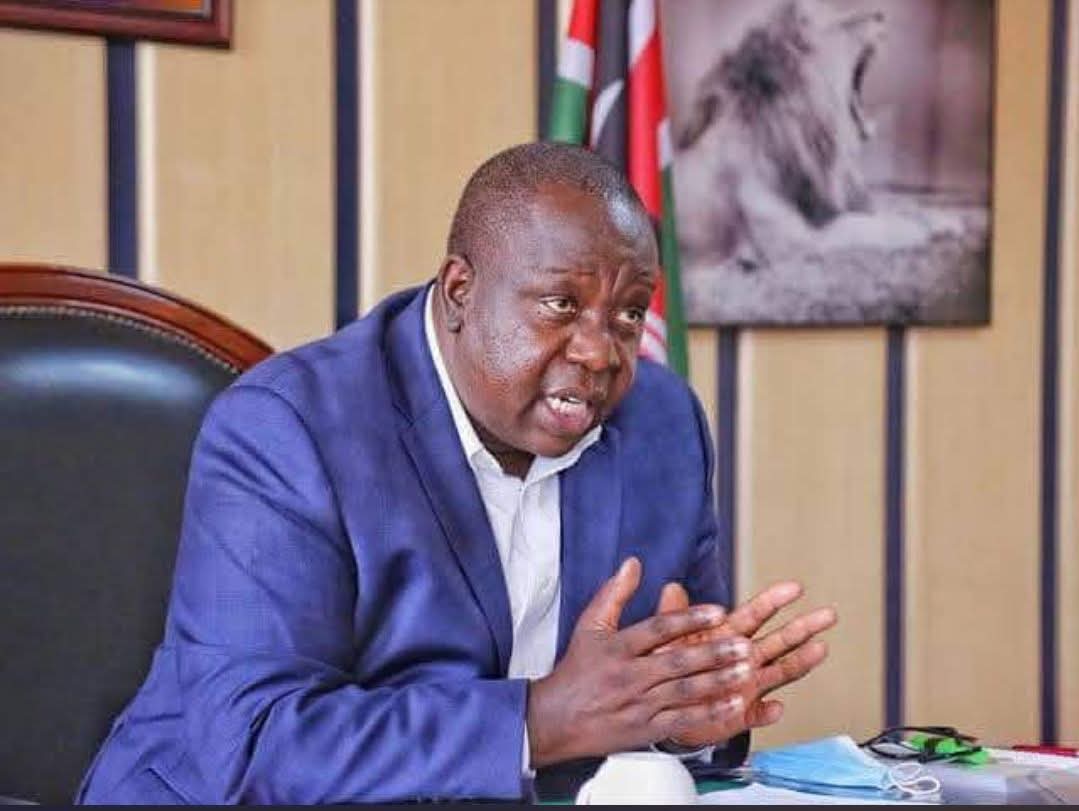
Jubilee presidential hopeful Fred Matiang’i has faulted the government’s handling of the rising fuel prices, saying the country’s pain is “man-made” and driven by an opaque oil import arrangement and cartels in the sector.
Speaking to Citizen TV’s Sunday Live, the former Interior Cabinet Secretary and ex-World Bank staffer, said he would not have entered into what he termed a “silly, opaque agreement” under the Government-to-Government (G2G) fuel import deal.
According to Matiang’i, the purported arrangement has yet to deliver the promised relief.
“First of all, I wouldn’t get here, because I would not get into some silly, opaque agreement… that purportedly is cheap… and it isn’t,” he said in an interview, adding that the oil sector was currently being influenced by “vested interests” and the “ruling elite”.
He challenged the government to make public the details of the deal, saying Kenyans had a right to know what was signed and how it affects pump prices.“If they think everyone else is wrong in raising issues about the agreements they have signed, why don’t they publish it?” he posed.
Matiang’i also questioned why the National Oil Corporation of Kenya (NOCK) was sidelined in the import arrangement, saying the State-owned firm was created to stabilise the market during periods of volatility.
“I don’t understand why we sidestep NOCK to go into these agreements with private companies,” he said, adding that NOCK should be playing a central role in mediating and stabilising the oil marketing sector.
He rejected claims that the fuel price spike was solely due to tensions in the Middle East, saying part of the problem was the way the sector is being managed.
“So I honestly cannot blame the challenges we are facing right now on what’s going on in the Middle East. Some of this is man-made,” he said.
Matiang’i drew parallels with the 2021 Russia-Ukraine crisis, saying the previous administration struggled with lenders to keep fuel subsidies in place when global prices surged, arguing that the current situation was being used as an excuse.“I was in government in 2021, during the Ukraine-Russia challenge… at that time, the global prices had gone to about 150 per barrel,” he said.
When asked about government measures, including reported fuel subsidies and VAT reductions, Matiang’i said the key question was why prices were not stabilising despite the interventions, insisting the public still does not know the markups or terms under the G2G arrangement.“We don’t know what the agreements are under this G2G arrangement. We don’t know what markups are involved in this,” he said.
He claimed the deal had been extended to September next year, warning that it remained unclear whether the oil sector would stabilise.
On alternatives, Matiang’i said he would “revamp” NOCK and keep cartels and private sector interests out of the critical fuel import and marketing processes.
“If I was president today, I would revamp NOCK and ensure that NOCK is doing its rightful role in this,” he said, adding that replacing the current administration was necessary for what he termed more responsible leadership.
He also criticised the government’s response to scrutiny, saying leaders were avoiding direct answers and resorting to insults, instead of presenting the agreement to the public or Parliament.
“What is so difficult about publishing that agreement and explaining to the people of Kenya… or… going to parliament and facing parliament?” he asked.