By Bonface Mulyungi
For years, English football was seen as the home of passion, intensity, noise, and tradition. The Premier League was the toughest stage in the world, fast, physical, unforgiving. Today, many of the minds shaping modern football in England are not English managers. Increasingly, they are Spanish.
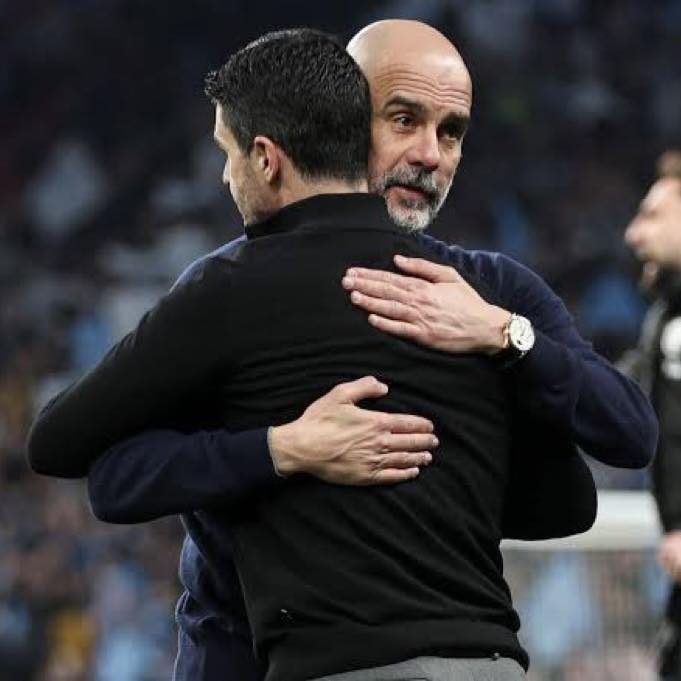
From Mikel Arteta at Arsenal to Pep Guardiola at Manchester City, from Unai Emery at Aston Villa to Andoni Iraola at Bournemouth, Spanish coaches are no longer visitors in English football. They are becoming its architects.
And this raises an interesting question:
Is this domination simply luck, or is Spain producing a generation of football geniuses?
The answer is probably somewhere in between.
Pep Guardiola changed football long before trophies became routine. At Manchester City, he introduced a level of tactical discipline and positional intelligence that transformed the Premier League itself. Teams no longer just run hard and fight for second balls. Now they build from the back, control space, and press with precision.
Mikel Arteta, once Guardiola’s assistant, has taken those ideas to Arsenal. His team plays with confidence, patience, and technical maturity. Arsenal fans are not just dreaming of trophies again — they believe they belong among Europe’s elite.
Then comes Andoni Iraola at Bournemouth, a club many expected to fight relegation every season. Instead, Bournemouth became fearless, energetic, and tactically sharp. Iraola showed that even smaller clubs can compete with identity and courage.
Unai Emery’s work at Aston Villa might be even more impressive. Villa were drifting for years, searching for direction. Emery brought structure, discipline, and belief. Suddenly, Aston Villa were competing with giants and hearing the Champions League anthem again.
Even outside England, the Spanish influence continues to grow. Cesc Fàbregas is being praised in Italy as one of football’s most exciting young thinkers, while Xabi Alonso has become one of the most admired managers in Europe after his incredible work in Germany with Bayern Leverkusen.
Spain invested heavily in football education after years of disappointment in the 1990s. Coaching schools improved. Youth academies emphasized technique over physicality. Young players were taught how to think about football, not just play it.
The generation that grew up watching Barcelona dominate Europe and Spain win the World Cup absorbed football differently. Many of those former players are now managers, carrying those ideas into dugouts across Europe.
Meanwhile, English football has faced an uncomfortable reality: while the league itself became the richest and most watched in the world, English managers often struggled to dominate it.
That’s why many fans joke that English coaches are better at “winning the Queen’s tongue competition” — brilliant in interviews, passionate on television, but often outclassed tactically by foreign coaches.
Of course, that stereotype is not entirely fair. Managers like Eddie Howe have shown that English coaching is evolving. Gareth Southgate also restored pride and stability to the England national team after years of disappointment.
Still, the modern game increasingly rewards tactical flexibility, technical detail, and football intelligence — areas where Spanish coaches currently seem ahead of the curve.
What makes this story fascinating is that football is no longer divided by nationality alone. The Premier League has become a melting pot of ideas. English intensity now mixes with Spanish tactical intelligence, German pressing, and global talent from every continent.
And maybe that is the future of football itself.
So, are Spanish managers simply lucky? Probably not.
They are products of a football culture that spent decades preparing for this moment. And right now, the world is watching the results unfold every weekend.