
By Andrew Kariuki
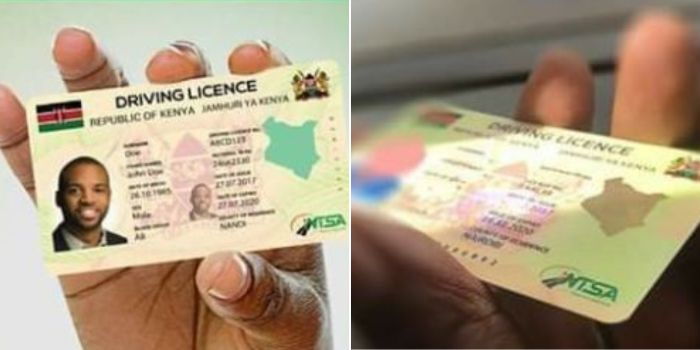
The High Court has temporarily suspended the rollout of the National Transport and Safety Authority’s (NTSA) planned second-generation smart driving licence and automated traffic enforcement system pending the determination of a constitutional petition.

In orders issued by Justice Dennis Kizito, the court halted the implementation of a 21-year Public-Private Partnership (PPP) agreement between NTSA and Pesa Print Limited, effectively freezing the project until the case is heard and determined.
The dispute was filed by the Road Safety Association of Kenya, which challenged the legality of the procurement process and the manner in which the project was introduced.
The court certified the matter as urgent and directed all respondents to file their responses within ten days. The case is scheduled for mention on June 21, 2026.
The suspended programme was expected to usher in a new generation of smart driving licences and a technology-driven traffic enforcement framework across the country.
Under the proposed system, motorists would have been required to pay Ksh3,050 for the new digital driving licences. The project also envisaged the deployment of approximately 1,000 intelligent traffic cameras on major roads and highways to monitor compliance with traffic regulations.
Authorities had planned to use the cameras to detect traffic offences automatically, with penalties being issued electronically and linked directly to motorists’ driving licence records. Drivers found in violation of traffic rules would receive notifications through mobile phone messages.
However, the Road Safety Association argued that the project raised serious legal and procedural concerns. Among the issues raised before the court were allegations that the contract was awarded through a flawed procurement process and that concerns previously flagged by the Office of the Auditor General had not been adequately addressed.
The petitioners further contend that the implementation process lacked sufficient public participation despite the project’s far-reaching impact on motorists and the transport sector.
They also questioned whether NTSA had obtained the necessary internal approvals before entering into the multi-billion-shilling arrangement.
The conservatory orders now mean that the implementation of the smart driving licence programme, automated traffic fines system and related services will remain on hold until the court gives further directions.
The ruling comes just days after NTSA announced plans to begin rolling out automated traffic enforcement measures, setting the stage for a legal battle that could determine the future of technology-based traffic management in Kenya.