By Stacy Boit,
From a dusty desert outpost to a global aviation titan, Dubai International (DXB) has redefined modern travel. By 2024, it became the world’s beating heart for international transit, moving over 92 million passengers through its marble-floored halls and surpassing traditional giants like London Heathrow.
This success isn’t Dubai’s alone; alongside Abu Dhabi and Doha, a triple-hub powerhouse emerged, handling over 3,000 daily flights. Operated primarily by Emirates, Etihad, and Qatar Airways, this network became the essential junction for global commerce and tourism.
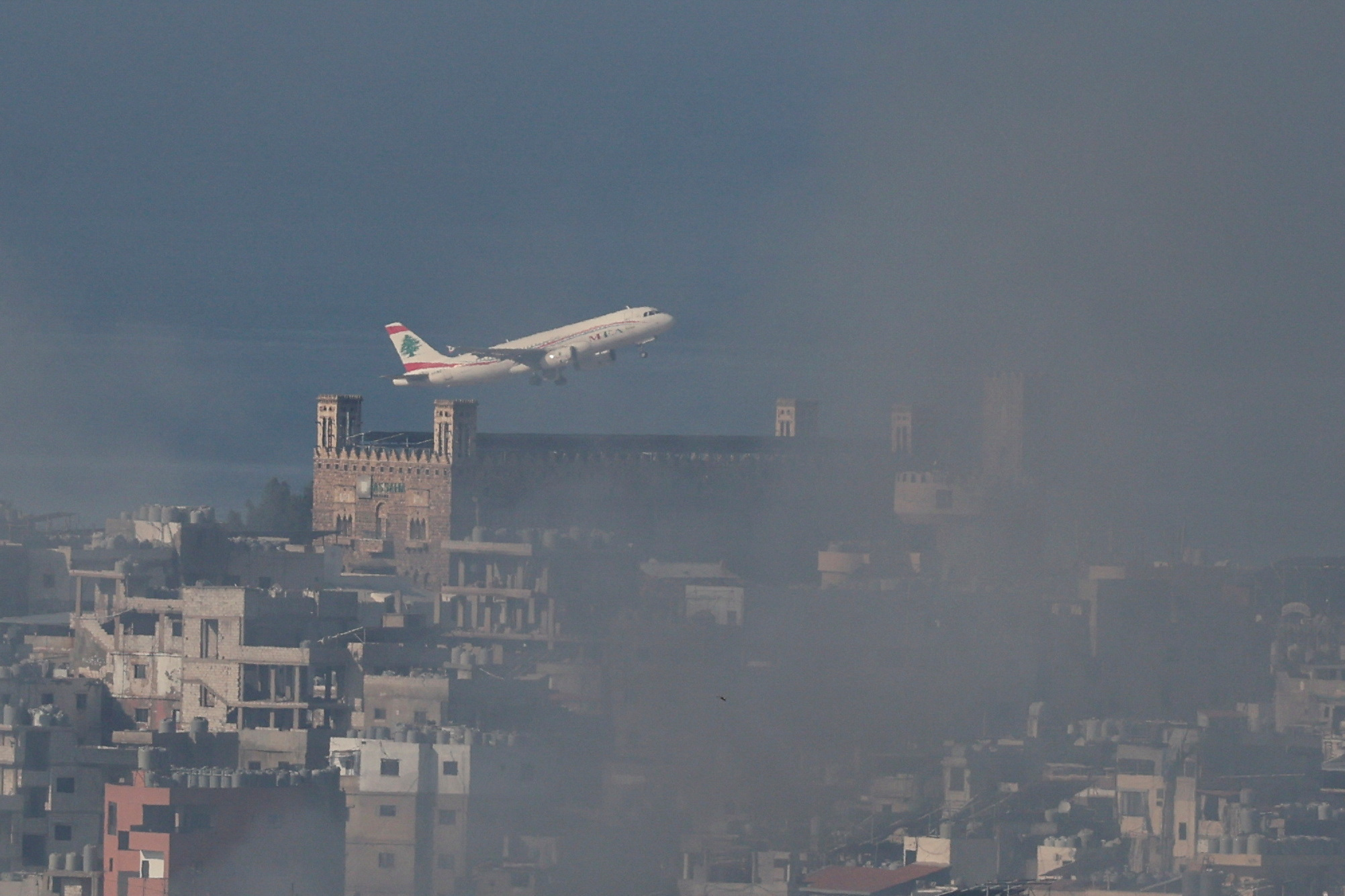
However, the recent Middle East conflict has shattered this efficiency. Sudden airspace closures following military strikes in February grounded fleets and left hundreds of thousands of transit passengers stranded in a state of high-altitude paralysis. The crisis quickly extended to the supply chain as the Strait of Hormuz was effectively blocked. Jet fuel prices doubled, threatening the thin margins of the industry and forcing several major carriers to aggressively prune their flight schedules.
While short-term disruptions are typical in aviation, industry insiders are now questioning the long-term viability of the “Gulf model.” This strategy, which made long-distance travel cheaper and more accessible, now faces its most significant existential threat because the “well-oiled machine” of the region relies on absolute stability. When retaliatory strikes targeted the UAE and Qatar, the resulting fear turned these gleaming airports into high-stakes waiting rooms for trapped travelers.
The disruption was never localized; it was global. Passengers worldwide found their itineraries through the Gulf severed, forcing a desperate scramble for alternative routes and highlighting just how much the world relies on this specific geographic pivot point. Though a limited service has since resumed, the operation remains a shadow of its former self. With over 30,000 flights canceled since the conflict began, the harsh glare of social media has amplified the frustrations of a displaced global workforce.
Stories of travelers sheltering in hotels or driving across deserts to escape the region have caused a massive blow to consumer confidence. For many, the faith that the Gulf is a safe, reliable shortcut has been fundamentally shaken. This loss of trust is critical because these airports are transit-dependent; in Doha, for example, 74% of passengers are only there to change planes. If the stopover becomes a stranding, the entire business logic of the region evaporates.
The secret to the Gulf model’s success was always its ability to perfectly time “waves” of long-haul arrivals to connect far-flung cities like Boston to Bali with minimal fuss. As former Etihad CEO James Hogan notes, this was built on a “pivot point” geography, placing massive emerging markets like India and China within a single flight’s reach of Europe and the Americas. By utilizing massive fleets of Boeing 777s and Airbus A380s, these carriers drove down global airfares through sheer scale.
Now, as the conflict drags on, passengers are beginning to adapt. Rival hubs like Singapore, Tokyo, and Bangkok are already absorbing the overflow and European carriers are pivoting to direct flights that bypass the Middle East entirely. Yet, IATA warns that European airlines simply lack the capacity to replace the nearly 10% of global air traffic handled by the Gulf. While the industry is historically resilient having survived SARS and COVID-19 the stakes for the Gulf’s economic diversification have never been higher, leaving the future of global flight hanging in the balance.