By Peter John
Iran is considering imposing transit fees on vessels passing through the strategically vital Strait of Hormuz, a move that could have far-reaching implications for global trade and energy markets.
According to emerging reports from Iranian lawmakers, the proposal, still at a discussion stage, would require ships navigating the narrow waterway to pay tolls or taxes.
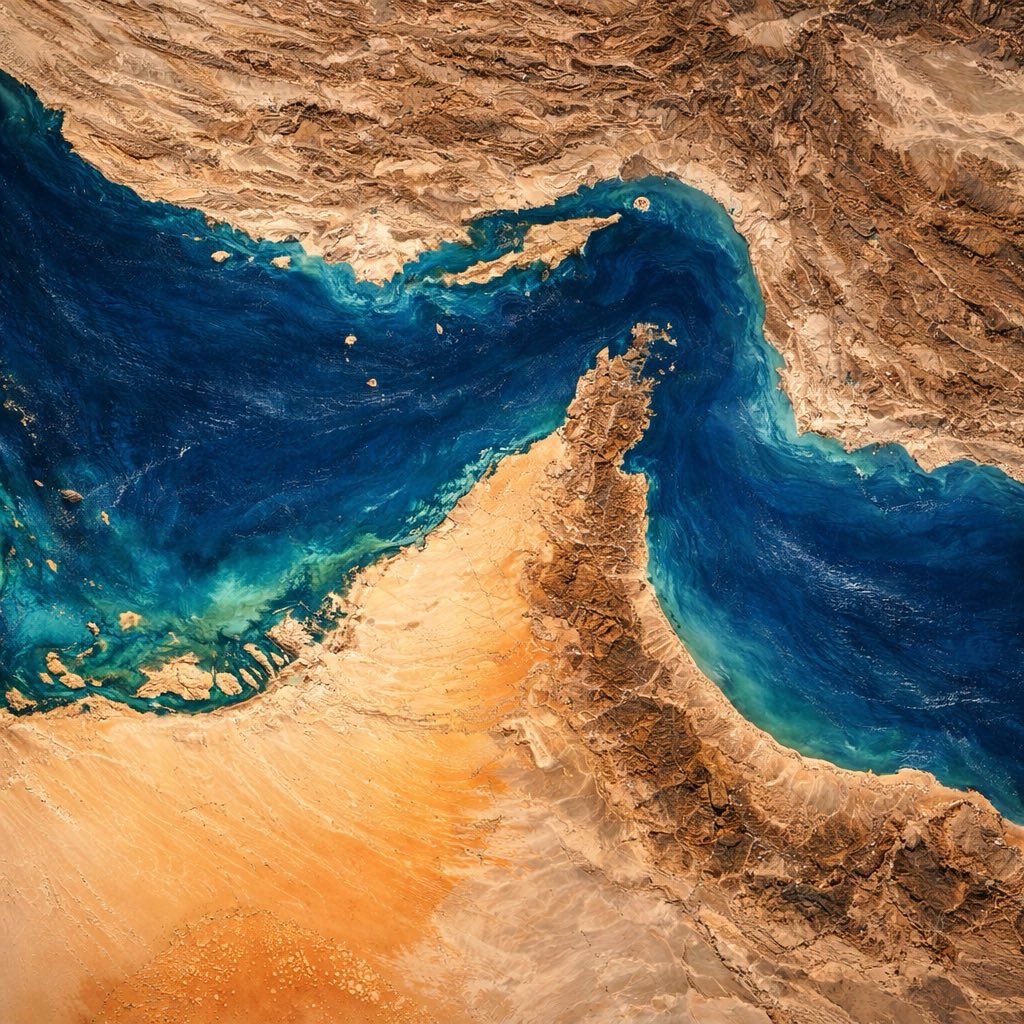
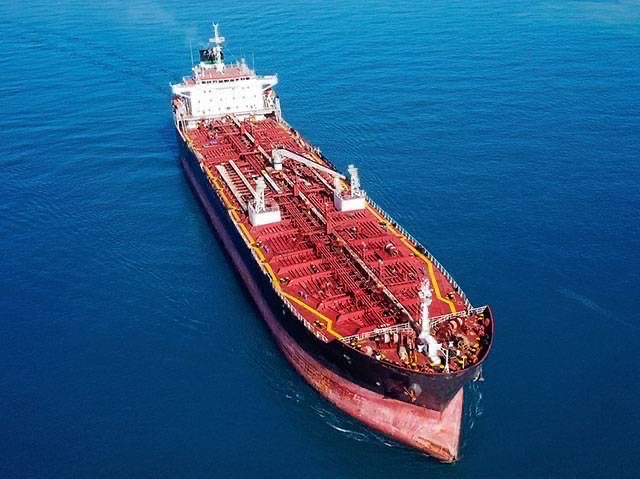
The Strait of Hormuz is one of the world’s most critical maritime routes, handling roughly a fifth of global oil shipments and serving as a key passage for liquefied natural gas exports.
The suggestion comes amid heightened geopolitical tensions in the Middle East and ongoing economic pressure on Iran due to international sanctions.
Analysts say the proposal may be part of a broader strategy by Tehran to assert leverage over global shipping lanes and respond to economic isolation.
However, the plan has not been formally adopted, and no official framework has been announced.
The Strait of Hormuz is widely recognized as an international waterway under global maritime law, granting ships the right of transit passage.
Any attempt by a single country to impose unilateral charges could spark legal disputes and strong opposition from the international community.
Maritime experts caution that enforcing such fees would be complex and potentially provocative.
Major global powers, particularly those reliant on Gulf oil exports, may view the move as a threat to free navigation and respond diplomatically or militarily.
Even the possibility of new charges has raised concerns among energy traders and shipping companies.
Any disruption or added cost in the Strait of Hormuz could lead to higher oil prices, increased shipping insurance premiums and delays in global supply chains.
For import-dependent countries, including many in Africa, the ripple effects could be significant. Rising fuel costs would likely translate into higher prices for goods and services, putting additional pressure on already strained economies.
While Iran’s proposal remains speculative, it underscores the fragility of global trade routes in times of geopolitical tension.
Observers will be closely monitoring developments in the coming weeks to see whether the idea gains traction or is shelved amid international scrutiny.
For now, shipping through the Strait of Hormuz continues as normal, but the debate has once again highlighted the waterway’s critical role, and vulnerability, in the global economy.