Kenyan politics have been characterized by ethnic tensions since independence in 1963. But it was not until 2007 that the demons of tribalism really flared up after the hotly disputed national elections which left more than 1,000 people dead and thousands others internally displaced.
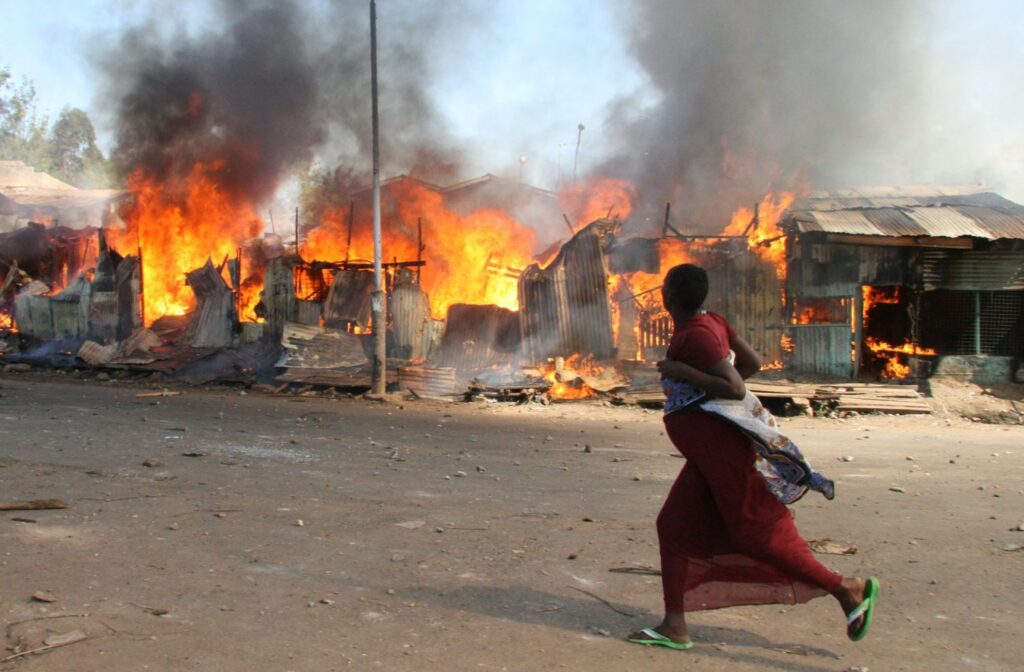
The clashes mainly between the larger ethnic tribes, the Kikuyus, Luos and Kalenjins, erupted after Mwai Kibaki from the Kikuyu community was declared the winner amidst accusations of rigging and electoral manipulation.
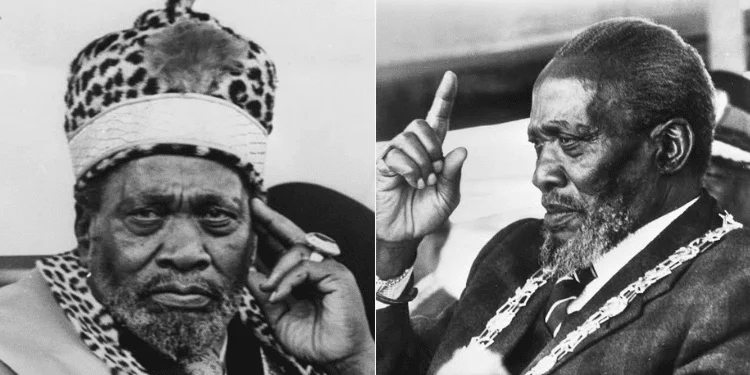
Tribalism in Kenya dates back to the colonial era. From 1920 to 1963, Kenya was under the rule of the British who used the divide and rule method of governing. For years they played one community against another, in particular, the Kikuyus and Luos whom they considered a threat owing to their big numbers.
The first two political parties before and during independence Kenya – the Kenya Africa National Union (KANU) and the Kenya African Democratic Union (KADU) – propelled current tribal politics in the country. KANU was a Kikuyu and Luo alliance party while KADU was comprised of other small tribes who feared domination by KANU.
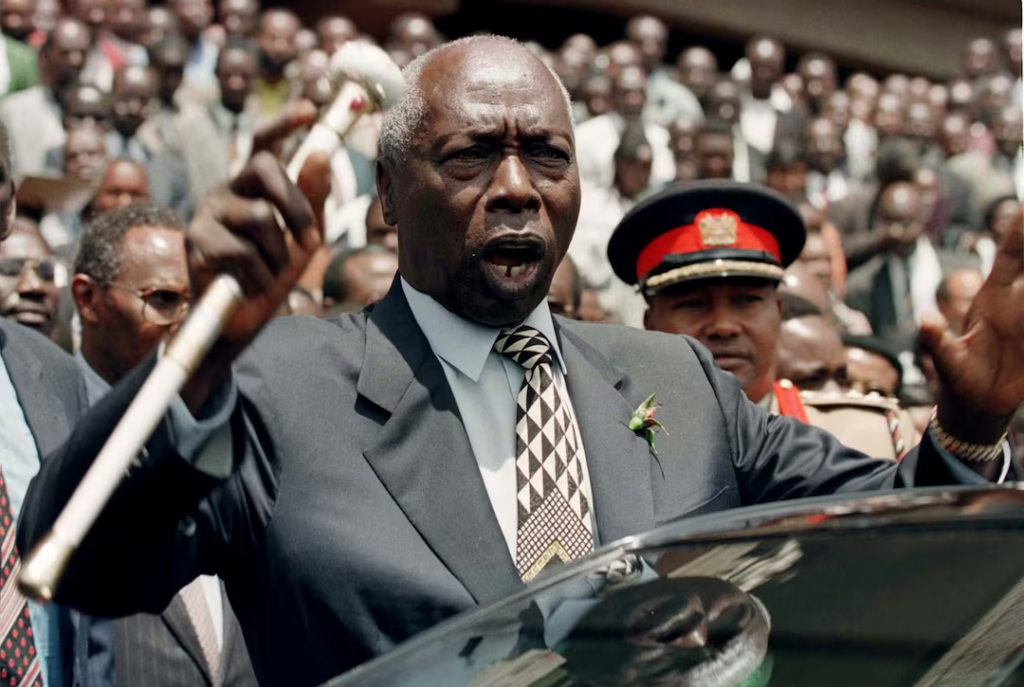
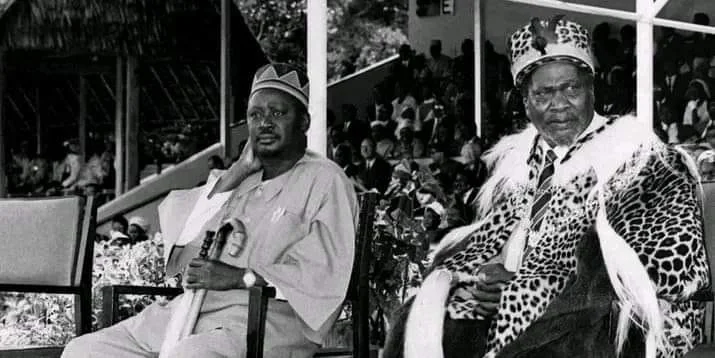
KADU was founded by Daniel Arap Moi, a Kalenjin from Rift valley. President Jomo Kenyatta was accused of sidelining the Luos, in particular Jaramongi Odinga in favor of Moi who succeeded him in 1978 as the second president of Kenya.
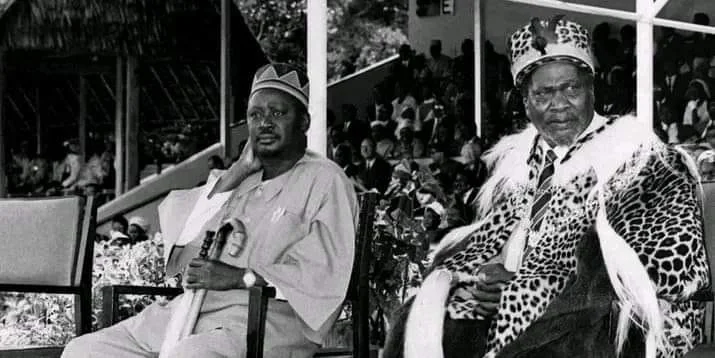
During his period in office until 2002, Moi was accused of perpetuating the politics of divide and rule. His presidency was also marked by tribal animosities. The major outbreak of clashes happened in 1992 in the Rift valley’s Molo region which left 5,000 people dead and another 75,000 displaced. The conflict was primarily between Kalenjin and Kikuyu communities. Land ownership and disputes were cited as some of the key reasons for the conflict.
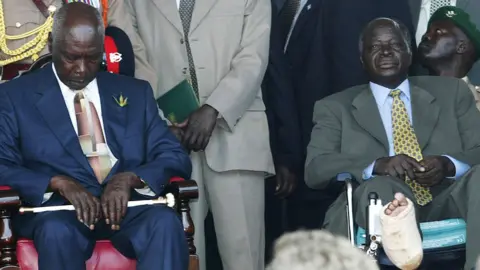
Though regional conflict among tribes was still in existence, it was not until the advent of multi-party politics in 1992 that it really became evident.
Major parties were already divided along tribal lines. For example, the Forum for the Restoration of Democracy (FORD-Kenya) was associated with the Luhya tribe, the Democratic Party (DP), with the Kikuyu, the Labour Democratic Party (LDP), with the Luo, while the Kalenjin tribe supported then ruling party KANU. Presently, voting in Kenya whether parliamentary, civic or presidential, is almost entirely along tribal lines.
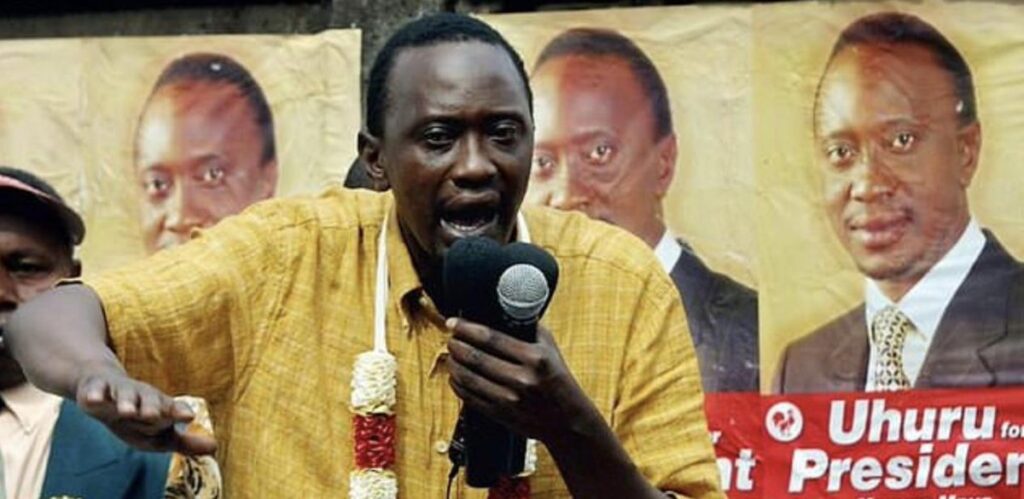
Kenyan politics is about setting tribes and communities against each other. Every time an election cycle approaches, tribal groupings dressed like coalitions are quickly formed.
In 2007, Mwai Kibaki, running on a Party of National Unity (PNU) ticket, defeated Raila Odinga, leader of the Orange Democratic Movement (ODM) and Kalonzo Musyoka of Orange Democratic Movement–Kenya. The elections were strongly marked by ethnic hostility, with Kibaki a member of the traditionally dominant Kikuyu ethnic group, gaining much support amongst the Kikuyu and neighbouring groups in central Kenya, including the Embu and Meru.
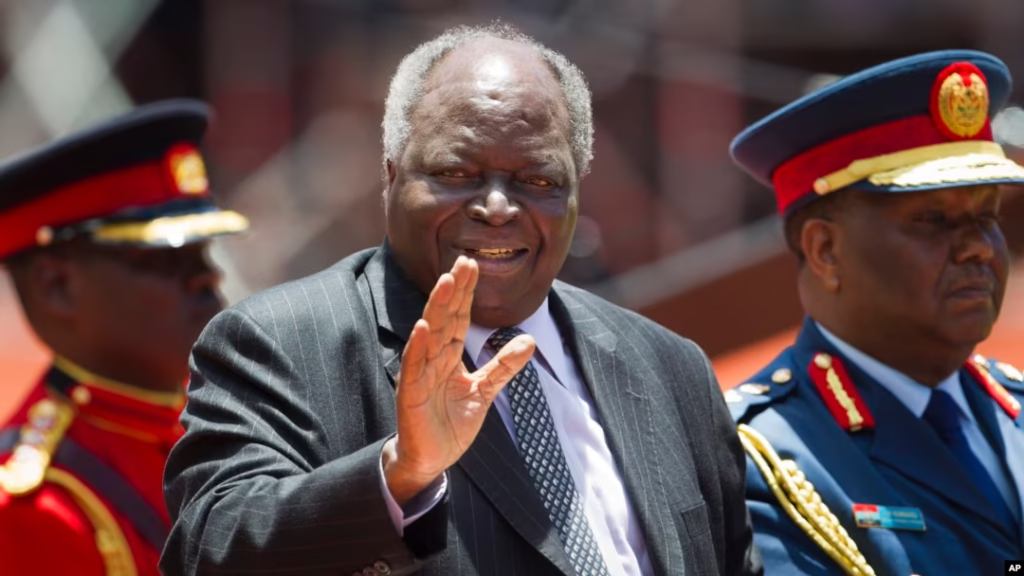
Odinga, as a member of the Luo ethnic group, succeeded in creating a wider base by building a coalition with regional leaders from the Kambas in Eastern (Charity Ngilu and Kalonzo Musyoka), Luhya in Western Kenya (Musalia Mudavadi), Kalenjin from the Rift Valley (William Ruto) and Muslim leaders from the Coast Province (Najib Balala).
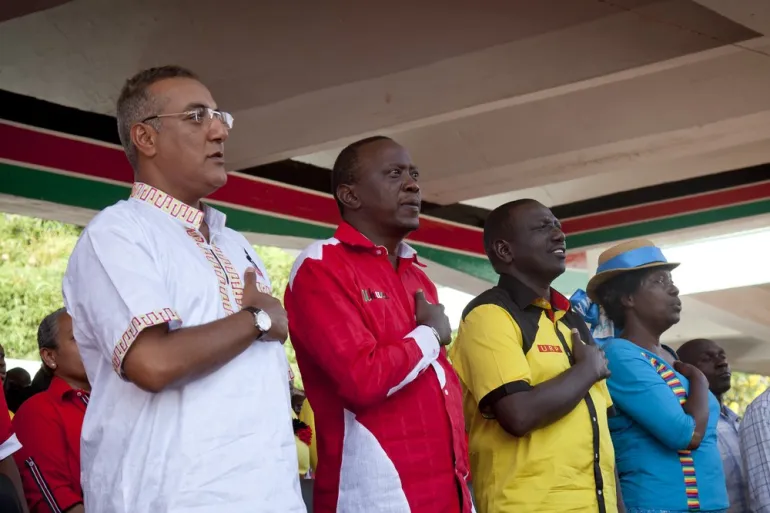
In the 2013 “Uhuruto” coalition, Jubilee Alliance was primarily anchored on an alliance between the Kikuyu and Kalenjin communities. Uhuru Kenyatta represented the Kikuyu community (under The National Alliance – TNA party) while William Ruto represented the Kalenjin community (under the United Republican Party – URP). Raila Odinga (Luo), Kalonzo Musyoka (Kamba), and Moses Wetangula (Luhya) formed The Coalition for Reforms and Democracy (CORD).

In 2017, Kenyan general elections were primarily contested by the Jubilee Party and the National Super Alliance (NASA) coalition, the latter of which was a coalition of major opposition parties formed to challenge the government. NASA brought together Luos through ODM (Raila Odinga), Kambas through Wiper (Kalonzo Musyoka), Luhyas through ANC (Musalia Mudavadi) and FORD-Kenya (Moses Wetangula), and Kalenjins through Chama Cha Mashinani (Isaac Ruto), while Jubilee solidified its 2013 alliance into a single party under Uhuru Kenyatta and William Ruto backed by the Kikuyus and the Kalenjins.
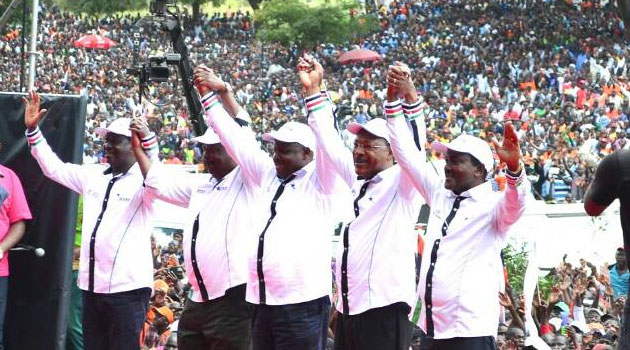
In 2022, the Kenyan general election was defined by two major political coalitions: Kenya Kwanza Alliance, led by William Ruto, and Azimio la Umoja One Kenya Coalition Party, led by Raila Odinga. Kenya Kwanza was majorly formed by Kalenjins (William Ruto), Kikuyus (Rigathi Gachagua), Luhyas (Musalia Mudavadi and Moses Wetang’ula. The Azimio La Umoja One Kenya Coalition (Azimio), comprised of Luos (Raila Odinga), Kikuyu (Supported by President Kenyatta and Martha Karua) and Kambas led by Kalonzo Musyoka.
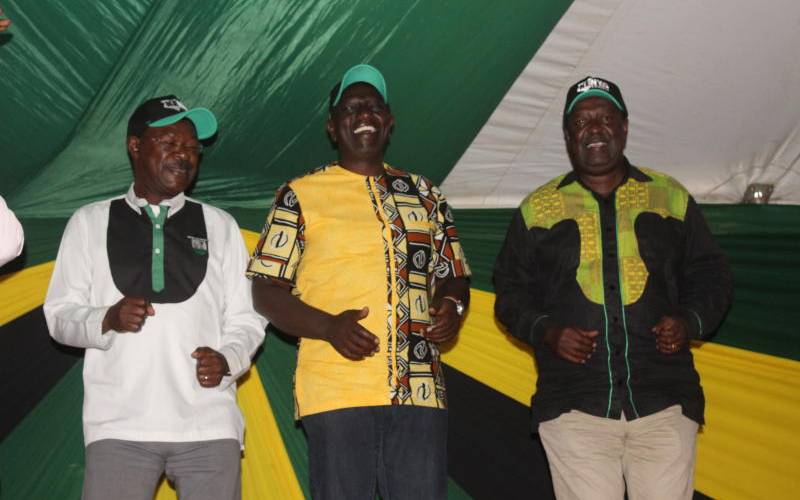
Attempts to slay the dragon of tribalism in Kenya have not been easy. Commissions have been formed, songs composed, and wars fought. The Truth, Justice and Reconciliation Commission was formed in 2008 after the 2007 post-election violence.
It concluded that ethnic conflicts mainly stem from land inequality and regional imbalances. A second commission, the National Cohesion and Integration Commission, is still working on ending the divisions between Kenyans.
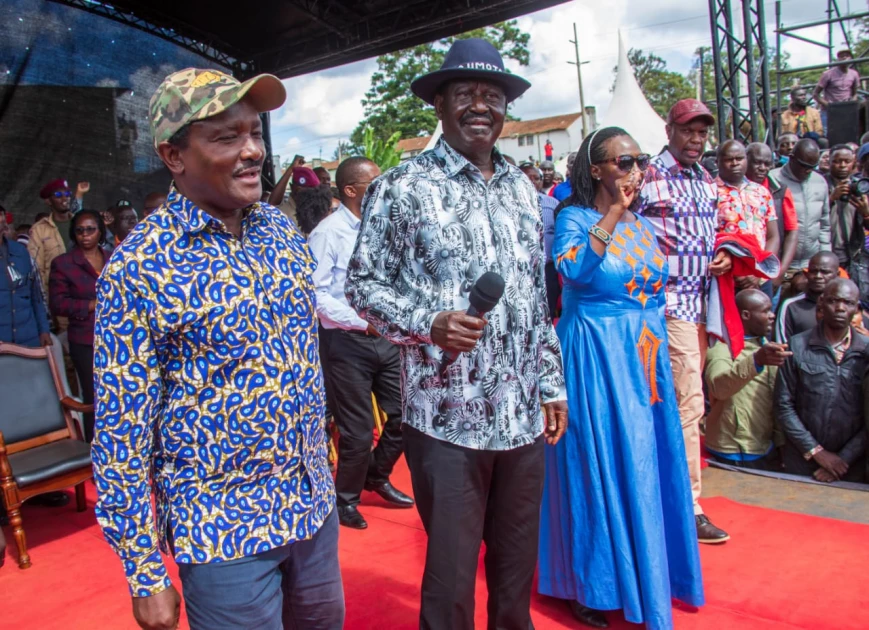
In its view, the solution is to address economic equality and opportunities for all, regardless of tribal affiliations. It concluded that ethnic conflicts mainly stem from land inequality and regional imbalances. A second commission, the National Cohesion and Integration Commission, is still working on ending the divisions between Kenyans.