Kenya’s efforts to address gender inequality, child protection and cultural development are under growing strain, Senators have heard, as funding gaps, shifting social pressures and weak programme coordination threaten key priorities.
During a consultative forum between the Senate Committee on Labour and Social Welfare, chaired by Sen Julius Murgor (West Pokot), and the Ministry of Gender, Culture and Children’s Services, CS Hanna Cheptumo described overstretched systems struggling to meet rising demand — from child protection and family planning to gender-based violence (GBV) and cultural cohesion.
She warned that without increased investment and more inclusive strategies, vulnerable groups — including children, women and increasingly young men — risk being left behind.
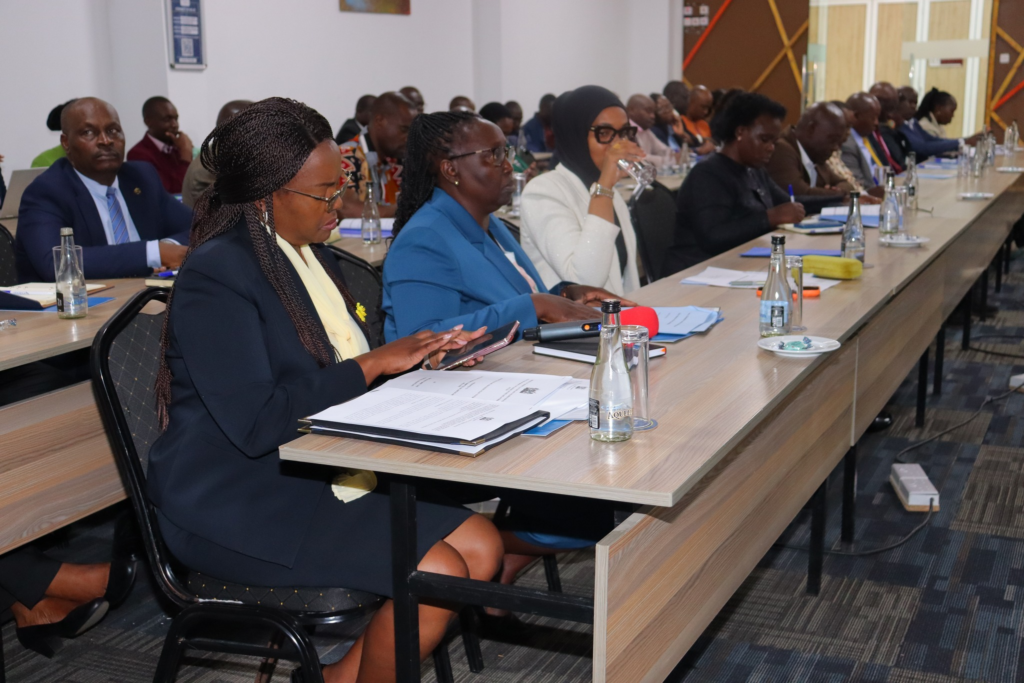
Presenting the 2026 Budget Policy Statement, the ministry said critical programmes are at risk due to chronic underfunding.
Officials cited severe constraints across child protection, GBV response and family planning, with systems already under pressure.
CS Cheptumo described children held in dilapidated institutions, some waiting up to two years for cases meant to be resolved within six months. Others, including children with disabilities, are housed in unsuitable conditions.
“These are not just statistics; these are lives,” she said, warning that delays and poor facilities are worsening distress among vulnerable children.
Sen Crystal Asige, the committee vice-chair, raised alarm over a growing family planning crisis, citing reduced donor support and insufficient government funding. Current allocations remain far below the estimated KSh 2.8bn required annually — a gap linked to rising unintended pregnancies and maternal deaths.
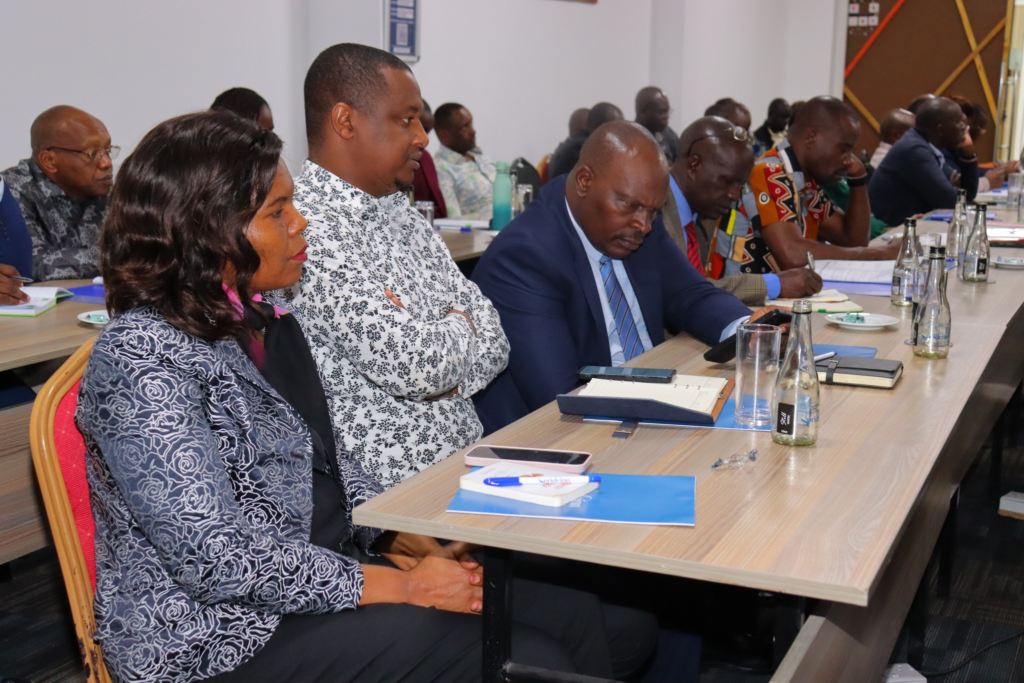
Alongside funding concerns, the meeting highlighted a shift towards more inclusive gender policy.
Sen Alexander Mundigi (Embu) said programmes have historically focused on women and girls, sometimes overlooking challenges facing boys.
“We cannot make much progress if we do not involve men in our initiatives,” said Anne Wangombe, Principal Secretary for Gender and Affirmative Action.
Wangombe noted growing perceptions that the “boy child” has been left behind, contributing to isolation, substance abuse and, in some cases, gender-based violence.
Senators cautioned that changing social dynamics are creating new pressures that must be addressed through more inclusive approaches.
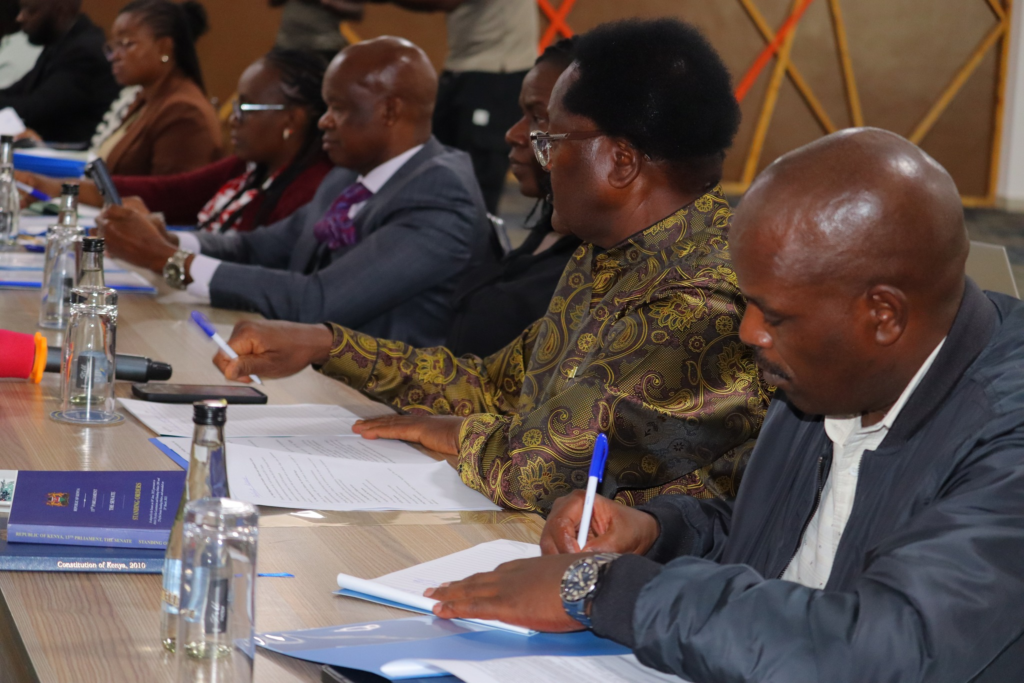
The committee also turned to culture as a critical — but underfunded — pillar of national development.
Sen Asige warned that Kenya risks prioritising physical infrastructure at the expense of social cohesion.
“There is a danger of building an indisciplined, corrupt, unkind society if we ignore the social and cultural ‘software’,” she said.
Ummi Bashir, Principal Secretary for Culture, the Arts and Heritage, outlined plans to strengthen cultural programmes, including festivals, libraries and the creative economy, but acknowledged funding and coordination challenges with counties.
Sen Asige urged the ministry to take a more proactive role in developing large-scale programmes.
“It is the ministry’s role to come up with programmes… not Parliament,” she said.
Libraries and digital platforms such as Vitabu were highlighted as tools for preserving heritage, though concerns remain over accessibility and coordination.
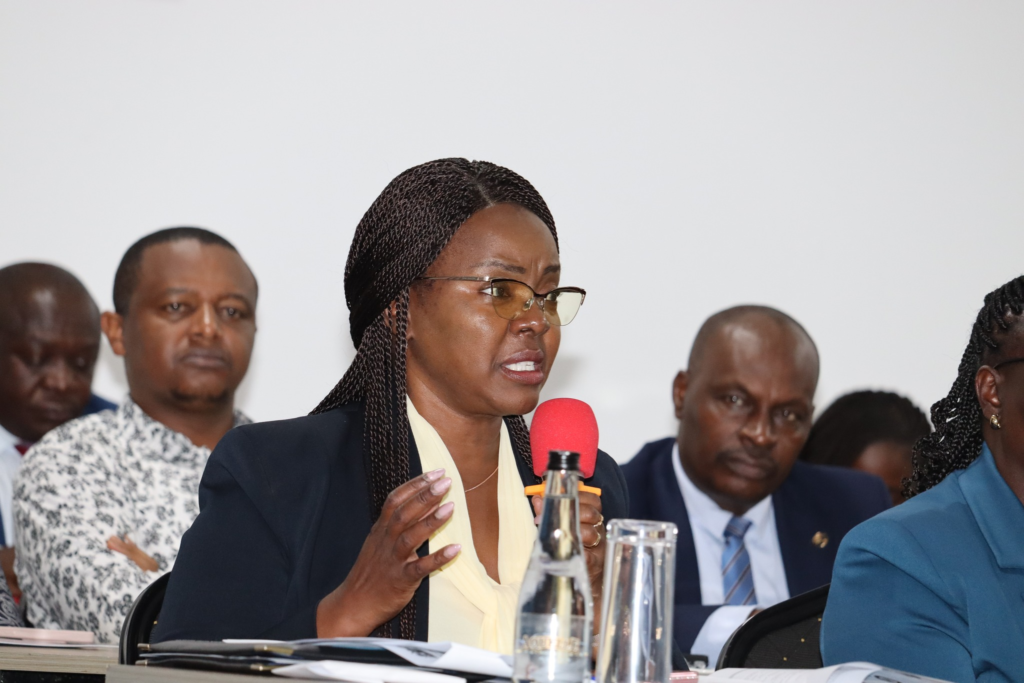
A recurring theme was the gap between policy commitments and delivery.
Senators called for stronger coordination, clearer accountability and more ambitious programme design, particularly in linking gender, culture and social development.
They also urged deeper engagement beyond Nairobi through field visits and community consultations.
Officials pointed to ongoing reforms, including new legislation and the implementation of recommendations from a task force report on GBV and femicide, pending presidential approval, which are expected to guide future interventions.
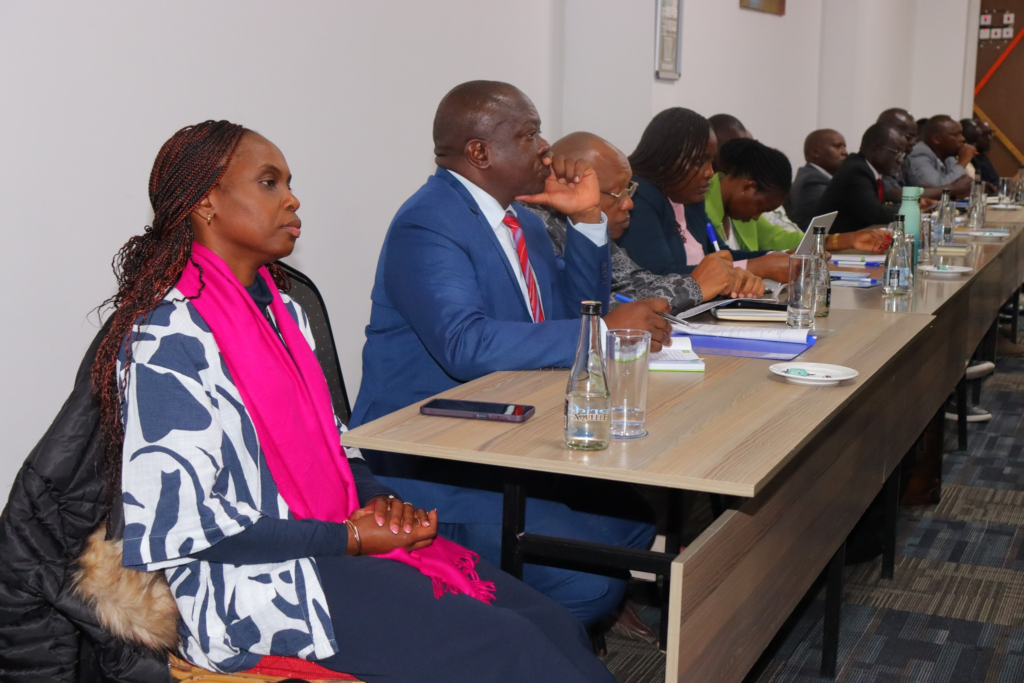
Taken together, the discussions pointed to a system under pressure — balancing expanding mandates with limited resources while navigating complex social changes.
Without stronger alignment between funding, policy and implementation, senators warned, gaps will continue to widen — leaving the most vulnerable increasingly exposed.
By Anthony Solly