By Bonface Mulyungi
In a staggering judicial paradox that will reverberate through Kenya’s legal history for decades, the High Court delivered a historic blow to former Deputy President Rigathi Gachagua, ruling that while his ouster was fundamentally unfair, the judiciary’s hands were completely tied by the supreme law of the land.
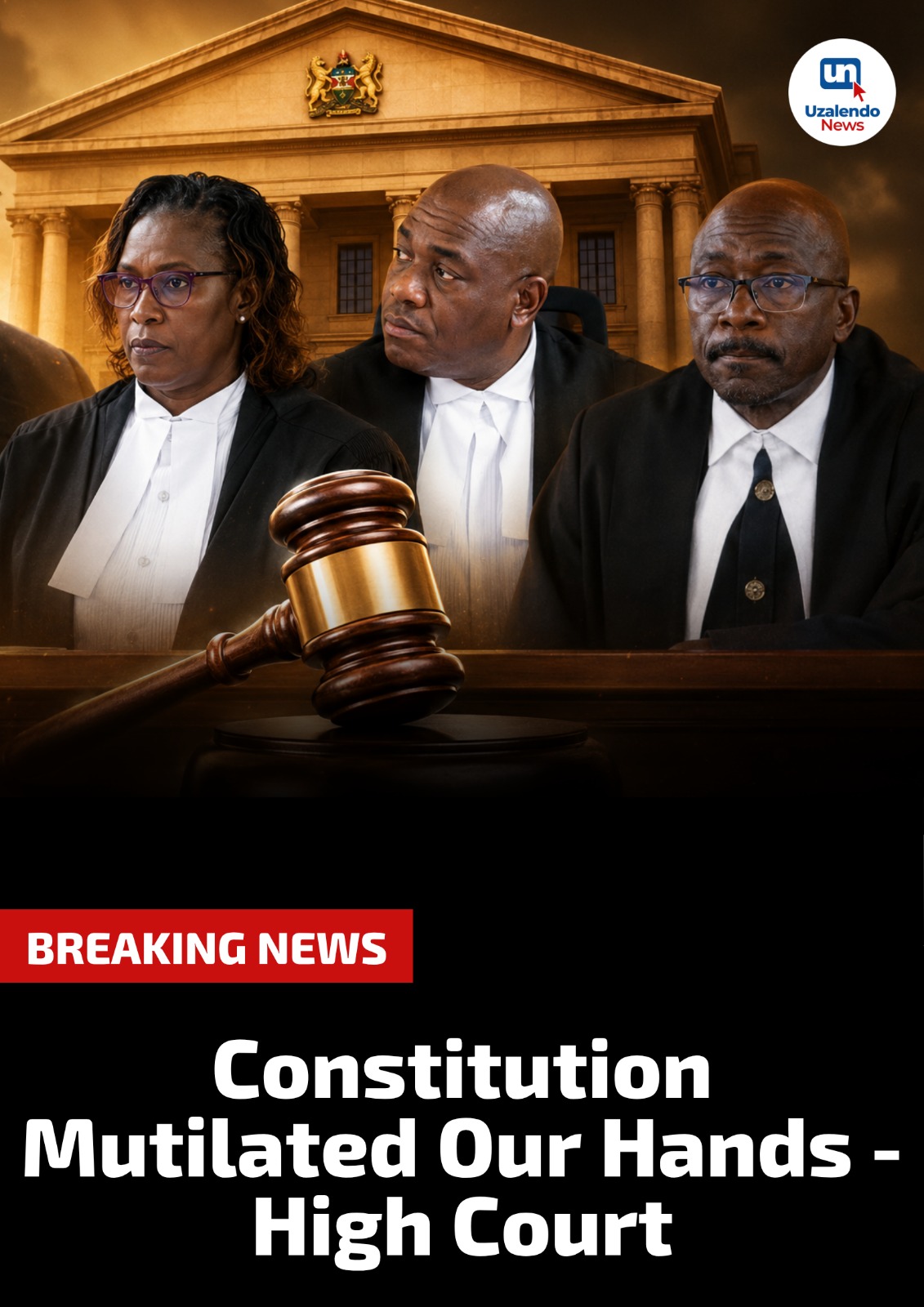
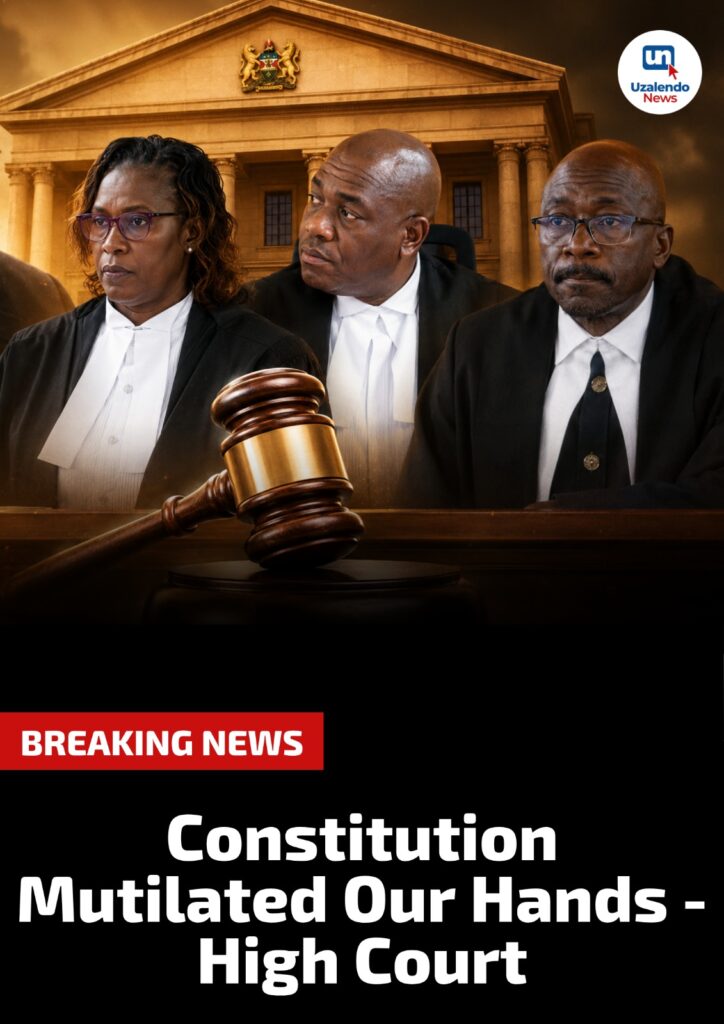
In a marathon 350-page judgment, Justices Eric Ogolla, Anthony Mrima, and Freda Mugambi did the unthinkable: they officially established that the Senate heavily violated Gachagua’s constitutional right to a fair hearing when they refused to pause his trial while he was hospitalized.
Yet, in the same breath, the three-judge bench upheld his impeachment, declaring that they possessed absolutely no constitutional power to reinstate him.
The explosive ruling plunged legal scholars into deep debate over a shocking vulnerability exposed within the Kenya Constitution 2010.
Unlike the legal framework governing county governors, whose impeachments can be reviewed and reversed by a court of law, the constitution deliberately shuts all doors for an ousted president or deputy president once the hammer falls.
The judges explicitly pointed out this constitutional finality, indicating that once the National Assembly and the Senate completed the impeachment and a successor was lawfully sworn into office, the process became a final political act that no court could undo.
Legally speaking, unless the 2010 Constitution is entirely repealed or drastically amended, an ousted president or deputy president can never find a real job-restoring remedy within the hallways of justice.
This structural dead-end unearthed a frightening reality about the mechanics of executive oversight in Kenya.
The High Court bench observed that there was practically no way for judges to pre-determine or guarantee that an ongoing parliamentary impeachment would remain free, fair, and respectful of the candidate’s constitutional rights before it concluded.
This exact limitation explained why the three judges found themselves trapped in a corner.
They successfully established the factual and legal truth that Gachagua was treated unfairly by the Senate, yet they could not declare the ultimate outcome of the matter unconstitutional because the 2010 text provides no mechanism or provision to nullify a completed executive ouster.
Faced with this legal paralysis, the judges attempted to fix a structural wound with a financial bandage, awarding Gachagua KSh 50 million in constitutional damages for the violation of his rights.
The eye-watering token, payable by the Senate, was meant to vindicate the victim and punish the legislature’s impunity, but it only triggered heavier national soul-searching.
Gachagua promptly rejected the money, calling it an insult to constitutional principles, while the Senate vowed to appeal the fine.
The entire spectacle left Kenyans staring at a troubling, systemic dilemma: Do we now have a rogue constitution?
The crisis lies in the fact that the 2010 Constitution remains the absolute, undisputed supreme law of the land.
It tramples acts of Parliament, completely overrules lower legislations, and binds the very judges sworn to protect it.
Yet, by locking the courtroom doors to a deputy president whose rights were visibly trampled, the supreme document left a dangerous loophole where political majorities can weaponize an unfair process, knowing the courts are powerless to stop them.
As Gachagua heads to the Court of Appeal, the haunting words of the High Court echo across the nation: the law was broken, but the supreme book says our hands were tied.