Sponsored Ad

Ad 1
Ad 2
Ad 3
Ad 4
Ad 5
Ad 6
31 C
Kenya
Thursday, May 14, 2026
Home Blog Page 196

Joint Police Operation Nets 12 Suspects and 320 Litres of Illicit Brew in Uasin Gishu

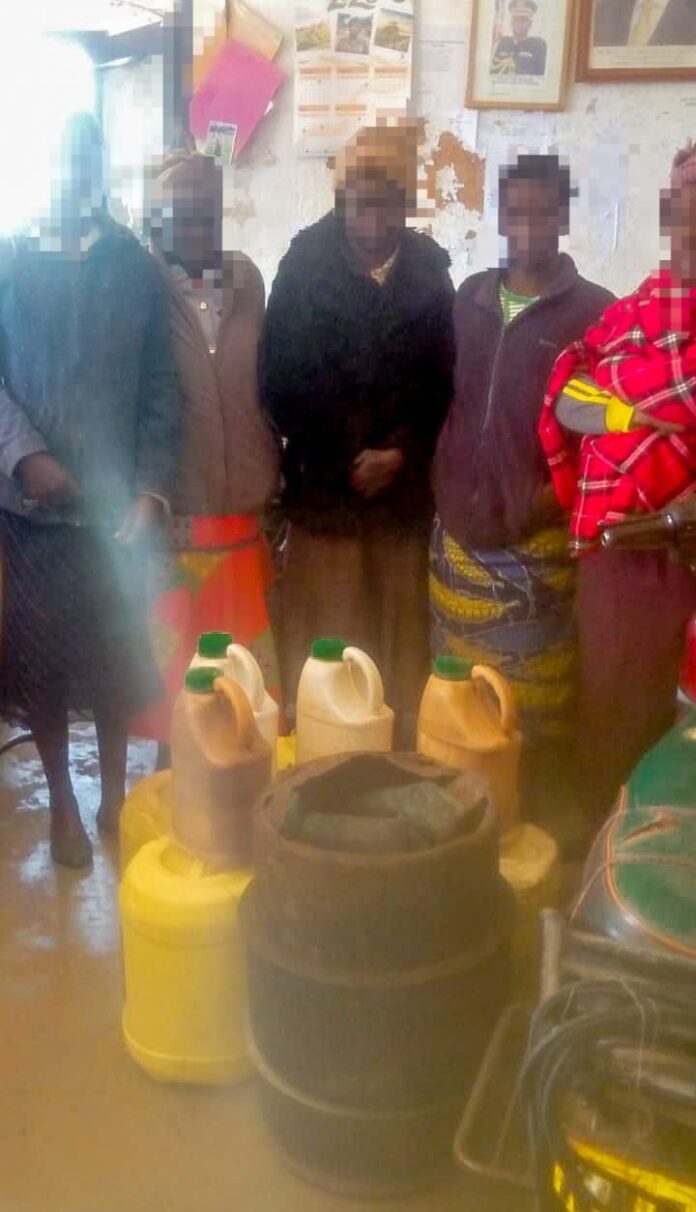
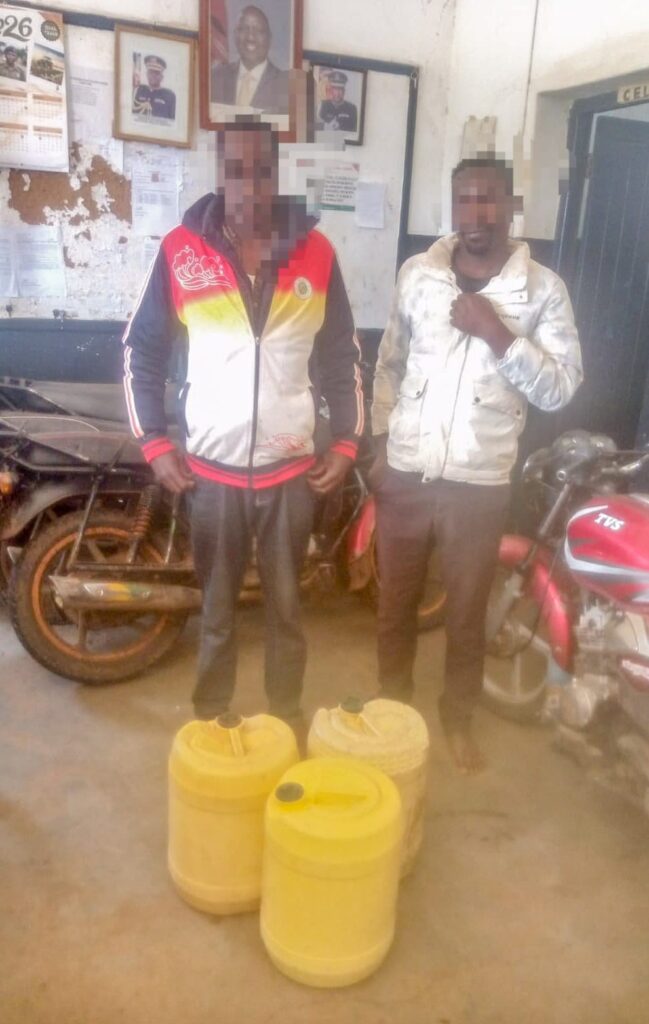
Following a series of coordinated intelligence-led raids, police officers from Moi’s Bridge and Ziwa Police Stations have successfully apprehended twelve suspects and seized 320 litres of illicit liquor (chang’aa).

The joint crackdown, conducted today, targeted Jabali, Vumilia, Kapkoren, Kimurgoi and Kapchan areas in Soy Sub-County.

All twelve suspects are currently being held at Moi’s Bridge Police Station pending further processing and arraignment in court.

The National Police Service remains committed to the total eradication of illicit brews and substance abuse, and such operations will continue nationwide.

By Anthony Solly

NTSA Suspends Instant Fines System Effective Immediately

The National Transport and Safety Authority(NTSA) on Friday, March 27, announced that it had formally withdrawn the instant fine management system.

In a statement issued by NTSA Director General Nashon Kondiwa, he stated that the system that went live on March 9 was no longer operational.

Kondiwa explained that there were knowledgeable gaps among members of the public that hindered the implementation of the system.

He particularly stated that the majority of the public was not conversant about how instant fines worked.

“This withdrawal has been necessitated by the realisation that the public needs to understand the details and standard procedure of handling minor traffic offences as defined in Section 117 of the Traffic Act,” the statement read in part.

A file image of the statement by NTSA issued on March 27, 2026.

The DG revealed that the Authority will communicate the standard procedures aligned to the provisions of the existing laws on handling of instant fines and minor traffic offences.

He explained that this would avoid misinformation while providing clarity on the system and procedures.

Kondiwa added that NTSA was determined to provide reasonable punishments to road users who violate traffic rules and compromise the safety of others.

“Consistent, predictable, fair and certain administration of penalties on traffic infractions remains a core component of reducing the burden of deaths on our roads,” the statement continued.

He added that the road safety authority remains committed to ensuring road safety and reducing fatalities on Kenyan roads.

On March 12, the High Court issued conservatory orders temporarily blocking the NTSA from enforcing the instant fines traffic management system.

Lawyer Shadrack Wambui had filed a petition challenging the implementation of the system, citing a lack of public participation.

He also argued that the system risked violating motorists’ data privacy. The case will be mentioned on April 9, 2026.

High Court Orders Garissa County to Pay Ksh60.5 Million Debt to Contractor

By Andrew Kariuki

The High Court in Garissa has ordered the County Government of Garissa to settle a debt of over KSh60.5 million owed to a contractor, following prolonged non-payment despite a valid court decree.

In a ruling delivered in Judicial Review Application No. E001 of 2026, the court issued an order compelling the county government to pay Vision Point, the applicant, the sum of Ksh60,584,193.16, inclusive of interest and taxed costs.

The debt arises from High Court Civil Suit No. 3 of 2019, where judgment was entered against the county on February 25, 2019, for work and services rendered in 2014. Despite the court’s decision, the county has failed to honour the payment.

Court documents indicate that the respondent was served with notices in October 2020 and December 2025 but still did not comply with the decree. The amount continues to accrue interest at a rate of 14% per annum from January 1, 2026, until full settlement.

The applicant argued that the county’s continued failure to pay, despite being fully aware of the court orders and certificate of taxed costs, amounted to a blatant disregard of judicial authority.

In granting the orders, the court emphasized that a successful litigant is entitled to enjoy the fruits of their judgment, and that public bodies have a legal obligation to comply with court decrees.

The ruling underscores the judiciary’s stance on enforcing accountability among public institutions, particularly in cases involving unpaid contractual obligations.

Kenya’s Gender and Child Protection Programmes Strained by Funding Gaps, Senators Told

Kenya’s efforts to address gender inequality, child protection and cultural development are under growing strain, Senators have heard, as funding gaps, shifting social pressures and weak programme coordination threaten key priorities.

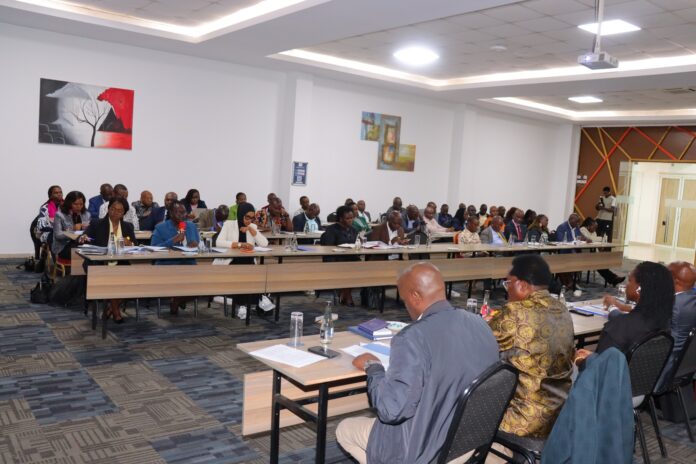
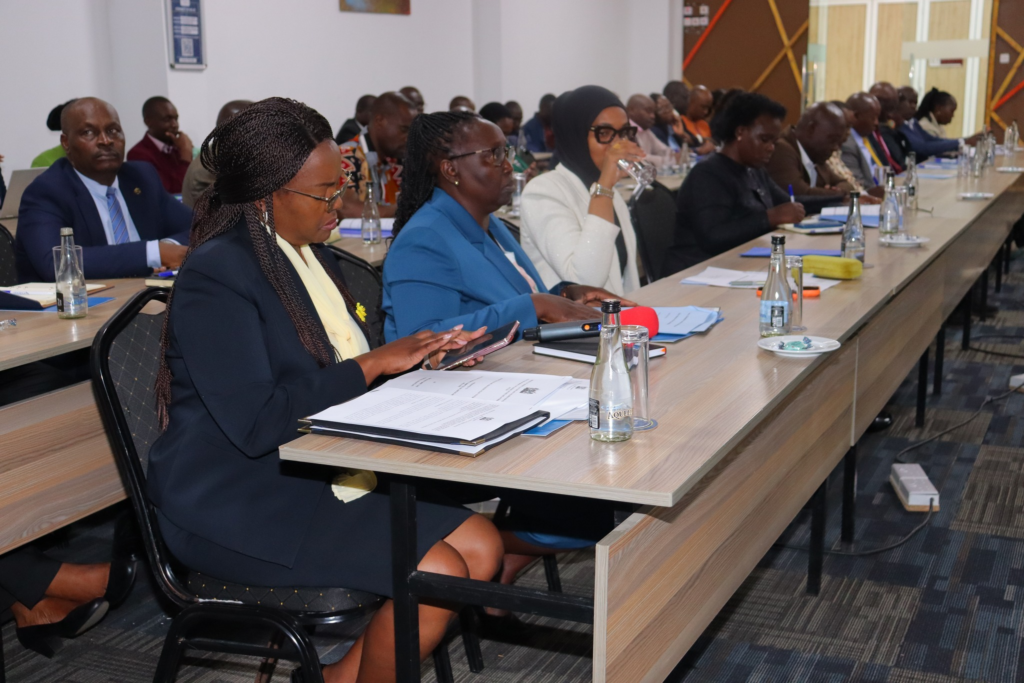
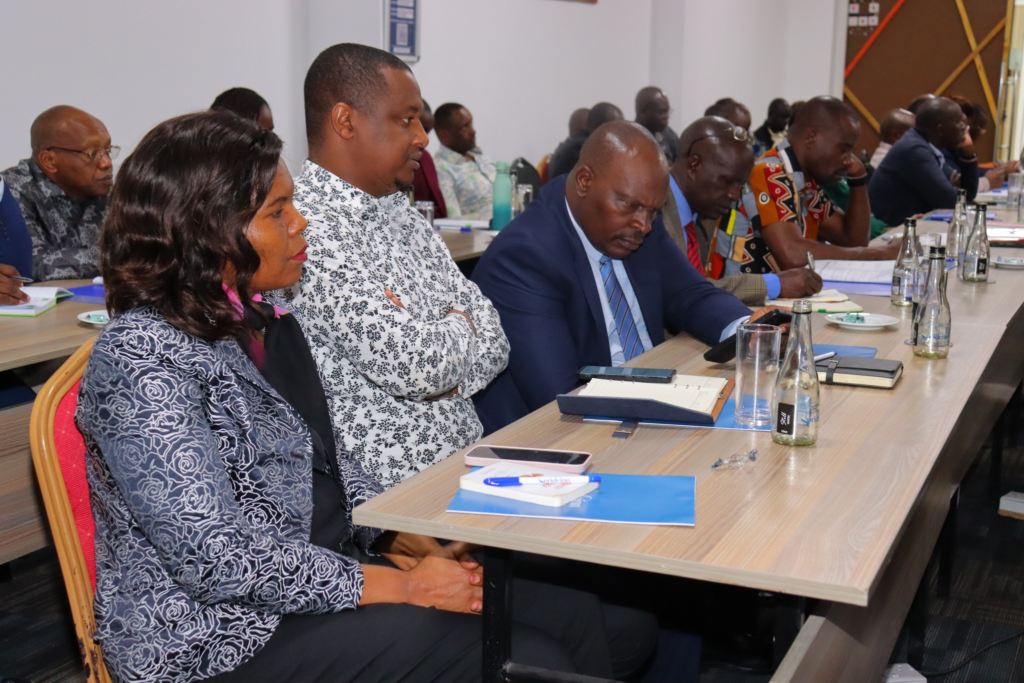
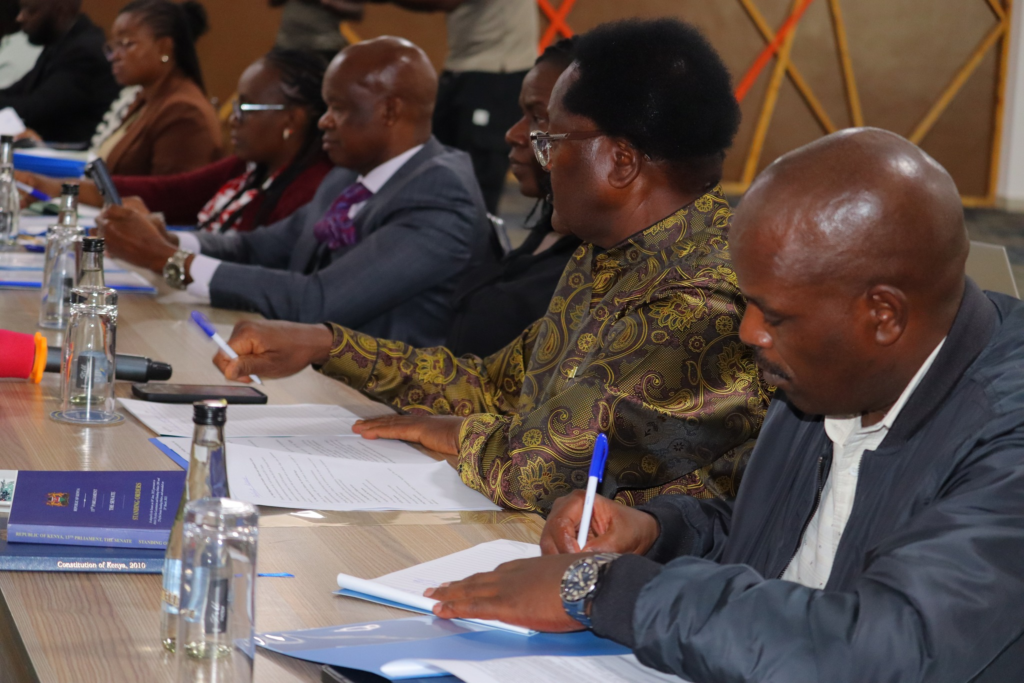
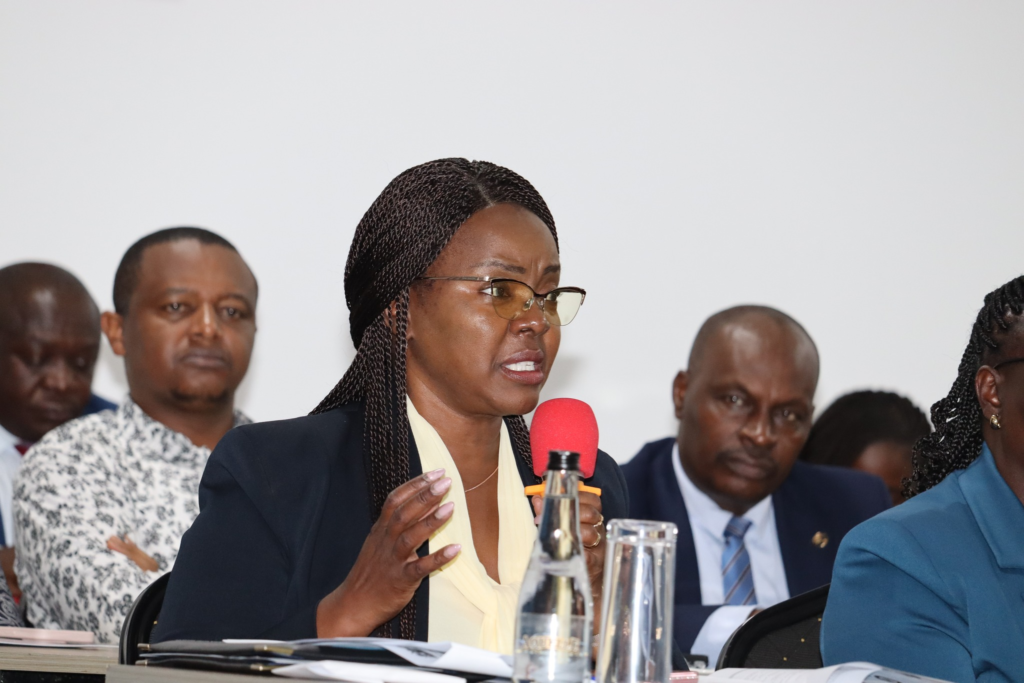
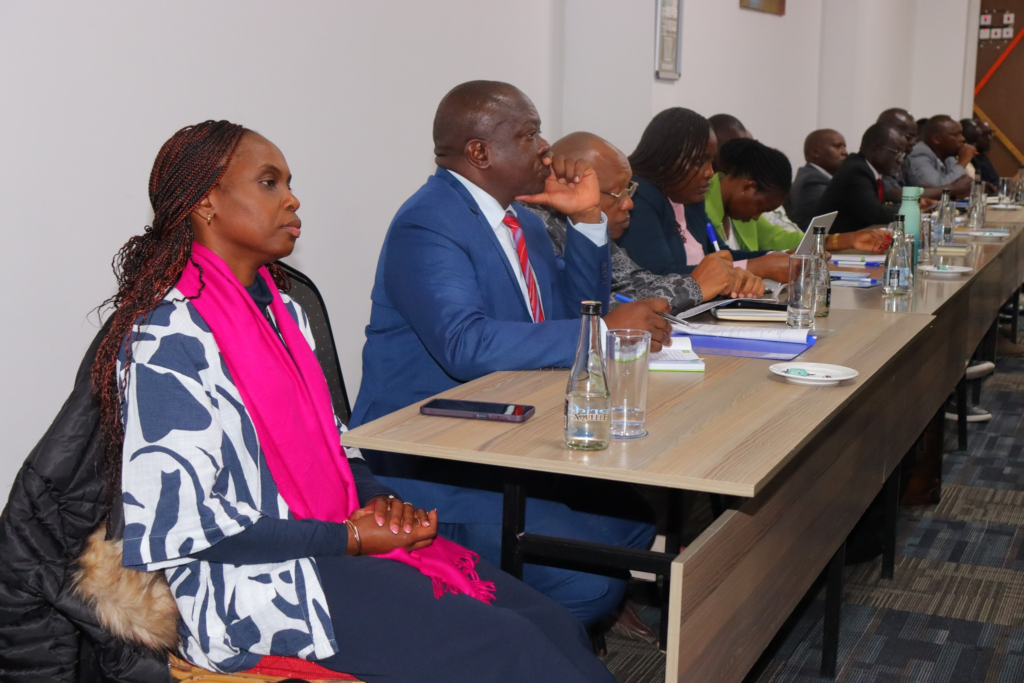
During a consultative forum between the Senate Committee on Labour and Social Welfare, chaired by Sen Julius Murgor (West Pokot), and the Ministry of Gender, Culture and Children’s Services, CS Hanna Cheptumo described overstretched systems struggling to meet rising demand — from child protection and family planning to gender-based violence (GBV) and cultural cohesion.

She warned that without increased investment and more inclusive strategies, vulnerable groups — including children, women and increasingly young men — risk being left behind.

Presenting the 2026 Budget Policy Statement, the ministry said critical programmes are at risk due to chronic underfunding.

Officials cited severe constraints across child protection, GBV response and family planning, with systems already under pressure.

CS Cheptumo described children held in dilapidated institutions, some waiting up to two years for cases meant to be resolved within six months. Others, including children with disabilities, are housed in unsuitable conditions.

“These are not just statistics; these are lives,” she said, warning that delays and poor facilities are worsening distress among vulnerable children.

Sen Crystal Asige, the committee vice-chair, raised alarm over a growing family planning crisis, citing reduced donor support and insufficient government funding. Current allocations remain far below the estimated KSh 2.8bn required annually — a gap linked to rising unintended pregnancies and maternal deaths.

Alongside funding concerns, the meeting highlighted a shift towards more inclusive gender policy.

Sen Alexander Mundigi (Embu) said programmes have historically focused on women and girls, sometimes overlooking challenges facing boys.

“We cannot make much progress if we do not involve men in our initiatives,” said Anne Wangombe, Principal Secretary for Gender and Affirmative Action.

Wangombe noted growing perceptions that the “boy child” has been left behind, contributing to isolation, substance abuse and, in some cases, gender-based violence.

Senators cautioned that changing social dynamics are creating new pressures that must be addressed through more inclusive approaches.

The committee also turned to culture as a critical — but underfunded — pillar of national development.

Sen Asige warned that Kenya risks prioritising physical infrastructure at the expense of social cohesion.

“There is a danger of building an indisciplined, corrupt, unkind society if we ignore the social and cultural ‘software’,” she said.

Ummi Bashir, Principal Secretary for Culture, the Arts and Heritage, outlined plans to strengthen cultural programmes, including festivals, libraries and the creative economy, but acknowledged funding and coordination challenges with counties.

Sen Asige urged the ministry to take a more proactive role in developing large-scale programmes.

“It is the ministry’s role to come up with programmes… not Parliament,” she said.

Libraries and digital platforms such as Vitabu were highlighted as tools for preserving heritage, though concerns remain over accessibility and coordination.

A recurring theme was the gap between policy commitments and delivery.

Senators called for stronger coordination, clearer accountability and more ambitious programme design, particularly in linking gender, culture and social development.

They also urged deeper engagement beyond Nairobi through field visits and community consultations.

Officials pointed to ongoing reforms, including new legislation and the implementation of recommendations from a task force report on GBV and femicide, pending presidential approval, which are expected to guide future interventions.

Taken together, the discussions pointed to a system under pressure — balancing expanding mandates with limited resources while navigating complex social changes.

Without stronger alignment between funding, policy and implementation, senators warned, gaps will continue to widen — leaving the most vulnerable increasingly exposed.

By Anthony Solly

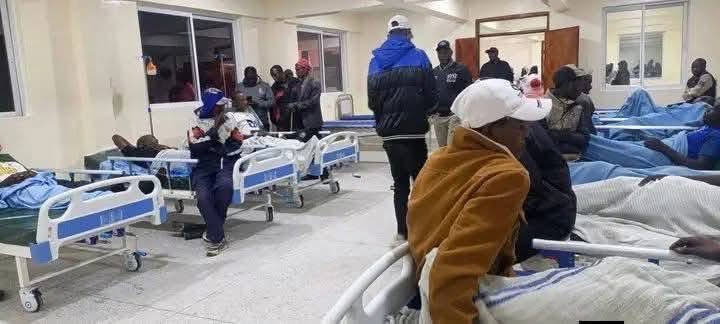
At Least 50 Injured in Tractor Accident During Campaigns in Emurua Dikirr

At least 50 people were injured following a tractor accident during a campaign trail in Emurua Dikirr Constituency on Thursday, March 26.

In an update on Friday, March 27, Bomet Governor Hillary Barchok confirmed the incident, stating that the victims were rushed to Ndanai Sub County Hospital for urgent medical attention.

“Ndanai Sub County Hospital yesterday at their emergency unit, received 50 patients who had been involved in a tractor accident while on the campaign trail in Emurua Dikirr Constituency, Narok County,” he said.

Barchok further outlined the condition of the injured, noting that most of the victims had already received treatment, while a few required specialized care.

“23 patients were treated and discharged, 2 who were in serious condition were referred out, while the remaining 25 are in stable condition and are expected to be discharged today or in the coming days,” he added.

File image of the victims in hospital

Barchok also praised the healthcare workers at the facility for their prompt and effective response in handling the emergency situation, emphasizing their role in stabilizing the patients.

“We salute our medics at Ndanai Hospital for their swift and professional response in attending to all the patients who were rushed in. We wish a quick and full recovery to all those who were involved in the accident,” he further said.

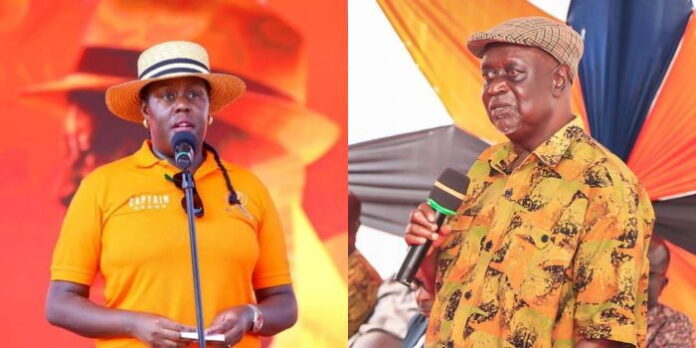
Winnie Odinga Calls for Youth Inclusion and Justice for Protest Victims Amid ODM Rift

By Peter John

Amid growing divisions within the Orange Democratic Movement following the death of Raila Odinga, Winnie Odinga has spoken out, urging the party to remain grounded in its values and responsive to the concerns of young people.

In a heartfelt statement, Winnie emphasized that the party must not ignore the suffering of Kenyans affected during past protests, commonly referred to as maandamano.

“I do not underplay the victims of the maandamano; we cannot overlook that reality. We cannot be a party that does not care about the struggles we have gone through,” she said.

Her remarks come at a time when ODM is grappling with internal disagreements, with factions emerging over the party’s future direction and its relationship with President William Ruto’s administration.

Winnie also placed strong emphasis on the need for reforms within the party to better accommodate young people, noting that many feel excluded despite being at the forefront of political mobilization.

“The new ODM systems must work for young people. Our young people are demanding their rightful space at the table, and I say this with the utmost humility: we must create space for them instead of only calling on them when we want them to shout,” she added.

Her comments are being interpreted as a call for introspection within ODM, particularly on how it engages youth and addresses past grievances, including those arising from protest crackdowns.

As internal debates continue, her voice adds to the growing chorus pushing for a redefined ODM—one that balances legacy, accountability, and the aspirations of a new generation.

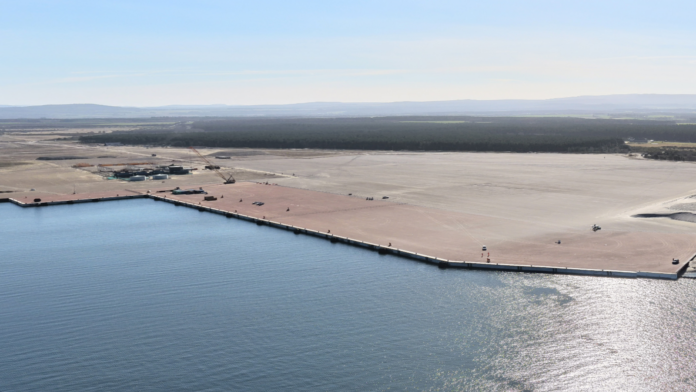
Why was a £1.5bn Chinese plan to invest in a Highland yard blocked?

By Stacy Boit,

An investment worth £1.5bn, creating 1,500 jobs in cutting-edge clean energy, and revitalising a disused former oil and gas port in the Highlands – it sounds too good to be true.

And so it has turned out to be at Ardersier, where the UK government has turned down plans for a wind turbine factory from the Chinese company Ming Yang.

Normally, investment and jobs on that scale would have politicians of all parties lining up to shake hands and sign deals.

But when it comes to Chinese investment, things are a bit more complicated.

A yard at Ardersier on the Moray Firth coast near Nairn was opened in the 1970s to build offshore platforms for what was the newly-established North Sea gas and oil industry.

At its height the yard, employed about 4,500 people – but it closed in 2001 as demand dropped.

For years the 450-acre (182ha) site lay vacant as the UK’s largest brownfield port.

There were plans, later abandoned, to stage a charity concert feature Status Quo, Sugababes and McFly IN 2010 and then proposals to develop the area for housing.

Today it is being redeveloped and forms part of the Inverness and Cromarty Firth Green Freeport.

The yard has been cleared of old infrastructure, there is a new roundabout on the A96 to ease traffic to the site and big new fancy sign.

Ming Yang announced last year its plans to invest in the yard, but the UK government said it needed to assess whether the proposals were “safe and secure”.

We don’t know the details of the national security concerns that have led to the rejection of Ming Yang’s plans. The company says it hasn’t been told, either.

But in general terms, concerns about Chinese investment in critical infrastructure are broad. Fears have been raised that the technology itself could be used to allow spying and industrial espionage.

The Conservative shadow Scottish secretary Andrew Bowie has raised the prospect of China being able to “spy on British seas, defence submarine programmes and the layout of our energy infrastructure” if Chinese turbines are erected off the coast.

Concerns of that kind led the UK government to strip out technology from the Chinese telecoms company Huawei from the Country’s 5G network.

Critics of Chinese investment say ultimate control of any foreign project lies with the country’s communist government – even when the company involved is in private rather than state hands, as is the case with Ming Yang. It has denied all claims of improper influence or spying.

When it comes to China and national security, there are obviously bigger forces at play, too.

The Ming Yang proposal was on the UK government’s desk for a year-and-a-half, and in that time, unconfirmed reports suggest that US government officials warned British counterparts about the risks of saying “yes”.

It wouldn’t be the first time: the US actively campaigned against Huawei’s involvement in European telecoms projects, as part of its broad effort to combat the rise of the world’s newest superpower.

British relations with China have gone through a series of dramatic shifts in recent years.

Under David Cameron, the UK government pursued what it called a “golden age” of cooperation, symbolised by the cosy pint shared between the then-prime minister and China’s President Xi Jinping at a pub near the Chequers estate in 2015.

Contains flashing images.Watch: When Conservative PM David Cameron took Chinese President Xi Jinping for a pint at his local

Under later Conservative prime ministers, relations cooled significantly, as the UK government considered whether to label China a “threat” to economic and national security.

The label was never formally adopted, but Rishi Sunak said China posed an “epoch-defining challenge”.

That period coincided with a series of warnings over China’s state surveillance. In 2022, MI5 took the unprecedented step of naming a Chinese lawyer with links across different political parties as carrying out “political interference activities”.

In 2023, there were claims the Chinese government was operating clandestine “police stations” out of businesses in London and Glasgow, to spy and suppress dissent.

The following year, the UK’s intelligence agency GCHQ said it was “highly likely” a Chinese state-affiliated entity had broken into the Electoral Commission’s computer systems.

And last year, the trial of two former parliamentary staffers accused of spying for China collapsed, leading to a blame game between the UK government and prosecutors, and widespread concern among MPs.

More recently, Labour PM Sir Keir Starmer has tried to revive relations with China, in search of hard-to-find economic growth.

He approved a controversial plan for a new Chinese embassy in London, in spite of fears over surveillance, and earlier this year became the first UK leader to visit China since 2018.

But Ming Yang’s investment at Ardersier was clearly seen as too risky to permit.

That decision has been fiercely criticised by the SNP-led Scottish government, with the Deputy First Minister Kate Forbes claiming it was “simply sabotage of Scotland’s industrial future”.

Ming Yang’s plans always enjoyed the SNP’s support, but the fact this news comes on the eve of a Scottish election campaign, and in the middle of a fresh energy crisis, gives the issue extra political force.

Ironically for UK ministers, the decision came on the same day as another announcement by the Danish company Vestas, that it would build a wind turbine factory in Scotland and create 500 new jobs, provided it secures enough orders.

Despite the scale of Scotland and the UK’s wind energy potential, there are currently no factories in this country building the highest-value part of a wind turbine, the nacelle.

The charge has long been that Scottish industrial jobs and investment have been forgotten in the rush to develop wind power, with turbines being built from imported components.

Labour came to power at Westminster promising to change that, with new rules and incentives around locally-based supply chains.

But ministers won’t deliver on that pledge of a green industrial revolution at any cost, it seems – not when the price is national security.


ODM Rift Deepens as Sifuna Tells Oburu: “Find Your Own Secretary General”

By Peter John

A sharp political divide has emerged within the Orange Democratic Movement following the death of party leader Raila Odinga, with rival factions now openly clashing over the party’s direction and leadership.

The latest flashpoint involves Edwin Sifuna and Oburu Odinga, after Sifuna dismissed any possibility of serving under Oburu in a top party role.

“Look for your secretary general, I cannot be an SG of mediocrity,” Sifuna declared, in remarks that have intensified the already growing tensions within ODM.

The fallout comes against the backdrop of two parallel political gatherings held in Nairobi, highlighting the widening split. Oburu Odinga attended a National Delegates Conference (NDC) meeting at Jamuhuri grounds, alongside a section of ODM leaders aligned with President William Ruto’s broad-based government.

On the other hand, Sifuna was part of a rival camp that convened at Ufungano House under the “Linda Mwananchi” banner. The group included prominent figures such as Babu Owino and Geoffrey Osotsi, signaling a faction resistant to the current political alignment.

Observers say the two meetings paint a clear picture of a party at a crossroads, with one side leaning toward cooperation with the government, while the other insists on maintaining a firm opposition stance.

The internal wrangles now raise serious questions about ODM’s unity and future, especially in the absence of Raila Odinga, whose leadership had long held the party together.

As both factions dig in, the battle for control and ideological direction within ODM appears set to intensify, potentially reshaping Kenya’s political landscape in the months ahead.

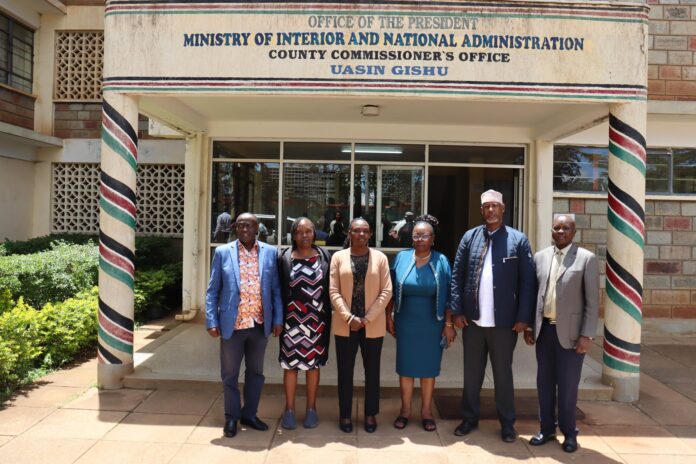
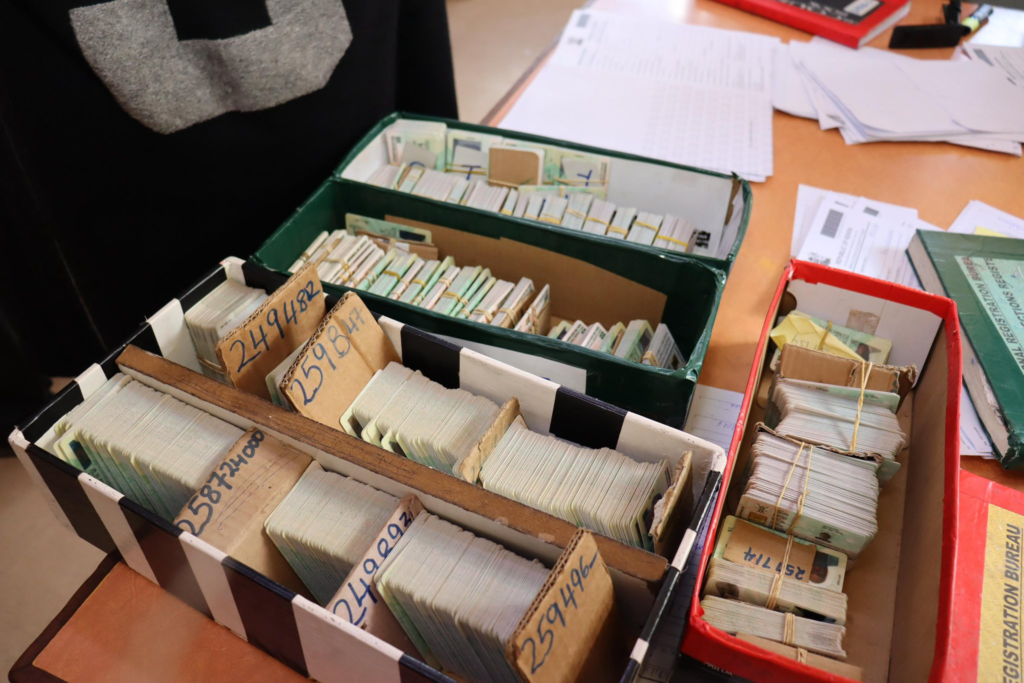
Uncollected IDs, Duplicate Records and Resource Gaps Slow Down Registration Services in Eldoret

6160 identification cards and 2200 passports remain uncollected at the Eldoret National Registration Bureau offices and the Passport Processing Center.

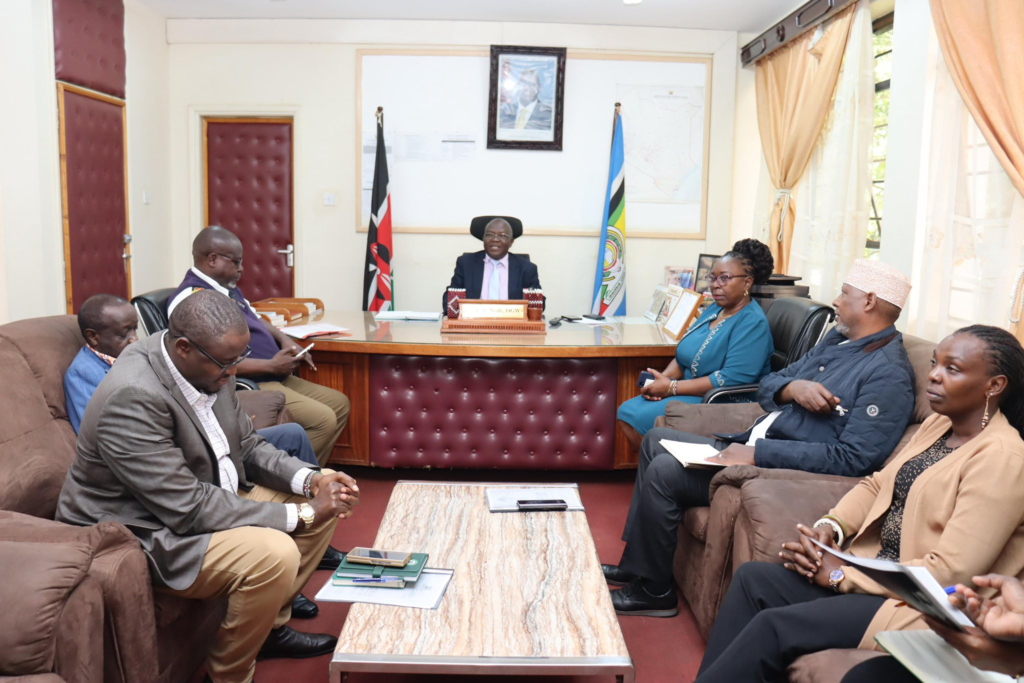
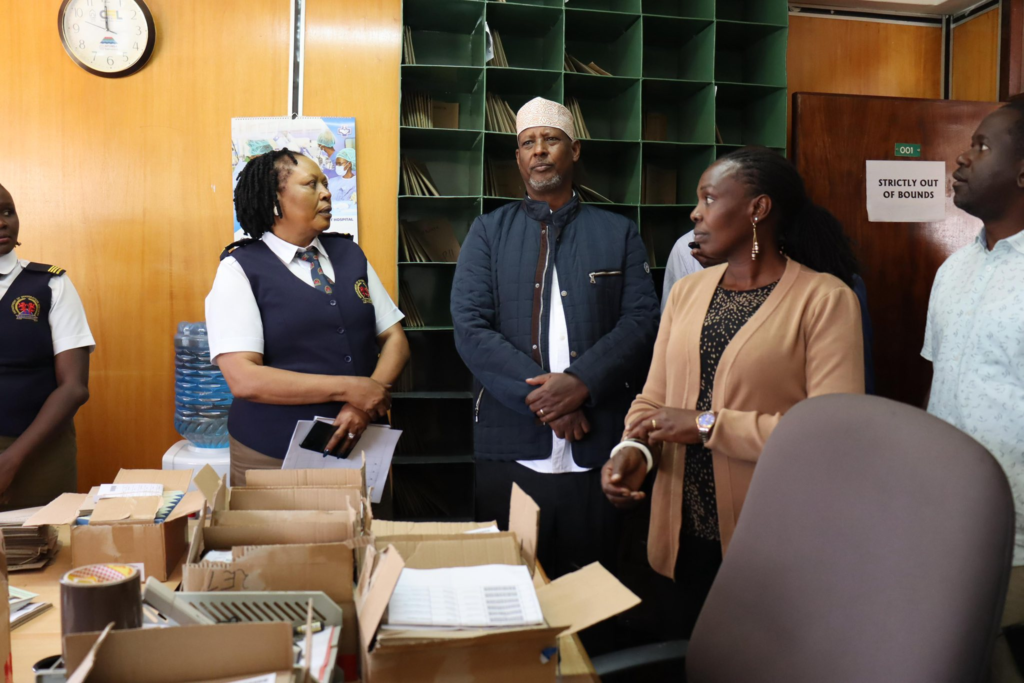
This was noted during an oversight meeting between the Administration and Internal Security Committee and officials from the National Registration Bureau and the Passport Processing Center, raising concerns over access to identification documents and low collection rates.

Uasin Gishu County Commissioner Dr. Eddyson Nyale, in his brief, said the office faces a number of challenges including limited resources, transport constraints, and processing delays.

Director of Immigration Morris Anyanga highlighted issues of office accommodation, power interruptions, staff welfare, delayed validation cases, and inadequate communication equipment as some of the challenges facing the Eldoret office.

A key concern raised during the engagement with the NRB is the issue of individuals holding multiple birth certificates, which leads to duplication of records and prevents some applicants from being issued national IDs.

The Regional Coordinator Aileen Manali called for integration of registration systems and possible legal reforms to address the anomaly, urging legislators to deliberate further on the matter.

The officials noted that ID processing takes about two weeks with digital capture, but can take up to two months manually due to centralized printing in Nairobi.

Ms. Manali said all six sub-counties are operational but face challenges including lack of transport, office space, and mobile registration kits.

The Committee, led by the Vice Chairperson Hon. Col. (Rtd.) Dido Rasso, noted the concerns raised by both offices and assured them that they will take them into consideration.

By Anthony Solly

Man Sentenced to 20 Years for Defiling 12 Year Old Girl in Kajiado

By Andrew Kariuki

A Kajiado Law Court has convicted and sentenced a middle-aged man to 20 years’ imprisonment for defiling a 12 year old girl in 2021.

The minor told the court that on the night of October 15, 2021, after attending a family burial, she had been assigned to serve visitors at her home. Among them was the accused, a neighbour known to her, who lured her outside the gate under the pretext of asking a question.

She testified that the man applied a powdery substance to her face, causing her to lose consciousness. When she regained awareness, she found him defiling her. The victim said she immediately resisted, slapped him and fled back home in distress.

In a judgment delivered by Principal Magistrate Susan N. Mwangi, the court found that the prosecution had proved all elements of the offence beyond reasonable doubt.

The magistrate noted that the complainant’s evidence was clear, consistent and corroborated by medical findings.

The court dismissed the accused’s defence that he had been framed, ruling that the claim was unsubstantiated and did not weaken the prosecution’s case. It further held that there was no possibility of mistaken identity, as the complainant had known the accused as a neighbour and positively identified him to the police, leading to his arrest.

In considering mitigation, the court rejected the accused’s plea for leniency based on his role as a father and sole breadwinner. The magistrate questioned whether he had considered the consequences of his actions at the time of committing the offence, emphasizing that such factors could not outweigh the gravity of the crime.

The court further observed that it could not be called upon to mitigate the consequences of deliberate and unlawful conduct, particularly in a case involving a minor.

The prosecution, led by Linda Nzioka, called five witnesses whose evidence the court found consistent and sufficient in securing the conviction.

Create a free account, or log in.

Gain access to read this content, plus limited free content.

Yes! I would like to receive new content and updates.

Sponsored Ad

Ad 1
Ad 2
Ad 3
Ad 4
Ad 5
Ad 6