Sponsored Ad

Ad 1
Ad 2
Ad 3
Ad 4
Ad 5
Ad 6
32.9 C
Kenya
Thursday, May 14, 2026
Home Blog Page 199

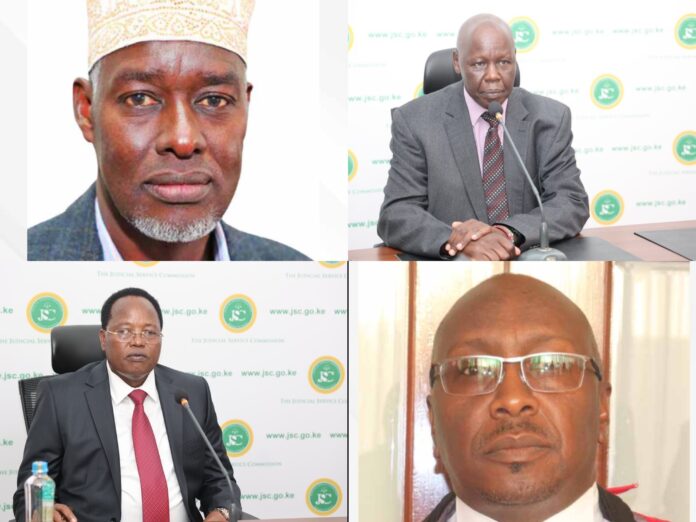
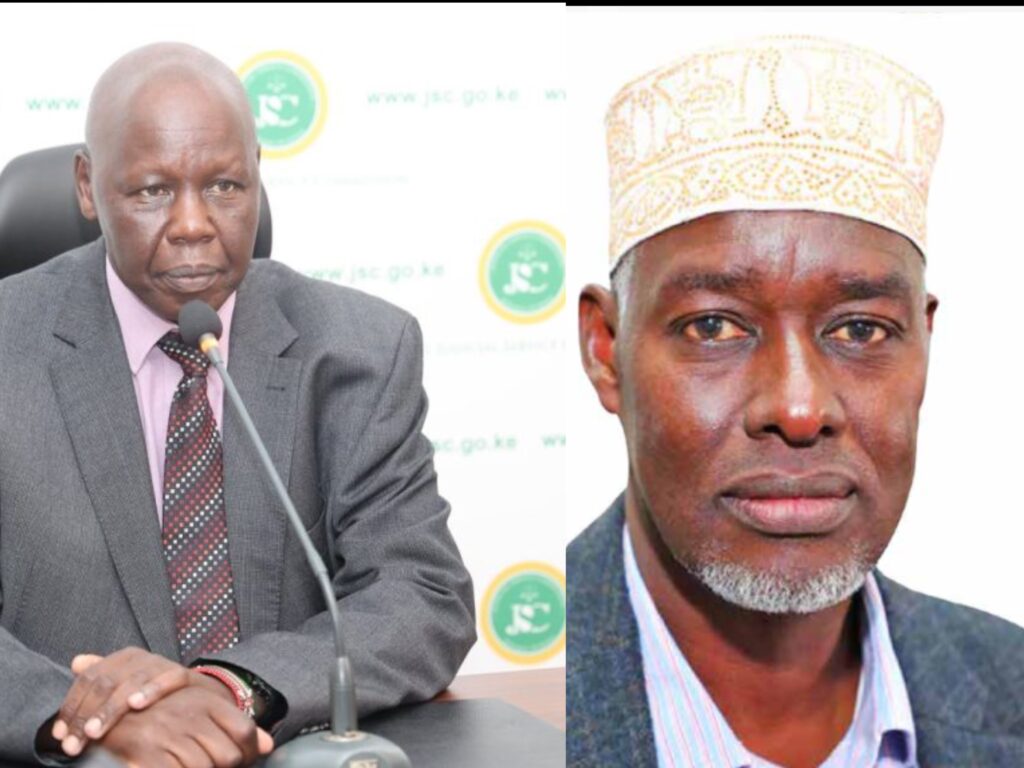
Justice Katwa Kigen,5 Others Shortlisted for Supreme Court Judge Position

By Andrew Kariuki

The Judicial Service Commission (JSC) has shortlisted six candidates for the position of Judge of the Supreme Court of Kenya following a competitive recruitment process.

In a public notice, the Commission confirmed that it had received six applications by the February 17, 2026 deadline, out of which five candidates were shortlisted after meeting the required qualifications and standards set out in the advertisement.

The shortlisted candidates include Hon. Justice Joseph Kipchumba Kigen Katwa, Hon. Justice Joseph Kiplagat Sergon, Hon. Justice Abdullahi Mohammed Warsame, Hon. Justice Francis Kipruto Tuiyott, and Anne Waceke Kiratu Makori, EBS.

According to the schedule released by the JSC, interviews for the candidates will be conducted on April 28 and 29, 2026.

Anne Waceke Kiratu Makori will be the first to appear before the panel on Tuesday, April 28 at 9:00 a.m., followed by Justice Katwa at 11:00 a.m. and Justice Sergon at 2:00 p.m.

On Wednesday, April 29, Justice Tuiyott will be interviewed at 9:00 a.m., followed by Justice Warsame at 11:00 a.m.

The Commission has invited members of the public to submit any relevant information regarding the shortlisted candidates to aid in the vetting process. The submissions can be made through the Commission’s official communication channels, with assurances that all information provided will be treated confidentially.

The recruitment process is part of efforts to fill a vacancy in the Supreme Court and strengthen the country’s apex judicial institution.

The JSC reiterated its commitment to a transparent and merit-based selection process, noting that it will consider input from the public alongside the candidates’ qualifications, integrity, and professional record before making its final recommendation.

Beyond oil, the crucial exports blocked by Hormuz closure

By Stacy Boit,

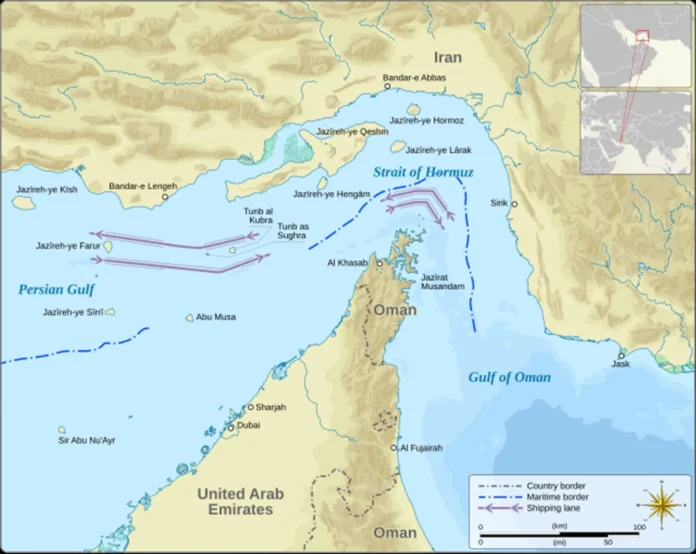
The interruption of oil and gas supplied through the Strait of Hormuz due to the US-Israel war with Iran has dramatically pushed up global energy prices.

Petrol has gone up already and UK domestic heating bills are almost certain to follow.

But it’s not just fuel that’s been impacted by the conflict. A host of other vitally important chemicals, gases and other products normally enter international supply chains via the Hormuz Strait.

BBC Verify has found that the price of a host of goods – ranging from food, to smartphones, to medicines – could be affected, as the number of ships passing through the Hormuz Strait has dropped from well over 100 a day before the war to just a handful.Here is what could be impacted.

Petrochemicals are derived from oil and gas and they are produced in great quantities for export by countries in the Gulf region.

And one of the most important is fertiliser, vital for global agricultural production.

According to the United Nation, around a third of the world’s fertilizers such as urea, potash, ammonia and phosphates normally pass through the Hormuz Strait.

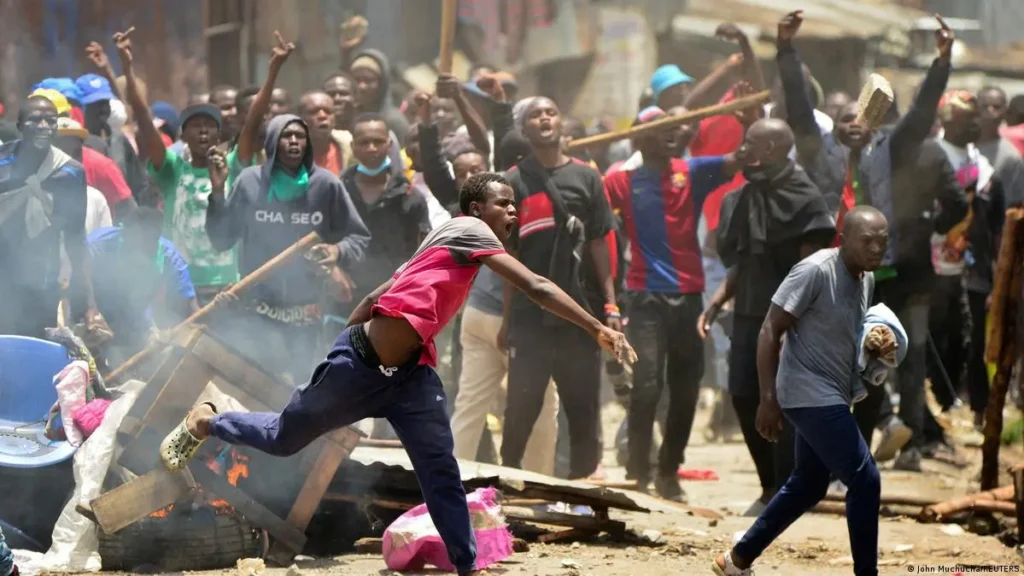
Victims of Protest Violence Given One Week to File Compensation Claims

By Andrew Kariuki

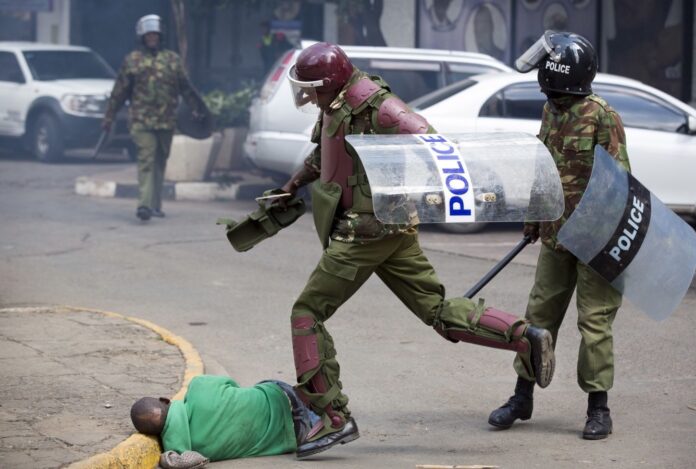
Victims of recent demonstrations have just one week left to report human rights violations for possible compensation, the Kenya National Commission on Human Rights has announced.

In a statement released on Friday, KNCHR Chairperson Claris Ogangah urged individuals injured during protests, as well as families who lost loved ones, to submit their claims before the April 3, 2026 deadline.

Ogangah said the commission is in the final stages of developing a national framework for compensation and reparations, noting that the remaining week of the 60-day reporting window is critical to ensure all legitimate claims are captured.

She described the current phase as the final opportunity for victims to document their cases, emphasizing the importance of comprehensive reporting to support the compensation process.

The framework is anchored on KNCHR’s constitutional mandate and is supported by a Gazette Notice, a court ruling, and a Presidential Proclamation directing the commission to develop and submit a reparations plan within 60 days.

Ogangah stressed that KNCHR remains the only institution mandated to receive and document protest-related human rights violation claims for purposes of compensation.

Victims have been advised to provide supporting documentation, including medical reports, P3 forms, police occurrence book (OB) numbers, and post-mortem reports where applicable.

Those unable to visit KNCHR offices physically can submit their claims through the commission’s digital platforms, including email, SMS, and social media channels.

The commission also directed victims to its Nairobi headquarters and regional offices across the country for assistance in filing claims.

KNCHR reassured the public that while the current exercise focuses on protest-related violations within the specified period, the commission will continue to handle other human rights cases beyond the deadline under its broader mandate.

Samsung introduces Galaxy Book6 series with Intel Core Ultra processors

Samsung has launched its Galaxy Book6 series in India, with prices starting at ₹1,27,990. The new series includes multiple variants, including the Galaxy Book6, Galaxy Book6 Pro and Galaxy Book6 Ultra, and is built around Intel’s Core Ultra Series 3 processors. These chips combine CPU, GPU and dedicated neural processing units (NPUs), enabling on-device AI tasks such as image editing, translation and search without relying on cloud processing.

Samsung claims the processors deliver up to 60 per cent faster CPU performance compared to previous generations, alongside AI acceleration of up to 50 TOPS (trillions of operations per second).

The Galaxy Book6 Ultra model also includes an NVIDIA GeForce RTX 5070 laptop GPU, aimed at users working with graphics-heavy workloads such as video editing, AI image generation and gaming.

To support sustained performance, the company has redesigned the cooling system across the range. The Pro and Ultra models feature larger vapour chambers and improved airflow systems, while the Ultra variant adds a dual-path outlet fan and heatsink setup to manage heat more effectively.

Battery life is another focus area. Samsung says the Book6 Ultra and Pro models can deliver up to 30 hours of video playback on a single charge, with fast charging capable of restoring around 63 per cent battery in 30 minutes.

The displays on the higher-end models use Dynamic AMOLED 2X panels with HDR brightness up to 1000 nits and adaptive refresh rates between 30Hz and 120Hz. Features such as Vision Booster and Gorilla Glass with DXC are designed to improve visibility outdoors and reduce reflections.

Audio has also been upgraded, particularly on the Ultra model, which includes a six-speaker system with Dolby Atmos support. The setup combines force-cancelling woofers and tweeters to deliver more balanced sound across different use cases, including video calls and media playback.

In terms of design, Samsung has reduced thickness across the range. The Ultra model measures 15.4mm, while the 16-inch Pro variant is 11.9mm thick. Internal components such as fans and hinges have been reworked to achieve a slimmer profile without reducing performance.

On the software side, the Galaxy Book6 series integrates AI-driven features across both Samsung’s ecosystem and Microsoft’s Windows platform. Tools such as AI Select, AI Cut Out and Note Assist are intended to streamline common tasks like translation, editing and summarisation.

The devices also support cross-device functionality, including file sharing, multi-device control and using a tablet as a secondary screen. Integration with Windows 11 and Microsoft’s Copilot+ PC framework adds AI-assisted features for productivity tasks such as writing and scheduling.

Security features include Samsung Knox for hardware-level protection and Windows 11 secured-core PC capabilities, aimed at enterprise users and those handling sensitive data.

“With an all-new cooling architecture, up to 30 hours of battery life, and a stellar multimedia experience, the Galaxy Book6 is engineered for power users who demand a workhorse that integrates cutting-edge hardware and software in an eye-catching durable design for enhanced creativity and streamlined efficiency,” said Raju Pullan, SVP, MX Business, Samsung India.

The Galaxy Book6 series will be available in India through Samsung’s online and offline retail channels in multiple configurations and colour options.

Galaxy Book6 Ultra: 16″ Ultra X7/7, 32GB RAM, 1TB storage, starting offer price is Rs. 242,990. Galaxy Book6 Pro, 14″/16″ Ultra X7/7/5, 16GB/32GB RAM and 512GB/1TB storage, starting offer price is Rs 178,990. Galaxy Book6, 14″/16″ Ultra 7/5, 16GB/32GB RAM and 512GB/1TB storage, starting offer price is Rs 127,990.

By Mary Munywoki

Four Men Convicted in Violent Rongai Robbery, Each Sentenced to 25 Years

By Peter John

The Director of Public Prosecutions (DPP) has secured a major conviction after four men were found guilty in a violent robbery case in Rongai Sub-County, Nakuru County.

The Molo Magistrate’s Court convicted Knab Ouma Obach, Abraham Isaac Oriosa, Dennis Nyariki Nyareeru, and James Changamu Nchore on multiple serious charges, including robbery with violence, rape, and indecent acts involving both a child and an adult.

The court heard that on the night of June 24, 2023, at around 8:00 p.m., the four, alongside accomplices still at large, attacked a home in Roret Nashville Village while armed with dangerous weapons such as a pistol, slasher, hammer, hacksaw, and knife.

During the incident, they violently robbed Rhoda Kwamboka Nyambati of household goods, electronics, clothing, gas cylinders, poultry, and cash totaling KSh 166,000.

Prosecution, led by Principal Prosecution Counsel Peninah Owando, presented compelling evidence that placed the accused at the scene and demonstrated their coordinated involvement in the attack.

In its ruling, the court found that the prosecution had proved its case beyond reasonable doubt, leading to the conviction of all four accused persons.

Each of the convicts was sentenced to 25 years in prison.

Senator Miraj Wants Memorial for Victims of the Ferry Tragedy, Likoni

Senator Miraj Abdillahi has presented a motion in the Senate House seeking for a thorough investigation to determine the number of families affected following the 1994 Likoni ferry tragedy.

Senator Miraj wants the investigation to be done to ensure that all victims get justice.

“The Senate Standing Committee on Roads, Prosecution and Housing should conduct a thorough investigation to determine the number of families affected, the compensation paid so far, any pending claims and to determine which families are yet to receive compensation and the reasons for non-payment of such compensation,” said Senator Miraj.

He explained that despite the assurances and promises made by various authorities following the pandemic, there are still doubts about whether the compensation was fully and fairly paid to all the affected families.

Aidha, the Senator of the UDA Party has called on the County Government of Mombasa in collaboration with the Ministry of Roads and Transport to establish a permanent memorial in honor of the victims of the 1994 Likoni ferry accident.

“The establishment of a national memorial is an important step to honor and honor those who lost their lives and is also a way to promote collective social healing and strengthen the nation’s responsibility to its citizens,” noted Senator Miraj.

Similarly, the Special Senator expressed condolences about the April 29, 1994 tragedy, stressing the importance of keeping lasting memories of the victims as a way to honor and remember them.

“The Likoni ferry accident tragedy resulted in death and injuries to innocent citizens, many of them residents of Likoni and Mombasa County and thereby bringing great national grief and long term physical, psychological, social and economic damage to the families who lost loved ones and survivors,” explained Senator Miraj.

By Anthony Solly

Microsoft launches AI skills programme to empower women in digital economy

Microsoft has officially launched the AI Skills 4 Women programme in Kenya, a new initiative aimed at equipping women with the knowledge and tools needed to thrive in the rapidly evolving digital economy.

The launch took place on the sidelines of the TECSummit 2026, in collaboration with partners including Konza Technopolis, marking a significant step toward addressing the gender gap in technology and innovation.

The AI Skills 4 Women programme is a free online course designed to cater to participants at all skill levels, offering training in key areas such as artificial intelligence fundamentals, prompt engineering, cybersecurity, data analytics, and leadership. The initiative is structured to provide a comprehensive and practical learning pathway for women seeking to build or advance careers in digital fields.

In addition to the training, participants who successfully complete the final challenge will have the opportunity to earn one of 150 scholarships for a three-month AI and innovation programme delivered in partnership with Founderz and Microsoft.

The programme underscores Microsoft’s broader commitment to digital inclusion and capacity building, particularly in empowering women to take active roles in shaping the future of technology. It also aligns with ongoing efforts across the region to strengthen digital skills and expand access to opportunities within the technology ecosystem.

By focusing on accessibility, practical skills development, and career advancement, the initiative is expected to contribute to a more inclusive digital workforce while supporting innovation and economic growth in Kenya and beyond

By Mary Munywoki

Three charts that are warning signs flashing for Trump on Iran war

By Stacy Boit,

President Donald Trump’s popularity among the American public has been eroding steadily since he returned to the White House last January.

While some of this is typical for second-term American presidents, Trump’s initial decline also reflects ongoing public dissatisfaction with high prices and cost of living issues that have propelled Democrats to wins in a growing number of elections over the past year.

According to data by election analysis website The Downballot, Democrats did an average of 13% better in contested special elections in 2025 than they did in the same districts during the 2024 presidential election.The war in Iran has only exacerbated these economic concerns.

Polling company Ipsos found that 43% of the American public approved of Trump’s handling of the economy at the start of his second term. By 23 June 2025, the number had dropped to 35%, a level it hovered around for the rest of the year.

Three weeks into the Iran war, gas prices have surged to an average near $4 a gallon, as seen in the chart below.Trump’s economic approval rating, meanwhile, has fallen to 29%.

That was lower than any mark for Joe Biden during his four years in the White House, when Americans faced a post-Covid pandemic inflation spike.

Economic anxiety contributed to Democratic defeat in 2024 and Republicans controlling the presidency and both chambers of Congress for the past year. Now it appears to be creating a drag on Trump’s net approval.

At the start of his second term, according to a polling average by political analyst Nate Silver, Trump enjoyed 52% approval.

While it wasn’t the kind of political honeymoon many past presidents have enjoyed, support from a majority of Americans after a contentious election allowed Trump to claim an electoral mandate and push ahead with his sweeping political agenda on immigration, tariffs, government cuts and tax reform.

By 28 February, at the start of the Iran war, however, only 42% of Americans had a positive view of president. This week, that mark had sagged to 40%, as shown in the chart below.

That is dangerous territory for an incumbent president just seven months from midterm congressional elections. The longer the Iran war stretches on, and the longer it disrupts the global economy and pushes consumer prices up, the greater the risk may be.

At this week’s Conservative Political Action Conference (CPAC), a gathering near Dallas, Texas, of right-wing politicians, activists and highly engaged voters, the stakes in November’s elections were a common topic of discussion.

“We cannot let the left win this election cycle and take away this agenda that we are fighting for every single day,” said Michael Whatley, North Carolina Senate candidate and former chairman of the Republican National Committee.

He warned that with Democrats back in control, “it is impeachment, it is hoaxes, it is investigations and an agenda that is off the rails”.

That the president’s approval rating since the start of the war hasn’t had a more precipitous drop could be because while a majority of the public opposed the US military intervention from the beginning, Trump’s political base has continued to back him despite economic concerns, according to figures below tabulated by the Pew Research Center.That certainly was on display at CPAC in Texas.

“It’s better to pay more now than to pay a lot more later on,” Paul Heere said of rising US petrol prices. “I don’t think you want to have yet another country in that region have nuclear weapons, so you got to pay that price.”

A recent Quinnipiac poll found 86% of Republicans support the US military action in Iran and 80% approve of how Trump is handling it. Among all registered voters, those numbers drop to 39% and 34%, respectively.

Democrats have largely opposed everything Trump has done since returning to the White House. But now independent voters appear to be turning against him, as well.Winning over independent voters was one of the keys to Trump’s victory in 2024.

Unless the current political dynamics change, independent antipathy could contribute to his party’s potential undoing in November.


House Committee Steps up Peace Drive in Isiolo County

The National Cohesion and Equal Opportunities Committee took its peace and cohesion drive to troubled Isiolo County, where it held a meeting with stakeholders to find ways of restoring peace in the region.

During a meeting chaired by Hon. Adan Yussuf Haji at the Catholic Diocese of Isiolo Hall, the Committee engaged with security personnel, clergy, and civil society groups, among others, on security matters.

“The Committee acknowledges the willingness and support of stakeholders in addressing the root causes of insecurity, with a view to resolving the problem permanently,” said Hon. Haji.

He added that the meeting agreed on far-reaching priorities to address the current peace, security, and cohesion challenges in Isiolo County.

The leaders proposed strengthening security operations and disarmament through well-coordinated efforts to address banditry and cattle rustling.

It was also agreed that the recovery of stolen livestock should be improved and accountability in operations ensured.

The Chair noted that the meeting called for the deployment and strengthening of national government administrative units in high-risk areas to improve presence and response.

On infrastructure development, stakeholders urged the government to prioritise the opening, upgrading, and maintenance of roads to improve access to remote and conflict-prone areas.

“The use of new technology is key to the fight against crime. The meeting therefore proposed strengthening intelligence gathering, surveillance, and the use of technology in security operations,” Hon. Haji explained.

Other priority areas identified during the meeting include the promotion of education and community awareness, climate change mitigation and natural resource management, youth empowerment through job opportunities, strengthening community-based peace and security structures, support and compensation for affected persons, and the issuance of title deeds to landowners, among others.

MPs present included Hon. Dick Maungu (Luanda), Hon. Eng. Paul Nzengu (Mwingi North) and Hon. Joseph Lomwa Samal (Isiolo North).

By Anthony Solly

Panic buying prompts PM to reassure Australians over fuel supply

By Stacy Boit,

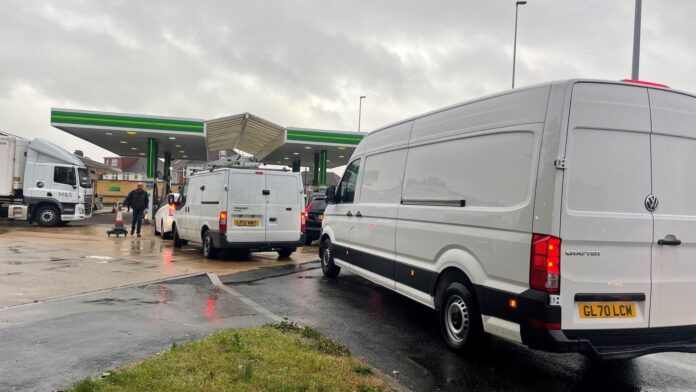
Prime Minister Anthony Albanese has sought to reassure Australians that the country’s fuel supply remains “secure” as prices soar and following reports of panic buying and petrol stations running dry since the start of the Iran war.

“The longer this war goes on, the greater the impact will be. But we continue to act to prepare and shield Australians from the worst of it,” Albanese told reporters on Friday.

There have been reports of truck drivers and other motorists stranded, while businesses say rising costs are affecting their viability.

The government says demand and distribution issues have caused shortages rather than supply, which it says remains at the same level as before the war began.

“For the next few weeks, Australia’s supply of petrol and diesel and oil will be the same, if not higher, than it normally would be,” Energy Minister Chris Bowen said alongside Albanese.

In Cairns, Queensland, the BBC found a small independent garage that tells a pretty typical story in Australia. It has run out of unleaded petrol and the price of diesel is 85% higher than it was before the war in Iran started.

In New South Wales, Australia’s most populous state, one in seven retailers say they are out of at least one type of fuel.

Australia has experienced steep price rises since the US and Israel attacked Iran and the Strait of Hormuz was closed, causing the price of oil to jump.

The average retail price of petrol reached 238 Australian cents ($1.64; £1.23) a litre as of Sunday compared to 171 cents four weeks earlier, according to the Australian Institute of Petroleum.

The price of diesel in Sydney has meanwhile risen to the 314.5 cents a litre as of Thursday, according to the National Roads and Motorists’ Association (NRMA), its highest ever price.

Hundreds of petrol stations across the country have reported running out of at least one type of fuel this week.

But shortages are due to people changing their buying habits, NRMA spokesperson Peter Khoury told the BBC. “People are filling up jerry cans of fuel and storing it in their garages,” he said.

“We’re hearing increasingly of transport companies telling their drivers that if you’re half full and you see diesel, buy it.”

Independent petrol stations were struggling to get fuel because they do not buy on long-term contracts which are prioritised by the oil companies, he added.

Albanese is expected to hold an emergency national cabinet meeting on Monday to work out a response to manage the fuel crisis.

The government, which has so far ruled out any form of rationing, has also sought to alleviate shortages by releasing oil from the national stockpile and lowering fuel standards.

Friday’s statements came a day after a cyclone in western Australia triggered outages at two of the world’s largest LNG plants, adding further pressure to the global market.

The two plants, Gorgon and Wheatstone, supply about 5% of the global market, according to Chevron.

Create a free account, or log in.

Gain access to read this content, plus limited free content.

Yes! I would like to receive new content and updates.

Sponsored Ad

Ad 1
Ad 2
Ad 3
Ad 4
Ad 5
Ad 6