Sponsored Ad

Ad 1
Ad 2
Ad 3
Ad 4
Ad 5
Ad 6
30.4 C
Kenya
Thursday, May 14, 2026
Home Blog Page 201

Gachagua Praises Youths as He Leads ‘Niko Kadi’ Crowd to IEBC Offices

Democracy for the Citizens Party Leader Rigathi Gachagua, on Thursday, March 26, showered Kenyan youths with praise over the Tuko Kadi voter registration drive.

Speaking in Nyeri County, Gachagua stated that he was proud to be associated with the campaign and acknowledged that the youth were in the driver’s seat to bring change to the country.

He endorsed the movement as he led a group of youths to the Independent Electoral and Boundaries Commission (IEBC) officers in Mathira Constituency to register as voters.
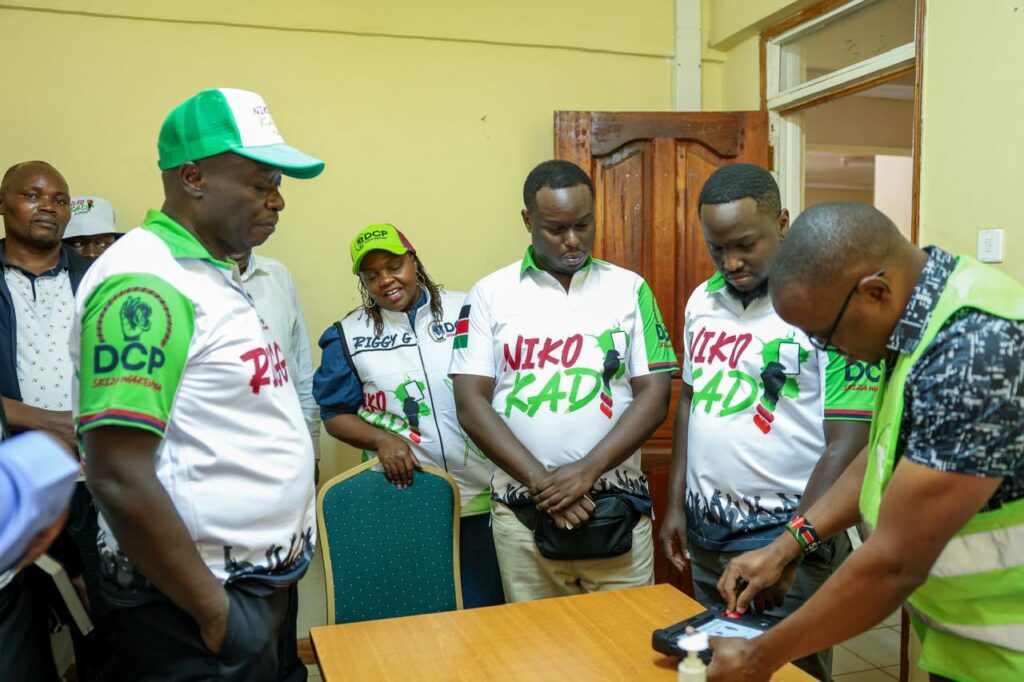
The former Deputy President expressed great faith in the youth, whom he claimed were incompromisable.

“I am very happy to be associated with this movement, and I have absolute faith in our young people. I love them, I trust them, and I know that they will do this country proud.

“They are incorruptible; they cannot be bribed with beans and rice or handouts. They will make the right decision, which is good for the benefit of this country,” he stated.

Gachagua called on the youths to not only register as voters but also turn up in large numbers to cast their vote in the general elections.
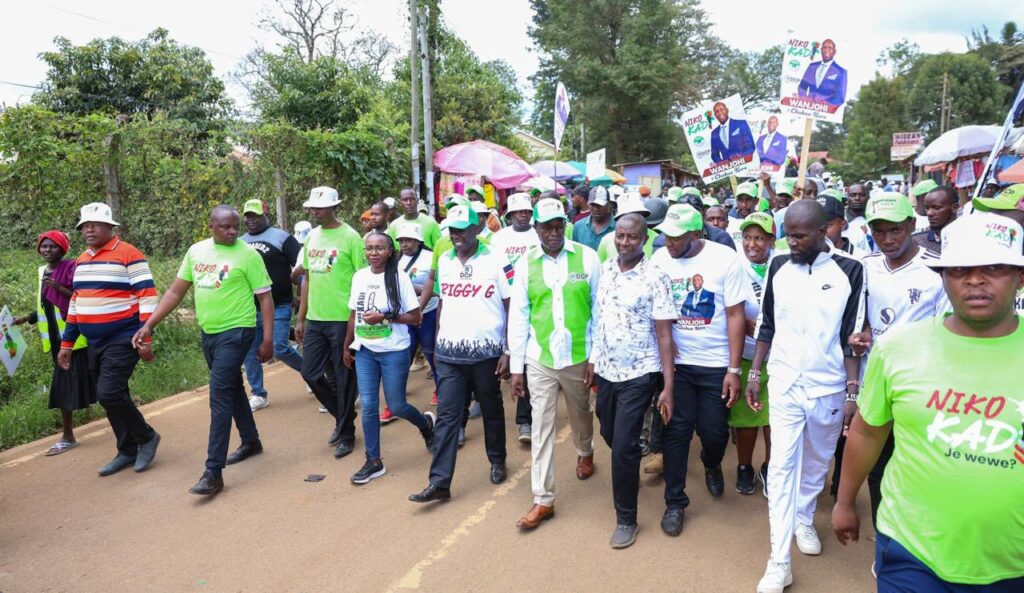
He argued that the polls slated for August 10, 2027, will enable them to achieve what they intended to do during the anti-government protests.

“This vote will enable them to take action on what they wanted in June 2024 when we had the Gen Z protests.  They wanted transparency, accountability, good governance, education, good health and a country governed by the rule of law,” the DCP leader added.

The DCP presidential flagbearer estimated the youth vote at 6 million, stating that if added to the pool of votes against President William Ruto, will be enough to send him packing.
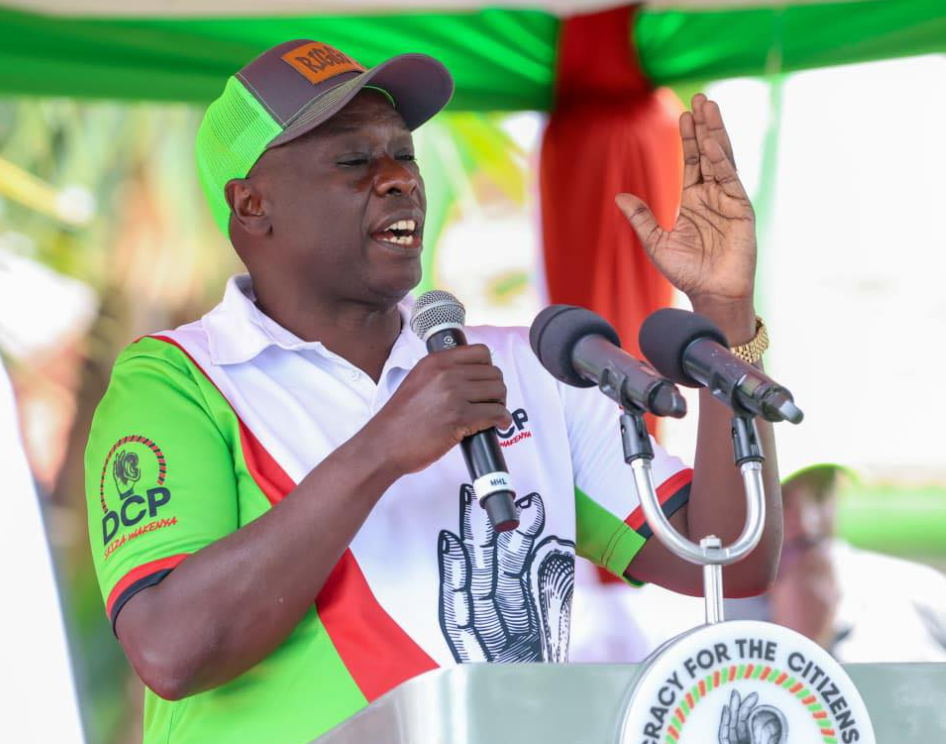
Gachagua was accompanied by his wife, Pastor Dorcas Rigathi, and their two sons to the IEBC voter registration station.

The four confirmed that they were on the voter register and verified their biometrics.

The Tuko Kadi campaign is a mass voter registration drive targeting the youth. The movement hopes to get as many young Kenyans as possible to register as voters and participate in the elections.

IEBC confirmed that it had registered 150,000 new voters even before the mass registration exercise began. The exercise is expected to officially begin on March 29, 2026.
Political Party Tribunal Dismisses Sifuna’s Case, Orders ODM Dispute to Be Handled Internally

By Andrew Kariuki

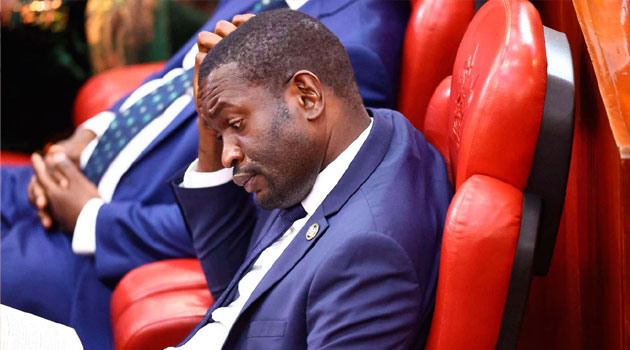
The Political Parties Disputes Tribunal has dismissed a case challenging the removal of Edwin Sifuna as Secretary General of the Orange Democratic Movement (ODM), dealing a setback to the Linda Mwananchi faction within the party.

In a ruling delivered on Thursday, March 26, the tribunal’s acting chairperson Gad Gathu held that the tribunal lacked jurisdiction to hear the matter, citing failure by the complainant to first exhaust the party’s Internal Dispute Resolution Mechanisms (IDRM).

“The complainant and the first respondent shall attempt to resolve the dispute through the first respondent’s IDRM mechanisms. Parties are encouraged to submit to IDRM in good faith,” Gathu ruled.

He further stated that the tribunal could not exempt the dispute from the requirement to first pursue internal mechanisms, as provided under Section 40(2) of the Political Parties Act.

“The Tribunal therefore finds that it does not have powers to exempt a dispute from the requirement to attempt IDRM and thus cannot assume jurisdiction to hear and determine this dispute,” he added.

Sifuna had moved to the tribunal seeking to block his ouster following a February 11 resolution by the ODM National Executive Committee (NEC) to remove him from office.

ODM, through acting Secretary General Catherine Omanyo, maintained that the decision followed deliberations on Sifuna’s conduct.

“Having deliberated on matters relating to the conduct of Secretary General Edwin Sifuna, the NEC resolved to remove him from office effective immediately,” Omanyo stated.

Earlier, the tribunal had granted interim orders suspending the gazettement of Sifuna’s removal pending the hearing of the case, temporarily halting implementation of the NEC resolution.

“That pending the hearing and determination of this instant application, this honourable tribunal hereby issues orders staying the implementation of the resolution made by the National Executive Committee,” the tribunal had ruled at the time.

The latest decision now directs the parties back to ODM’s internal processes, effectively pausing the tribunal proceedings unless the dispute remains unresolved at the party level.

The ruling comes just hours before ODM’s Special Delegates Convention scheduled for Friday, March 27, at Jamhuri Grounds in Nairobi, where key party matters are expected to be discussed.

Among the issues on the agenda is the possible reinstatement of Oburu Odinga as party leader, alongside deliberations surrounding Sifuna’s removal.

Meanwhile, the dissenting Linda Mwananchi faction has announced plans to boycott the convention and instead hold a parallel National Delegates Convention, signaling deepening divisions within the party.

Meta, YouTube Ordered to Pay Ksh 389 Million in Landmark Social Media Addiction Case

By Andrew Kariuki

A U.S. jury has ordered tech giants Meta Platforms and Google to pay a combined $3 million in damages to a 20-year-old woman in a landmark case linking social media use to mental health harm.

The plaintiff, identified in court as “Kaley,” sued multiple platforms in 2023, including Instagram, YouTube, TikTok and Snap, alleging that their products were deliberately designed to be addictive and contributed significantly to her mental health struggles.

The Los Angeles jury found Meta and Google liable, ruling that the companies were negligent in the design of Instagram and YouTube and failed to provide adequate warnings about potential harm to young users.

Kaley argued that her early exposure to the platforms led to compulsive use, which worsened her depression and contributed to psychological conditions including social phobia and body dysmorphic disorder.

During the trial, licensed therapist Victoria Burke testified that she diagnosed Kaley with the conditions at age 13 and concluded that her social media use was a “contributing factor” to her deteriorating mental health.

The court awarded $3 million in compensatory damages, along with an additional $3 million in punitive damages, bringing the total award to $6 million.

Under the ruling, Meta will bear 70% of the liability, amounting to $2.1 million, while Google will pay the remaining 30% , equivalent to $900,000.

Reacting to the verdict, Meta said it would challenge the decision.

“We respectfully disagree with the verdict and will appeal. Teen mental health is profoundly complex and cannot be linked to a single app,” the company said in a statement, adding that it remains committed to protecting young users online.

Google also rejected the findings, stating that the case mischaracterised YouTube.

“This case misunderstands YouTube, which is a responsibly built streaming platform, not a social media site,” a company spokesperson said.

Legal experts say the case is significant as it marks one of the first successful lawsuits holding social media companies accountable for alleged addictive design and its impact on mental health.

The ruling is expected to set a precedent, with dozens of similar cases currently pending across the United States, potentially reshaping how courts assess liability in the digital age.

Kenya and Singapore Continue to Strengthen their Partnership

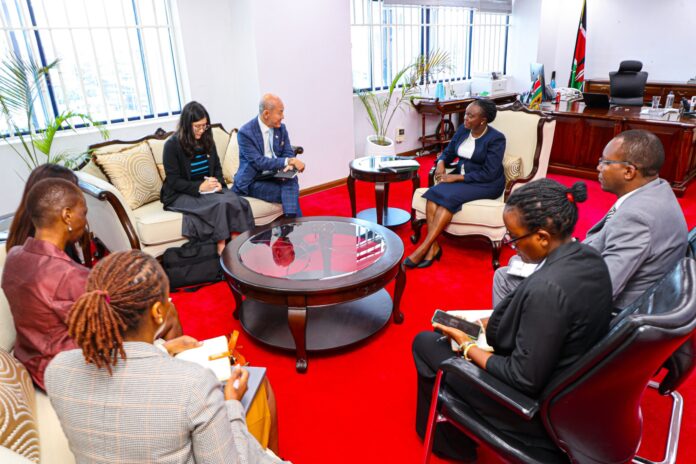
Kenya and Singapore continue to strengthen their partnership as forward-looking nations committed to sustainable development and climate action. Our collaboration reflects a shared determination to harness innovation, build resilience and unlock green growth opportunities for our people. Together, we are advancing practical solutions that respond to global environmental challenges while delivering tangible national benefits.

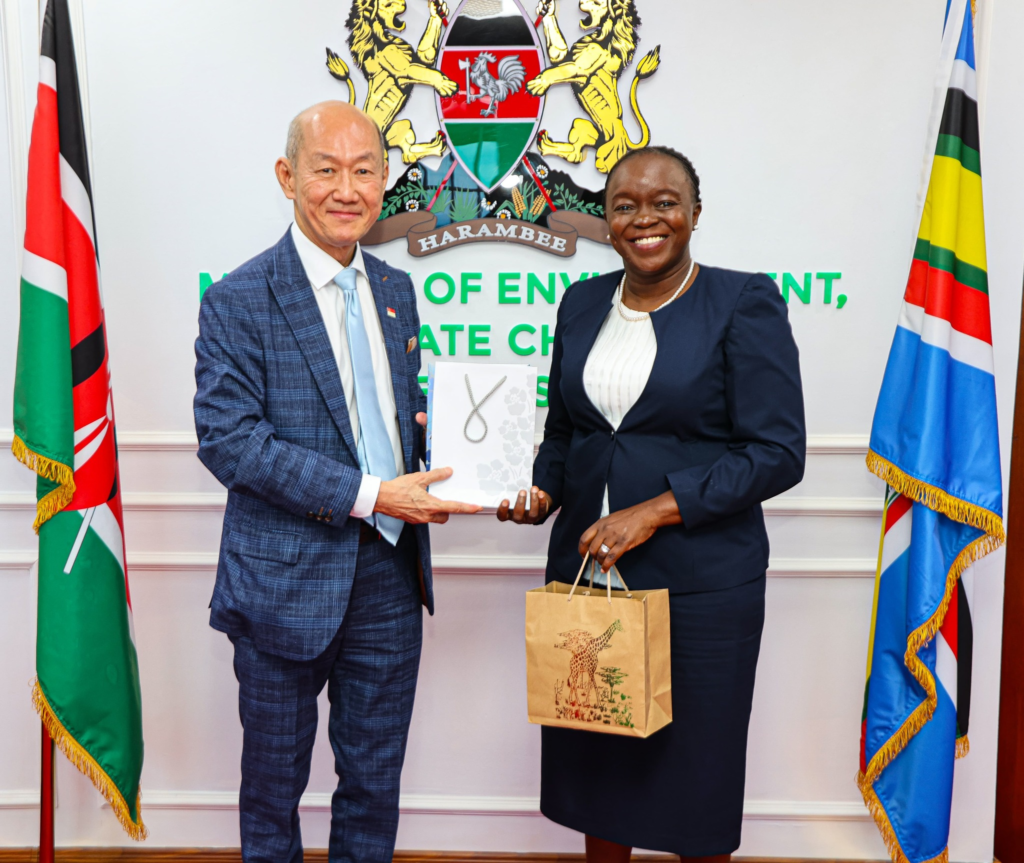
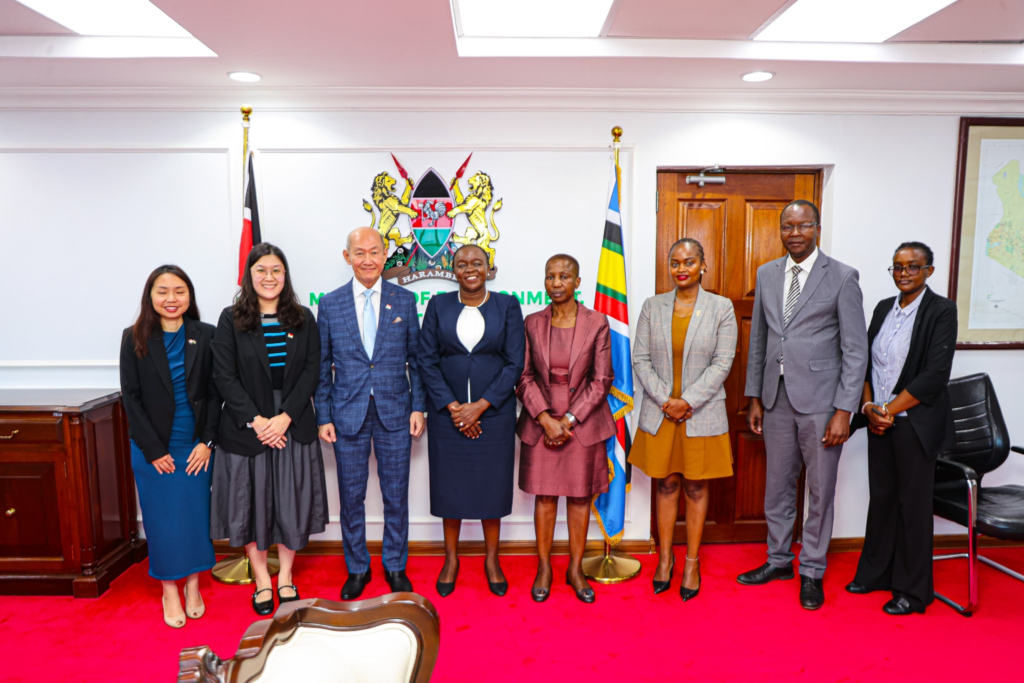
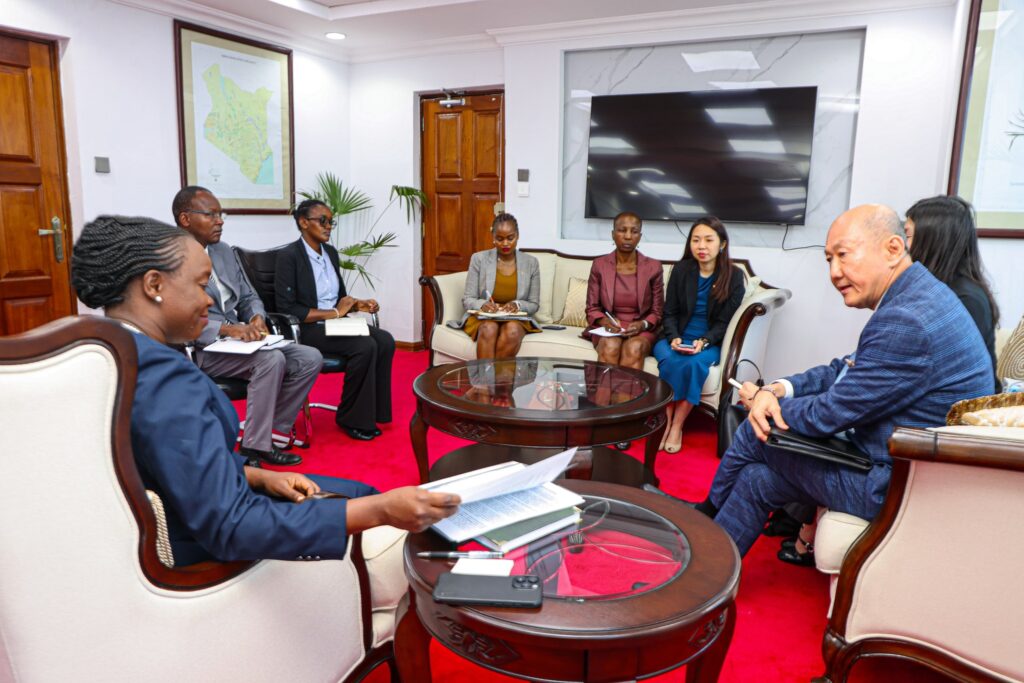
I today held a high-level bilateral meeting with the High Commissioner of Singapore to Kenya, H.E. Dr. Kan Yaw King, marking a significant step in strengthening Kenya–Singapore relations within the environmental and climate action agenda. The engagement drew from the broader framework of Kenya–Singapore bilateral cooperation, as outlined in the Executive Brief on Kenya–Singapore Bilateral Relations and focused on enhancing collaboration in sustainable development, climate resilience and green growth.

During the meeting, both parties underscored the importance of deepening diplomatic and technical partnerships, building on existing cooperation mechanisms such as the Kenya–Singapore Political Consultations and engagements under the Singapore–Africa Ministerial Exchange Visit (SAMEV). I highlighted Kenya’s commitment to advancing climate action through initiatives such as large-scale reforestation, ecosystem restoration and the implementation of progressive climate policies under the Climate Change Act.

The High Commissioner reaffirmed Singapore’s interest in supporting Kenya’s environmental priorities, particularly in areas of innovation, capacity building and sustainable infrastructure development. Discussions also explored opportunities for knowledge exchange in urban environmental management, green financing and the adoption of smart technologies to address climate challenges.

The meeting further emphasized our shared vision of promoting multilateral cooperation and leveraging partnerships to achieve global climate goals. It concluded with a commitment to strengthen institutional linkages and explore new avenues for collaboration that will deliver tangible environmental and socio-economic benefits for both nations.

By Anthony Solly

Nairobi Hospital Board Member Lekek Chebii Resigns

The governance turbulence surrounding The Nairobi Hospital has taken a new turn following the resignation of board member Lekek Chebii, who has stepped down with immediate effect, citing personal reasons that he says now limit his ability to discharge his duties effectively.

His departure comes at a time when the institution remains under intense public scrutiny over leadership disputes, regulatory battles, and allegations of political interference in the management of one of Kenya’s most prominent private hospitals.

In a resignation letter addressed to the Board of the Kenya Hospital Association (KHA), which owns and operates The Nairobi Hospital, Chebii formally communicated his exit as “a member of the Board of The Kenya Hospital Association T/A The Nairobi Hospital, effective immediately.”

He stated that personal circumstances had made it impossible for him to devote the time and attention required to fulfil his responsibilities.

Chebii expressed gratitude for the opportunity to serve, noting that it had been a privilege to contribute to the governance and strategic direction of the Association and to work alongside what he described as a dedicated team.

His resignation comes against the backdrop of a prolonged governance crisis at the hospital, which has in recent months drawn in the courts, regulatory agencies, and even the Office of the President.

Reports from multiple outlets indicate that the institution has been grappling with internal disputes over board composition, allegations of coercion, and competing claims about attempts to influence the hospital’s leadership.

Earlier this month, former Public Service Cabinet Secretary Justin Muturi alleged that senior government officials had exerted pressure on board members to resign, claims that have intensified public debate about the autonomy of private health institutions and the boundaries of state involvement in their governance.

Chebii’s resignation adds to the uncertainty surrounding the stability of the board at a time when the hospital is navigating both internal and external pressures.

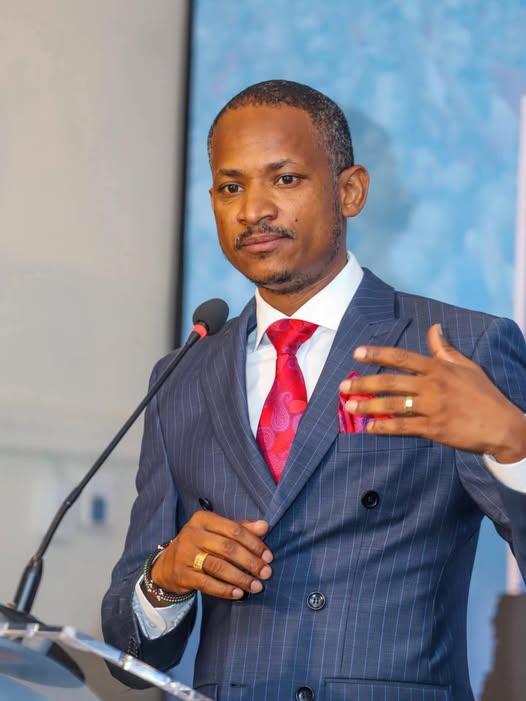
Babu Owino Launches Initiative to Return Expelled Students to Universities

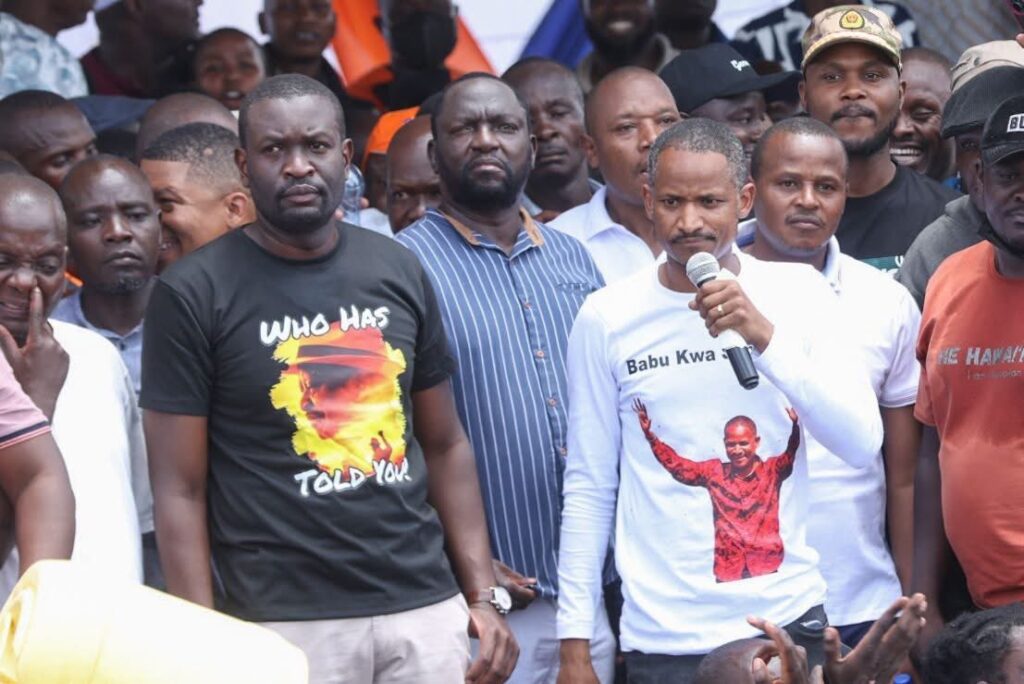
Embakasi East MP Babu Owino has unveiled a new initiative aimed at reinstating university students he claims were unfairly expelled.

The legislator announced the program as part of a broader push to address what he described as systemic injustices within Kenya’s university disciplinary processes.

According to Owino, many students have been locked out of classrooms due to what he termed “harsh, inconsistent, and sometimes politically influenced decisions.”

At the heart of the initiative is a commitment to advocate for students who were expelled or suspended under questionable circumstances. Owino says the program will involve legal support, case reviews, and direct engagement with universities to facilitate reinstatement.

“Education is a right, not a privilege reserved for the few,” he said during the announcement.

The initiative is expected to target cases where students were expelled over protests, administrative disputes, or alleged misconduct that may not have been thoroughly investigated.

Student leaders and activists have often accused administrations of imposing blanket punishments, particularly during periods of unrest. Expulsions linked to demonstrations, strikes, or clashes with authorities have sparked repeated debates over whether institutions strike the right balance between maintaining order and protecting student rights.

Known for his strong stance on youth and education matters, the MP has previously positioned himself as an advocate for students’ rights.

Details on how students can access the initiative are expected to be released in the coming days, including application procedures and eligibility criteria.

Babu further asked the chairperson of the National Assembly Education Committee Mr Julius Melly to summon university heads to explain why they have repeatedly infringed on the right to education of the students.

“All suspended/Expelled comrades in ALL Universities/colleges will soon go back to class. I have petitioned the National Assembly to respect comrades constitutional right to education for it is my belief that we all deserve a second chance to make right or wrongdoings,” posted Babu Owino.

Kenyan national facing deportation from the U.S. after rape conviction in Baltimore

A Kenyan national who has lived illegally in the United States for over two decades is facing deportation.

This is after he was arrested by the US Immigration and Customs Enforcement (ICE) following a rape conviction in Baltimore County, Maryland.

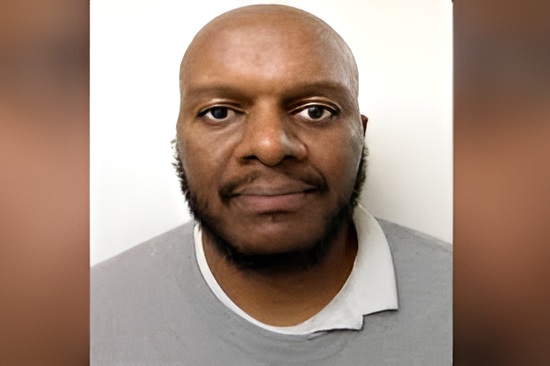
Jackson Kabut Gichema, 48, was detained by ICE agents in Baltimore County and is currently being processed for removal back to Kenya.

According to US immigration officials, Gichema arrived in the country on a visitor’s visa in 2003 but overstayed his authorised period of stay.

He was living in the country without legal immigration status for more than 20 years.

 ICE @EROBaltimore arrested Jackson Kabut Gichema, a criminal illegal alien from Kenya, convicted of rape in Baltimore County. Gichema entered the U.S. on a visitor’s visa in 2003, but failed to depart after his stay. He has a final order of removal and will remain in ICE custody,” ICE stated on X on Tuesday, March 24.

He has a final order of removal and will remain in ICE custody.

Court records show that Gichema previously attempted to appeal his rape conviction before the Maryland Court of Special Appeals in 2011, but the appeal failed to overturn the ruling.

He had since been held at various Maryland Department of Corrections facilities, most recently at the Hagerstown site, before being transferred to immigration detention.

Although immigration authorities had issued a final removal order against him, enforcement of that order had not been carried out until now, a situation that mirrors the experience of many undocumented individuals in the country.

His arrest comes as part of a broader crackdown by ICE under President Donald Trump’s administration, which has made illegal immigration a central policy priority, with the agency reporting hundreds of arrests involving individuals with criminal records in Maryland alone since the beginning of 2026.

An ICE spokesperson made clear the intent behind such operations, stating that the operations target public safety threats, including those convicted of violent sex crimes.

Details regarding the victim and the specific circumstances of the offense were not disclosed in the ICE announcement, as local law enforcement in Maryland had managed the initial investigation and prosecution.

Gichema currently remains in ICE custody with a confirmed final order of removal, and authorities say he will be held until his deportation from the United States is arranged.

KRA to flag mobile transactions in new crackdown on nil tax returns

The Kenya Revenue Authority (KRA) has disclosed that it is stepping up scrutiny of mobile money transactions in a fresh crackdown targeting taxpayers who file nil returns.

The development comes in the wake of growing concerns that some individuals may be underreporting income despite active financial activity on mobile money payment platforms.

Speaking on Wednesday, March 25, during a Creative Engagement on Fiscal Justice with the Youth and Media, FCPA Maurice Oray, Deputy Commissioner in the Policy and Tax Division, revealed that KRA is ramping up efforts to monitor all sources of income after observing a trend among sections of Kenyans who file nil returns.

According to Oray, the monitoring now includes transactions conducted on mobile money platforms, noting that the authority already holds significant financial data on taxpayers and will increasingly use this information to verify declarations.

“As you file nil returns, KRA has information and details about your financial activities. We are not stopping you from filing nil returns, but we will inform you of transactions you made, especially through mobile money,” Oray stated.

Under the new approach, KRA will introduce pre-filled tax returns, where known income streams will already be captured in the system.

Taxpayers will then be required to confirm whether the information is accurate or provide an explanation if they dispute the figures indicated.

“If you agree with the pre-filled data, the process moves forward seamlessly. But if you say no, you must justify the discrepancy,” he added, pointing to tighter compliance measures for individuals declaring zero income despite recorded transactions.

Oray further disclosed that starting this year, KRA intends to track all income streams more comprehensively as part of wider reforms aimed at simplifying tax filing while enhancing accountability and reducing tax evasion.

This also comes at a time when the taxman had initially closed the nil payment option to validate and realign its systems.

The Deputy Commissioner also encouraged the public to file their returns in time and dismissed concerns that the nil returns option is not functional.

“We are not stopping you from filing nil returns, but we will flag transactions you have made, especially via mobile money,” he said.

Mombasa Buildings Shut Out Disabled People as Senators Demand Enforcement

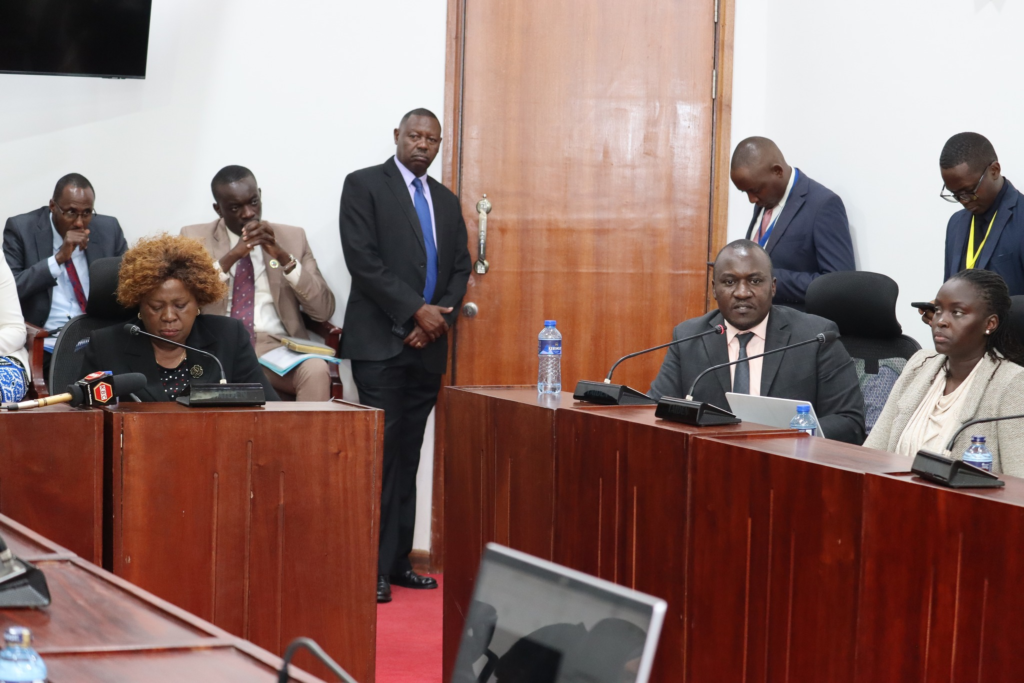
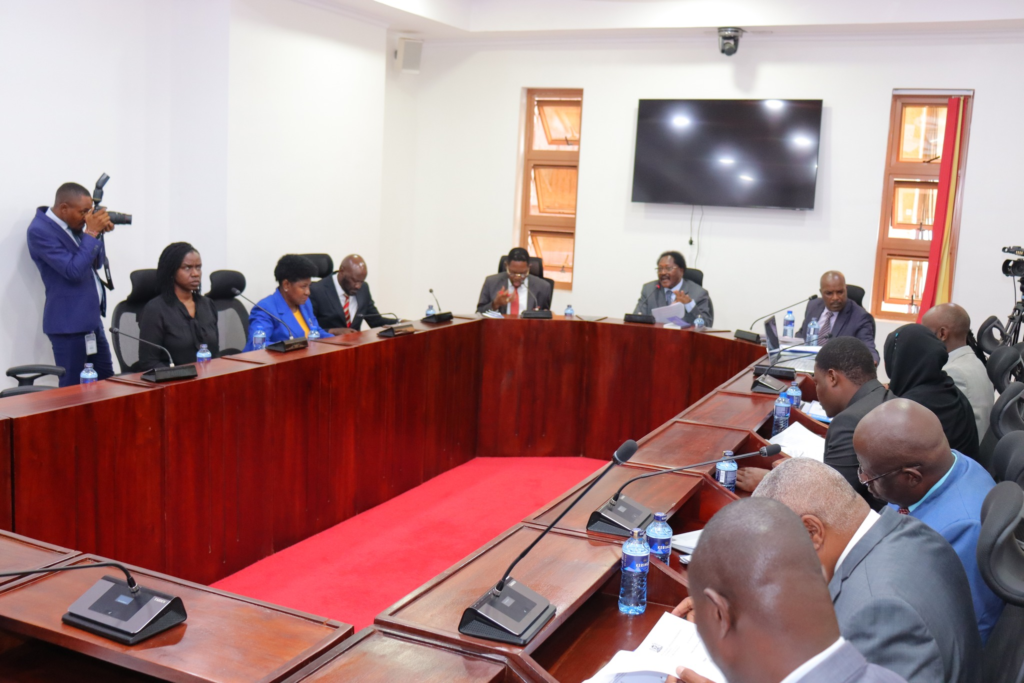
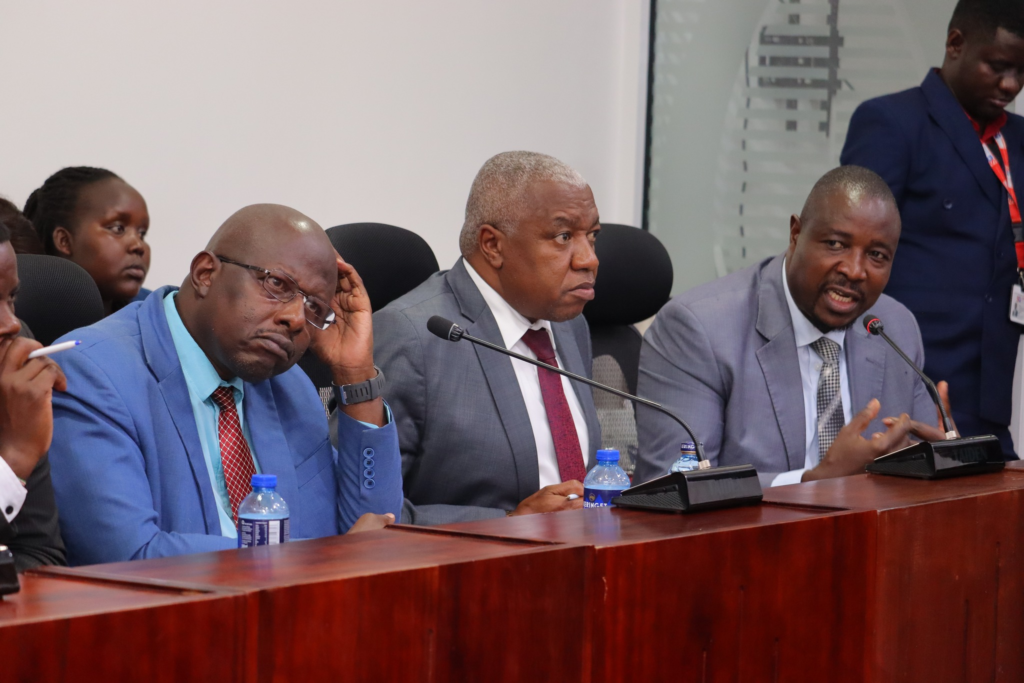
Public buildings in Mombasa are excluding Persons With Disabilities (PWDs), Senators have said, as the Ministry of Lands admitted enforcement gaps, weak county capacity and funding constraints continue to undermine accessibility laws.

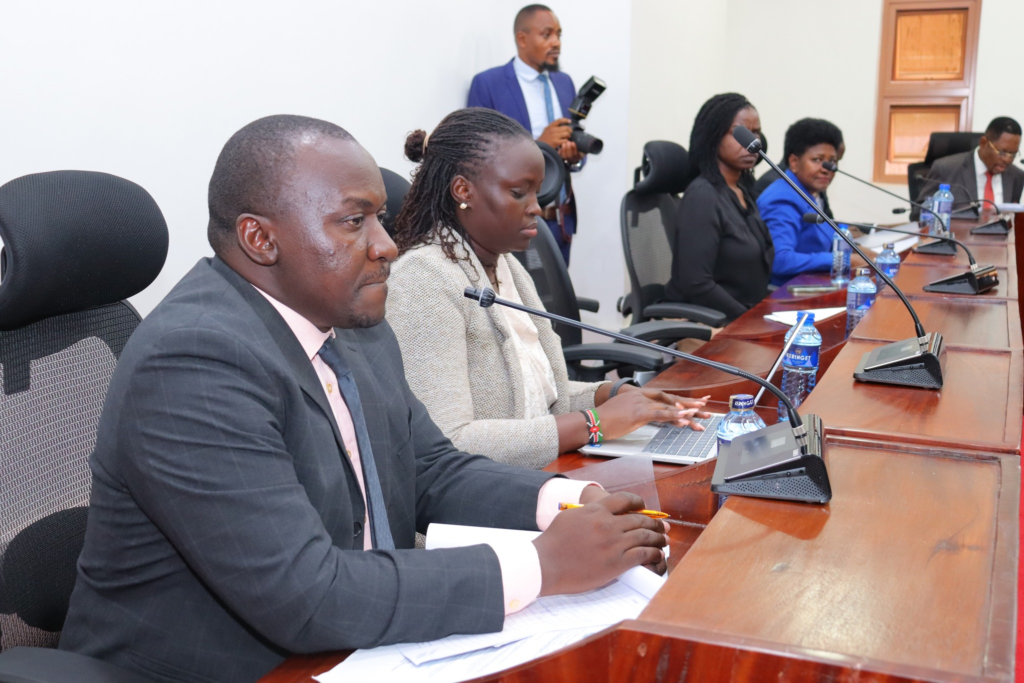
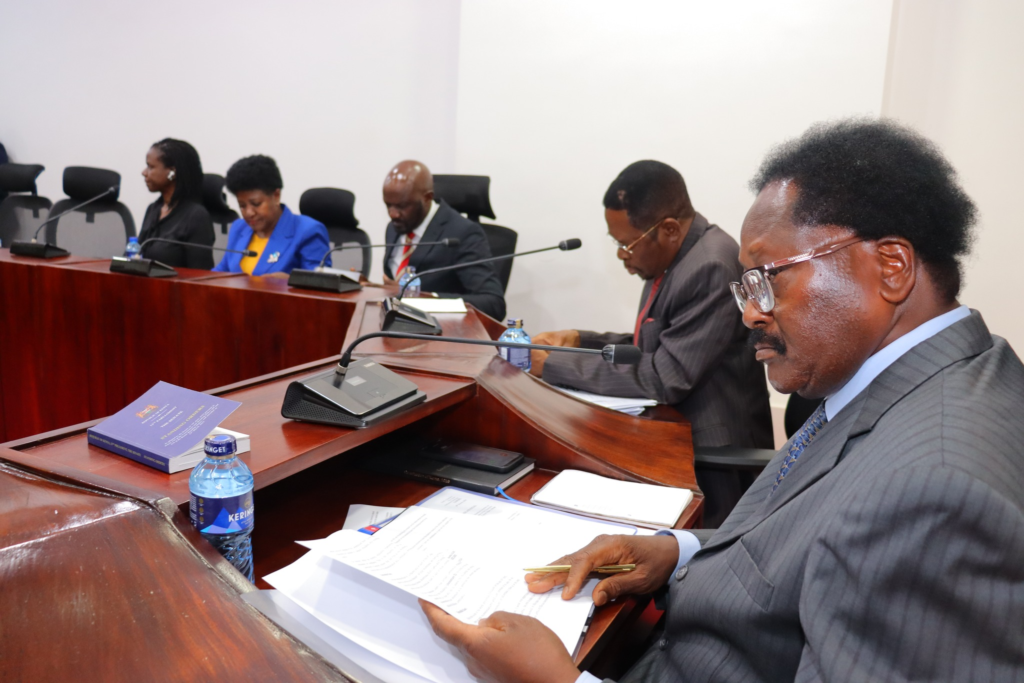
The Senate Committee on Labour and Social Welfare, chaired by Sen Julius Murgor (West Pokot), heard that at least seven buildings — including Bima Towers, the Mombasa County Assembly, the Office of the Deputy County Commissioner and Mombasa Law Courts — remain non-compliant, effectively barring access to essential services.

“Persons with disabilities are not accessing any of these buildings, an infringement of their constitutional rights,” said Zedekiah Adika, the lead petitioner.

Appearing before the committee, Cabinet Secretary for Lands, Public Works, Housing and Urban Development Alice Wahome acknowledged the scale of the problem but said enforcement lies with county governments, despite the existence of national standards such as the National Building Code (2024).

“The ministry does not enforce mechanisms for compliance. We prepare standards, but enforcement is not our mandate,” Wahome said.

She said technical teams — including engineers, architects and quantity surveyors — have now been deployed across all 47 counties and will inspect the Mombasa buildings, with a report due by 30 April outlining compliance gaps, remedial works and costs.

Sen Joe Nyutu (Murang’a) questioned the arrangement, citing capacity gaps.

“There is a serious shortage of technical staff in counties,” he said, suggesting ministries take a more direct role.

Officials acknowledged shortages of qualified engineers and planners in counties and said the ministry is “grossly underfunded”, limiting oversight and sufficient technical support. Wahome, however, maintained that building owners bear responsibility.

“Compliance is an owner’s issue,” she said.

Sen Crystal Asige, the committee’s vice-chairperson, pressed for clarity on ownership of the buildings.

Wahome said responsibility is spread across several institutions, including the Ministry of Lands (Bima House), the Mombasa County Government (Betting Control Building), the Judiciary (Mombasa Law Courts), the Ministry of Interior (Office of the Deputy County Commissioner and Uhuru na Kazi Building), and the Ministry of Environment and Climate Change (NEMA Building).

Senators said the fragmented ownership has contributed to delays and blurred accountability, while petitioners insisted that the judiciary and the ministries of Interior and Environment be invited to the next meeting.

Sen Beth Syengo sought updates on a KSh47.3m tender for lifts at Bima House first raised in December. The ministry said it would verify procurement status and report back.

Ministry officials told the meeting that amendments to strengthen enforcement powers are under review, alongside efforts to align national and county laws.

Some Senators urged legal changes to compel compliance within set timelines.

“There must be a way to compel compliance,” said Sen (Rtd) Justice Stewart Madzayo (Kilifi).

The Cabinet Secretary said a technical report on the Mombasa buildings is expected by 30 April, with senators insisting it must translate into concrete action and funding allocations.

But the Committee warned that without enforcement, legislation alone will not deliver change.

For persons with disabilities, access to public buildings remains out of reach — and until responsibility is clearly defined and enforced, their constitutional rights risk remaining largely theoretical.

By Anthony Solly

DCI Seeks to Detain KDF Officers Over Alleged Plot to Rob Senior Military Officer

By Andrew Kariuki

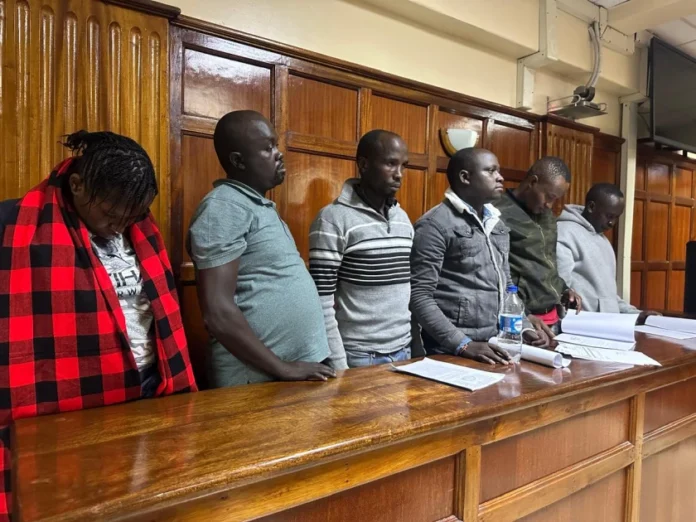
The Directorate of Criminal Investigations (DCI) has moved to court seeking orders to detain six suspects, including Kenya Defence Forces (KDF) personnel, over an alleged plan to rob a senior military officer.

In a miscellaneous application filed before a Nairobi Milimani Magistrates Court, detectives are seeking to have the suspects held at Capitol Hill Police Station for 14 days to allow completion of investigations into an alleged robbery with violence targeting Major General George Okumu.

Prosecutors told the court that investigations are ongoing and that other suspects believed to be part of the network remain at large. They warned that releasing those already in custody could lead to interference with witnesses and compromise the integrity of the case.

According to investigators, the arrests followed a week-long surveillance operation triggered by intelligence reports of a planned attack on the residence of the senior KDF officer.

Preliminary findings indicate that the suspects are part of a broader criminal network involving both serving military personnel and civilians. Those arrested include Charles Kiio Matata, a KDF sergeant based at Kahawa Garrison; David Ng’aa Mwangangi, a civilian mechanic attached to the KDF at Kahawa Barracks; Samuel Agango Odoyo, a KDF service member currently on interdiction; Alex Mumo Kisilu of Umoja; Richard Mwania Muasya of Tala; and Stella Nzuki Mweni of Umoja Inner Core.

Detectives told the court that searches conducted on two vehicles associated with the suspects led to the recovery of several items believed to be linked to the planned robbery. These include jungle military uniforms, boots, a crowbar, a knife, a hammer, pliers, cable ties and multiple mobile phones.

Investigators further revealed that additional searches are yet to be conducted at the suspects’ residences, where a firearm, suspected to be an AK-47 rifle, is believed to be concealed.

The court also heard that the suspects are yet to undergo interrogation by a multi-agency team tasked with establishing the full scope of the alleged plot and determining whether they may be connected to other criminal activities.

Authorities noted that confirming the military status and roles of some of the suspects requires formal communication with military headquarters, a process governed by strict procedures that may take time.

The prosecution further argued that the suspects are believed to have been in the process of sourcing a firearm to facilitate the planned robbery, heightening concerns over the seriousness of the alleged offence.

The court is expected to rule on the detention application as investigations continue.

Create a free account, or log in.

Gain access to read this content, plus limited free content.

Yes! I would like to receive new content and updates.

Sponsored Ad

Ad 1
Ad 2
Ad 3
Ad 4
Ad 5
Ad 6