Sponsored Ad

Ad 1
Ad 2
Ad 3
Ad 4
Ad 5
Ad 6
30.4 C
Kenya
Thursday, May 14, 2026
Home Blog Page 202

Senate Committee Queries NCPB on Food Security and Grain Stocks

The Senate Standing Committee on Agriculture, Livestock and Fisheries chaired by Sen. David Wakoli( Bungoma) today engaged the National Cereals and Produce Board (NCPB) in a detailed review of the country’s food security situation, with a focus on grain reserves, storage capacity and post-harvest management systems.

During the session, Members were informed that the National Grain Reserve is currently without maize stocks, with only 1,942 of 50 kg bags of beans held in reserve. The Board indicated that it has been allocated Kshs.1.22 billion to support the purchase of maize and other staple crops during the upcoming harvest period.

It was further noted that projections on expected inflows remain dependent on the ongoing planting season and prevailing weather conditions, with NCPB planning to procure at least 4.5 million bags of maize once harvesting begins.
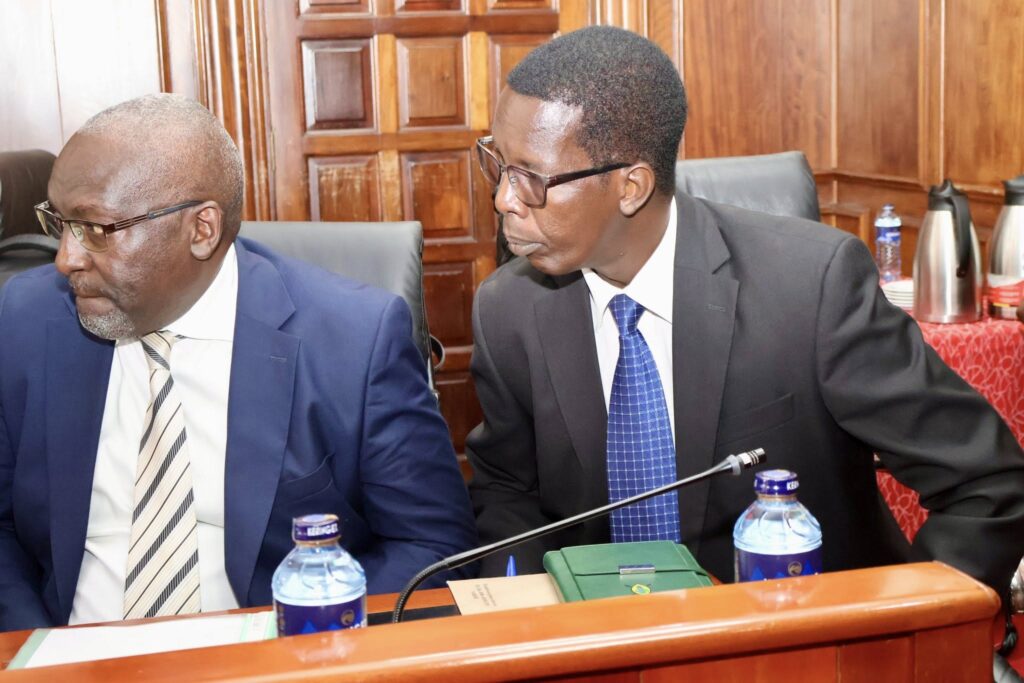
The Board outlined its preparedness measures, noting that it has set aside storage capacity of up to 6.7 million bags across major producing regions. It also highlighted the establishment of aflatoxin testing laboratories in key depots including Bungoma, Eldoret, Nakuru, Nairobi and Meru to ensure that grain received meets safety and quality standards.

The Committee also reviewed the Board’s drying infrastructure, where it was noted that NCPB operates both fixed and mobile grain dryers across the country. Ten fixed dryers are installed in major silos, with nine currently operational, while sixty-five mobile dryers have been deployed across thirty-one counties and multiple depots.

However, operational gaps were observed within the system, including a non-functional dryer in Webuye, a vandalized unit in Maua, and the redeployment of several units to support irrigation activities at the Galana Kulalu project.

It was further observed that while the dryers are largely accessible to farmers, utilization levels vary across regions, particularly in areas where traditional sun drying remains prevalent.
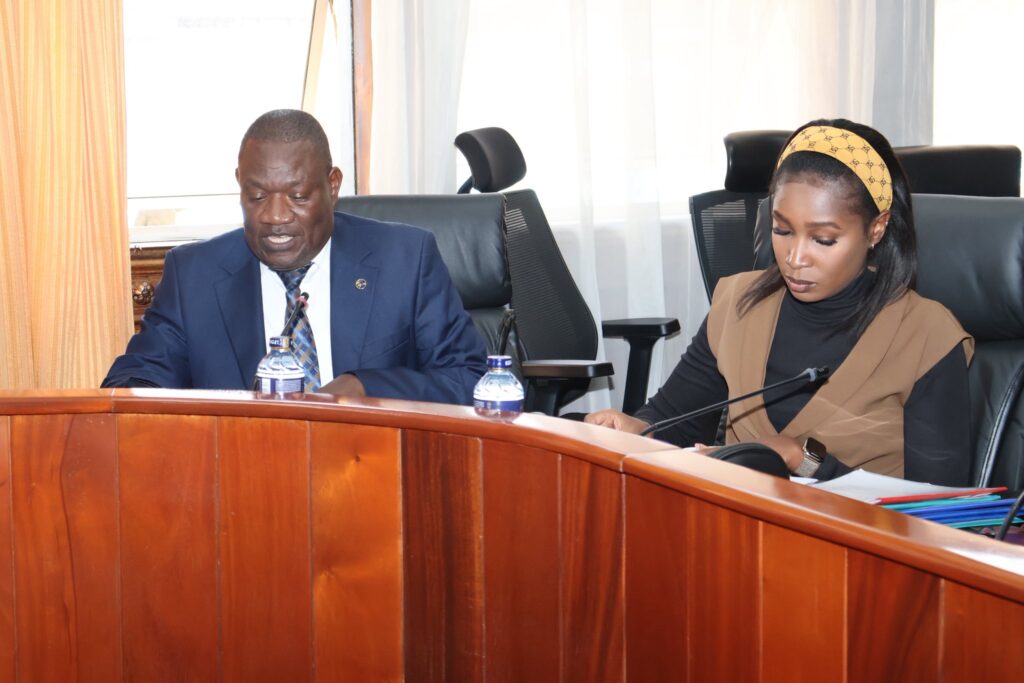
On post-harvest management, the Board outlined measures aimed at minimizing losses, including mandatory moisture testing before grain intake and the use of dryers to ensure safe storage levels. Trained personnel have also been deployed to manage drying operations, while pest control teams continue to oversee fumigation and storage conditions across depots.

The Committee was also informed that infrastructure gaps remain, particularly the lack of drying floors and weather shelters at some mobile dryer sites, which exposes grain to contamination and moisture reabsorption during handling.

Despite this capacity, the need for improvements in access roads, drainage and yard surfaces was noted in several depots, including Lessos, Tala, Kitui, Butere, Nanyuki and Yala, especially during peak harvest periods and rainy seasons.

The Board also reported that while most depots are not prone to flooding, drainage challenges have been identified at Kipkabus Depot in Uasin Gishu County, with mitigation measures currently under consideration.
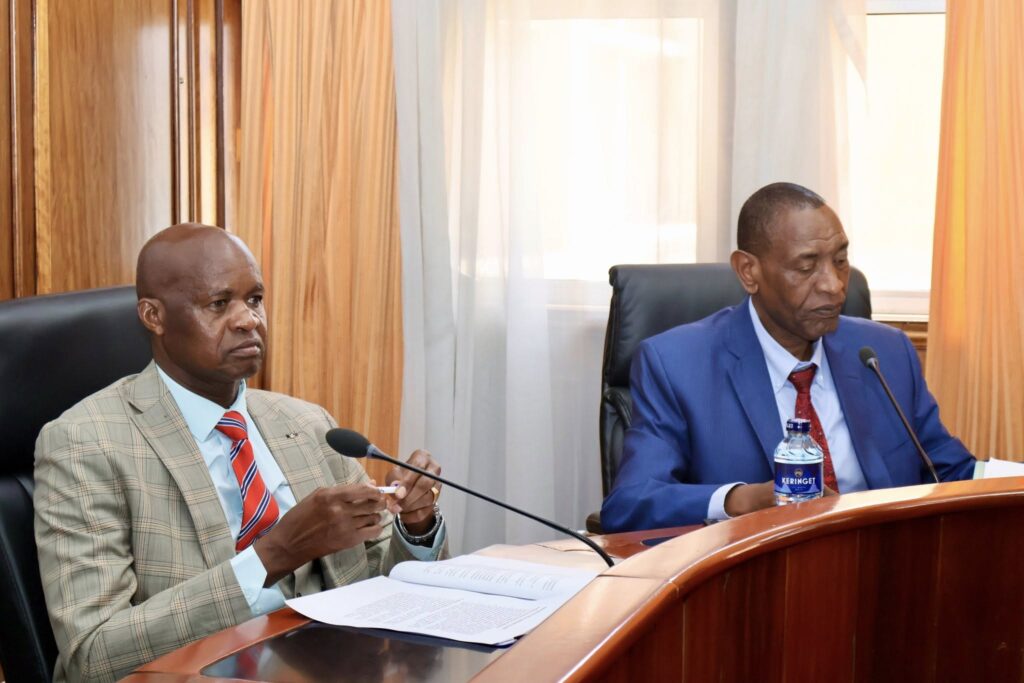
On farmer support during peak harvest periods, Members were informed that the Government has set and reviewed the minimum maize price from Kshs.3,500 to Kshs.4,000 per 90kg bag to cushion farmers from market fluctuations.

The Board further indicated that payments to farmers are processed within 48 hours, while calibrated weighing systems have been installed across depots to ensure accuracy and transparency in transactions.

Additionally, the Committee was briefed on broader efforts to stabilize the cereal market, including the use of the Warehouse Receipt System, strategic release of grain stocks and continued support to farmers through subsidized farm inputs.

The engagement highlighted the importance of strengthening storage, drying and handling infrastructure, with Members emphasizing the need for sustained investment to enhance efficiency, reduce post-harvest losses and reinforce the country’s food security systems.

By Anthony Solly
High Court Rules ‘Poverty Is Not a Crime’, Says Its Unfair To Punish Someone For Lacking Money

By Andrew Kariuki

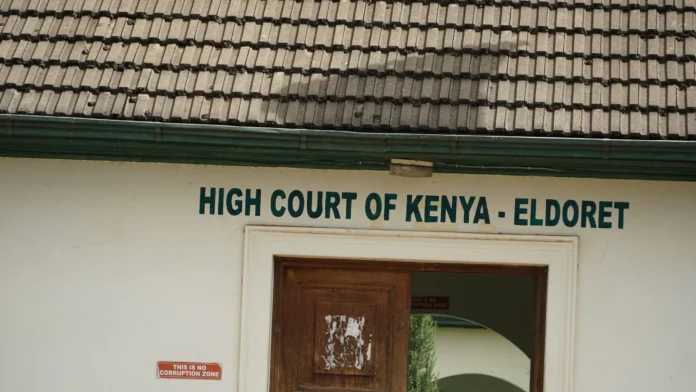
The High Court in Eldoret has issued a strong warning against the misuse of civil jail in debt recovery, declaring that poverty should never be criminalised under Kenyan law.

In a landmark ruling, Justice Reuben Nyakundi ordered the release of Barnaba Ng’eno, who had been detained over a civil debt, faulting the lower court for violating his constitutional rights.

“Poverty is not a crime,” the judge stated, emphasizing that imprisoning individuals solely for their inability to pay debts infringes on fundamental rights, including the right to liberty, human dignity and a fair hearing.

The case stemmed from Eldoret Small Claims Court Civil Case No. E612 of 2024, where Ng’eno had been committed to civil jail over a decree amounting to Ksh 788,961.81. However, the High Court found that the process leading to his detention was legally flawed and unconstitutional.

Justice Nyakundi ruled that the trial court failed to establish whether Ng’eno had the financial means to settle the debt but had willfully refused to do so, a key requirement before committing a debtor to civil jail.

The court further noted that Ng’eno was not accorded a proper opportunity to be heard prior to his detention, violating principles of procedural fairness.

In the ruling, the judge stressed that civil jail should only be applied sparingly and strictly as a last resort, particularly in cases where a debtor is deliberately evading payment despite having the capacity to pay.

The court warned that the growing practice of imprisoning debtors without due process risks undermining constitutional protections and disproportionately punishing economically vulnerable individuals.

Justice Nyakundi also criticised the lower court for failing to adhere to safeguards outlined under Section 38 of the Civil Procedure Act, which require courts to conduct a thorough inquiry into a debtor’s financial means before issuing committal orders.

As a result, the High Court declared the committal unlawful, irregular and unconstitutional, and set aside the orders that led to Ng’eno’s imprisonment.

The ruling is expected to have far-reaching implications for debt enforcement practices in Kenya, reinforcing the principle that civil processes must not be used to punish poverty.

Lusaka Highlights Bungoma’s Development Gains in State of the County Address

Bungoma Governor Kenneth Lusaka has outlined major development milestones achieved under his administration, painting a picture of steady progress in key sectors while reaffirming his commitment to transforming the county’s economic and social landscape.

Delivering the State of the County Address, Lusaka said his government has made significant strides in agriculture, healthcare, infrastructure, and youth empowerment, noting that these gains are already improving livelihoods across Bungoma.

“Our focus has been on practical, people-centered development that directly impacts households. We are investing in sectors that matter most to our people,” Lusaka stated.

In agriculture, the Governor highlighted the distribution of free and subsidized farm inputs to thousands of vulnerable farmers, a move he said has boosted food production and strengthened food security. He emphasized that empowering farmers remains central to the county’s economic agenda.

On healthcare, Lusaka pointed to ongoing upgrades of health facilities, improved access to essential medical services, and enhanced support for maternal and neonatal care. “We are committed to ensuring that every resident can access quality and affordable healthcare,” he said.

The Governor also cited infrastructure development as a key pillar of his administration, noting the expansion and rehabilitation of road networks to ease transport and open up rural areas for trade and investment.

Youth and women empowerment featured prominently in the address, with Lusaka highlighting initiatives such as the issuance of car wash machines and support for small enterprises aimed at creating jobs and promoting financial independence.

Despite the progress, Lusaka acknowledged challenges, including delayed disbursement of funds, which he said continue to affect service delivery. He called for stronger collaboration with the national government and development partners to bridge funding gaps.

“We must work together to unlock Bungoma’s full potential. Through partnerships and prudent use of resources, we can achieve sustainable development,” he added.

As he concluded his address, Lusaka reaffirmed his administration’s dedication to transparency, accountability, and inclusive growth, urging residents to remain united in driving the county forward.

Bungoma Governor Kenneth Lusaka has outlined major development milestones achieved under his administration, painting a picture of steady progress in key sectors while reaffirming his commitment to transforming the county’s economic and social landscape.

Delivering the State of the County Address, Lusaka said his government has made significant strides in agriculture, healthcare, infrastructure, and youth empowerment, noting that these gains are already improving livelihoods across Bungoma.

“Our focus has been on practical, people-centered development that directly impacts households. We are investing in sectors that matter most to our people,” Lusaka stated.

In agriculture, the Governor highlighted the distribution of free and subsidized farm inputs to thousands of vulnerable farmers, a move he said has boosted food production and strengthened food security. He emphasized that empowering farmers remains central to the county’s economic agenda.

On healthcare, Lusaka pointed to ongoing upgrades of health facilities, improved access to essential medical services, and enhanced support for maternal and neonatal care. “We are committed to ensuring that every resident can access quality and affordable healthcare,” he said.

The Governor also cited infrastructure development as a key pillar of his administration, noting the expansion and rehabilitation of road networks to ease transport and open up rural areas for trade and investment.

Youth and women empowerment featured prominently in the address, with Lusaka highlighting initiatives such as the issuance of car wash machines and support for small enterprises aimed at creating jobs and promoting financial independence.

Despite the progress, Lusaka acknowledged challenges, including delayed disbursement of funds, which he said continue to affect service delivery. He called for stronger collaboration with the national government and development partners to bridge funding gaps.

“We must work together to unlock Bungoma’s full potential. Through partnerships and prudent use of resources, we can achieve sustainable development,” he added.

As he concluded his address, Lusaka reaffirmed his administration’s dedication to transparency, accountability, and inclusive growth, urging residents to remain united in driving the county forward.

By Anthony Solly

Pope Leo XIV Appoints Fr. Obed Muriungi Karobia as Auxiliary Bishop of Nairobi

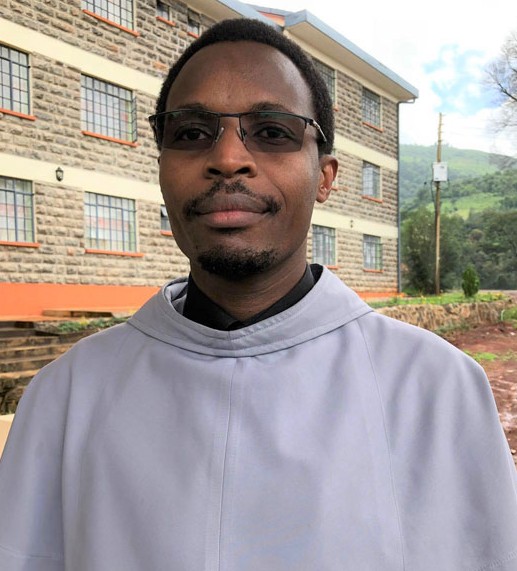
Pope Leo XIV has appointed Rev. Fr. Obed Muriungi Karobia, OFM Conventual, as Auxiliary Bishop of the Catholic Archdiocese of Nairobi, strengthening apostolic leadership in one of Kenya’s most vibrant ecclesiastical jurisdictions.

The appointment was officially announced in Rome on Thursday, 26 March 2026, at noon (2:00 p.m. local time in Kenya).

It was formally communicated to the Kenyan Bishops through the Apostolic Nuncio to Kenya, Archbishop Bert Van Megen. This signals a strategic reinforcement of pastoral governance within the Archdiocese.

Bishop-elect Karobia, a member of the Franciscan Conventual Friars, brings to the episcopacy a rich heritage of Franciscan spirituality grounded in humility, fraternity, and service.

His elevation to the episcopate marks a significant milestone not only for the Franciscan family in Kenya but also for the local Church, as it continues to navigate expanding pastoral demands in an increasingly dynamic urban context.

Born on June 29, 1979, in Meru, Kenya, Bishop-elect Karobia has journeyed through a steady path of religious formation and priestly ministry.

He made his simple profession in 2004 and his solemn profession in 2010 before being ordained a priest in 2012. Over the years, he has distinguished himself through dedicated pastoral service, leadership within the Franciscan fraternity, and a deep commitment to evangelization.

Notably, in 2019, he was elected the first Minister Provincial of the Province of St. Francis in Kenya, a foundational leadership role that positioned him at the forefront of shaping the identity and mission of the Franciscan Conventuals in the country.

As Auxiliary Bishop, Bishop-elect Karobia will support the Archbishop in shepherding the faithful, enhancing pastoral outreach, and strengthening ecclesial structures.

His Franciscan charism, rooted in the legacy of Francis of Assisi, is expected to enrich the Archdiocese’s mission, especially in areas of social justice, care for the vulnerable, and fostering a spirit of synodality.

With this appointment, the Church opens a new chapter of servant leadership, anchored in faith, energized by mission, and aligned with the evolving pastoral landscape of Nairobi.

Shell Issues Notice Amid Fuel Shortage at Select Stations

Vivo Energy Kenya has issued a notice to customers following fuel shortages reported at select Shell service stations across the country.

In a statement on Thursday, March 26, the company said it has been closely monitoring the situation after some outlets experienced temporary stock-outs due to increased consumption patterns.

“We have recently experienced increased demand for our products, which has resulted in temporary stock-outs at some service stations. Our teams are closely monitoring the situation and working continuously to replenish affected sites as quickly as possible,” the statement read.

Vivo Energy reiterated its commitment to maintaining reliable service across its network, while acknowledging the inconvenience caused to customers.

“We appreciate your continued patronage and apologize for the inconveniences caused by this and remain fully committed to serving our customers reliably and ensuring that our service stations and the essential services that depend on us stay supplied,” the statement concluded.

Notably, Energy Cabinet Secretary Opiyo Wandayi on Wednesday, March 25, accused some Oil Marketing Companies (OMCs) of creating a man-made fuel shortage in the country.

He claimed that some OMCs were hoarding fuel products in anticipation of a fuel price increase following the situation in the Middle East.

Wandayi maintained that the government would not increase pump prices and that the fuel would retail in the country at the prices gazetted by the Energy and Petroleum Regulatory Authority (EPRA) in the March 14 review.

“We note with grave concern reports of product hoarding and speculative withholding of stocks by some oil marketing companies in anticipation of price movements. That conduct is commercially opportunistic, contrary to the public interest and is in direct breach of licensing obligations.

“All licenced OMCs are strongly reminded of their legal obligation to maintain continuous supply and release products at EPRA gazetted prices,” he stated.

File image of a petrol station attendant fueling a vehicle

Wandayi reiterated that the OMCs caught hoarding fuel risk serious sanctions imposed by the Ministry of Energy.

He assured Kenyans that there was no fuel shortage in the country and asked motorists not to engage in panic buying.

“I must also encourage Kenyans not to engage in panic buying. It is unnecessary because, as I have said, we have enough stock in the country; now, tomorrow and in the future,” he declared.

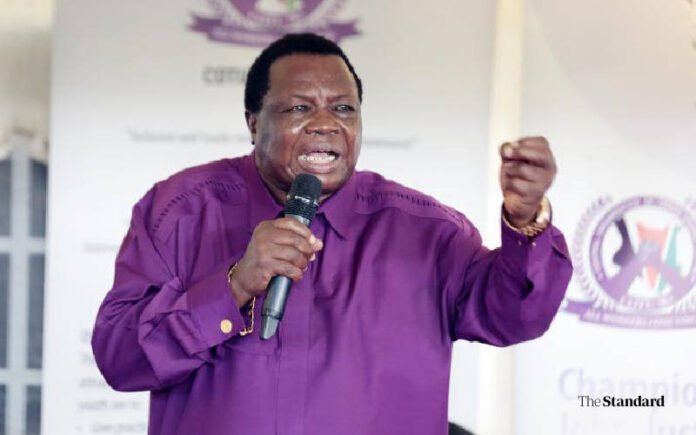
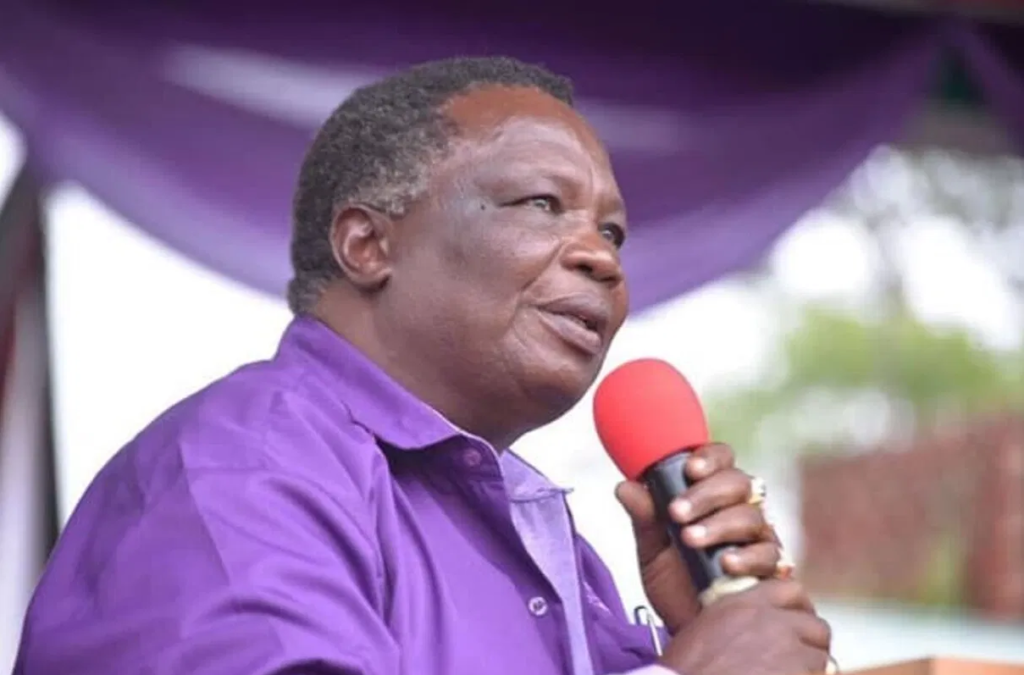
Petition Filed to Halt COTU Elections, Challenges Atwoli’s Leadership

By Andrew Kariuki

A constitutional petition has been filed at the High Court in Nairobi seeking to suspend and nullify the 2026 leadership elections of the Central Organization of Trade Unions (COTU-K), raising questions over transparency, legality and compliance with labour laws.

The petition, filed by Francis Awino, challenges the conduct and validity of the elections, including the appointment of Francis Atwoli as Secretary General.

Awino argues that the electoral process was conducted in an opaque and unregulated manner, allegedly in violation of both the Constitution and the Labour Relations Act. He claims that critical financial and electoral information was withheld from stakeholders despite formal requests, undermining transparency and accountability.

The suit names Ann Kanake, the Registrar of Trade Unions, as the respondent, alongside the Ministry of Labour and Social Protection and COTU as interested parties.

In a certificate of urgency dated March 25, 2026, the petitioner warns that unless the court intervenes, the Registrar may proceed to register and gazette the disputed election results, effectively legitimising what he terms an unconstitutional process.

He further argues that once the officials assume office, the case risks being overtaken by events, rendering the petition ineffective and entrenching what he describes as an unlawful leadership structure within the country’s main labour federation.

Through a Notice of Motion, Awino is seeking conservatory orders to suspend the implementation of the election results and restrain Atwoli from acting or continuing to serve as Secretary General pending the determination of the case.

The petition also seeks orders to maintain the status quo before the elections and to bar affiliated trade unions from remitting funds to COTU until accountability concerns are addressed.

Additionally, the petitioner is asking the court to compel disclosure of key documents, including audited financial statements from 2021 to 2024, membership registers used during the elections, election notices and timetables, delegate accreditation records, and any compliance reports related to the process.

Awino contends that the matter raises critical constitutional issues, including the right to access information, fair administrative action, and fair labour practices, and has far-reaching implications given COTU’s role in representing millions of Kenyan workers.

The High Court is expected to consider the application for urgent hearing and determine whether interim orders should be granted to halt the implementation of the contested election results.

‘I am a citizen of Mozambique!’ – President Ruto reveals dual citizenship

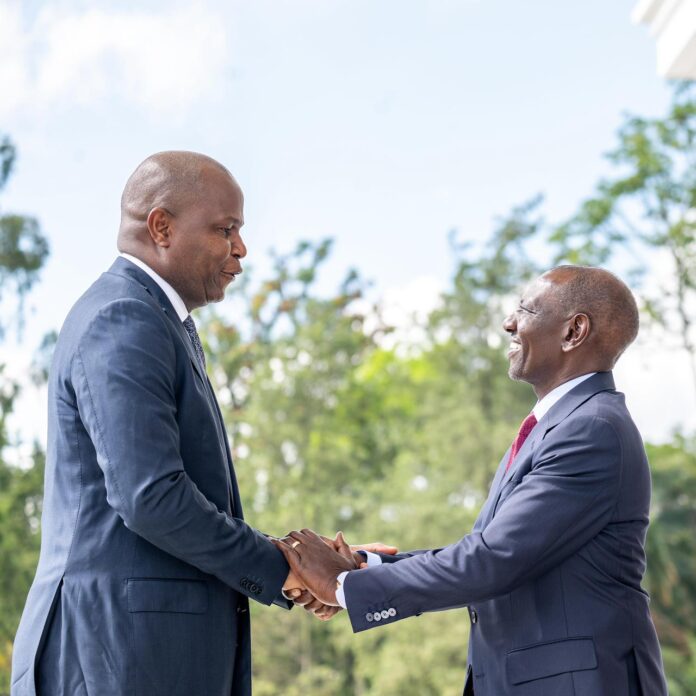
President William Ruto, on Thursday, March 26, revealed that he holds Mozambican citizenship.

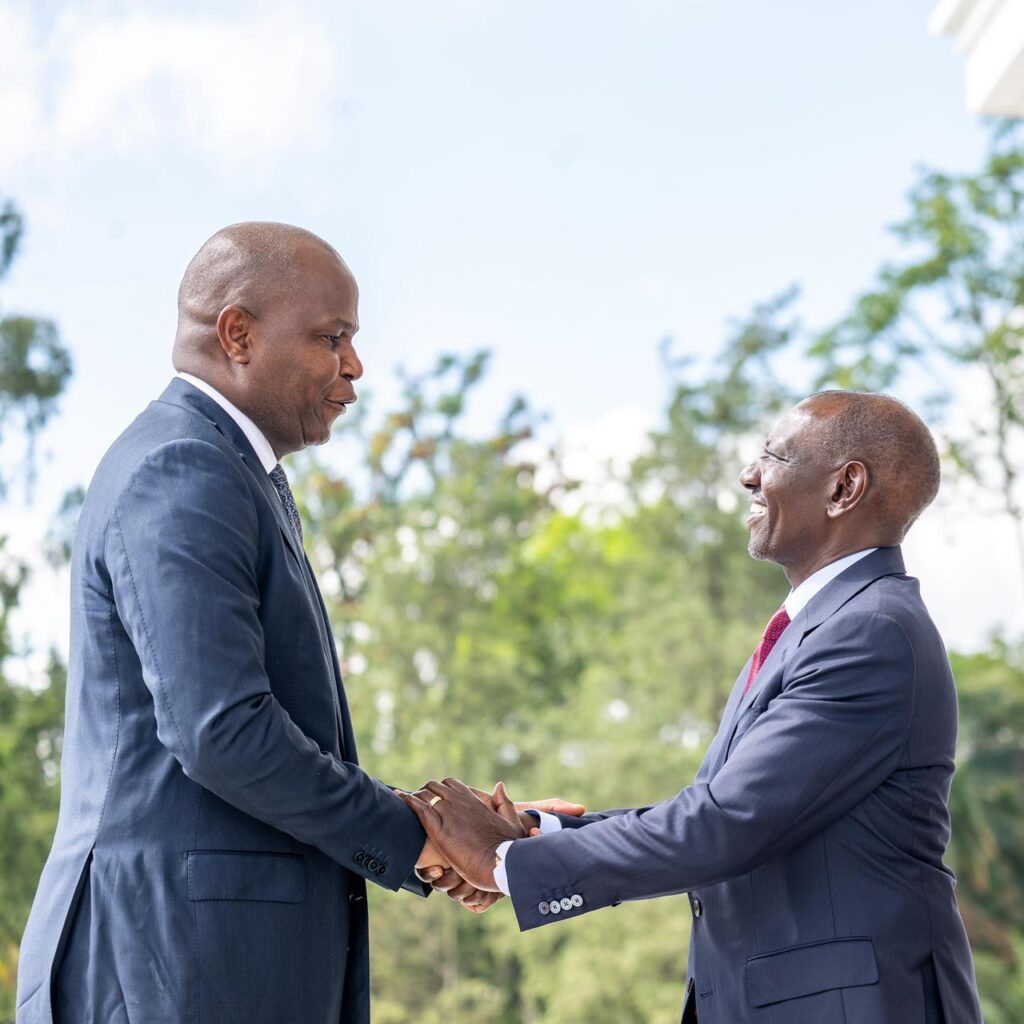
Speaking at the State House during a joint presser with Mozambique President Daniel Chapo, Ruto confirmed that he was awarded citizenship during a trip to the country.

He added that the Mayor of Maputo, the capital city of Mozambique, gave him the ‘keys to the city’.

“I agree that the last time I was in Mozambique, I was given the keys to Maputo by the Mayor.

“He also signed for me a small certificate to be a citizen of Mozambique. I will make use of my citizenship and the key when I come back,” the President disclosed.

President William Ruto with President Daniel Chapo of Mozambique at State House on March 26, 2026.

Ruto was responding to President Chapo, who extended the invitation as the two jointly addressed the media after holding talks at State House.

“We wish once again to extend our invitation to Ruto to visit Mozambique. I know two years back you were in Maputo and got the key, and you are also Mozambican. You are a citizen of Maputo,” the Mozambican President reiterated

During his address, President Chapo announced that Kenyan drivers with a valid driving license would be allowed to drive in his country without any interference by the police.

He assured that he was committed to extending the positive relationships between the two countries. The two leaders signed three Memoranda of Understanding (MoUs).

The MoUs will see Kenya and Mozambique partner in: diplomatic training, research and capacity building; penitentiary and Prison services and Cooperation in Youth and sports.

Ruto intimated that the discussions also revolved around trade and economic cooperation while identifying key growth areas.

President Chapo is in Kenya for a three-day official visit. He arrived on March 25 and was Ruto’s chief guest during the 4th Kenya International Investment Conference (KIICO) at the Kenyatta International Conference Centre.

Kenya, Mozambique Deepen Ties as Ruto, Chapo Sign 3 MoUs

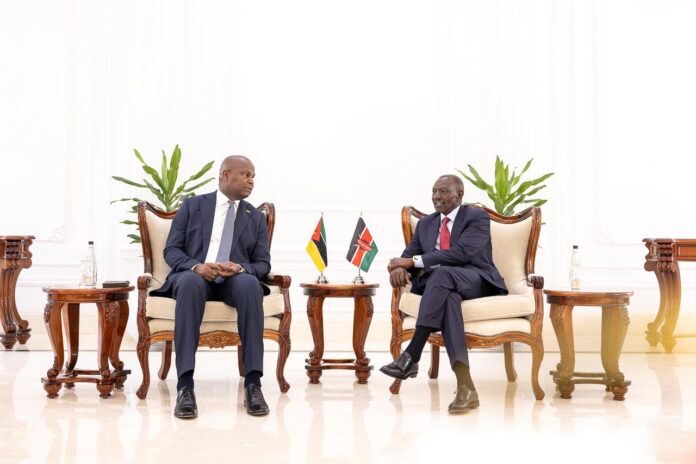
Kenya and Mozambique have signed three Memoranda of Understanding (MoUs) aimed at strengthening bilateral relations between the two nations.

The agreements were signed on Thursday, March 26, following a meeting between President William Ruto and President Daniel Francisco Chapo of Mozambique at State House, Nairobi.

The MoUs include: diplomatic training, research and capacity building; penitentiary and Prison services, which is aimed at improving standards in correctional services, and Cooperation in Youth and sports, focusing on youth development and sports collaboration.

Speaking after the signing of the agreements, President Ruto described the MoUs as an important milestone in the bilateral relations between Kenya and Mozambique.

The Head of State noted that he and President Daniel Chapo had agreed to ensure the timely implementation of the agreements so that citizens of both nations can benefit.

File image of President William Ruto with President Daniel Chapo of Mozambique.

“These agreements mark an important milestone in our bilateral relations and provide a strong framework for deepening cooperation.

“We agreed to ensure they are timely and effectively implemented so that our people derive maximum benefit from this partnership,” said Ruto.

President Ruto also said they discussed trade and economic cooperation and identified key areas of growth.

“We welcome the steady progress made and the strong opportunities for further expansion and diversification of our trade. We identified key areas of growth, including pharmaceuticals, tea, edible oils, cosmetics, industrial products, agro-processing, and energy,” said Ruto.

President Chapo arrived in Kenya on Tuesday, March 24, for a three-day visit and was received by Prime Cabinet Secretary Musalia Mudavadi and Public Service CS Geoffrey Ruku at the Jomo Kenyatta International Airport (JKIA).

On Wednesday, March 25, President Chapo attended the 4th Kenya International Investment Conference (KIICO) at the Kenyatta International Conference Centre as a chief guest.

Chapo’s visit follows Chinese Vice President Han Zheng to Kenya. Zheng arrived in Kenya on Sunday, March 22 night and departed on Wednesday.

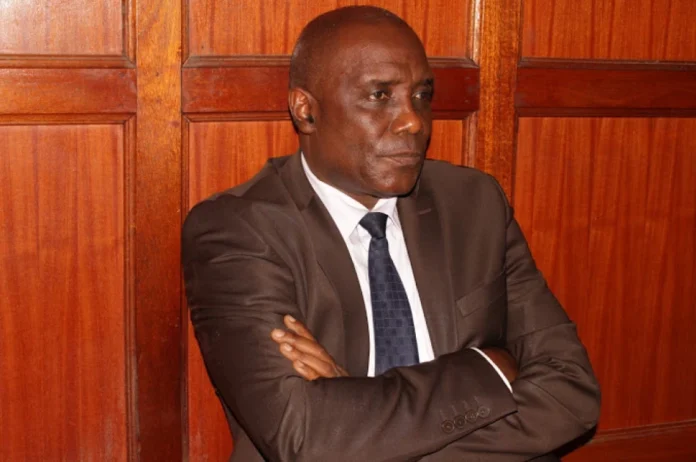
Court Acquits Former NLC Chair Swazuri, 16 Others in Ksh 221 Million Land Compensation Case

By Andrew Kariuki

A magistrate’s court has acquitted former National Land Commission (NLC) chair Mohammed Abdalla Swazuri and 16 co-accused in a high-profile land compensation case involving Ksh 221 million.

The group had been charged in 2018 and 2019 over allegations of conspiracy, abuse of office, money laundering, and irregular compensation linked to land belonging to the Kenya Railways Corporation. All the accused had denied the charges.

In its ruling, the court found that the prosecution failed to prove its case beyond reasonable doubt, bringing the long-running trial to an end.

The trial magistrate held that none of the charges had been sufficiently established, noting that critical elements of the alleged conspiracy were not supported by evidence. The court further observed that the dispute appeared to arise from an administrative conflict rather than criminal conduct.

The court also found no evidence to demonstrate that the compensation paid out was unlawful.

On the issue of liability, the magistrate emphasized that criminal responsibility cannot be imposed on public officials acting on the basis of existing land titles unless there is clear evidence of fraud or criminal intent. In this case, the court found that no such evidence had been presented.

Regarding the ownership of the land in question, the court noted that the prosecution had failed to prove that it was public land. Testimony presented instead suggested that the land bore characteristics of private or township property, weakening the State’s case.

The court further addressed the validity of the land titles, stating that while the titles existed, there was no evidence to show that they had been lawfully cancelled or challenged. As a result, their legal status remained intact.

Additionally, the prosecution failed to establish that the land was unavailable for allocation, relying largely on suspicion rather than concrete proof.

MPs Summon 7 Entities Over Alleged Ksh9.4 Billion eCitizen Loss

The National Assembly has opened a probe into the alleged mismanagement of Sh9.4 billion on the eCitizen platform, summoning seven heads of key entities to explain how funds were diverted to private firms.

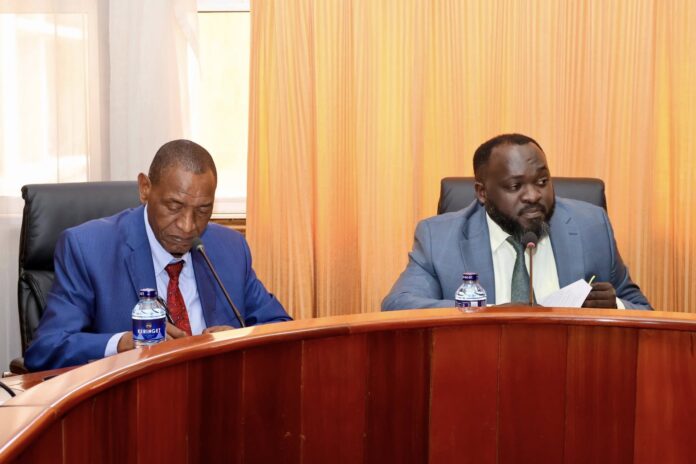
In a session on Wednesday, the Public Accounts Committee (PAC), chaired by Butere MP Tindi Mwale, said the investigation will focus on the licensing and approvals that allowed these entities to collect public funds and whether there was any irregular diversion.

Mwale made the announcement when the committee engaged Principal Secretaries Chris Kiptoo (Treasury), Belio Kipsang (Immigration and Citizen Services) and John Tanui (ICT and Digital Economy) over the Auditor General’s Special Audit Report on the platform.

According to the report, Sh9.4 billion was irregularly channelled from the system, with details indicating that the funds were diverted and paid to private entities.

The committee has now invited heads of seven entities, including the Office of the Attorney General and Equity Bank, to explain how the funds were moved out of the system. Other entities of interest are Pesa Flow Limited, Goldrock Limited, Olive Media Limited, Webmasters Kenya and Electronic Citizen Solutions.

“We expect the entities to give their side of the story and explain how they were licensed to collect funds from Kenyans, how approvals were granted, the amounts they are holding, and any possible diversion,” Mwale said.

The Auditor General’s report further raised concerns about control of the platform, warning that the government does not have full oversight and instead relies on a vendor.

“Noting that the majority of government services are provided through the platform, control by the vendor creates a single point of failure,” the report, tabled in the House on April 2, 2025, reads in part.

However, during the session, National Treasury Principal Secretary Chris Kiptoo assured the committee that the platform is fully owned by the government under a handover agreement signed in January 2023.

He explained that he, alongside officials from the State Department of ICT and the State Department of Immigration, executed the agreement.

“As per the agreement, the vendor agreed to completely and unconditionally hand over the eCitizen platform to the Government of Kenya,” Kiptoo said.

The officials revealed that the platform has recorded sharp revenue growth, rising from an average of Sh60 million to about Sh600 million daily.

To strengthen oversight, Kiptoo said draft regulations governing the platform have been finalised and will soon be submitted to stakeholders for validation. He emphasised that the platform has also been designated as Critical Information Infrastructure, highlighting its importance to national security.

Officials told the committee that efforts to enhance system integrity, accountability and transparency remain a priority through continued collaboration among government agencies.

Create a free account, or log in.

Gain access to read this content, plus limited free content.

Yes! I would like to receive new content and updates.

Sponsored Ad

Ad 1
Ad 2
Ad 3
Ad 4
Ad 5
Ad 6