Sponsored Ad

Ad 1
Ad 2
Ad 3
Ad 4
Ad 5
Ad 6
33 C
Kenya
Monday, May 11, 2026
Home Blog Page 206

DRC Mining Week Bolsters Advisory Board Ahead of 2026 Event

By Peter John

Organisers of DRC Mining Week have announced a new advisory board comprising experts from across the mining value chain, as preparations gather pace for the 2026 edition of the flagship industry event.

The expo and conference, organised by VUKA Group, is scheduled to take place from June 17 to 19, 2026 at the Pullman Grand Karavia Hotel.

The announcement comes after a milestone year for the event, which was named “Event of the Year” at the Katanga Awards in November 2025 and marked its 20th anniversary with a record-breaking edition.

According to the organisers, the advisory board will play a key role in shaping the programme and ensuring the event continues to address critical issues facing the mining sector in the Democratic Republic of the Congo and beyond.

Samukelo Madlabane, Events Director for Mining at VUKA Group, said the platform is designed to foster open and constructive dialogue within the industry.

“We must never be afraid to ask the hard, uncomfortable questions. It is the only way to drive systemic change, influence policy, and build confidence in the DRC’s mining sector,” he said.

The newly announced board brings together representatives from government institutions, mining companies, advisory firms, and industry bodies.

Also included are Popol Mabolia Yenga of the Mining Cadaster and Patience Mpofu of Insight Mining Experts, alongside resource partners such as Bakomeka Kelina Adolphe and Bernadette Mpundu Mpia from the Chamber of Mines, Cyrille Mutombo of Barrick DRC and Kibali Gold Mines, and Eric Monga of Kipay Investments.

The advisory board reflects a broad cross-section of the industry, bringing together expertise in areas such as sustainability, investment, regulation, and project development. Organisers say this diversity is critical in ensuring the event remains relevant and responsive to evolving industry dynamics.

Over the years, DRC Mining Week has grown into a leading platform for mining investment and sector dialogue, particularly in the mineral-rich Copperbelt region. It convenes stakeholders from across the value chain to explore opportunities, share knowledge, and address challenges affecting the industry.

With the 2026 edition expected to build on previous successes, organisers say the strengthened advisory board will help maintain the event’s standards while pushing for deeper engagement on key issues shaping the future of mining in the region.

As the Democratic Republic of the Congo continues to position itself as a major player in the global mining industry, the event is expected to play a central role in driving conversations around investment, sustainability, and long-term sector growth.

Dr. Rasha Kelej Recognised Among Africa’s Most Influential Women for Seventh Consecutive Year

By Peter John

Rasha Kelej has once again been named among Africa’s 100 Most Influential Women, marking her seventh consecutive appearance on the list published by Avance Media.

The recognition adds to her growing list of accolades, coming shortly after she was featured in the 100 Most Influential Africans 2025 ranking by New African Magazine. She joins a distinguished group of leaders on the continent, including Samia Suluhu Hassan and Netumbo Nandi-Ndaitwah.

The annual list highlights African women whose leadership and contributions continue to shape decision-making and drive impact across sectors both locally and globally.

Dr. Kelej, who is the Chief Executive Officer of Merck Foundation and President of the “More Than a Mother” campaign, said the recognition reflects the broader work being done to improve lives across the continent.

“I am deeply honored to be recognized for the seventh consecutive year. It is a privilege to be named alongside inspiring leaders and change-makers across Africa,” she said.

Over the past decade, the Merck Foundation has rolled out a series of programmes aimed at strengthening healthcare systems, expanding access to education, and empowering women.

One of its flagship initiatives has seen more than 2,500 scholarships awarded to healthcare professionals from 52 countries, focusing on critical and underserved medical fields.

These efforts have contributed to addressing shortages of specialists in several countries, particularly in areas such as oncology, fertility care, and intensive care, where access was previously limited.

Beyond healthcare, the foundation has also prioritised women’s empowerment and girls’ education.

Through the “More Than a Mother” campaign, it has worked to break infertility stigma and improve reproductive health awareness, while the “Educating Linda” programme has supported over 1,200 schoolgirls with scholarships and essential learning resources.

Nearly half of the scholarships awarded under the foundation’s programmes have gone to female healthcare professionals, underscoring its focus on increasing women’s participation in the sector.

In addition, initiatives such as the Merck Africa Research Summit Awards have been introduced to support scientific research and recognise emerging African researchers, particularly women in STEM fields.

Dr. Kelej has also used media and the arts as platforms for advocacy, producing television programmes, songs, books, and films aimed at raising awareness about social and health issues, including gender-based violence, child marriage, and chronic diseases.

Her work has involved collaboration with governments, First Ladies, academic institutions, and civil society organisations across Africa and Asia, helping to expand the reach and impact of these programmes.

The latest recognition underscores her continued influence in advancing healthcare, education, and social change, as well as the growing role of cross-sector partnerships in addressing some of the continent’s most pressing challenges.

Salaam City Rises as Djibouti Launches Largest Private Housing Project

By Peter John

Djibouti has launched its largest-ever privately led housing project, a $480 million development that underscores the country’s accelerating urban and economic transformation.

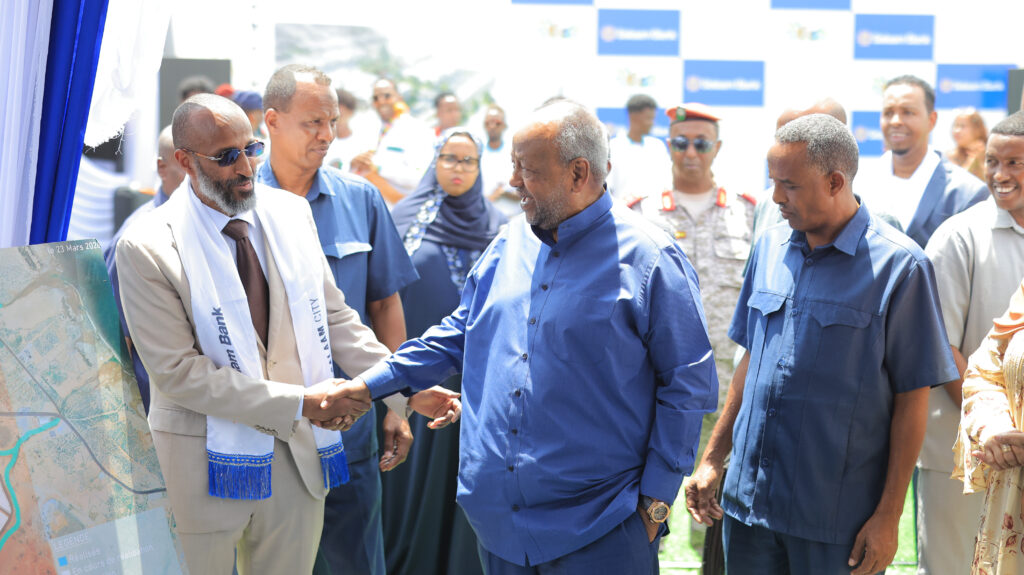
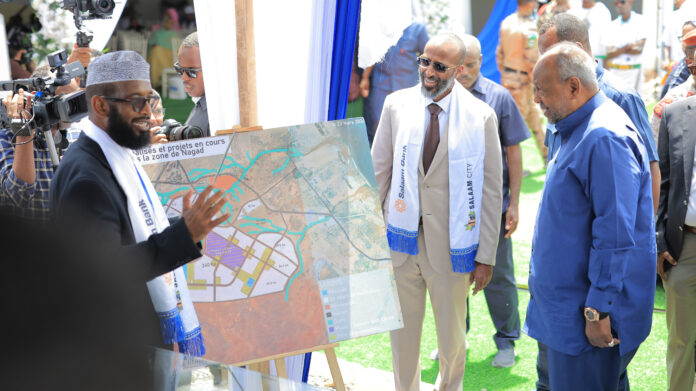
The project, known as Salaam City, was officially unveiled on March 23 in Nagad during a ceremony presided over by President Ismaïl Omar Guelleh.

The head of state toured newly completed model homes and took part in a symbolic groundbreaking to mark the start of full-scale construction.

Developed by Salaam Real Estate, Salaam City is planned as a large mixed-use development spanning 2.4 million square metres and will deliver more than 7,000 homes.

The project is designed as a “city within a city,” integrating residential units with essential social and commercial infrastructure, including schools, healthcare facilities, a mosque, retail outlets, offices, and public recreational spaces.

The initiative comes at a time when demand for quality housing in Djibouti is rising, driven by the country’s growing role as a regional logistics and trade hub.

Located near the Bab el-Mandeb Strait, one of the world’s busiest shipping routes, Djibouti has in recent years invested heavily in ports, railways, and transport infrastructure under its long-term Vision 2035 strategy.

Speaking during the launch, Salaam Real Estate General Manager Mustafe Liibaan said the development reflects the country’s changing economic landscape and the need for inclusive urban growth.

He noted that Salaam City aims to provide not just housing, but a well-planned community where families can access modern amenities and a secure living environment.

The project targets a wide range of buyers, offering affordable, mid-range, and premium housing options to cater to Djibouti’s expanding middle class and professional workforce.

Financing for the development will be supported by Salaam African Bank, which is expected to provide Islamic financing solutions to make home ownership more accessible.

Bank officials say the goal is to ensure that the project is not only built but also within reach for prospective homeowners.

Construction will be carried out in phases over a five-year period, with the first residents expected to move in from 2028.

At peak construction, the project is projected to employ up to 2,000 people across various sectors, including engineering, construction, and technical services.

Beyond housing, Salaam City is expected to contribute to broader economic activity while promoting sustainable urban development.

Plans for the project incorporate energy-efficient building techniques, environmentally friendly materials, and landscaped green spaces aimed at improving quality of life.

President Ismaïl Omar Guelleh said the development aligns with the country’s broader vision of improving living standards while supporting economic growth.

He emphasized the importance of expanding access to quality housing, creating jobs, and building inclusive communities.

As Djibouti continues to position itself as a strategic gateway between Africa, the Middle East, and global markets, projects like Salaam City highlight a shift toward more structured and integrated urban planning, reflecting the evolving needs of a rapidly modernising

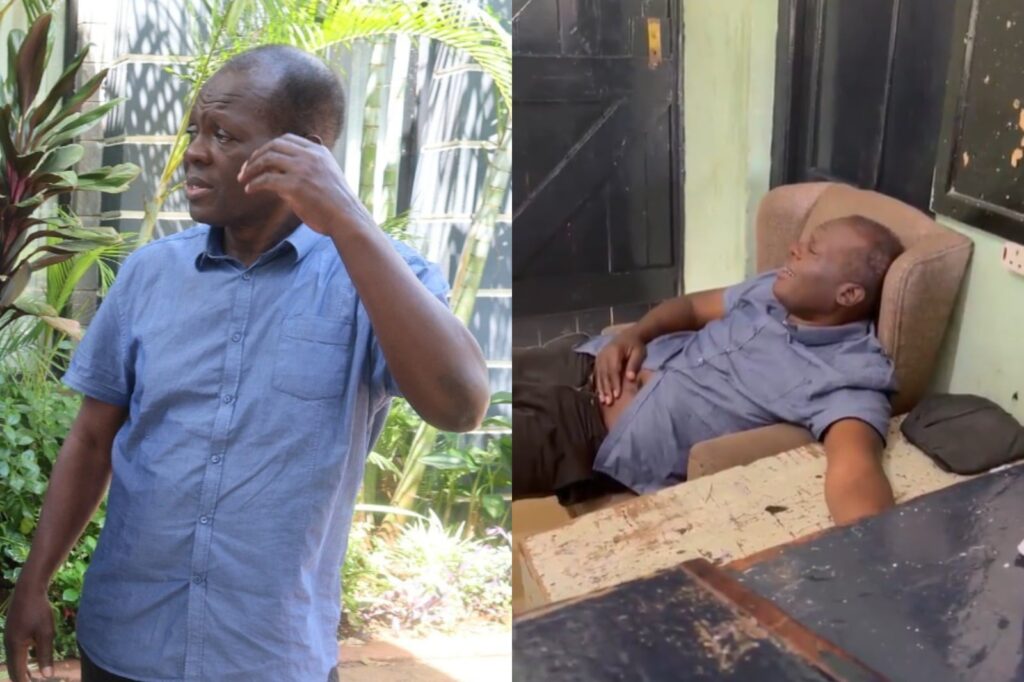
Reprieve For Sick Tuju as High Court Grants Him Ksh 200K Anticipatory Bail Over Self-Abduction Claims

By Andrew Kariuki

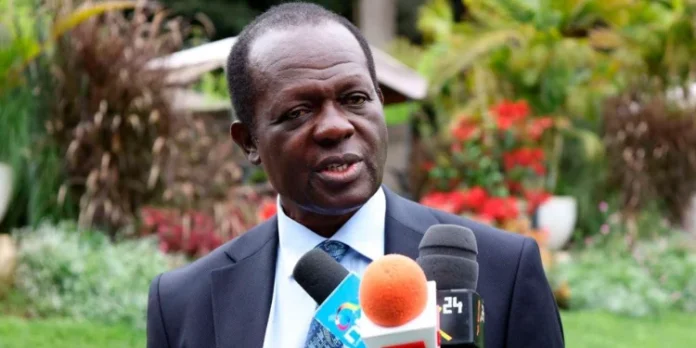
Former Cabinet Secretary Raphael Tuju has secured anticipatory bail after the High Court granted him a Ksh 200,000 bond following his arrest earlier this week.

Justice Martin Muya issued the orders after Tuju, through his lawyer Gregg Ndege, filed an urgent application seeking to block his arrest and continued detention by police.

“It’s hereby ordered the applicants are admitted on an anticipatory bond of Ksh 200,000 with one surety each or cash bail of a similar amount. That mention for further directions is set on April 7,” Justice Muya ruled.

In court filings, Tuju’s legal team argued that the circumstances surrounding his detention were unlawful and violated his constitutional rights.

“The applicants argue that the ongoing police presence and control over him at the Karen Hospital is inhumane, unjustified and violates his rights to dignity, liberty, and medical care,” the application states.

Ndege urged the court to intervene, telling the judge that it was in the interest of justice to grant reasonable bail terms pending further hearing of the application or any charges that may be brought against Tuju.

“That it is in the interest of justice that the Court be pleased to admit the applicant to reasonable bail terms pending ex-parte hearing of this application and/or charge by the Respondents,” he submitted.

He further warned that failure to grant the orders would expose his client to significant prejudice, emphasizing the urgency of the matter.

The court certified the application as urgent and granted the anticipatory bail, offering Tuju protection against arrest under the stated terms.

The Inspector General of Police, the Directorate of Criminal Investigations (DCI), and the Director of Public Prosecutions (DPP) were named as respondents in the case.

Tuju was arrested on Monday evening at his Karen residence, hours after resurfacing from a reported 36-hour disappearance that his family had earlier described as an alleged abduction.

The matter will be mentioned on April 7, 2026, for further directions.

Uhuru Dragged into Tuju Saga as President Ruto Brands Kalonzo, Opposition Leaders as Scavengers

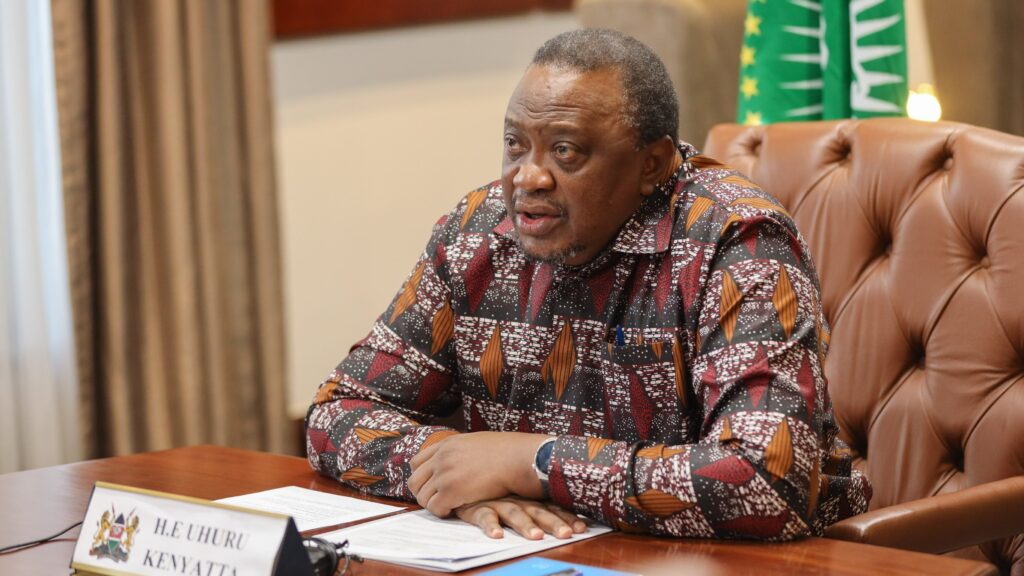
President Uhuru Kenyatta name has been dragged into the Raphael Tuju abduction, debt and hospitilization saga by his predecessor William Ruto as the Tuju chronicles escalate.

The president, however, did not provide evidence of how Uhuru was involved in the Tuju saga which has stuck in the corridors of the high court and supreme court for the last ten years.

Tuju was a close ally to Uhuru during his second term (2018-2022) as then deputy president William Ruto was frozen out of the Jubilee government.

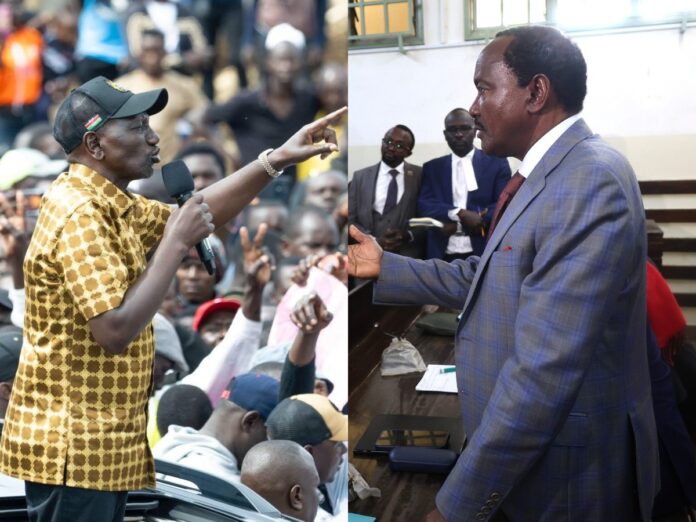
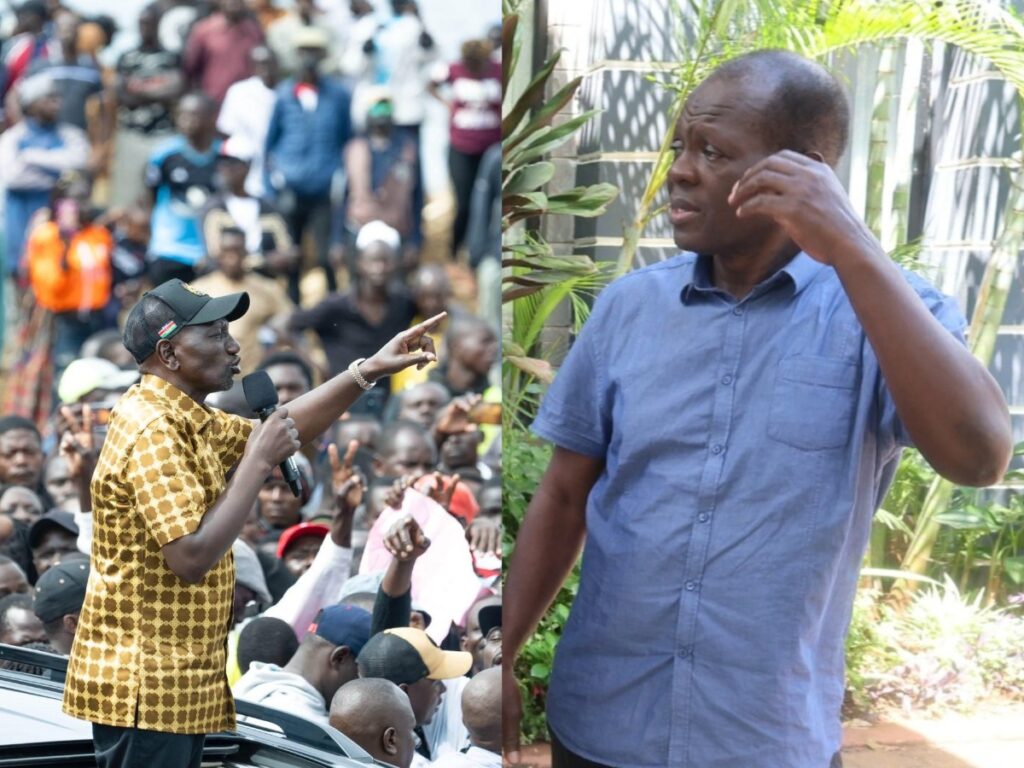
Speaking in Migori, President Ruto reviewed that the United Opposition consisting of Wiper leader Kalonzo Musyoka, DCP leader Rigathi Gachagua, former internal and Defence Security of Dr. Fred Matiangi and Eugene Wamalwa respectively had advised Tuju to feign abduction rather than helping him deal with his debt crisis.

“They lied to him. They asked him to go and hide in his bedroom, then claim that he was abducted. Tuju needs honest friends. He needs honest advice and help, not scavengers who are trying to milk the misfortunes of citizens,” Ruto stated.

“He needs advice so that he can be helped to save his property. Not conmen who have even invoked Uhuru Kenyatta’s name in their drama,” he stated.

In a swift rejoinder through his X platform, Kalonzo has claimed that President Ruto was salivating for the Tuju Karen property which is being auctioned by EADB over pending and unpaid loans.

“William Ruto; you called us scavengers. If Tuju is truly your friend, prove it: STOP THE DAYLIGHT LAND GRAB. Respect his rights, and order the immediate withdrawal of police from his hospital room,” he said.

Kalonzo has not provided evidence to prove his claims that President Ruto was eyeing the Tuju land which houses the upmarket Dari restaurant in Karen.

Interestingly, Ruto, Kalonzo and Tuju used to live in the same Karen neighborhood before lady luck smiled on Tuju occasioning his movement to the exclusive Mwitu road in Karen next to the imposing residence of Raila Odinga family.

IEBC Holds a Meeting with the Minority and marginalised Affairs Unit (MMAU)

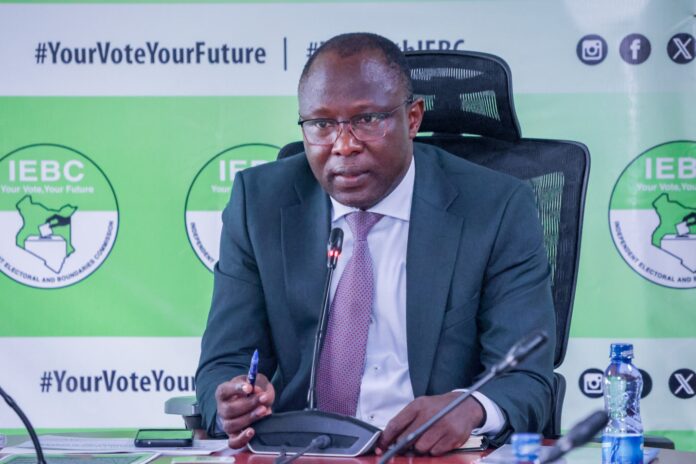
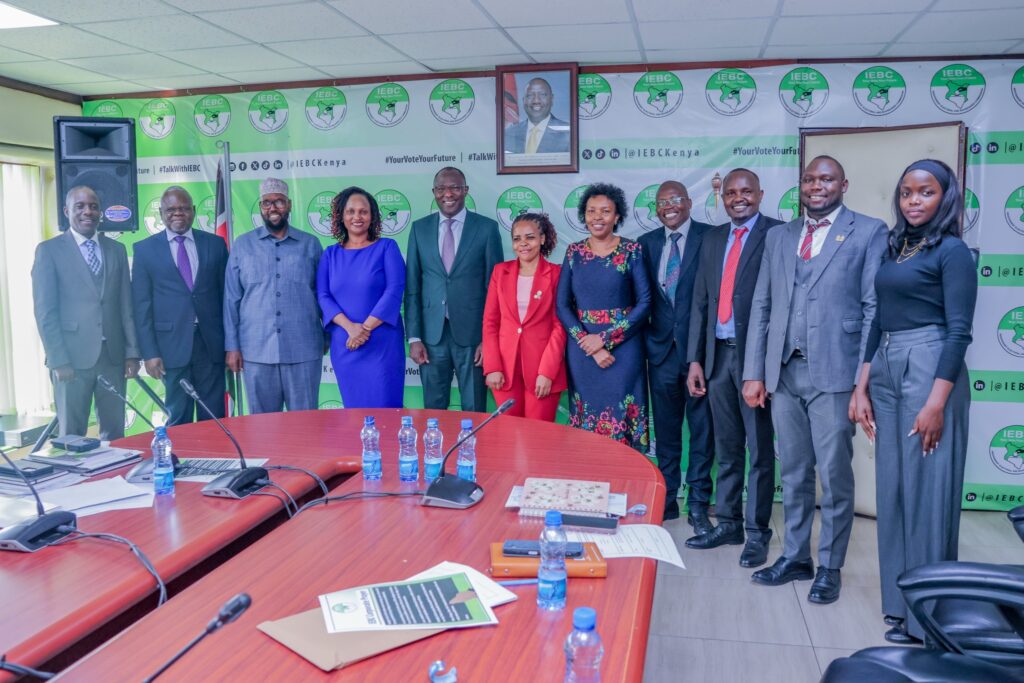
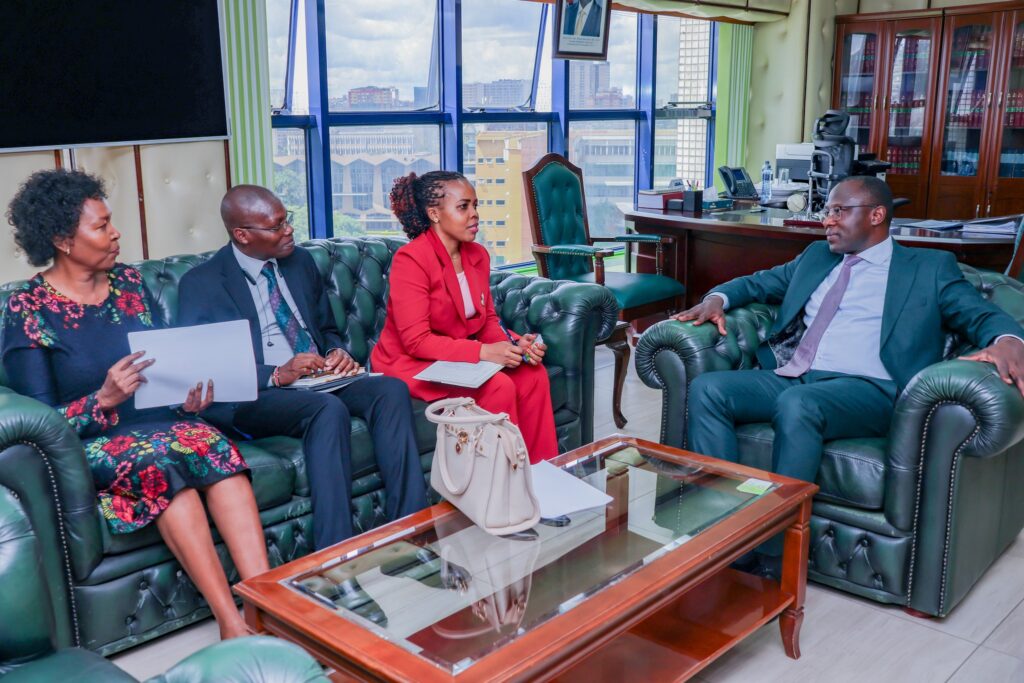
IEBC led by the Chairperson Erastus Edung Ethekon, HSC, today held a consultative meeting with the Minority and Marginalised Affairs Unit (MMAU).

The meeting assessed the status of voter registration and inclusion of minorities and marginalised communities, particularly in remote, arid, and historically excluded regions, with a view to identify gaps and strengthen outreach strategies ahead of the 2027 General Election.

The meeting also discussed areas of collaboration between the IEBC and MMAU aimed at enhancing voter education, accessing voter registration services for the minorities and marginalised groups.

Ethekon assured the team that the Commission would continue to collaborate with stakeholders in advancing inclusion in electoral processes, including engaging leaders from various marginalised groups.

The Director of MMAU, Hon. Namwezi Zitah, expressed gratitude to the Commission for opening avenues for dialogue and its commitment to finding ways to enhance inclusion and improve the livelihoods of the minorities and marginalised communities.

By Anthony Solly

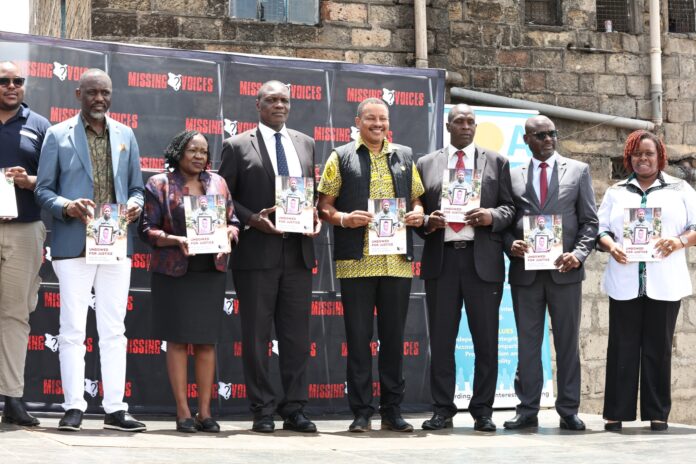
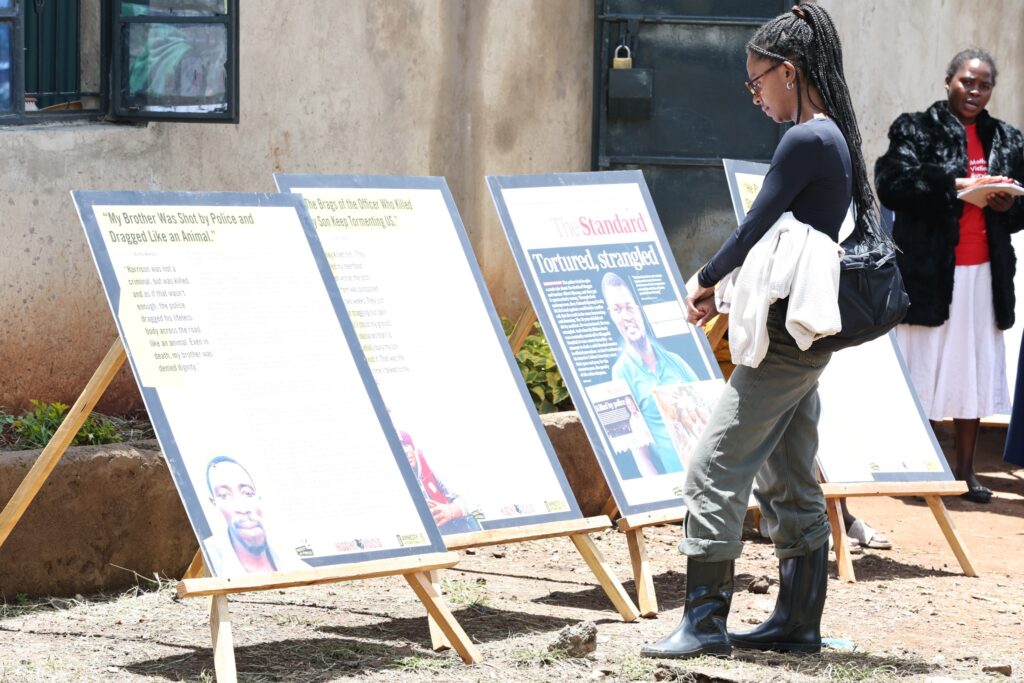
DPP Reaffirms Commitment to Justice for Victims of Police Brutality at Launch of Missing Voices Report 2026

The Director of Public Prosecutions, Renson Ingonga CBS, OGW, has reaffirmed his office’s unwavering commitment to pursuing justice for victims of police brutality, assuring the public that no case meeting the required legal threshold will go unaddressed.

Speaking on his behalf, the Secretary Prosecution Services underscored the Office of the Director of Public Prosecutions’ (ODPP) resolve to ensure accountability and uphold the rule of law. He made the remarks at Ghetto Foundation in Mathare during the launch of the Missing Voices Annual Report 2025.

The Secretary Prosecution Services emphasized that the ODPP remains firmly guided by evidence in its decision-making process, noting that all cases that meet the evidentiary threshold will be promptly forwarded to court and prosecuted to their logical conclusion.

“We are committed to ensuring that justice is served. Any case that meets the evidentiary threshold will be taken to court and prosecuted fully,” he stated, adding that the ODPP will continue to work closely with investigative agencies and stakeholders to strengthen the fight against human rights violations.

He further highlighted that the ODPP has established a specialized division dedicated to handling civil litigation matters, reinforcing the institution’s capacity to address a broad spectrum of legal issues, including those arising from violations of fundamental rights.

The launch of the Missing Voices Report 2025 brought together human rights defenders, civil society organizations, government agencies and community members, all united in the call for enhanced accountability, transparency, and justice for victims and families affected by enforced disappearances and extrajudicial actions.

The DPP’s assurance comes at a time of heightened public concern over cases of police brutality and enforced disappearances, with stakeholders urging stronger institutional responses to safeguard human rights and restore public confidence in the justice system.

By Anthony Solly

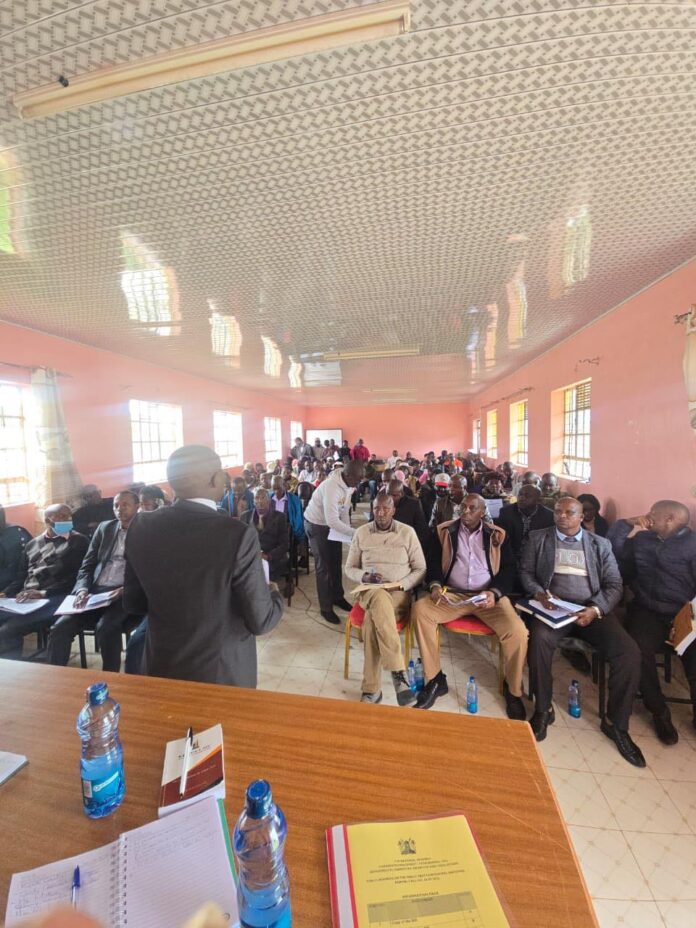
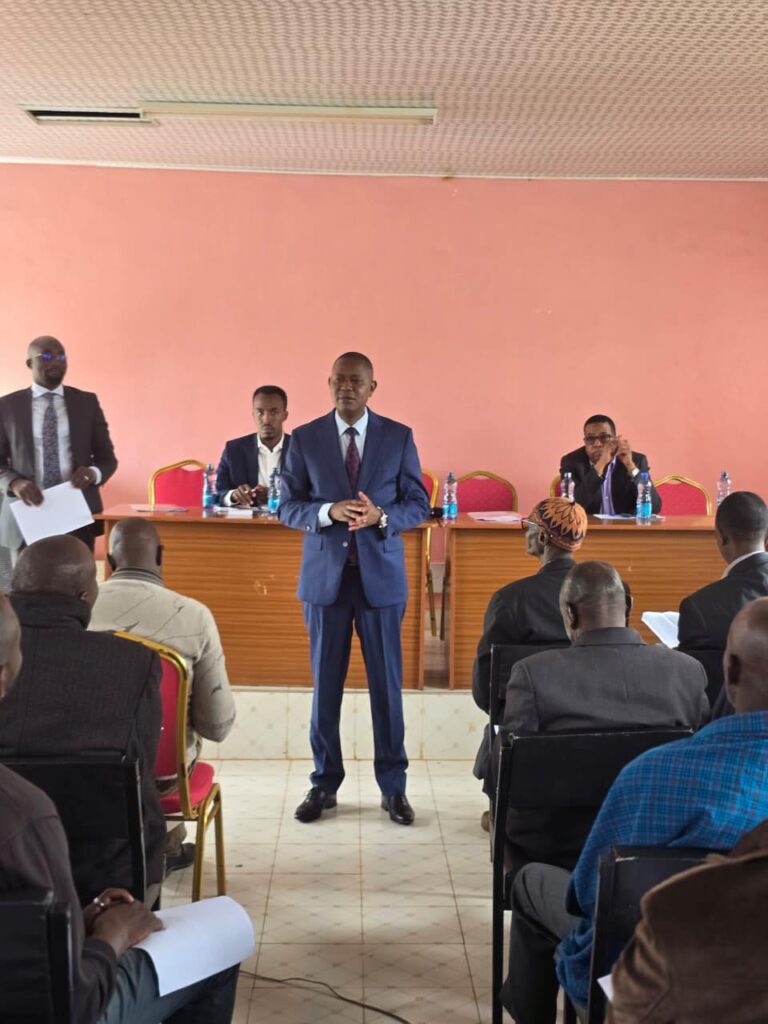
House Team Kicks Off Nationwide Public Participation On Public Participation Bill,2025

The National Assembly’s Justice and Legal Affairs Committee (JLAC) has launched a nationwide public participation exercise on the Public Participation Bill (National Assembly Bill No. 44), 2025, marking a significant step toward strengthening citizen involvement in governance and law-making.

The Bill, co-sponsored by Rarieda MP, Hon. Otiende Amollo, and Ainabkoi MP, Hon. Samuel Chepkonga, seeks to establish a clear legal framework to guide how public participation is conducted across government institutions.

To facilitate the exercise, the Committee has deployed three teams to different regions of the country to collect views from wananchi on the proposed law.

Cluster One, led by Committee Chairperson Hon. George Murugara and comprising Hon. Gladys Boss, Hon. Farah Maalim, Hon. Aden M. Daud, and Hon. Timothy Wanyonyi, began its engagements at the Tana Delta Education Centre in Garsen Constituency, Tana River County. The team later proceeded to the Malindi Municipal Hall in Kilifi County.

Cluster Two is led by Committee Vice Chairperson Hon. Mwengi Mutuse and includes Hon. Suleika Harun, Hon. Timothy Kipchumba, Hon. T.J. Kajwang’, and Hon. Michael Muchira. The team is covering the Eastern and Central regions, with initial forums held at Wote Green Park Gardens in Makueni County and Machakos Social Hall in Machakos County.

Cluster Three, which includes the Bill’s co-sponsor Hon. Otiende Amollo, Nominated MP, Hon. Harold Kimuge, and West Mugirango MP Hon. Stephen Mogaka, commenced its tour in Nakuru County. Public forums were held at the Kenya Red Cross Society Hall in Nakuru, followed by sessions at the ACK Hall in Kericho, West Mugirango NG-CDF Hall in Nyamira County, and the Kisii Agricultural Training Centre in Kisii County.

The exercise will continue across other regions as the Committee seeks to gather comprehensive public views to refine the Bill and entrench meaningful citizen participation in governance.

By Anthony Solly

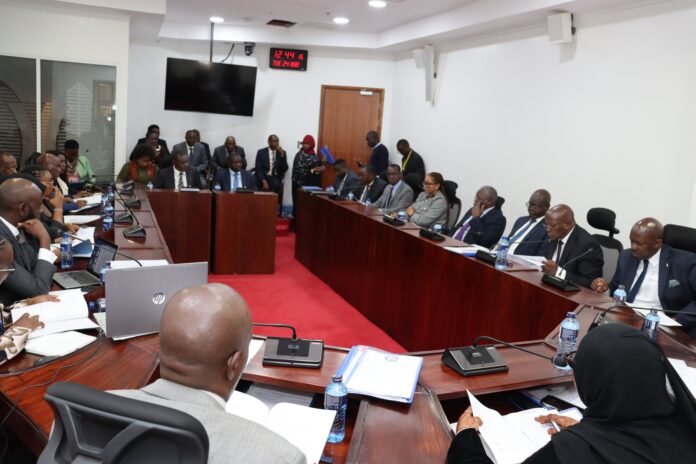
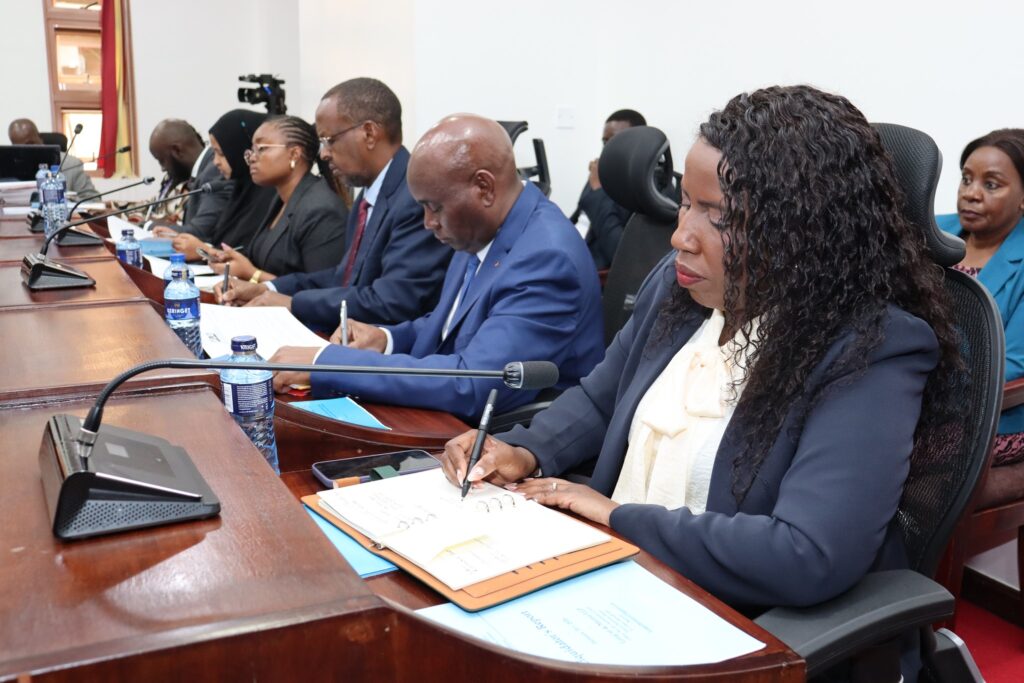
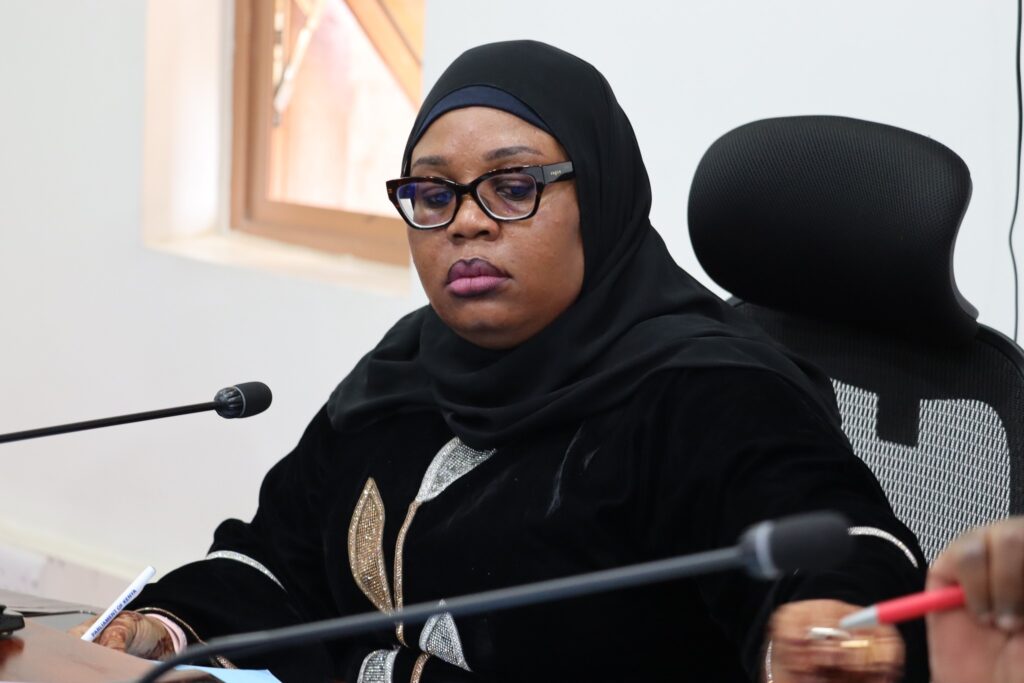
Tuk Pension Scheme Only 13% Funded As Senate Labour Committee Demands Faster Payouts For Retirees

The Senate Committee on Labour and Social Welfare has heard that the Technical University of Kenya’s (TUK) staff pension scheme is only 13% funded, exposing hundreds of current and retired employees to steep losses unless billions in unpaid contributions are recovered.

Presenting findings from the ongoing liquidation at a meeting attended by TUK management, the Retirement Benefits Authority (RBA), petitioners and the former vice-chancellor, the scheme’s liquidator, Long’et Terer—a partner at Long’et and Mumo LLP—told senators that while the fund had KSh 4.3bn in net assets at the point of liquidation in 2024, only KSh 590m was immediately available to meet member benefits. The asset base has since risen to about KSh 858m, but remains far below obligations.

A detailed reconstruction of member records over more than a decade revealed widespread under-remittance of contributions, particularly by the employer. The liquidator’s team calculated KSh 2.8bn in unremitted contributions and KSh 3.4bn in accrued interest, bringing total receivables to about KSh 6.2bn.

The recovery of these funds, senators heard, will be critical to improving payouts, as current assets can only support limited, phased distributions.

“It would then mean that members would only be able to access up to 13%,” Terer said, noting that further payments depend on successful recovery from the sponsor.

The Ministry of Education, led by Principal Secretary for Higher Education Dr Beatrice Inyangala, attributed the crisis partly to long-standing structural underfunding of public universities, particularly following the transition of institutions such as TUK from polytechnics.

“There was a deficit of 13 billion… when it was converted to a university,” Dr Inyangala told the committee, adding that broader funding gaps across the sector had strained universities’ ability to meet statutory obligations.

She said the government had taken steps to stabilise the situation, including partial remittances and payroll support, but acknowledged limitations.

“The Ministry takes responsibility for the funds that were not dispersed to the university. However, once the funds are dispersed, it is the responsibility of the council and management to prioritise their expenditures.”

Senators, however, pushed back against the explanation, warning that financial pressure could not justify failure to remit pension deductions.

“Are you telling universities that where there is underfunding, they can sacrifice even the deductions for pension?” asked Sen Joe Nyutu (Murang’a).

The session also exposed sharp disagreements over accountability, particularly concerning KSh 39.6m in pension contributions that were deposited into a pre-registration account between 2009 – 2013 and later withdrawn.

Former vice-chancellor Prof Francis Aduol said the funds were absorbed into operations during financial distress, but the liquidator contradicted this, confirming the money never reached the pension scheme.

“So was the money later deposited into the pension scheme account—yes or no?” asked the acting committee chair Sen Miraj Abdullahi.

“No,” the liquidator responded.

Lawmakers called for possible criminal investigations into the handling of pension deductions.

“You have identified a criminal activity somewhere—did you invite the DCI or DPP to commence investigations?” Sen Okongo Mogeni (Nyamira) asked the RBA.

Beyond the financial and legal disputes, the human impact of the crisis dominated the hearing.

Retirees and staff representatives told the committee that pension arrears have gone unpaid for years, leaving many in hardship.

“From 2019 we haven’t got any of our pension… we are over 70 now,” said a long-serving lecturer, Eng Alex Mwangi. “We want this money. Why don’t you pay those who have retired as you wait for the others?”

Petitioners warned that delays are already costing lives.

“Just this week, we lost one of the pensioners… we don’t want to wait any further,” the lead Petitioner, Fred Sawenja remarked.

Senators echoed the concern, framing the issue as one of urgency and dignity.

“There are Kenyans out there who stand at the risk of dying without ever enjoying their pension,” Sen Mogeni said.

The government, through the Ministry of Education, has proposed a phased repayment plan to address pension liabilities, including spreading part of the outstanding balance across the 2029/30 and 2030/31 financial years.

The proposal drew sharp criticism from senators, who said the timeline was unacceptable given the age and vulnerability of pensioners.

“Some of those pensioners would be long dead,” Mogeni said. “You are telling somebody to stay hungry for the next four years till 2030.”

Sen Seki Lenku (Kajiado) questioned why the bulk of the payments were not frontloaded in the current and next financial years, and what would bind future administrations to honour the commitments.

The committee insisted that the payment plan be accelerated and backed by firm commitments from both the Ministry of Education and the National Treasury.

For now, the fate of hundreds of pensioners rests on whether the government can move faster than its own timelines. For many already in retirement, the question is no longer how much will be paid—but whether it will come in time.

By Anthony Solly

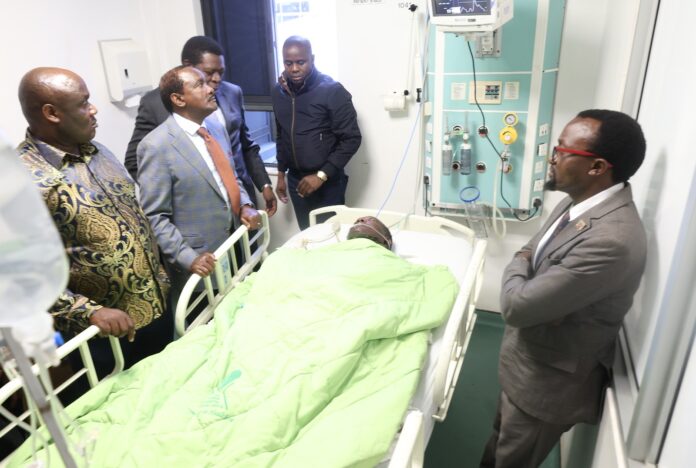
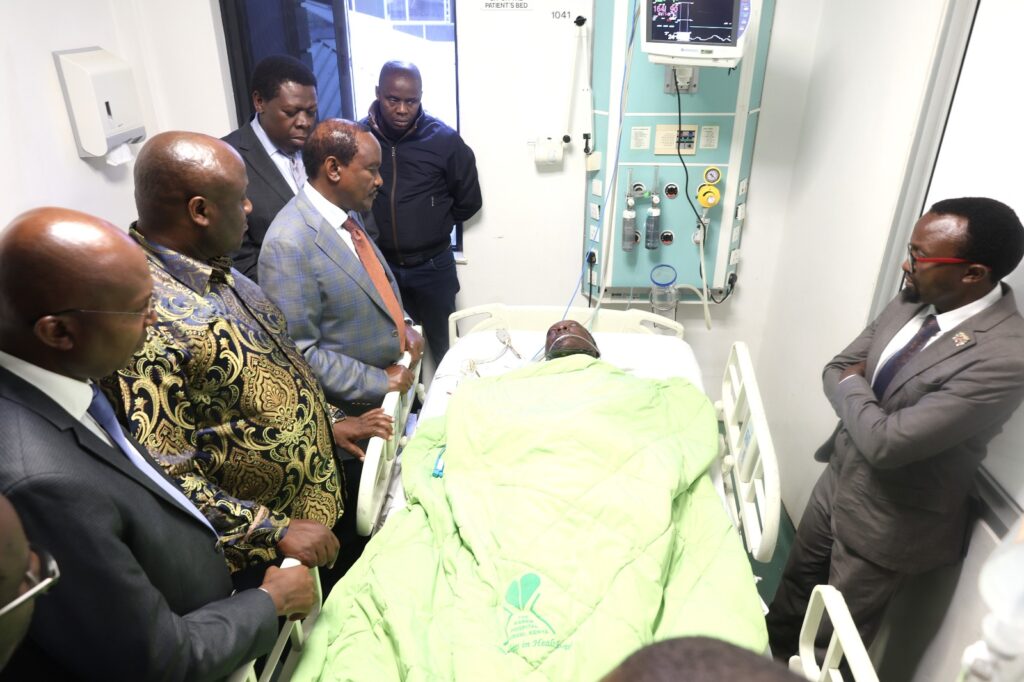
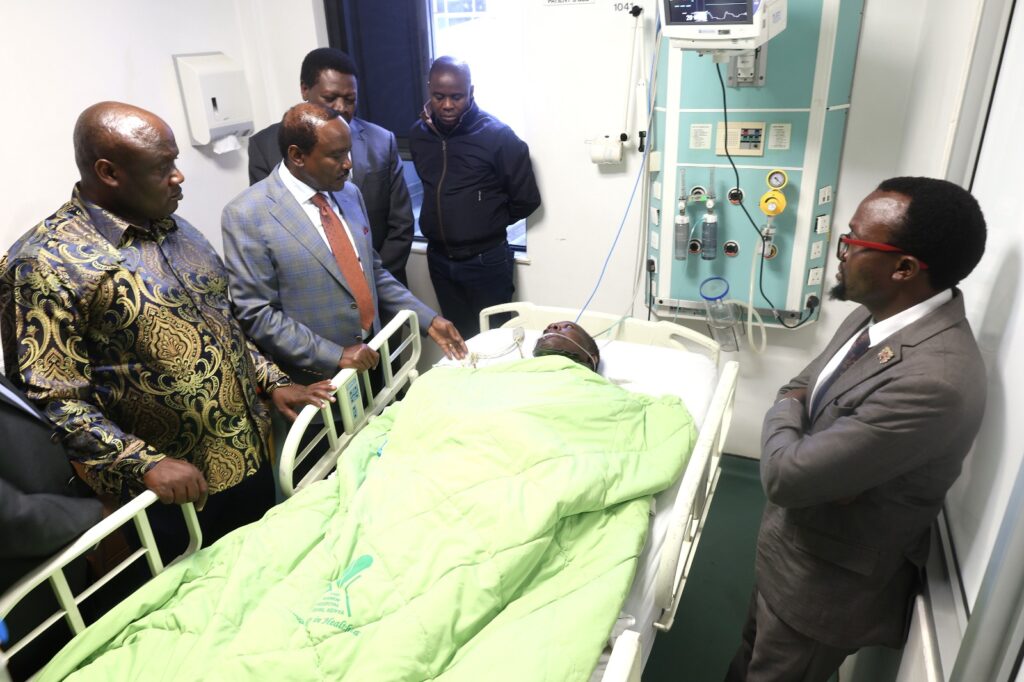
Kalonzo Musyoka, Eugene Wamalwa Visit ‘Ailing’ Raphael Tuju at Karen Hospital

Wiper Party leader Kalonzo Musyoka, DAP-K party leader Eugene Wamalwa, Adv. Ndegwa Njiru among other leaders visited Former Cabinet Secretary Raphael Tuju at Karen Hospital, Nairobi.

According to a statement by Kalonzo on Tuesday, March 24, Tuju is in critical condition, undergoing scans to assess spinal damage.

The Wiper boss criticised authorities for the manner in which Tuju was arrested, noting that he was bundled into a police subaru moments after holding a press conference to explain his whereabouts over the past 36 hours.

“He is in critical condition, undergoing scans to assess spinal damage; injuries inflicted when police officers forcibly a bundled him into their subaru. Disturbingly, Hon Tuju remains under police watch even as he receives treatment,” Kalonzo said.

“We thank the Karen Hospital team for their exemplary care, and we stand firmly with Hon. Tuju until his full recovery,” he added.

Kalonzo also criticised President William Ruto for calling them scavengers.

“William Ruto; you called us scavengers. If Tuju is truly your friend, prove it: STOP THE DAYLIGHT LAND GRAB. Respect his rights and order the immediate withdrawal of police from his hospital room,” he added.

Earlier, Kalonzo claimed that Tuju narrowly escaped a life-threatening medical emergency on Monday evening when his sugar levels reportedly dropped to a critical 1.9, a condition that could have led to his demise within minutes if he had not received immediate medical intervention.

“The sugar level was at 1.9. At one point, we were even told we might lose Tuju due to the very low sugar levels. We could have lost him within 5 minutes,” he stated.

This comes after President Ruto, on Tuesday, March 24, addressed the fiasco surrounding former Cabinet Secretary Raphael Tuju’s disappearance.

Speaking during his tour of Migori County, Ruto claimed that Tuju’s friends lied to him to allegedly stage his abduction.

He stated that Tuju’s friends would benefit from the former CS’s perceived abduction, gaining political clout and positive publicity.

The Head of State argued that Tuju needed friends to help him get out of the rabbit hole he was in, with auctioneers going after his property.

“They lied to him. They asked him to go and hide in his bedroom, then claim that he was abducted. Tuju needs honest friends. He needs honest advice and help, not scavengers who are trying to milk the misfortunes of citizens,” Ruto stated.

The President stated that Tuju needed counsel on how to recover his property. He further called out leaders trying to rope in retired President Uhuru Kenyatta into the saga.

“He needs advice so that he can be helped to save his property. Not conmen who have even invoked Uhuru Kenyatta’s name in their drama,” he stated.

Create a free account, or log in.

Gain access to read this content, plus limited free content.

Yes! I would like to receive new content and updates.

Sponsored Ad

Ad 1
Ad 2
Ad 3
Ad 4
Ad 5
Ad 6