Sponsored Ad

Ad 1
Ad 2
Ad 3
Ad 4
Ad 5
Ad 6
25.9 C
Kenya
Sunday, May 10, 2026
Home Blog Page 231

KCCB Rebukes Political Leaders Over Rising Verbal Attacks, Calls for Decorum in Public Discourse

By Bonface Musyoka

The Kenya Conference of Catholic Bishops (KCCB) has strongly criticised the conduct of political leaders, warning that increasing cases of verbal abuse and public insults are tarnishing the country’s image and weakening confidence in leadership.
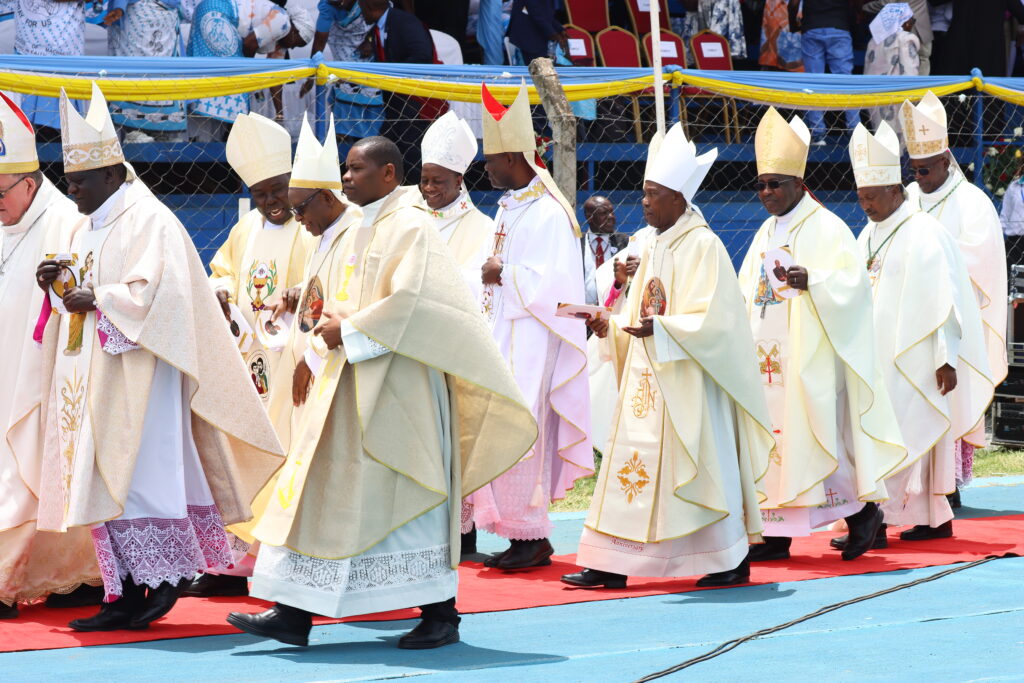
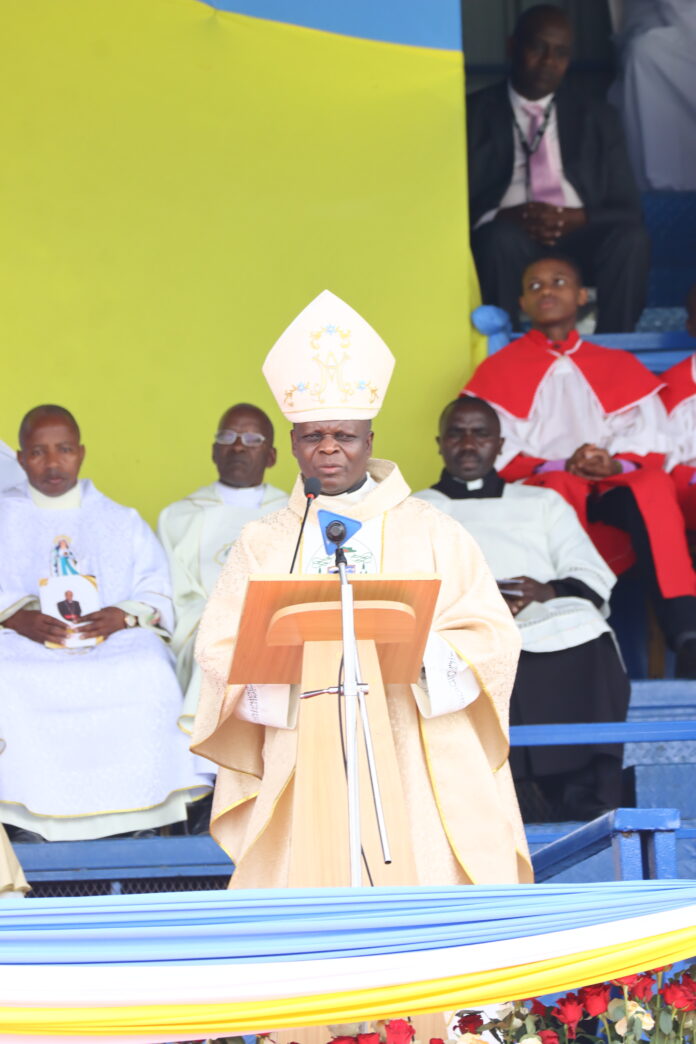
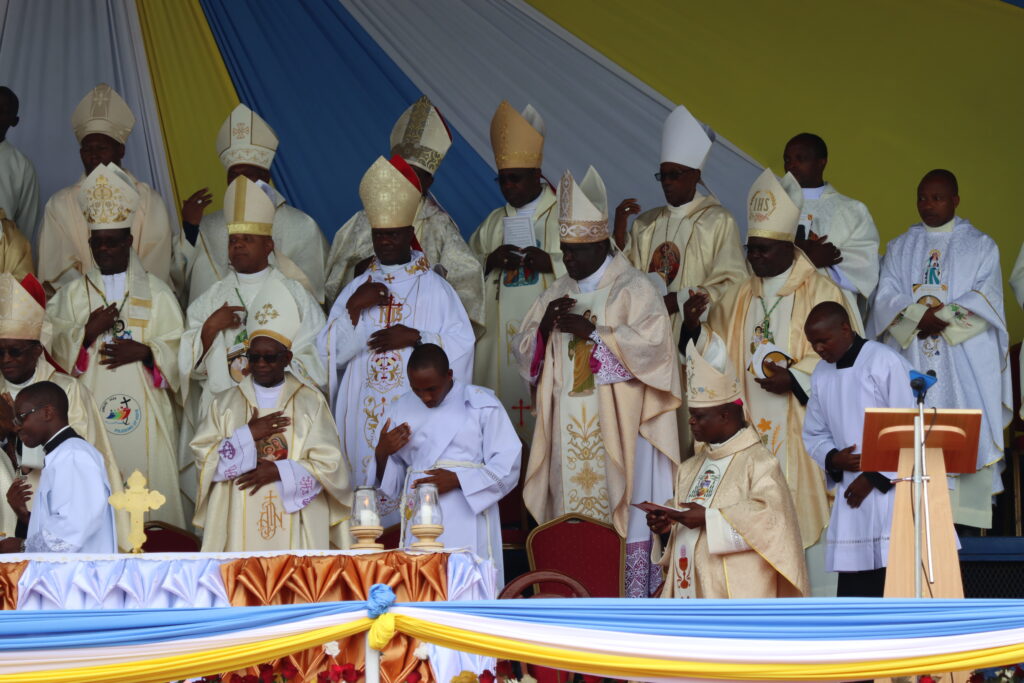
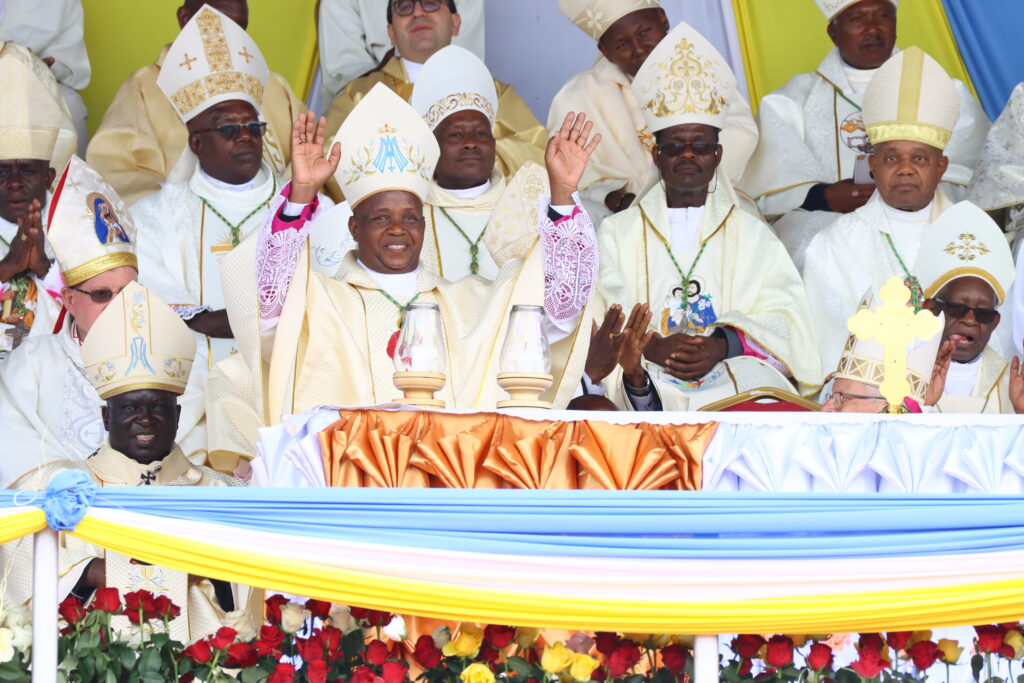
Speaking during a reception of Joseph Mwongela as Coadjutor Bishop of Machakos Diocese, the KCCB chairman Most Rev. Maurice Muhatia Makumba urged politicians to embrace responsibility and uphold dignity in their public engagements.
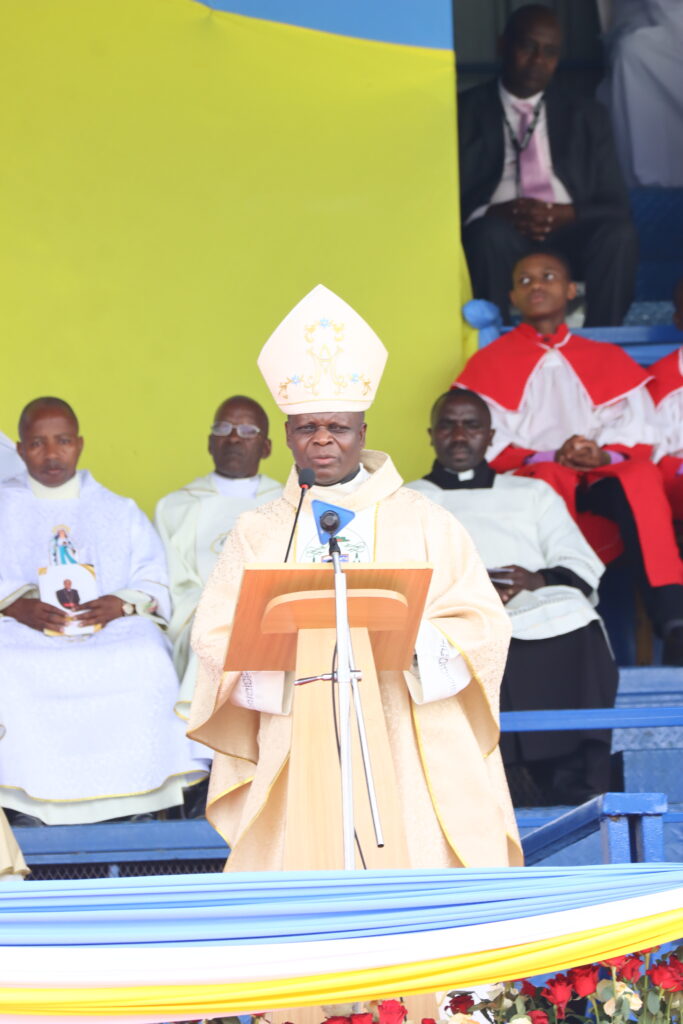
Muhatia said the tone adopted by leaders in recent months has been deeply concerning, noting that Kenyans expect better from those entrusted with public office.
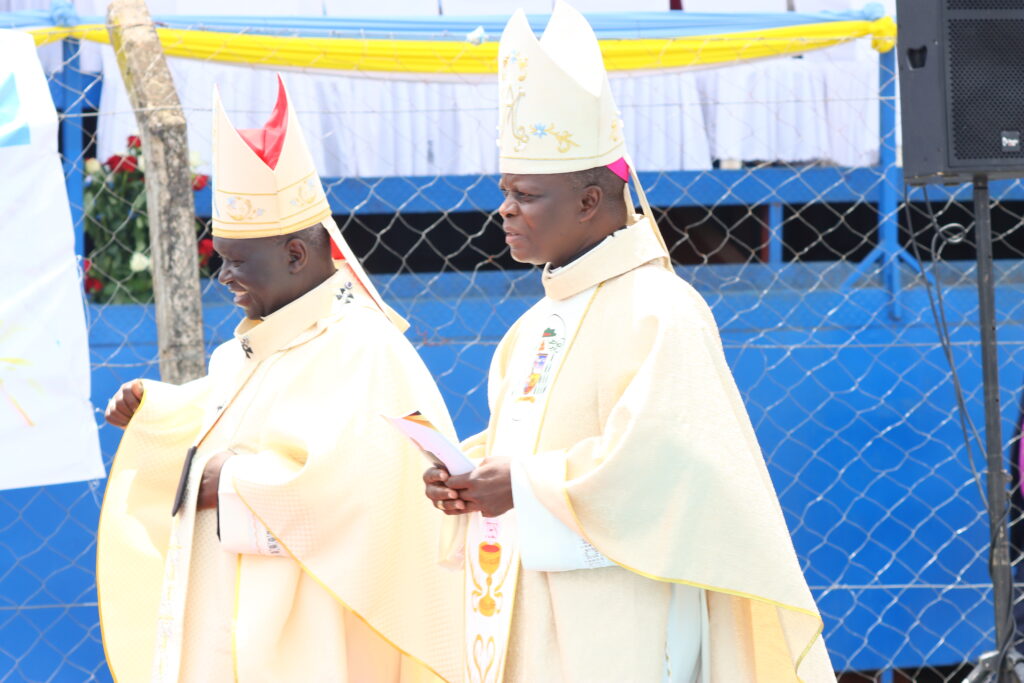
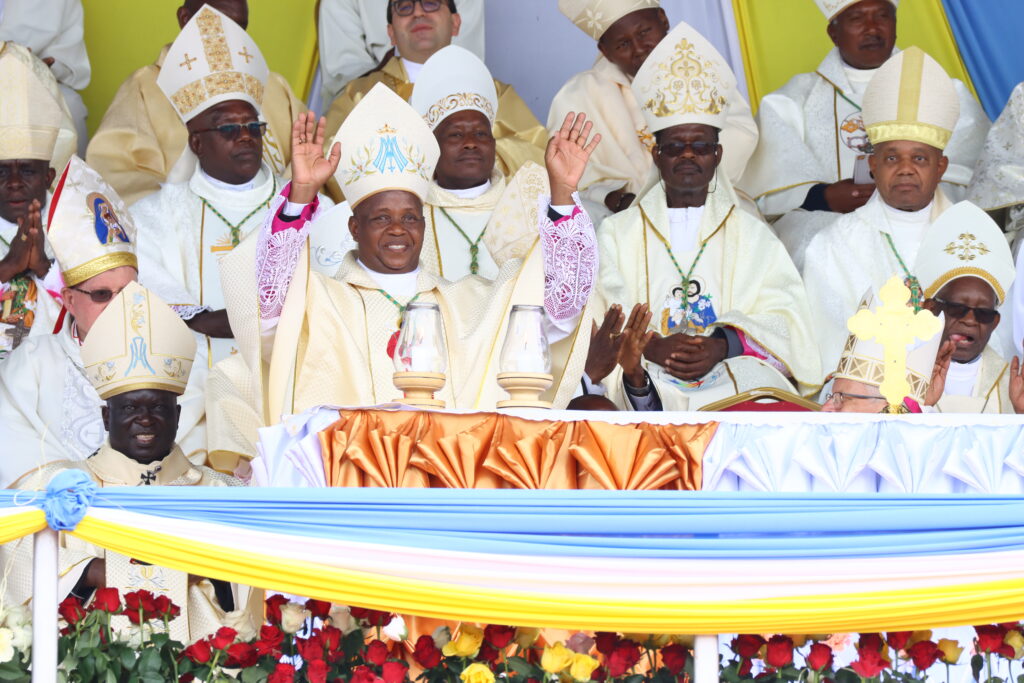
Muhatia further cautioned leaders against reckless speech, stressing the need for responsibility in public discourse.

“Not everything that crosses your mind must drop on your lips. Your opinions are not only to yourselves. The verbal indiscipline we are experiencing is indicative of something worse. Please, let us respect each other,” Muhatia stated.
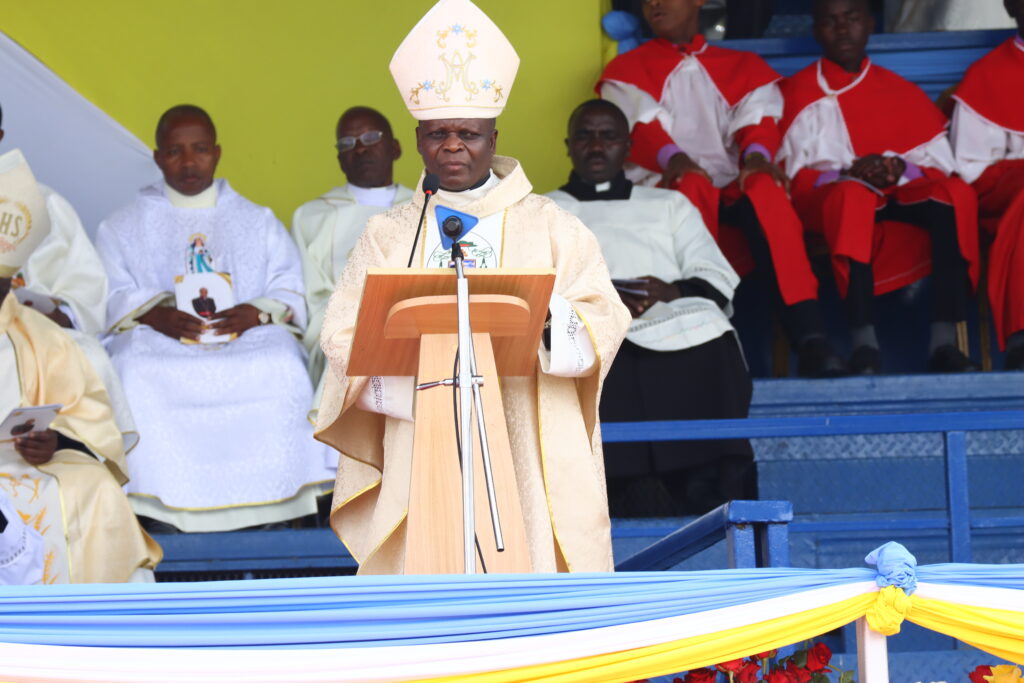
He warned that the reckless and offensive remarks are not only divisive but also harmful to young people who look up to leaders as role models, adding that such conduct risks discouraging future generations from aspiring to leadership.

The KCCB chairman emphasised that differences in opinion should not translate into personal attacks, urging leaders to engage respectfully even when they disagree.
He also called for restraint, cautioning that leaders must be mindful of their words and the broader impact they have on society.

In a pointed remark, Muhatia challenged politicians to keep their personal disputes away from the public arena and instead focus on their shared duty of nation-building.

The bishops further linked the rise in hostile political rhetoric to a worrying decline in leadership standards, warning that continued verbal indiscipline could deepen divisions within the country.

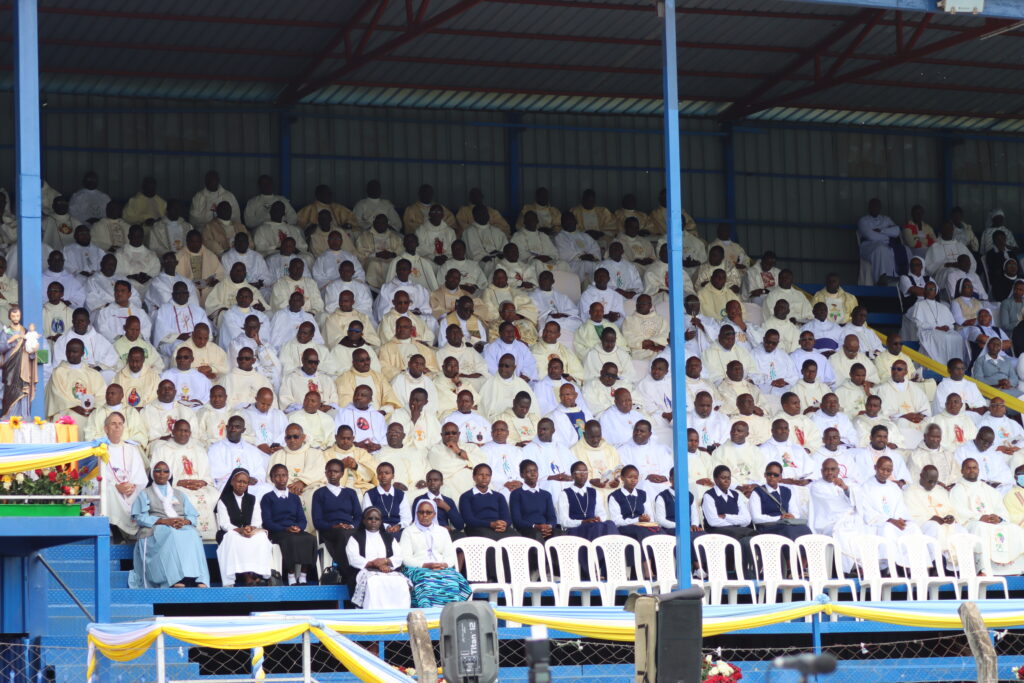
The event, attended by Catholic bishops from across the country, underscored the church’s call for accountable and ethical leadership amid rising political tensions ahead of the 2027 General Election.
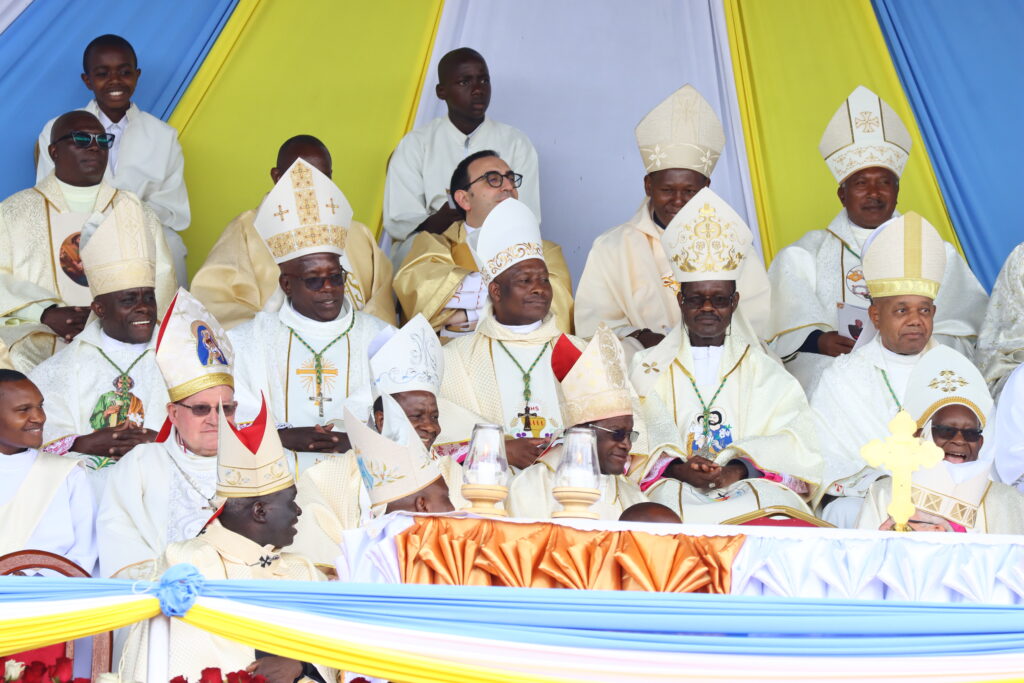
The concerns come amid escalating political tensions ahead of the 2027 General Election, with senior leaders increasingly engaging in public exchanges characterised by insults and inflammatory language.
Recent confrontations between President William Ruto and his former deputy Rigathi Gachagua have attracted criticism from civil society groups, which have accused top leaders of undermining the dignity of public office.

Despite the criticism, President Ruto has remained defiant, maintaining that he will not apologise for his remarks and is ready to confront his political opponents directly.
Religious leaders, through the KCCB, have now called for a shift in tone, urging politicians to prioritise respect, integrity and accountability as the country approaches a critical political period.
Committee Probes Possible Waste of Ksh1.3 Billion in Sports Department Projects

The Public Accounts Committee (PAC) has raised alarm over possible wastage of public funds amounting to more than Kshs. 1.36 billion at the State Department for Sports, due to poor planning and failure to utilize completed projects.

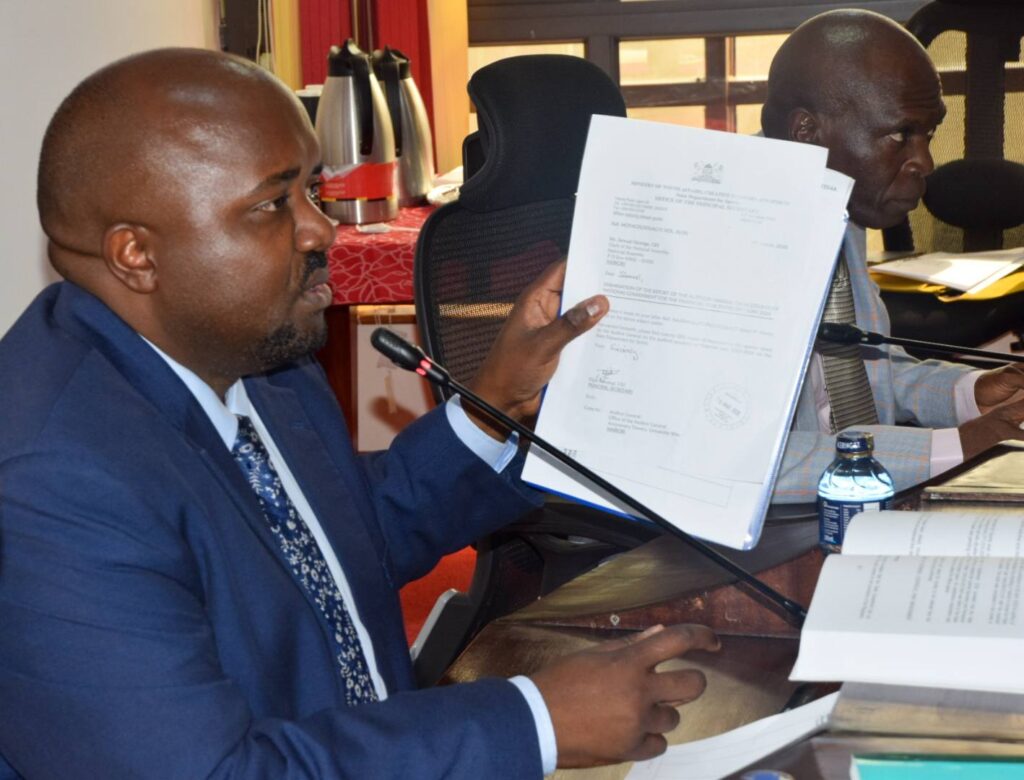
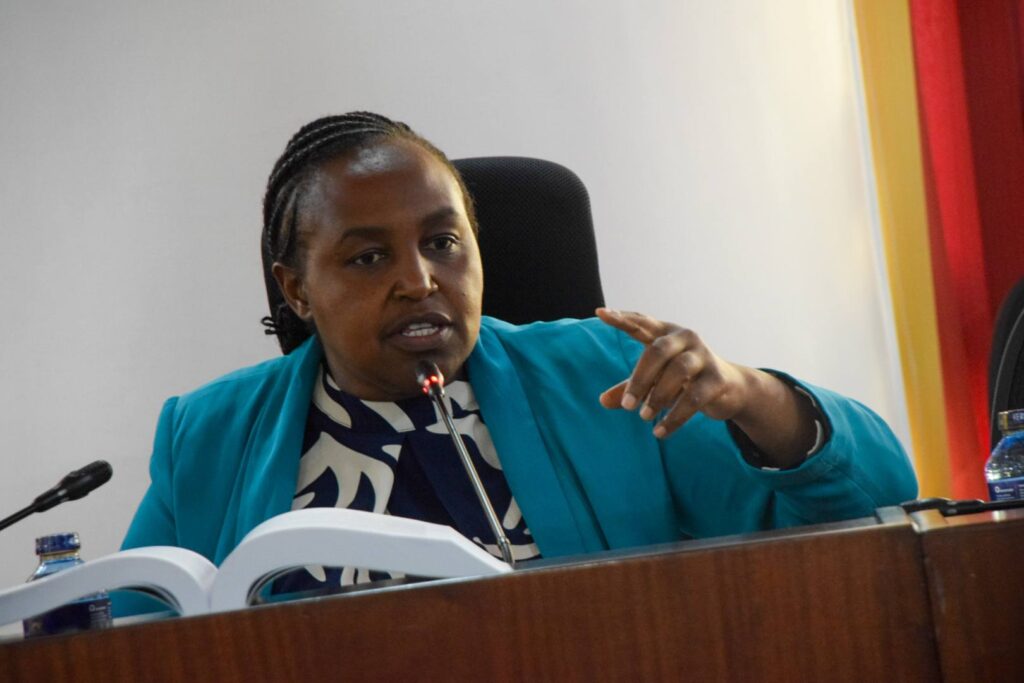
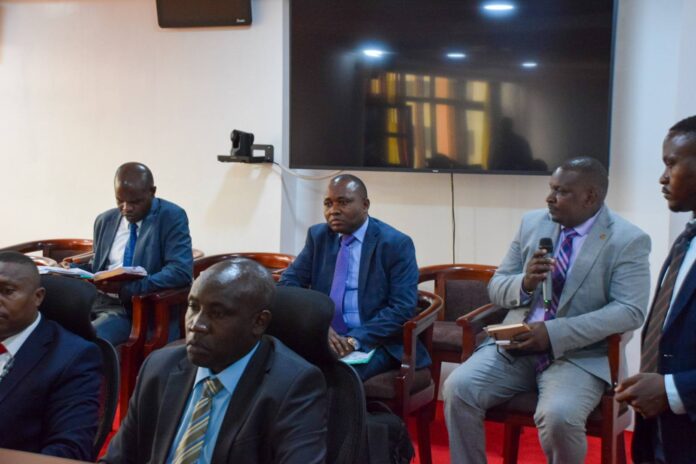
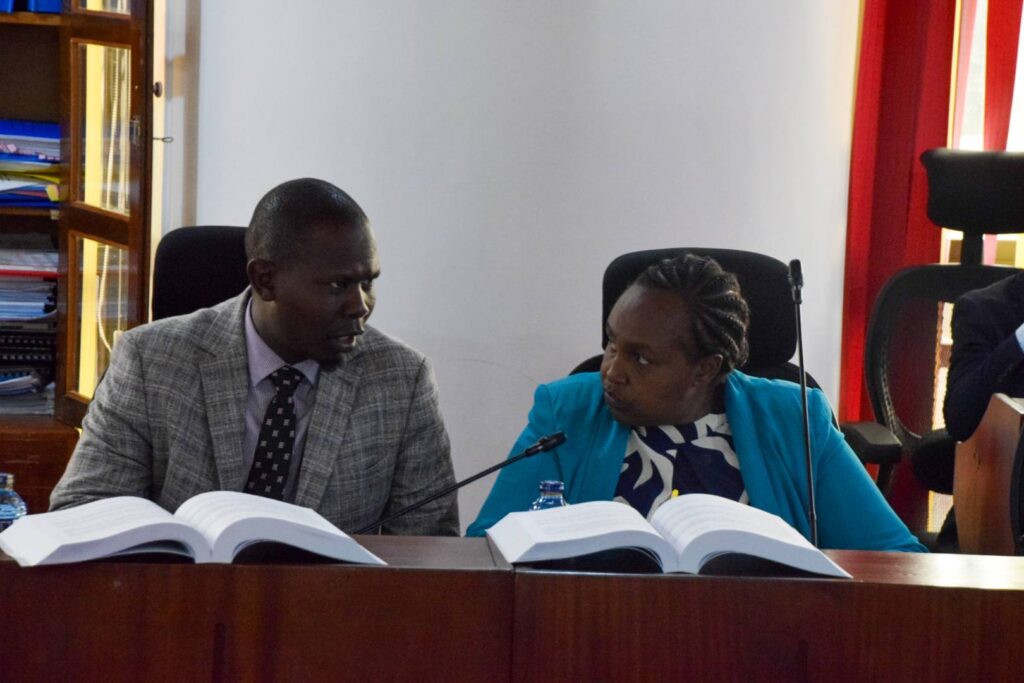
The concerns arose during a session in which the Committee, chaired by Tindi Mwale, examined the State Department’s report of the Office of the Auditor-General for the 2023/2024 financial year.

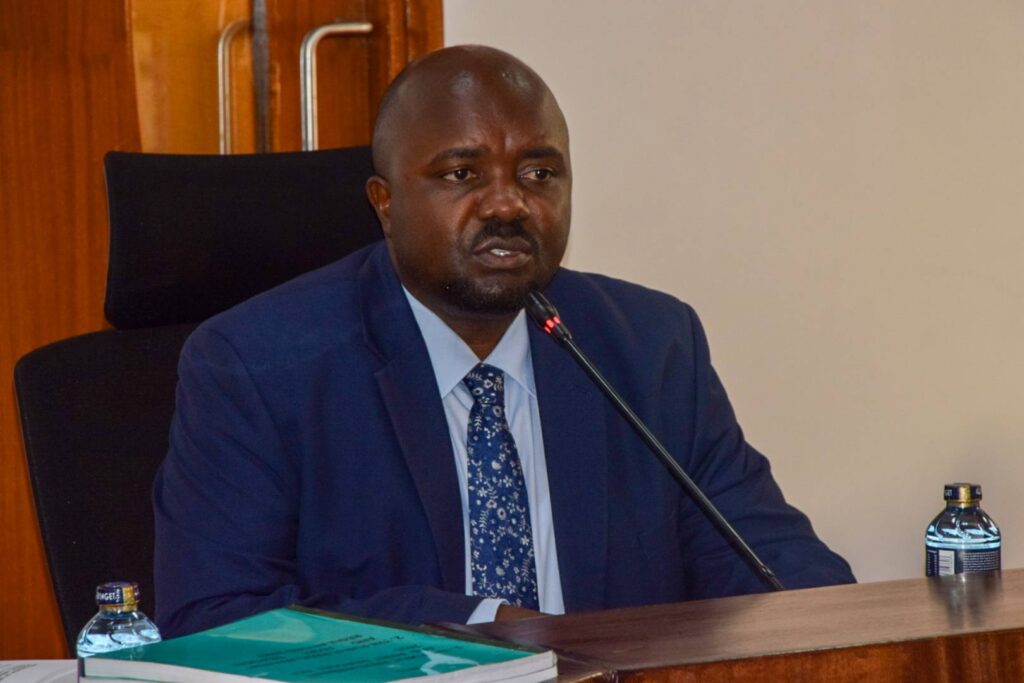
Principal Secretary Elijah Mwangi, who appeared before the committee to respond to audit queries, faced a hard time responding to concerns raised by members on why large sums of money were spent on the two projects without delivering value to the public.

The Auditor-General, in the report for the financial year ended June 30, 2024, flagged the demolition of part of the Jamhuri Posta Sports Ground, which had cost Ksh 1.2 billion, to pave the way for the construction of the Talanta Stadium project. The stadium is expected to host the 2027 Africa Cup of Nations.

According to the audit, two football pitches, restrooms, and access roads constructed under the project were destroyed, raising serious concerns that a significant portion of the Kshs. 1.2 billion investment may have been wasted.

Another concern in the report was the office partitioning project at Maktaba Kuu, which cost Ksh 98.9 million but remained unused after completion, as staff of the State Department were relocated to Talanta Plaza.

As a result of leaving the premises unused, the department has accumulated rent arrears of Kshs. 63,923,644. This means that a combined amount of at least Kshs. 162.8 million, comprising the cost of partitioning and accrued rent, is at risk of being wasted on a facility that has not been utilized.

Hon. Mwale led the committee members in opining that taxpayers got a raw deal in the two projects.

“Do you think there was value for money in the two projects?” posed Hon. Mwale, who challenged the PS to explain the circumstances around both projects, including overlap in planning and changes in office use.

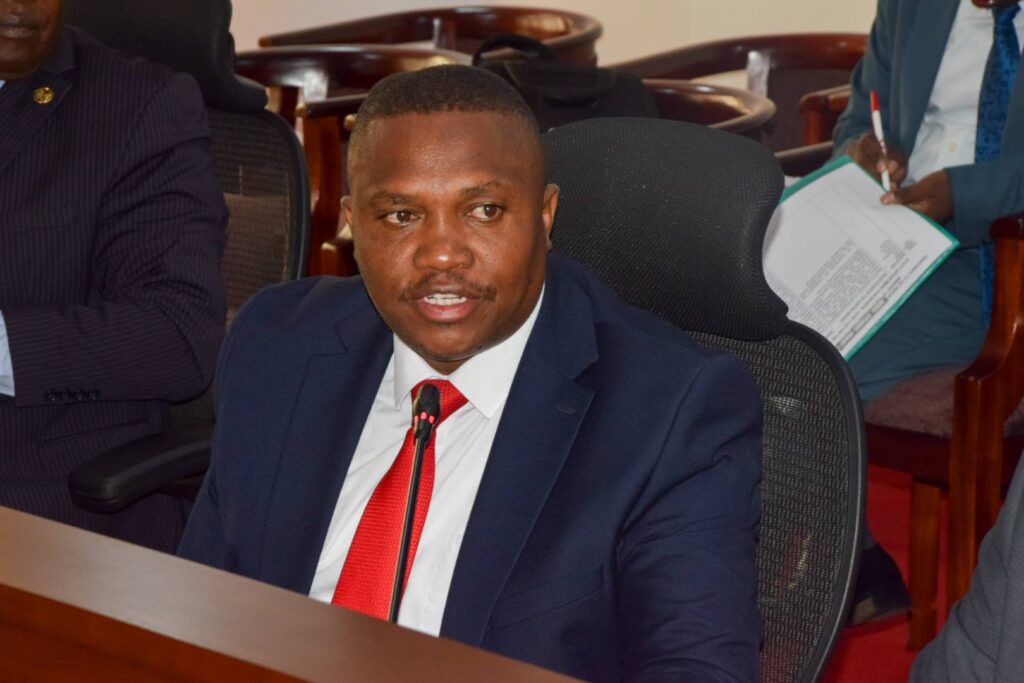
Committee members Hon. Marianne Kitany (Aldai), Hon. Victor Koech (Chepalungu), Hon. Adow Mohammed (Wajir South), Hon. Otiende Amollo (Rarieda), Hon. Edwin Mugo (Mathioya), and Hon. Nabii Nabwera (Lugari) questioned the planning process, pointing out that public funds worth over Ksh 1.36 billion had gone to waste.

In his response, PS Mwangi confirmed that the ultra-modern Talanta Stadium project overlapped with the sports ground and stated that the site had been selected for convenience.

He explained that some facilities had to be removed to allow for the construction of the new stadium, and that the contractor had agreed to rebuild the demolished amenities at a different location.

Regarding the renovations at the Maktaba Kuu office, PS Mwangi acknowledged that the department had initially intended to occupy the offices but later opted to move to Talanta Plaza to consolidate staff in one location.

He added that discussions were ongoing to offset the rent arrears against the cost of partitioning. His explanation, however, did not go down well with members, who noted that the sequence of events pointed to poor planning by the State Department that led to avoidable losses.

The House team requested the PS to avail full documentation of the two projects, and Committee Chairperson Hon. Mwale said members will conduct site visits to verify whether taxpayers’ money was put to proper use.

By Anthony Solly

Ksh34B Boost: Ruto Rolls Out Ambitious Bungoma Transformation Agenda

Bungoma County is set for a major socio-economic transformation following a raft of development initiatives worth over KSh34 billion unveiled by President William Ruto during his three-day development tour of the region.

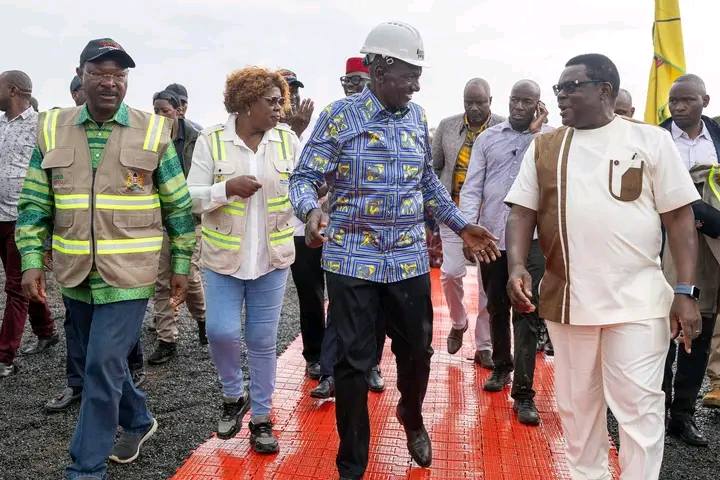
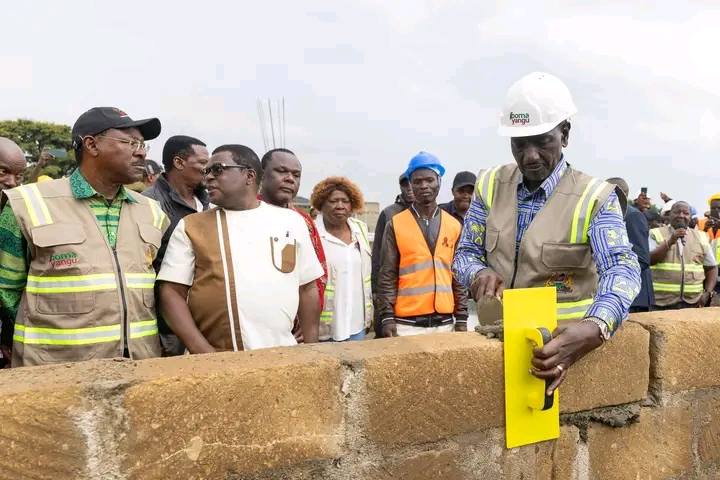
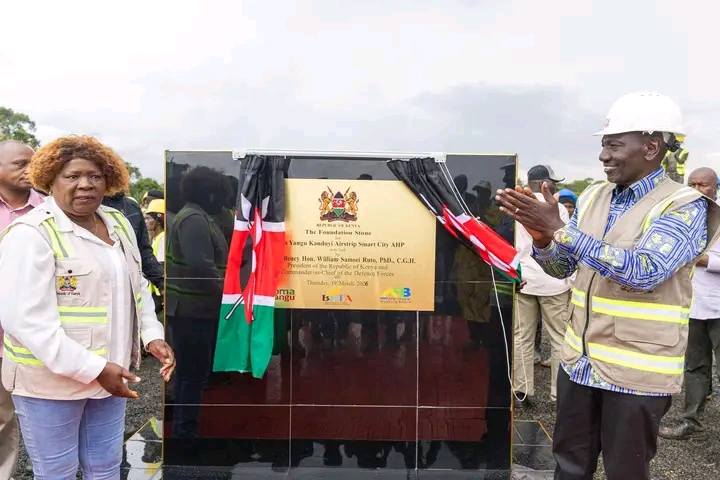
Speaking during the groundbreaking for the Bungoma Smart City at the Kanduyi degazetted airstrip, the Head of State outlined an ambitious development blueprint spanning housing, infrastructure, health,energy, education, and agriculture.

President Ruto said the Smart City project will be a game-changer in positioning Bungoma as a regional economic hub, noting that it will feature 4000 affordable housing units, modern malls, and key social amenities including hospitals and schools.

“With such transformative initiatives, Bungoma will never remain the same again,” said President Ruto.

The President further announced the ongoing construction of modern markets across the county aimed at boosting small-scale traders, alongside the development of student hostels in higher learning institutions. He noted that the hostel projects will benefit over 7,500 students by providing conducive and affordable accommodation.

In the energy sector, President Ruto revealed that more than 26,000 households in Bungoma will be connected to electricity under the national electrification programme, a move expected to spur rural industrialization and improve livelihoods.

On infrastructure, the Head of State said the National Government, in collaboration with the County Government of Bungoma, is fast-tracking the expansion of Matulo Airstrip in Webuye to enhance commercial transport and unlock economic opportunities in the region.

Addressing the agricultural sector, President Ruto assured Nzoia Sugar farmers that the government has streamlined operations within the sugar industry, guaranteeing timely payments and the resumption of sugarcane bonuses.

“Our reforms in the sugar sector will ensure that farmers are paid promptly after delivering their cane and begin to receive their long-awaited bonuses,” he stated.

Bungoma Governor Kenneth Lusaka lauded the President for what he termed as a historic and transformative development tour, saying the projects will significantly uplift the county’s economic trajectory.

Governor Lusaka urged the President to expedite the completion of key infrastructure projects, including the Dorofu–Sang’alo–Musikoma and Misikhu–Brigadier,Mayanja-Bisunu-Sirisia roads, noting their critical role in enhancing connectivity and trade.

“Once these projects are completed, the impact will be immense. Bungoma is firmly on a transformative path,” Lusaka said.

The Governor, who also serves as President Ruto’s Western Kenya re-election coordinator, rallied residents to support the President’s 2027 re-election bid, expressing confidence in his development track record.

“No former President has served a single term, and President Ruto will be no exception. His development agenda is firmly steering this country towards a Singapore-like trajectory,” he added.

The multi-billion-shilling investment signals a renewed push by the national government to accelerate equitable development in the Western region, with Bungoma emerging as a key beneficiary of the administration’s bottom-up economic transformation agenda.

By Anthony Solly

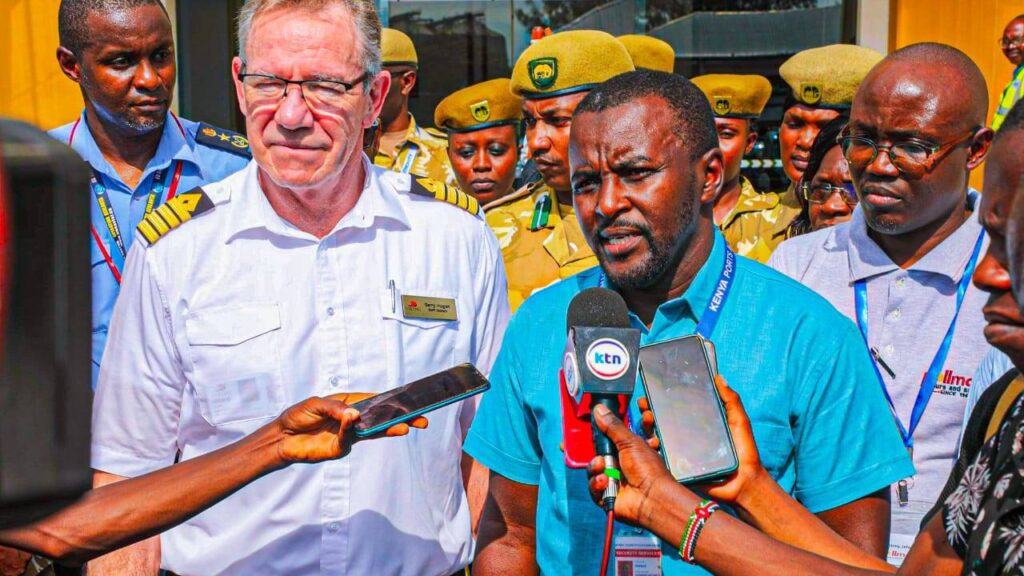
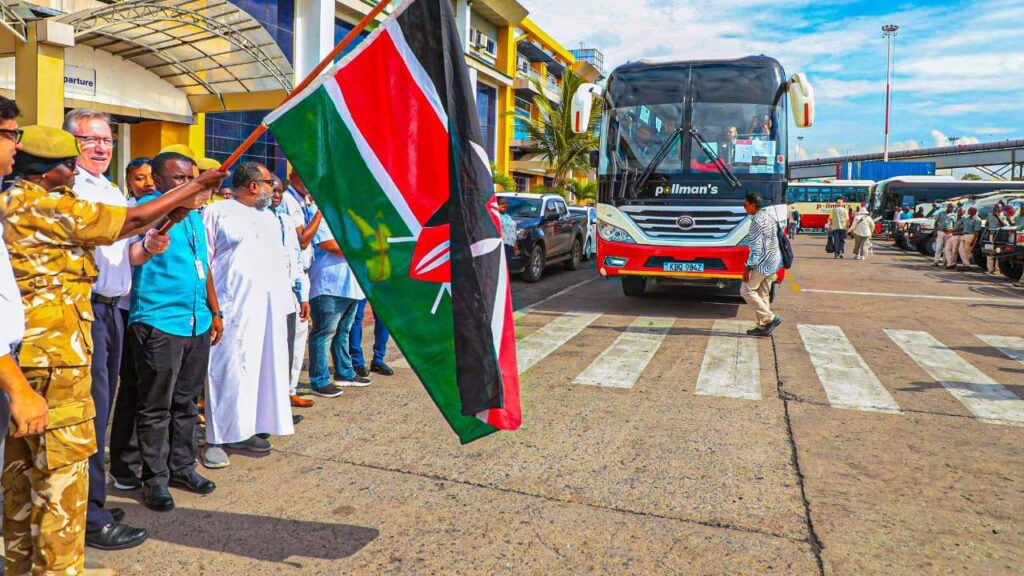
Kenya Strengthens Cruise Tourism Appeal As International Vessel Docks In Mombasa

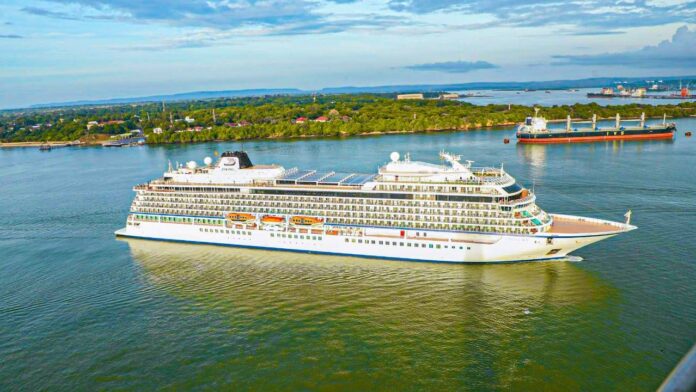
Mombasa, Kenya – 19th March 2026 – Kenya has reaffirmed its growing stature as a premier cruise tourism destination following the arrival of an international cruise, MV Viking Sky, has brought 789 passengers and 476 crew members to the port city of Mombasa marking another milestone in positioning the country as a leading hub along the Indian Ocean cruise circuit.

The vessel, carrying hundreds of passengers and crew from across the world, reflects renewed global confidence in Kenya’s tourism offering and the success of collaboration between government agencies and private sector stakeholders.

Welcoming the vessel on behalf of the Managing Director, Kenya Ports Authority, Mr. Tonny Kibwana expressed delight at the continued growth of cruise ship calls, noting that the Port of Mombasa remains a vital gateway connecting international visitors to Kenya’s diverse tourism attractions. He reaffirmed the Authority’s commitment to efficient port services and seamless visitor experiences.

The Kenya Wildlife Service (KWS), represented by Ms. Elema Hapicha on behalf of the Director General, invited visitors to explore Kenya’s iconic parks and reserves, highlighting the country’s exceptional biodiversity and unique wildlife experiences.

She noted that, to enhance accessibility and grow cruise tourism, KWS is offering group discounted park entry rates for both cruise passengers and crew, enabling visits to key destinations such as Amboseli, Tsavo East, Tsavo West, Shimba Hills and Marine Parks.

She warmly welcomed the visitors and expressed confidence that their experience in Kenya would be memorable and enriching. The group offer is extended through tour operators handling cruise tourism.

The docking forms part of the broader Cruise-to-Park Initiative, which links port arrivals to inland tourism experiences and encourages visitors to extend their stay.

Polimans Tours & Safaris, a key tour operator facilitating these excursions, also welcomed the visitors. The Finance Director, Mr. Lambodara Hotta, expressed appreciation to the Kenya Wildlife Service for the discounted rates and strong partnership, noting that the collaboration is enhancing cruise tourism and ensuring visitors enjoy unique and memorable experiences across Amboseli, Tsavo East, and Tsavo West.

Stakeholders emphasized that continued collaboration between the Kenya Ports Authority, Kenya Wildlife Service, and private sector players is key to unlocking the full potential of cruise tourism and positioning Kenya as a competitive and sustainable destination.

Visitors were wished a pleasant stay and an enriching journey as they explore Kenya’s landscapes, wildlife, and culture.

By Anthony Solly

High Court Declines to Suspend the JSC Vice-Chairperson

The High Court has dismissed a Petition and an application that sought the suspension of a Member of the Judicial Service Commission (JSC).

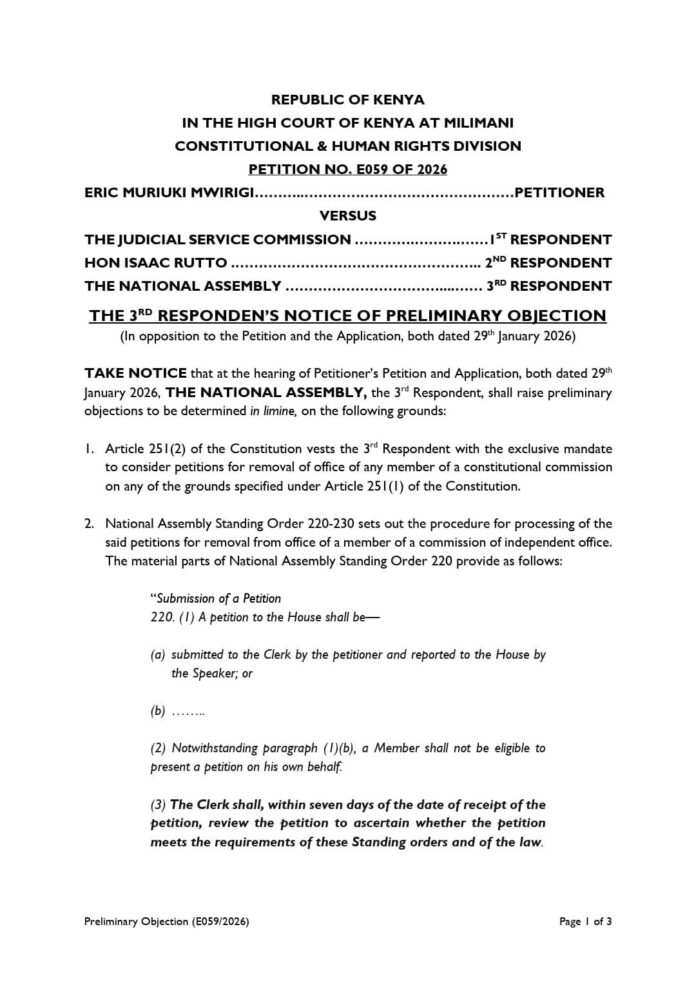
In its ruling, the High Court agreed with the National Assembly’s argument that the petition had been filed prematurely, as the matter was still under consideration by the House.

The Applicant; Mr. Eric Muriuki Mwirigi, had asked the Court to suspend JSC Commissioner and Vice-Chairperson Hon. Isaac Rutto pending conclusion of a petition in which he (Mr. Mwirigi) had filed in the National Assembly for the Commissioner’s removal on account of alleged political partisanship.

In his ruling, Justice Bahati Mwamuye agreed with a preliminary objection raised by the National Assembly against the said application, on account that the House was yet to dispense with two Petitions before it on the matter; including one by Mr. Mwirigi himself.

The judge thus admitted the National Assembly’s preliminary objection and dismissed the application and asked all parties to bear their respective costs.

The National Assembly, had in its submissions argued that the said application before Court was premature, and that issuing any of the prayers sought would interfere with active Parliamentary proceedings.

“The Petition is non-justiciable having been instituted contrary to the doctrine of ripeness, justiciability, constitutional avoidance, principle of separation of powers, and the doctrine of exhaustion,” argued the National Assembly.

The National added: “To that extent, the Petitioners’ Notice of Motion and Petition are speculative and deal with prospective anticipatory circumstances rather than current or probable events.

In the Petition before the national Assembly Mr. Mwirigi has accused Hon. Rutto of alleged display of political partisanship arising from a meeting of the ruling United Democratic Alliance (UDA) National Governing Council held on 26th January 2026.

“This Honourable Court lacks therefore jurisdiction to hear and determine the Petition and the Application as the issues raised are actively under consideration by the National Assembly”, argued the House in its affidavit.

Article 251(2) of the Constitution vests the National Assembly with the exclusive mandate to consider petitions for removal of office of any member of a constitutional commission on any of the grounds specified under Article 251(1) of the Constitution.

By Anthony Solly

Kedipa Backs Bold Reforms to End Systemic Barriers for Persons with Disabilities

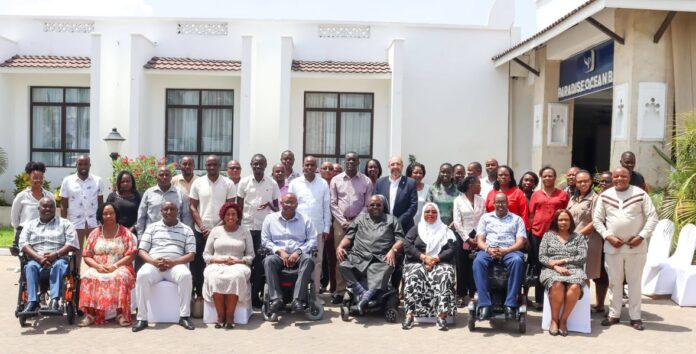
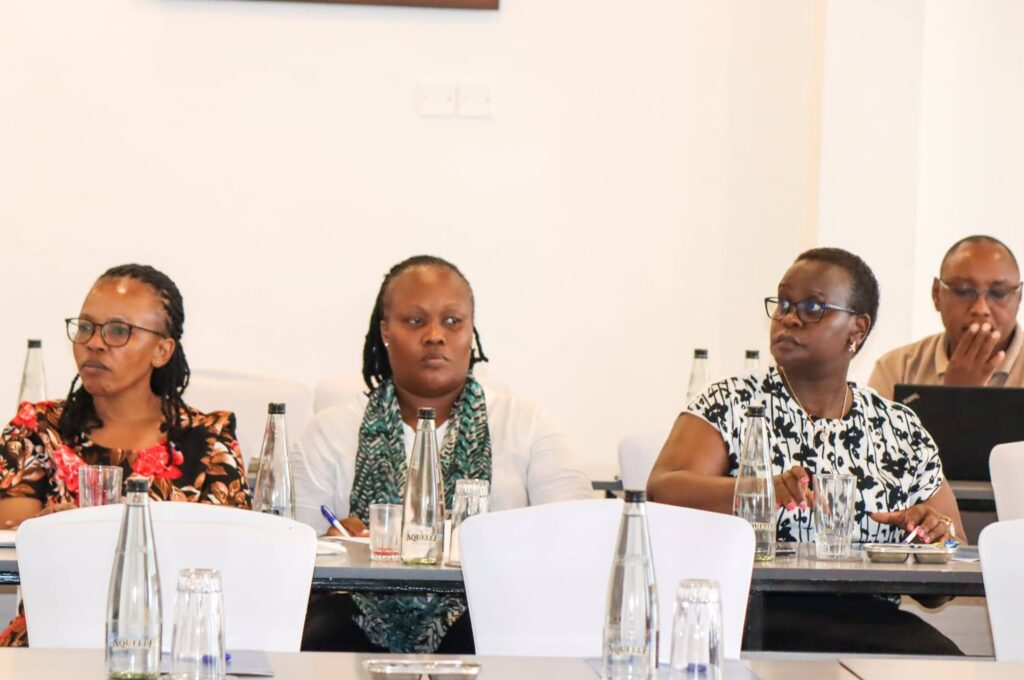
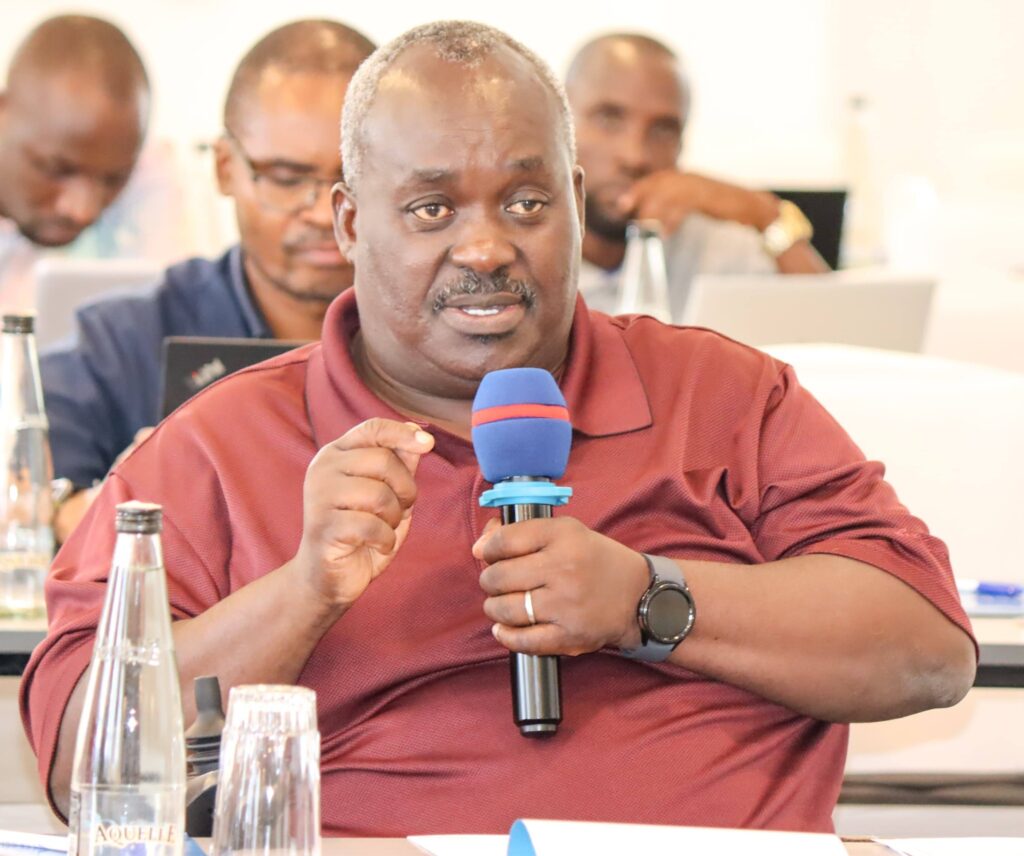
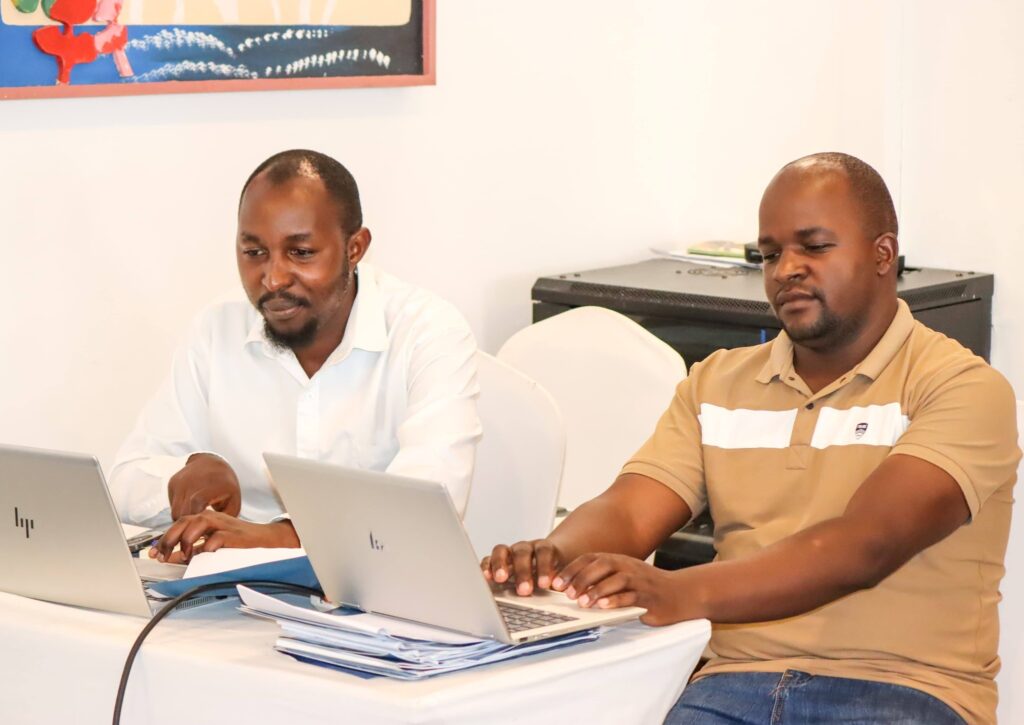
The Kenya Disability Parliamentary Association (KEDIPA), chaired by Hon. Timothy Wanyonyi (Westlands), has concluded a multi-sector engagement with key institutions, signaling a clear shift from policy intent to practical, enforceable action on disability inclusion.

Working alongside the Committee on Social Protection, the Caucus brought together stakeholders to confront lived realities and discuss solutions that directly improve the daily experiences of persons with disabilities.

Legislators in engagement with the Kenya Airports Authority (KAA) stated the unacceptable conditions faced by passengers with disabilities. Members cited distressing accounts, including a wheelchair user left stranded at Moi International Airport due to the absence of personnel and essential boarding equipment.

The Caucus further highlighted the lack of accessible infrastructure such as designated parking and inclusive facilities, as well as degrading practices where individuals are physically carried due to inadequate machinery.

KEDIPA issued firm directives for urgent modernization of airport facilities, guaranteed availability of mobility aids, and mandatory staff training to uphold dignity, safety and professionalism across all airports.

Discussions with the National Council for Persons with Disabilities (NCPWD) and the Kenya Revenue Authority (KRA) focused on reforming tax exemption frameworks, with Members terming current provisions discriminatory for excluding neurodiverse persons and those with invisible disabilities.

The Caucus called for expanded legal recognition, humane and dignified assessment processes. They further engaged on the need to stop repetitive reviews for persons with permanent disabilities and advocated for enhanced training for officers.

Further, institutions were tasked with strengthening coordination, aligning data systems, and restoring disability mainstreaming indicators in performance contracts to ensure measurable progress.

Engagements with the Teachers Service Commission (TSC) underscored the need to empower teachers supporting learners with disabilities through targeted training, resources, and institutional support, while also exploring responsive measures to support teachers with spouses or children with special needs.

The National Police Service Commission committed to developing post-retirement medical cover for officers, establishing a dedicated Disability Management Unit, and formulating compensation frameworks for officers who sustain serious injuries, ensuring disability inclusion within both uniformed and civilian cadres.

The forum also addressed barriers to economic empowerment, including limited awareness and staffing challenges affecting access to government procurement opportunities, particularly in rural areas. KEDIPA emphasized targeted outreach, strengthened support systems and improved coordination across agencies.

Members of KEDIPA pledged to dismantle systemic barriers and aims to deliver a more inclusive Kenya, where dignity, equity, and opportunity for persons with disabilities are fully realised in practice.

By Anthony Solly

From ESG Reporting to Real Impact: AGL Turns Commitment into Action Ahead of AEW 2026

Africa Global Logistics (AGL) is shifting the narrative around environmental, social and governance (ESG) practices in Africa’s logistics sector—moving beyond reporting frameworks to deliver measurable, on-the-ground impact.

As the company strengthens its sustainability agenda, it is demonstrating how corporate commitments can translate into real economic, environmental and social outcomes across the continent.

Ahead of African Energy Week (AEW) 2026, where AGL will participate as a Diamond Sponsor and Logistics Partner, the company is positioning itself at the forefront of sustainable logistics transformation.

The event, set to take place in Cape Town from October 12 to 16, will bring together governments, investors and industry leaders to explore how ESG strategies can drive tangible development.

AGL’s sustainability strategy is built on three core pillars, beginning with logistics decarbonization.

The company has committed to reducing greenhouse gas emissions through initiatives such as transitioning to low-carbon energy and expanding electrification.

This has already produced results, with two depots in Zambia now fully powered by solar energy and all terminal equipment in Ivory Coast operating on electric systems.

Additionally, 13 AGL-operated terminals have achieved Green Terminal Status, reflecting progress in reducing environmental impact.

The second pillar focuses on fostering inclusive trade—an essential priority in a continent where infrastructure gaps continue to limit economic integration.

AGL is addressing this challenge by developing over 40 logistics corridors and 66 dry ports across Africa, connecting inland production zones to both domestic and international markets.

Among its flagship projects is the Kribi Industrial Zone in Cameroon, launched in March 2026, alongside its operation of the Lobito Corridor Terminal, which links regional supply chains to global export routes.

AGL’s third pillar centers on addressing social challenges through capacity building and workforce development.

By aligning with global frameworks such as the United Nations Global Compact, the company has introduced initiatives to support youth innovation and entrepreneurship.

These include a hackathon in Ivory Coast, organized with the MSC Foundation and the Horn Foundation, aimed at developing solutions to logistics and sustainability challenges.

Its partnership with the French African Foundation further reinforces efforts to nurture emerging leaders across Africa.

With Africa’s logistics and energy sectors rapidly evolving, AGL’s approach reflects a broader shift toward impact-driven ESG strategies.

As stakeholders gather at AEW 2026, the focus will increasingly be on how companies can align sustainability ambitions with Africa’s development priorities—turning commitments into lasting change.

“Always On” Work Culture Driving Digital Anxiety Among Employees, Survey Finds

A growing number of employees across the Middle East, Türkiye and Africa are struggling to disconnect from work, with new research from Kaspersky revealing a sharp rise in what experts describe as “digital anxiety.”

According to the survey, 83% of employees remain connected to work even during their personal time, reflecting a workplace culture where switching off has become increasingly difficult.

The findings show that 85% of respondents continue to respond to work-related messages on instant messaging platforms, while an equal proportion regularly check emails outside official working hours.

More than four in five employees admit to replying to emails even while on vacation.

This constant connectivity is taking a psychological toll.

Many workers report heightened stress linked not only to workload but also to digital interactions.

Simple mistakes, such as sending messages to the wrong chat group, trigger anxiety for 43% of respondents.

However, not all digital errors carry the same weight, with 40% saying they are less concerned about sending incomplete emails.

The study highlights how blurred boundaries between personal and professional life are intensifying feelings of being constantly monitored.

Over a third of employees say they feel uneasy or even fearful if their supervisors notice them using social media during work hours, further amplifying workplace pressure.

Experts warn that the “always-on” culture may have long-term consequences, including burnout, reduced productivity, and declining overall well-being.

Beyond mental health concerns, the pressure to respond quickly is also creating cybersecurity vulnerabilities.

Employees acting under stress are more likely to click on suspicious links or respond to fraudulent requests without proper verification, increasing exposure to phishing attacks and other cyber threats.

To address these risks, Kaspersky advises employees to slow down before responding to messages, treat urgent or unexpected requests with caution, and avoid accessing sensitive information over unsecured networks.

The company also emphasizes the importance of using secure technologies and maintaining strong cybersecurity awareness.

At an organisational level, businesses are encouraged to invest in regular cybersecurity training and adopt advanced protection systems to reduce the impact of human error.

As digital communication continues to dominate modern workplaces, striking a balance between connectivity and well-being is becoming increasingly critical.

Kitui Public Participation On Health Financing And Revenue Bills Concludes Successfully

Today marked the successful conclusion of a series of public participation forums conducted by Members of the County Assembly on the proposed Kitui County Health Facilities Improvement Financing Bill, 2026, and the Kitui County Revenue Administration Bill, 2026. The exercise culminated in a vibrant session held at Mutha AIC in Kitui South Sub-County.

Led by Ikutha MCA, Hon. Hussein Mwandia, the forums brought together residents from the six wards of Kitui South Sub-County, providing an inclusive platform for them to share their views, recommendations, and aspirations on the two crucial Bills.

The primary objective of the Kitui County Health Facilities Improvement Financing Bill, 2026 is to establish a system for collecting, retaining, and managing revenue generated by public health facilities, with the aim of improving service delivery. Once enacted, the Bill is expected to enhance the operational capacity of health facilities and significantly improve access to quality healthcare services across the County.

Members of the public largely supported the proposal but called on the concerned ministry to fully automate payment systems in all health facilities to curb misappropriation of funds.

Participants also advocated for inclusive representation of youth, women, and persons with disabilities in hospital management boards. They further proposed the establishment of an independent panel to recruit and vet members to the hospital management boards and teams.

On the other hand, the Kitui County Revenue Administration Bill, 2026 seeks to establish a structured framework for the administration of county revenue laws. The Bill also proposes the appointment of a County Receiver of Revenue and revenue collectors in accordance with Section 157 of the Public Finance Management Act, 2012.

Enactment of this law will pave the way for the full operationalization of the Kitui County River Basins and Conservation Act, 2024, as well as the Kitui County Finance Bill, 2025.

While thanking the public for attending the forum at Mutha AIC, the area MCA, Hon. Dominic Mwamisi, reaffirmed the County Assembly’s commitment to ensuring that public views shape legislation that impacts their daily lives. “We thank all of you who took part in this vital process and look forward to delivering laws that will transform the lives of our electorate,” stated Hon. Mwamisi.

Members of the public who were unable to attend the physical meetings can still submit their views on the two Bills via Google Meet, starting tomorrow at 10:00 a.m., using the link provided below.

By Anthony Solly

South Africa Moves to Shape Podcasting Future Through Multi-Stakeholder Roundtable

South Africa is set to take a significant step toward shaping the future of its fast-growing digital audio space, as Parliament’s Portfolio Committee on Communications and Digital Technologies prepares to host a high-level roundtable on podcasting on March 24, 2026, in Cape Town.

The session, themed “A Multi-Stakeholder Dialogue on Podcasting,” will bring together legislators, policymakers, regulators, podcasters and industry stakeholders to explore how best to balance regulation with innovation in an increasingly influential sector.

The initiative comes at a time when podcasting is experiencing rapid growth across South Africa, fueled by rising smartphone penetration, improved internet access and the emergence of a vibrant creator economy.

Chairperson of the committee, Khusela Sangoni-Diko, said the roundtable aims to create an inclusive platform for engagement between Parliament, industry players and civil society.

She noted that podcasting has become one of the most dynamic elements of the country’s digital content ecosystem, providing space for diverse voices, languages and perspectives while unlocking new economic opportunities.

As podcasts continue to expand their reach across news, entertainment and community programming, questions have emerged around how existing regulatory frameworks apply to on-demand audio distributed via the open internet.

The discussions are expected to address these concerns, focusing on how public-interest protections can be aligned with the need to support a rapidly evolving creative sector.

Participants will include representatives from the Department of Communications and Digital Technologies, regulatory bodies, independent creators, digital platforms, legal experts, academic institutions and civil society organisations.

Key topics on the agenda include the place of podcasts within current legal frameworks, the potential for co-regulatory models, systems for handling complaints and strategies to expand opportunities for local creators.

Sangoni-Diko emphasized that the committee’s objective is not to hinder creativity, but to ensure sustainable growth under a framework that promotes innovation, accountability and broader participation in the digital economy.

The roundtable is expected to culminate in a report outlining areas of consensus, key challenges and actionable recommendations to guide future policy direction in South Africa’s evolving podcasting landscape.

Create a free account, or log in.

Gain access to read this content, plus limited free content.

Yes! I would like to receive new content and updates.

Sponsored Ad

Ad 1
Ad 2
Ad 3
Ad 4
Ad 5
Ad 6