Sponsored Ad

Ad 1
Ad 2
Ad 3
Ad 4
Ad 5
Ad 6
30.7 C
Kenya
Sunday, May 10, 2026
Home Blog Page 232

Central African Republic Eyes Mining Boom as Minister Leads Investment Push at African Mining Week 2026

The Central African Republic is ramping up efforts to transform its underdeveloped mining sector into a cornerstone of economic growth, with Mines and Geology Minister Rufin Benam Beltoungou set to headline discussions at African Mining Week 2026.

Scheduled for October 14–16 in Cape Town, the event will provide a platform for Beltoungou to outline sweeping reforms aimed at attracting international investors and modernizing the country’s mining industry.

His participation signals a broader government strategy to reposition the sector as a key driver of long-term economic expansion.

The Central African Republic, historically known for gold and diamonds, is now seeking to showcase its largely untapped mineral wealth.

The country boasts more than 570 identified mineral occurrences, including uranium, copper, nickel and other resources critical to the global energy transition. Officials believe this potential, if properly harnessed, could significantly boost national revenues and diversify the economy.

Central to this ambition are ongoing reforms to the country’s Mining Code, designed to strengthen the regulatory framework and improve investor confidence.

The government is also digitizing its mining cadastre system with support from the World Bank, a move expected to enhance transparency, streamline licensing processes and improve access to geological data.

These initiatives align with the country’s National Development Plan 2024–2028, which targets over $12.8 billion in investments across priority sectors such as mining and infrastructure.

Recent agreements underscore this momentum, including a $50 million gold development deal and major iron ore contracts tied to vast reserves estimated at billions of tons.

Additional partnerships, including a long-term exploration agreement with a Canadian mining firm, highlight growing international interest in the country’s resource potential.

Meanwhile, efforts such as nationwide geomapping and plans for a national geoscience laboratory aim to deepen geological knowledge and accelerate exploration activities.

At African Mining Week, Beltoungou is expected to present these developments directly to global investors, positioning the Central African Republic as an emerging destination for mining investment and a future contributor to global mineral supply chains.
Health Committee Flags Funding Gaps, Low Contributions as Key Threats to SHA Sustainability

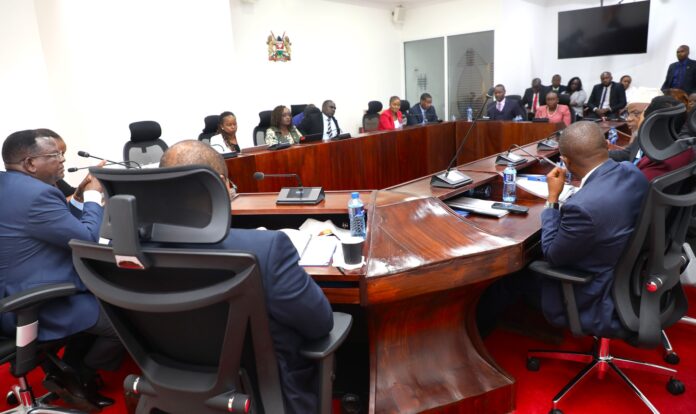
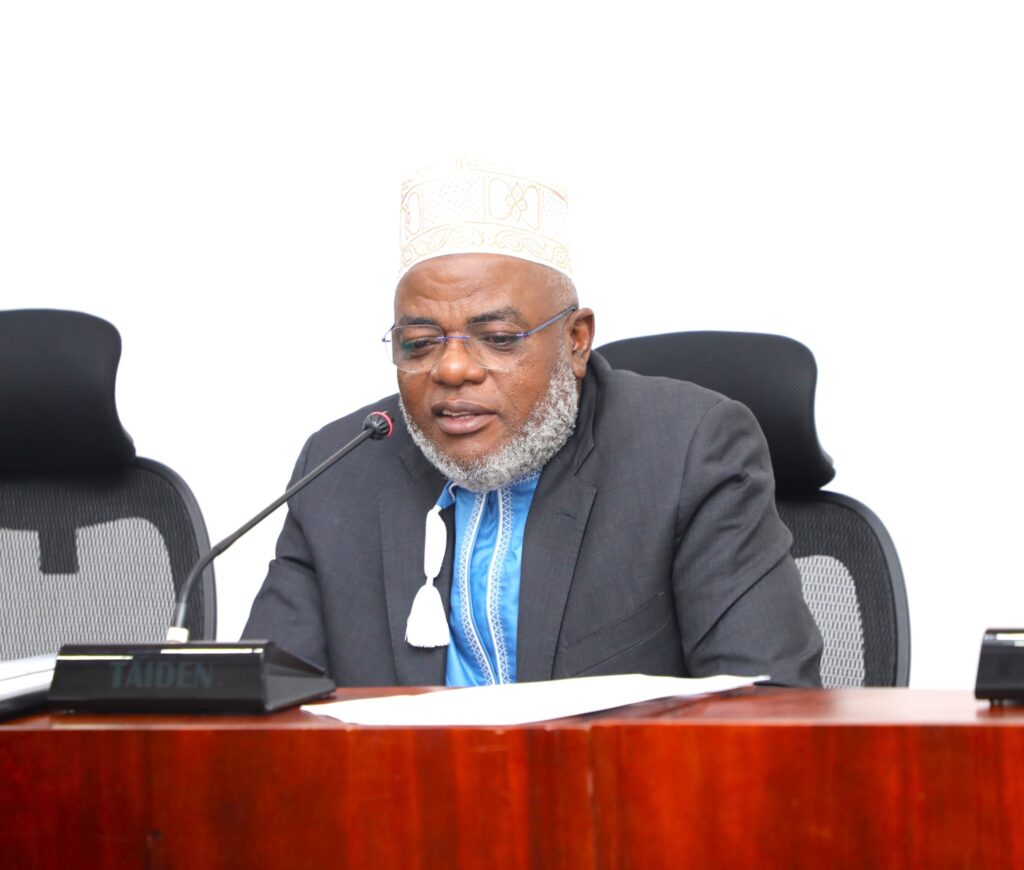
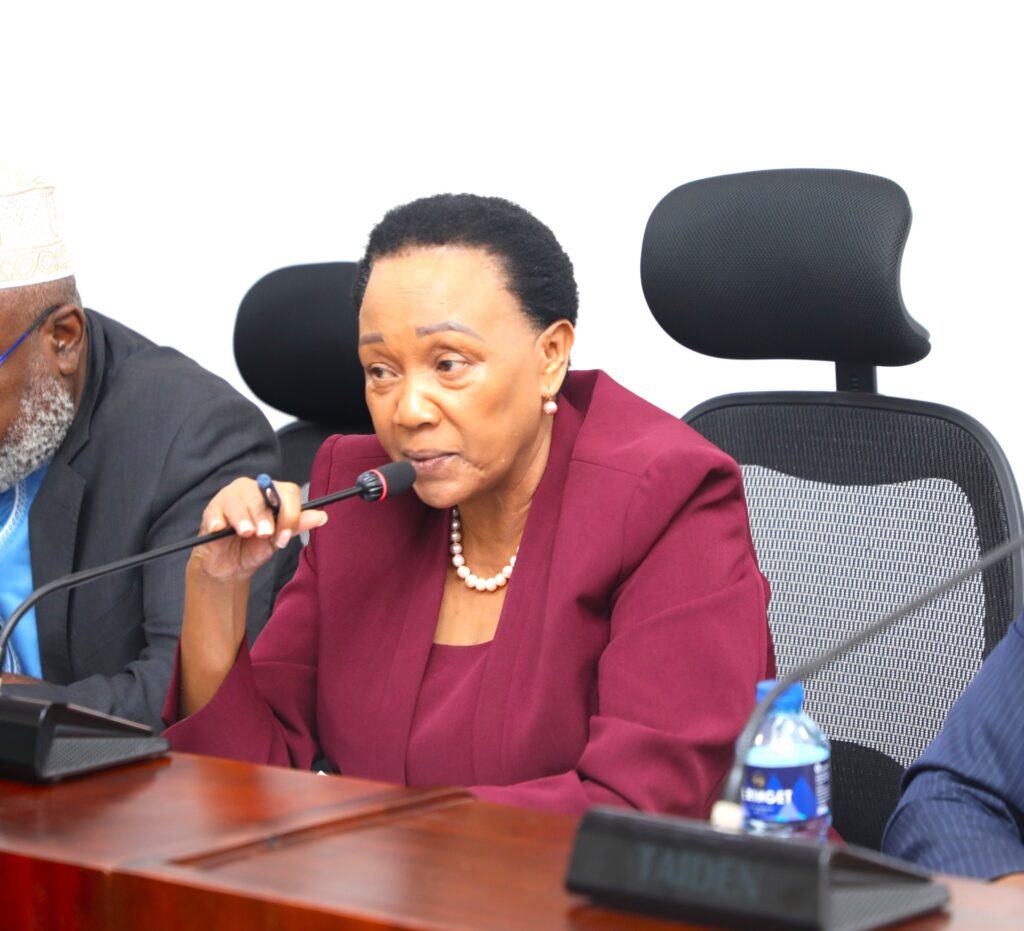
Seme MP Hon. (Dr.) James Nyikal, who chairs National Assembly’s Departmental Committee on Health, has raised alarm over funding shortfalls and low premium contributions threatening the sustainability of the Social Health Authority (SHA) even as the government pushes ahead with health sector reforms.

Speaking in Mombasa where he led the Committee’s engagement with Medical Services Principal Secretary Dr. Ouma Oluga as well as officials from the Social Health Authority (SHA), Dr. Nyikal outlined a range of structural and operational challenges facing the framework.

“The revenue that the Social Health Authority collects for the three funds is really not enough to meet its expenses. As things stand now, they are barely getting what they need to run,” He said.

Hon. Nyikal noted that the imbalance between revenue and expenditure is largely driven by low participation from the informal sector which is expected to contribute the bulk of funding under the Social Health Insurance Fund (SHIF).

“Those in formal employment remit their contributions directly through employers, and that has remained the main source of income. But we expect a larger portion to come from the informal sector, and this is where the challenge lies,” Hon. Nyikal said.

He revealed that while about 29 million Kenyans have registered under SHA, only around five million are actively paying premiums, a gap he warned could undermine the scheme.

To address this, SHA is exploring partnerships with savings groups, SACCOs and microfinance institutions to enable informal workers to pay premiums gradually.

The lawmaker also highlighted the critical role of the Primary Health Care Fund, which is financed through the exchequer and supports services at lower-level facilities.

“This fund is extremely important because it caters for services at Level Two, Level Three and outpatient care in higher facilities. If we strengthen it, we reduce pressure on higher-level hospitals,” said Dr. Nyikal.

Dr. Nyikal further disclosed that Parliament had allocated Sh13 billion to the fund last year, up from Sh8 billion previously, with an additional Sh2 billion proposed in the current supplementary budget.

Beyond funding concerns, the committee flagged “adverse selection” where individuals only enroll when sick as another major risk to the system.

He also pointed to weaknesses in the benefits package, saying it is not fully aligned with the cost of care or comprehensive enough to meet patient needs.

On historical debts inherited from the defunct National Hospital Insurance Fund (NHIF), Nyikal said the committee would push for Sh5.3 billion to settle pending claims below Sh10 million, noting that unpaid debts had forced some health facilities to shut down.

“Many facilities have closed or scaled down operations because of these debts. We will recommend that this money be made available so providers can be paid,” he said.

Dr. Nyikal further acknowledged ongoing challenges with claims processing systems, which have led to delays and disputes, but noted improvements are underway through new digital infrastructure.

He emphasized that while the SHA model is conceptually sound, its success hinges on effective implementation and public trust.

“The design and concept are good. The problem we are going through is one of implementation. It requires cooperation from management, providers and the public,” he said.

The Health committee is also reviewing the proposed Patient Safety Bill, which seeks to separate the regulation of healthcare professionals from that of health facilities, a move Nyikal described as complex and requiring further refinement.

Additionally, lawmakers are considering a Harm Reduction Bill targeting people struggling with drug addiction, as part of broader efforts to strengthen public health interventions.

By Anthony Solly

UBA and British International Investment to Boost Trade Finance Across Africa

By Peter John

United Bank for Africa (UBA) Group and British International Investment plc (BII), the UK’s development finance institution, have taken a significant step toward expanding trade finance in Africa by signing a letter of intent to explore collaborative opportunities.

The partnership aims to enhance access to trade and working capital facilities for businesses across the continent, addressing one of the biggest barriers to African trade.

Access to trade finance remains a persistent challenge for many African businesses, particularly small and medium-sized enterprises, which often struggle to obtain letters of credit, guarantees, and supply chain finance on commercially viable terms.

According to the African Development Bank, the continent faces an annual trade finance gap exceeding USD 80 billion, limiting the capacity of businesses to compete in global markets.

UBA UK, the London-based subsidiary of the UBA Group, will leverage its extensive network spanning 20 African countries to structure and originate trade finance transactions.

BII, with its mandate to support productive, sustainable, and inclusive growth across Africa, will help bridge the financing gap by supporting transactions that may fall outside conventional commercial appetite.

Lok Mishra, CEO of UBA UK, emphasized the landmark nature of the collaboration, noting that the partnership could mobilize capital where it is needed most and help close the trade finance gap that has long constrained African businesses.

Chris Chijiuitomi, BII’s Managing Director and Head of Africa, highlighted the institution’s commitment to catalyzing private sector growth through trade finance, particularly in frontier markets.

The collaboration aligns closely with the African Continental Free Trade Area (AfCFTA), which entered into force in 2021 and represents one of the world’s most ambitious trade integration initiatives.

Both UBA UK and BII see the operationalization of AfCFTA as a critical catalyst for supporting African businesses in navigating emerging continental markets.

The agreement also complements broader UK engagement with African economic development and reinforces the City of London’s role as a hub for Africa-focused capital mobilization.

The proposed cooperation remains subject to further assessment, due diligence, and internal approvals by both institutions.

UBA UK and BII’s collaboration signals a growing focus on unlocking Africa’s trade potential and creating pathways for sustainable economic growth across the continent.

Kenya risks losing AFCON hosting rights over lack of funding

Kenya is facing a high risk of losing its rights to co-host the 2027 Africa Cup of Nations (AFCON) due to delays in paying the mandatory hosting fee of Ksh3.9 billion ($30 million) to the Confederation of African Football (CAF), Sports Principal Secretary Elijah Mwangi said on Thursday.

Mwangi told the Dan Wanyama-led National Assembly Committee on Sports and Culture that Kenya is required to pay the fee by March 30, 2026, as part of the ‘East Africa Pamoja’ bid along with Uganda and Tanzania.

Both Uganda and Tanzania have already fulfilled their financial obligations, leaving Kenya as the only partner yet to pay, and Mwangi warned that if the fee was not paid before the deadline, it threatens to damage Kenya’s credibility as a tournament host.

“We have been given up to 30th of March to clear the payment of the hosting fees. We are aware that our ‘Pamoja’ countries of Uganda and Tanzania they have paid but Kenya is yet to pay its share of about 3.9 billion.

“And therefore the gains that we have so far made in preparations for AFCON may be jeopardised if we are not able to raise 3.9 billion by 30th of March and the communications we have had from CAF, they are very particular that we must show commitment. And one of the commitment is payment of the hosting contribution. If we are not able to raise that then our hosting will be jeopardised,” PS Mwangi told the MPs.

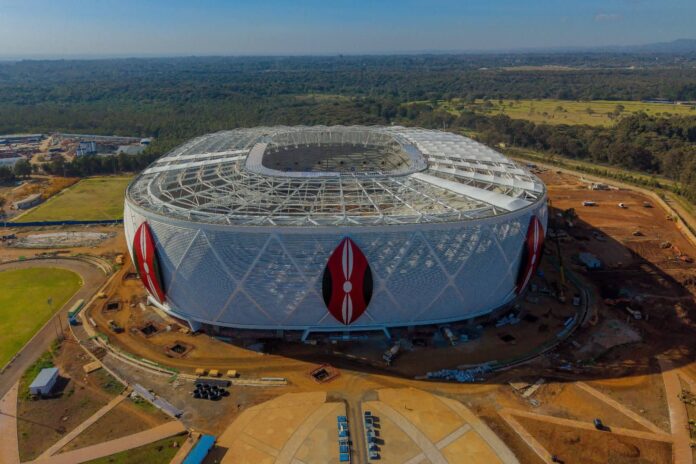
He stated that the company contracted to renovate the Kasarani Stadium had reduced its workforce due to a Ksh 3.7 billion debt, while the contractor at the Nyayo Stadium had walked away from the site due to a Ksh 2.7-billion debt.

Mwangi also told the committee that the Kasarani and Nyayo stadiums may not be ready within the next six months as per the CAF deadline.

“…of Kasarani Stadium, we owe the contractor in excess of Ksh3.7 billion. And the contractor has realigned—reduced his workforce. And with that, we feel that we may not be ready within six months, the deadline that was given by CAF to have the competition and training venues ready.

“Equally, the Nyayo, we have not paid in excess of Ksh2.6 billion to the contractor who was contracted, let alone additional works of putting canopy. And the contractor has already vacated the site. Therefore, we have nothing to show,” he added.

This development comes barely a month after the Committee rejected a proposal by the Sports Ministry to increase its budget allocation for the AFCON from Ksh.3.5 billion to Ksh.5 billion terming the justification inadequate.

The Sports Ministry had sought the committee’s intervention to have the Ksh.3.5 billion included in a supplementary budget to enable Kenya meet its obligations and avoid jeopardising its standing with CAF.

In defending the proposed budget increment, Mwangi said he had led a delegation, including officials from Football Kenya, on a benchmarking visit during the last AFCON tournament in Morocco.

“We established that for Kenya to match the standards set during the competition in Morocco, we must enhance the budget,” he said on February 19.

However, MPs maintained that Kenya’s financial commitment must reflect the tournament’s shared nature.

He insisted that co-hosting with two other countries should ease the fiscal burden.

Despite rejecting the proposed increment, the committee assured the Ministry of its support in engaging the National Treasury to release the required hosting fee.

According to the Budget Policy Statement, the proposed ceiling for the Sports Department in the 2026/27 financial year stands at Ksh.25.49 billion, comprising Ksh.7.38 billion for recurrent expenditure and Ksh.18.11 billion for development.

CAF Upholds Moroccan Federation’s Appeal, Reinforcing Integrity of African Football Competitions

By Peter John

The Royal Moroccan Football Federation (FRMF) has welcomed the recent ruling by the Confederation of African Football (CAF) Appeal Board, which affirmed the federation’s compliance with competition regulations and reinforced the stability of international tournaments.

The decision follows an incident that interrupted a match during the Africa Cup of Nations (AFCON), prompting the FRMF to appeal on the grounds that the governing regulations were not properly enforced.

CAF’s confirmation has now validated Morocco’s position, emphasizing the primacy of competition rules and the importance of consistent application across all levels of the sport.

From the outset, the FRMF maintained a clear stance: upholding the integrity of the competition through strict adherence to regulations.

“Our approach was solely guided by the principle of fairness and the consistent application of the governing framework,” the federation noted in a statement.

Throughout the appeal process, the FRMF acted within all legal and procedural frameworks, ensuring that its rights and the integrity of the tournament were preserved.

The ruling provides clarity on the regulatory framework and strengthens the credibility of African football competitions, a development welcomed by both organizers and participating nations.

The FRMF expressed its commitment to maintaining consistent and fair application of competition regulations across continental and international bodies.

Looking ahead, the federation is now focused on the upcoming sporting calendar, including the FIFA World Cup and the Women’s Africa Cup of Nations set for this summer.

The FRMF also commended all participating nations in this year’s AFCON, celebrating the skill, strength, and dynamism displayed throughout the tournament.

With CAF’s ruling, the FRMF hopes to set a precedent for fairness, transparency, and the consistent enforcement of rules in African football, ensuring that competitions remain credible and competitive for all teams involved.

Canon Technology Drives Nollywood Film EVI Ahead of Premiere

By Peter John

As African cinema continues to gain global recognition, filmmakers are increasingly embracing advanced technology to elevate the quality of their productions.

This trend is clearly reflected in the upcoming Nollywood music drama EVI, a film that blends compelling storytelling with cutting-edge imaging tools.

Backed by Canon Central and North Africa, EVI is set for its African premiere on March 22, 2026, in Lagos.

The exclusive event will host filmmakers, industry leaders, and media professionals ahead of the film’s nationwide cinema release on March 27.

The production of EVI highlights how technology is reshaping African filmmaking. Shot using the Canon C400 cinema camera and a range of professional lenses, the film delivers high-quality visuals marked by vivid colour and exceptional clarity.

These tools are designed to accurately capture diverse skin tones and enhance the natural beauty of African settings, enabling filmmakers to meet international production standards.

Speaking on the project, Rashad Ghani of Canon Central and North Africa emphasized the importance of technology in storytelling, noting that the right equipment allows filmmakers to better capture emotion, vibrancy, and authenticity—elements that define African cinema.

Directed by Uyoyou Adia and produced by Judith Audu, with cinematography by Barnabas Emordi, EVI is a music-driven drama that explores themes of identity, ambition, resilience, and second chances.

The film combines performance and narrative to deliver a story that resonates with audiences both within and beyond Africa.

Its cast includes Osas Ighodaro, Uzor Arukwe, Omowunmi Dada, Ibrahim Suleiman, Femi Branch, Ariyiike Dimples Owolagba, VJ Adams, and Waje. Together, they bring depth and energy to a film that aims to connect emotionally with viewers.

The release of EVI comes at a time when Nollywood is expanding its global footprint, with more African stories reaching international audiences through cinemas and digital platforms.

Films like EVI demonstrate how combining strong local narratives with modern filmmaking tools can elevate production quality and broaden global appeal.

Canon Central and North Africa, a division of Canon, has been strengthening its presence across the continent since 2016.

Operating in over 40 African countries, the company continues to support creatives with innovative imaging solutions tailored to the region’s growing demands.

As anticipation builds ahead of its release, EVI represents more than just a film premiere—it signals a broader shift in African cinema.

With improved technology and bold storytelling, Nollywood is not only reaching new audiences but also redefining its place on the global stage.

ELEV8 Live Powered by NCBA Launches 2026 Series, Spotlighting New Wave of Kenyan Creative Talent

The 2026 edition of ELEV8 Live Powered by NCBA has officially been launched, marking another milestone in the growth of Kenya’s creative industry.

The announcement was made during a special screening of the 2025 ELEV8 Live documentary held at Two Rivers Cinemax, where organizers also unveiled the first three featured artists for the upcoming series.

Backed by NCBA Group, the ELEV8 Live programme continues to position itself as a transformative platform for emerging creatives.

Its core mission is to empower artists by providing them with the tools and support needed to build sustainable, scalable careers in an increasingly competitive creative economy.

The initiative goes beyond performance exposure, offering a comprehensive development package that includes mentorship from industry professionals, access to recording studios, and financial literacy training.

Participants are also introduced to tailored financial solutions designed to help them manage and grow their income streams effectively.

Since its inception, ELEV8 Live has onboarded 17 artists, nurturing their growth and helping them navigate the business side of the creative sector. With the launch of the 2026 series, the programme aims to nearly double its reach, targeting a total of 32 creatives in the upcoming cycle.

The unveiling of the first three artists signals the beginning of what promises to be another impactful season, as ELEV8 Live continues to spotlight Kenya’s diverse and dynamic talent pool.

The programme’s emphasis on long-term career development reflects a broader shift within the industry—recognizing creativity not just as an art form, but as a viable economic driver.

The screening event also highlighted the journey of previous participants through the 2025 documentary, offering insights into the challenges and successes experienced by artists in the programme.

This retrospective served as both inspiration and proof of concept, demonstrating the tangible impact of structured support in the creative sector.

As Kenya’s creative economy continues to expand, initiatives like ELEV8 Live Powered by NCBA are playing a crucial role in shaping its future—bridging the gap between talent and opportunity and ensuring that emerging artists are equipped to thrive both artistically and financially.

Bank of Tanzania Joins Africa Finance Corporation as Equity Shareholder, Boosting Infrastructure Financing Across Africa

The Africa Finance Corporation (AFC) has announced a significant milestone in its growth strategy, welcoming the Bank of Tanzania (BOT) as a new sovereign equity shareholder. The move strengthens AFC’s capital base while reinforcing its pan-African ownership structure and long-term development mandate.

The investment underscores rising confidence among African sovereign institutions in AFC’s ability to mobilise long-term capital for critical infrastructure and industrial development projects across the continent.

It also comes on the heels of AFC securing an “A” rating with a Positive Outlook from S&P Global Ratings, reflecting its strong financial position, consistent project delivery, and robust shareholder backing.

By bringing the Bank of Tanzania into its shareholder network, AFC advances its strategy to deepen participation from African central banks and sovereign entities.

This diversification enhances the Corporation’s credibility as a trusted partner for governments seeking to accelerate economic transformation through infrastructure-led growth.

The timing of the investment aligns with increasing demand across Africa for development capital to support industrialisation, energy transition, logistics infrastructure, and value-added manufacturing.

AFC’s model—anchored in sovereign partnerships and access to global capital markets—positions it as a vital conduit for channeling funding into high-impact, bankable projects.

In Tanzania, AFC has already been actively supporting national development priorities. Its initiatives include sovereign financing arrangements with the government and trade finance facilities for local financial institutions.

These efforts aim to strengthen liquidity, facilitate trade, and stimulate private sector activity, contributing to long-term economic resilience.

Speaking on the development, AFC President and CEO Samaila Zubairu described the investment as a strong endorsement of the Corporation’s mandate and performance.

He emphasized that BOT’s participation highlights the growing importance of African-led financial institutions in addressing the continent’s infrastructure gap and fostering sustainable development.

Similarly, BOT Governor Emmanuel Tutuba noted that the decision reflects Tanzania’s confidence in AFC’s track record and aligns with national priorities to strengthen economic resilience, promote private sector growth, and advance sustainable development through strategic partnerships.

Established in 2007, AFC has built a reputation as a leading infrastructure solutions provider in Africa. With 48 member countries and investments exceeding $19 billion across 36 nations, the Corporation continues to play a central role in developing essential infrastructure in sectors such as energy, transport, telecommunications, and heavy industry.

As AFC expands its shareholder base and strengthens sovereign partnerships, it remains focused on mobilising both domestic and international capital to drive sustainable economic growth and enhance Africa’s competitiveness in global value chains.

Senate Committee Faults Public Participation on Climate Regulations

The Senate Committee on Delegated Legislation has directed the Ministry of Environment, Climate Change and Forestry to ensure comprehensive stakeholder engagement in the development of regulations under its mandate.

During a meeting with the Cabinet Secretary for Environment, Climate Change and Forestry, Deborah Barasa, Committee members led by Chairperson Senator Mwenda Gataya (Tharaka Nithi) raised concerns over the public participation process undertaken in the formulation of the Climate Change (Non Market Approaches) Regulations, 2026. They argued that the required standards for public participation were not adhered to.

The Senators cited the reliance on virtual public participation as a key shortcoming, noting that it did not adequately meet the threshold for meaningful engagement.

They also questioned the Ministry’s use of the MyGov publication to reach the public, expressing doubts as to whether it meets the legal requirements for public notification.

Earlier, the Committee had observed that the regulation making body failed to submit an explanatory memorandum as well as evidence of public participation as required under the Statutory Instruments Act.

In her response, Cabinet Secretary Deborah Barasa acknowledged the concerns raised by the Committee and assured Members that the Ministry would take into account their guidance and strictly adhere to the directives issued. She reaffirmed the Ministry’s commitment to establishing a robust legal framework to ensure integrity and transparency in the carbon market.

The Climate Change (Non Market Approaches) Regulations, 2026 published on 12th February 2026, seek to operationalise Article 6.8 of the Paris Agreement by outlining non-market approaches that Kenya will adopt in addressing climate change.

Part II of the Regulations establishes an institutional framework, including the creation of a National Non Market Approaches Platform. The platform will serve as the central coordination and transparency mechanism, with responsibilities such as receiving project proposals, maintaining a public register of approved initiatives, publishing implementation progress and facilitating coordination among national and county governments, civil society and research institutions.

Part V outlines monitoring, reporting and transparency obligations following project approval. Under the Regulations, project proponents are required to submit periodic progress reports using prescribed templates and provide evidence of implementation outcomes.

Committee members present at the meeting included Senators Mwenda Gataya (Chairperson), Danson Mungatana (Vice-Chairperson), Joyce Korir, Betty Montet, Mohamed Faki (Mombasa) and Daniel Maanzo (Makueni).

By Anthony Solly

Real Madrid’s Courtois Faces Injury Blow Ahead of Bayern Clash

By Peter John

Real Madrid goalkeeper Thibaut Courtois has sustained a muscle injury in the anterior rectus of his right quadriceps, raising concerns ahead of the club’s upcoming fixtures against FC Bayern Munich.

According to reports from Cope, the Belgian international could miss both legs of the highly anticipated tie.

The Madrid medical team will continue to monitor Courtois’ condition over the coming weeks to determine the severity of the injury and his potential return.

His absence would mark a significant setback for the reigning La Liga champions, who will rely heavily on their first-choice goalkeeper for the crucial Champions League encounter.

Real Madrid now faces the challenge of adjusting their squad while awaiting further updates on Courtois’ recovery.

The club has yet to confirm whether he will undergo additional tests or require treatment beyond rest and rehabilitation.

Fans and football analysts alike will be watching closely, as the goalkeeper’s fitness could play a pivotal role in Real Madrid’s hopes of progressing past Bayern in Europe’s premier club competition.

Create a free account, or log in.

Gain access to read this content, plus limited free content.

Yes! I would like to receive new content and updates.

Sponsored Ad

Ad 1
Ad 2
Ad 3
Ad 4
Ad 5
Ad 6