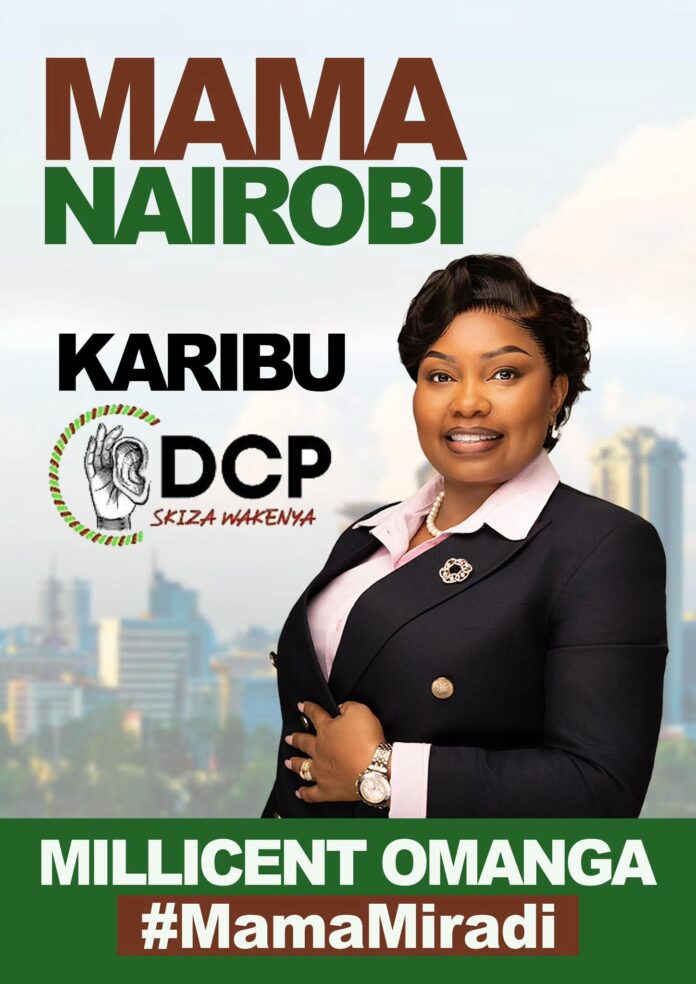
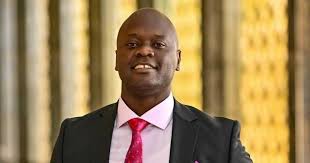
In a bold political shift, former nominated Senator Millicent Omanga has officially joined the Democracy for Citizens Party (DCP), ending her ties with the ruling United Democratic Alliance (UDA).
Known as “Mama Miradi” for her development advocacy, Omanga was welcomed by DCP leader Rigathi Gachagua, who praised her move as a step toward people-centered leadership.
Gachagua emphasized that DCP is committed to listening to citizens and leaving no Kenyan behind, signaling the party’s ambition to grow as a grassroots-focused alternative in Kenya’s political landscape.
Omanga’s departure from UDA comes at a time of significant political realignments ahead of the 2027 General Election.
Analysts say her move strengthens DCP’s profile while introducing new dynamics to Nairobi politics, where she is eyeing the Woman Representative seat.
Reactions have been mixed. Supporters celebrate her as a champion for inclusive governance, while critics question her motives and timing.
Nonetheless, her entry into DCP underscores the fluid nature of Kenyan politics, where strategic alliances and citizen-focused messaging are shaping the road to the next elections.
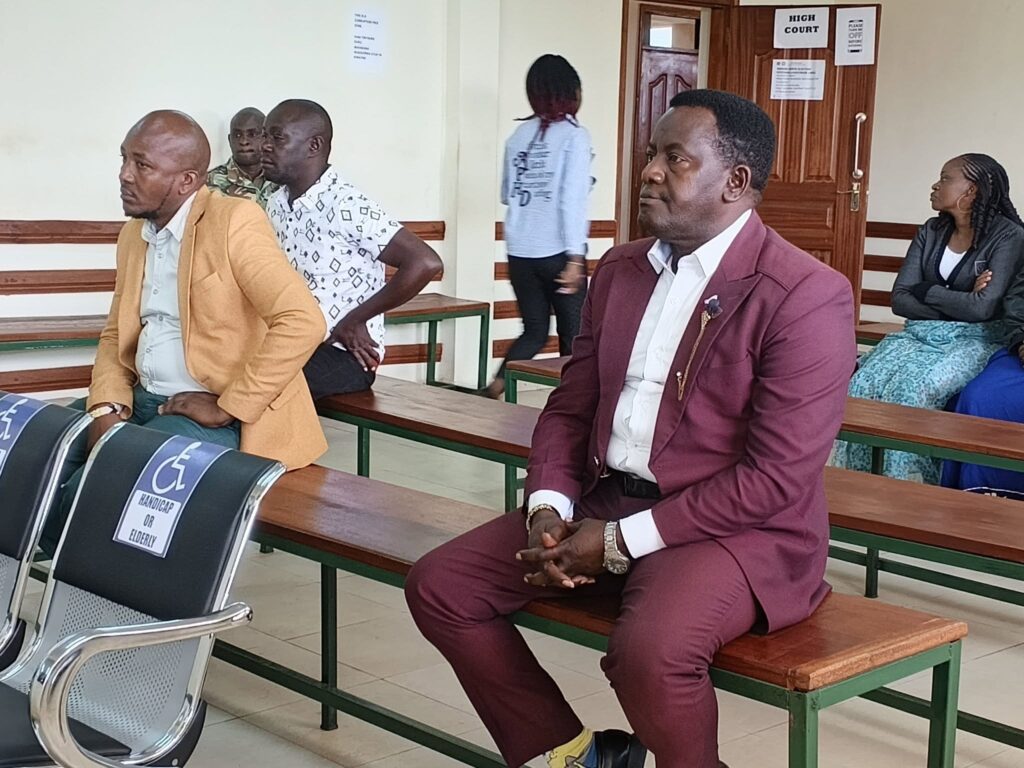
Mbeere North Member of Parliament Leo Wamuthende has declined to take the witness stand in the ongoing election petition challenging his victory, opting instead to rely solely on his sworn affidavit.
The move has been strongly opposed by the petitioner, Newton Karish, who has filed an application seeking to have Wamuthende struck out of the proceedings for failing to submit to cross-examination.
Karish argues that allowing the MP to remain in the case without appearing in court would undermine the integrity of the proceedings, insisting that oral testimony is necessary to test the credibility of the evidence presented.
At the same time, the petitioner is pushing for a scrutiny and recount of votes in 32 out of the 134 polling stations used in the election, citing alleged discrepancies in electoral documents.
Through his legal team led by Kiragu Thuita and Ndegwa Njiru, Karish told the court that irregularities in election forms could, if verified through scrutiny, potentially alter the final outcome in his favour.
He further alleged that the unusually high number of assisted voters recorded during the election formed part of a broader scheme that disadvantaged his candidacy.
However, the MP, through his lawyer Charles Mwongela, opposed the application, dismissing it as a “fishing expedition” lacking a solid evidentiary basis.
Mwongela, who also represents the Independent Electoral and Boundaries Commission and returning officers in the matter, argued that the petitioner had failed to identify specific discrepancies in Form 35A and Form 35B, which contain polling station and constituency results.
The defence maintained that the petition was driven by dissatisfaction with the election outcome rather than demonstrable irregularities capable of affecting the results.
On the conduct of the election, the respondents told the court that the Kenya Integrated Elections Management System (KIEMS) kits functioned as required, adding that any technical challenges were mitigated through the use of the physical voter register as provided for in law.
Addressing claims surrounding voter registration, the electoral body clarified that the case of one Collis Munene, who was registered at Muondu Polling Station despite a by-election freeze, was an isolated incident linked to the ongoing nationwide continuous voter registration exercise.
The court also heard that there was no evidence to support allegations that Public Service Cabinet Secretary Geoffrey Ruku interfered with operations at any polling station as claimed by the petitioner.
On an incident involving a fire at a polling station, the defence explained that it was caused by a pressure lamp used by an IEBC official to provide lighting during vote counting, dismissing claims that it resulted from violence or the burning of ballot papers.
The court is expected to issue a ruling on the applications as the hearing of the petition continues.
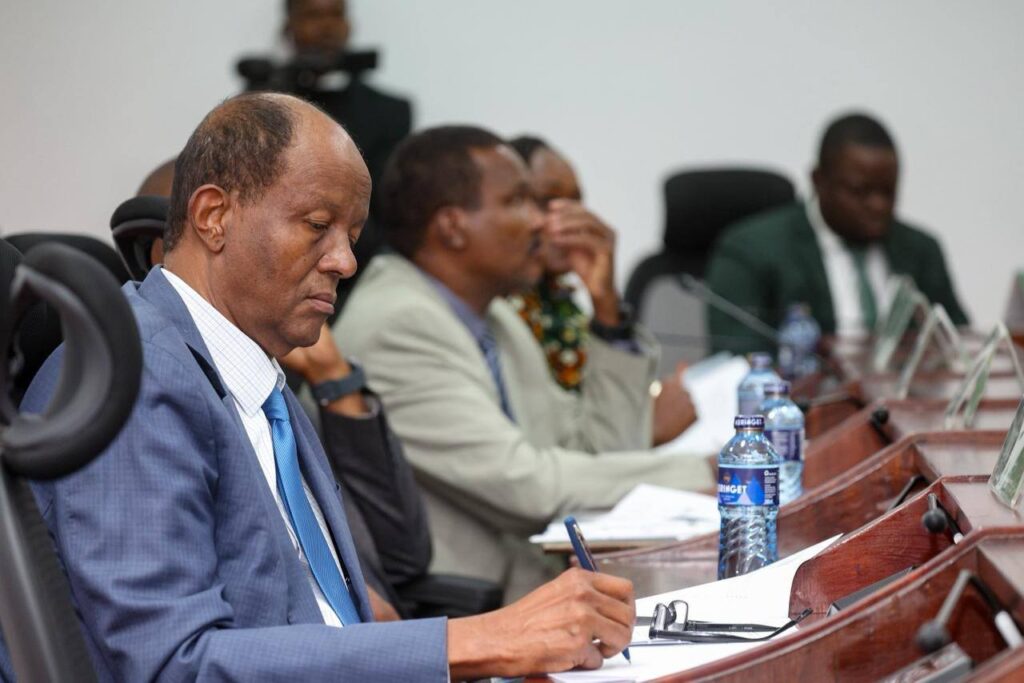
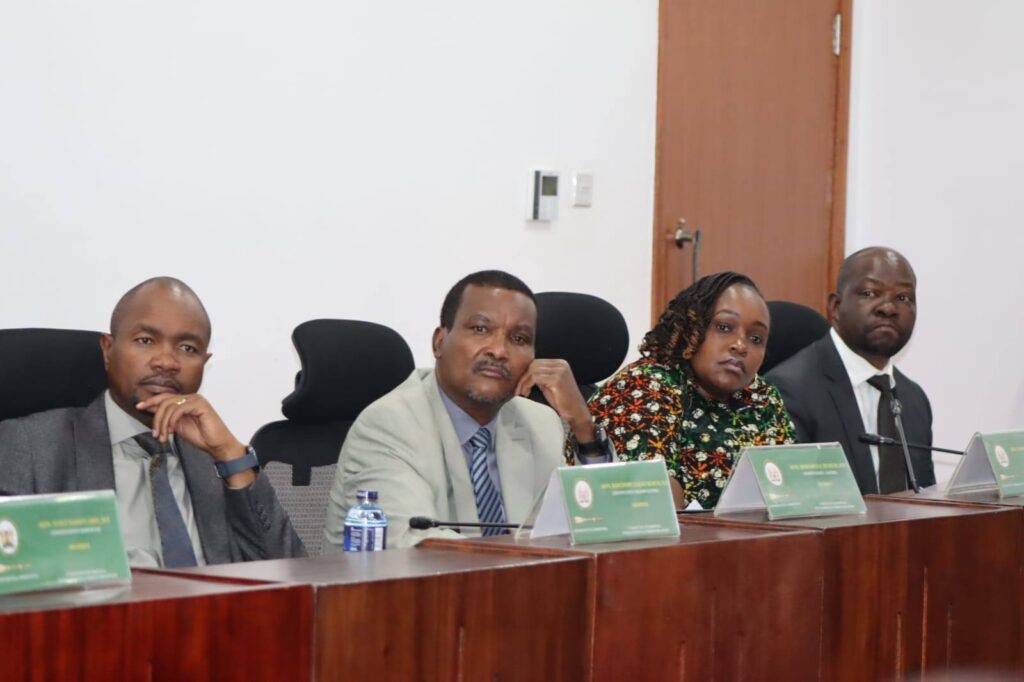
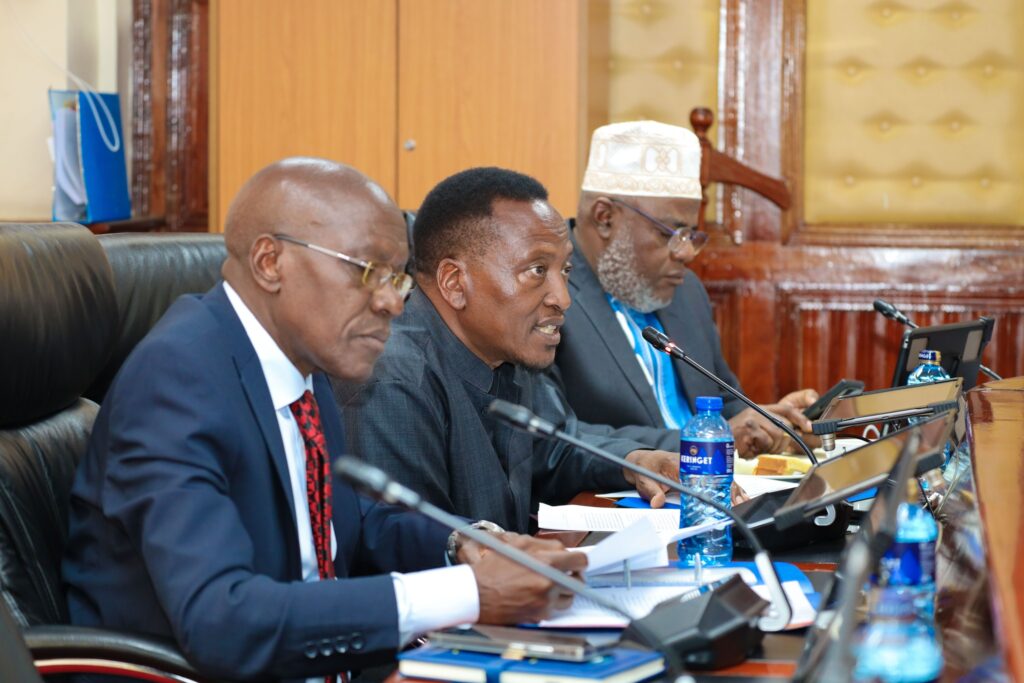
The National Assembly Committee on Defence, Intelligence and Foreign Relations has sought answers from the Ministry of Defence (MoD) on Kenya’s preparedness amid escalating tensions in the Middle East.
Appearing before the Committee, Cabinet Secretary Soipan Tuya assured legislators that the country remains vigilant in the face of evolving global security threats, including developments linked to US- Iran – Israel conflict and wider Middle East instability.
“Security assessments are ongoing, preparedness is continuous, and we are investing in modernization and intelligence systems,” CS Tuya said, noting that emerging threats such as missile and drone warfare require constant recalibration of defence capabilities. She, however, cautioned that “there are limits to what can be disclosed publicly” on sensitive geopolitical matters.
Committee Chairperson, Hon. Nelson Koech said Kenyans need assurance particularly on how global tensions such as those involving Iran could impact Kenya’s national security posture and foreign relations.
The CS reassured the Committee that Kenya’s defence forces remain prepared. “The Ministry of Defence and the Kenya Defence Forces are well-equipped, with active intelligence systems and strong regional and global partnerships,” she said.
This comes against the backdrop of increased military spending driven by recurrent expenditure tied to heightened operational demands and regional security demands.
Committee Members noted an additional expenditure which includes construction of schools, hospitals and stadiums including stadium functions traditionally handled by other ministries and counties.
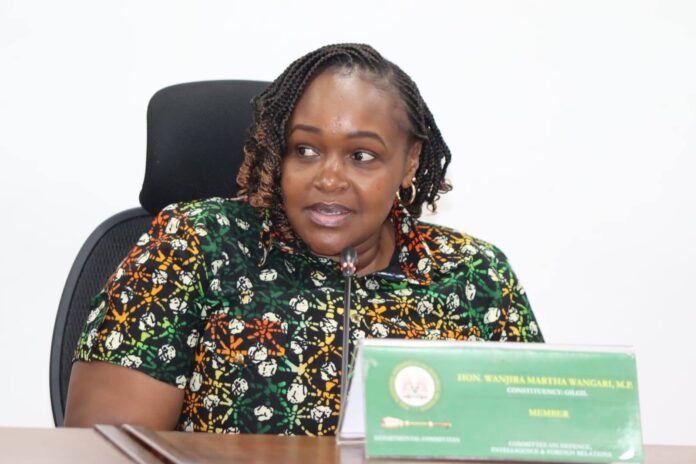
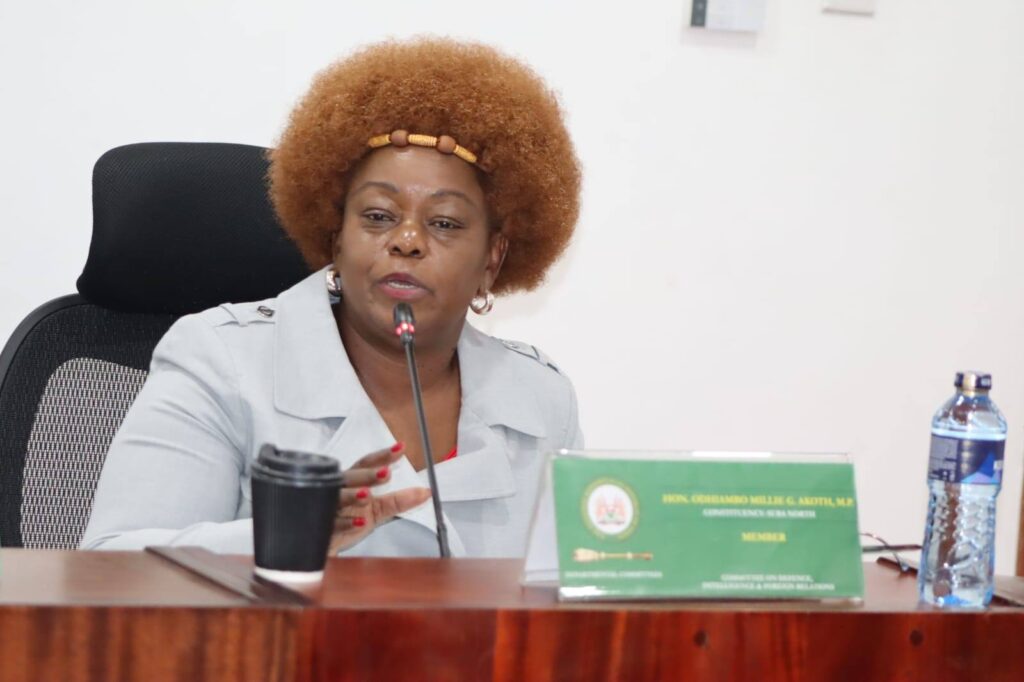
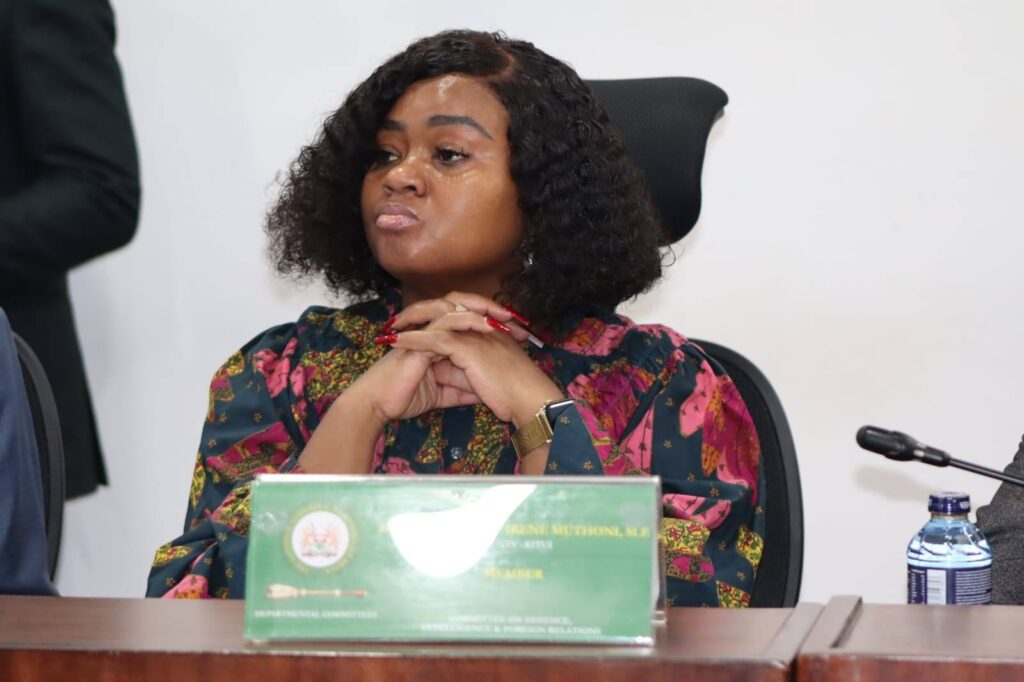
Hon. Martha Wangari said , “There are ministries better suited and more competent to handle such functions so that you stick to mandate,” she said.
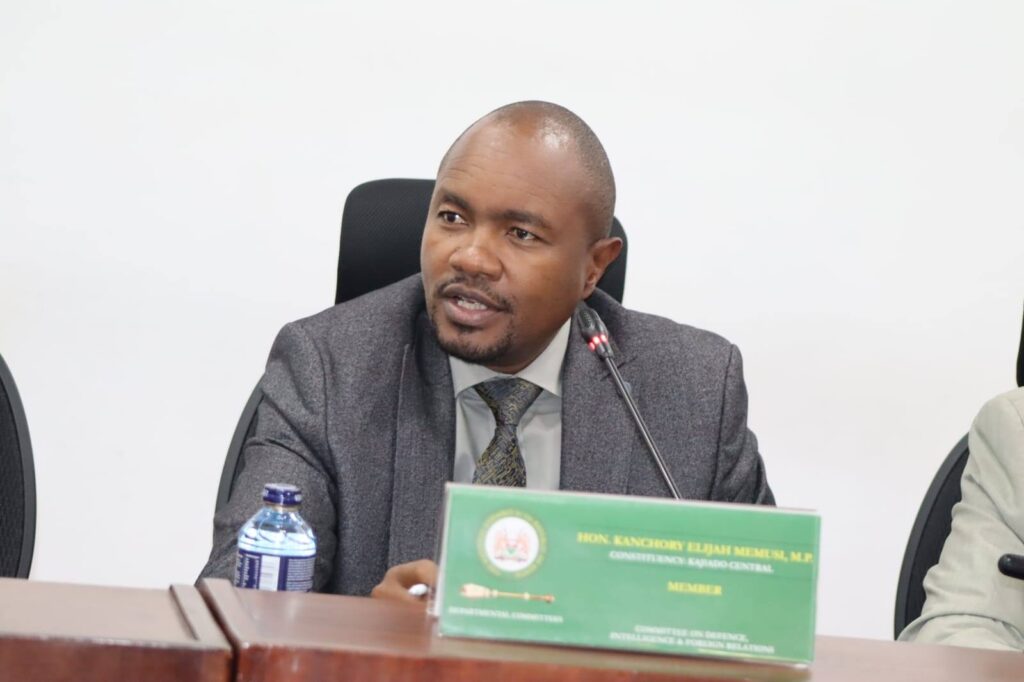
Hon. Memusi Kanchory echoed the concern, cautioning that expanding mandates could affect core defence functions at a time when global security threats are intensifying. “This approach risks distracting core mandates and stretching already limited resources,” he said, while raising concerns about institutional overextension.
On concerns about duplication and accountability, the Ministry maintained that its involvement is based on efficiency and capacity, and that some projects would eventually be handed over to relevant line ministries.
Defence CS Soipan Tuya was accompanied by the Assistant Chief of the Defence Forces (Personnel & Logistics) Maj Gen Edward Rugendo, Managing Director, Kenya Ordnance Factories Corporation, Maj Gen George Okumu; and Managing Commissioner, Kenya Meat Commission and Maj Gen Kampare Gula.
The Committee is expected to seek further detailed submissions, particularly on project breakdowns.
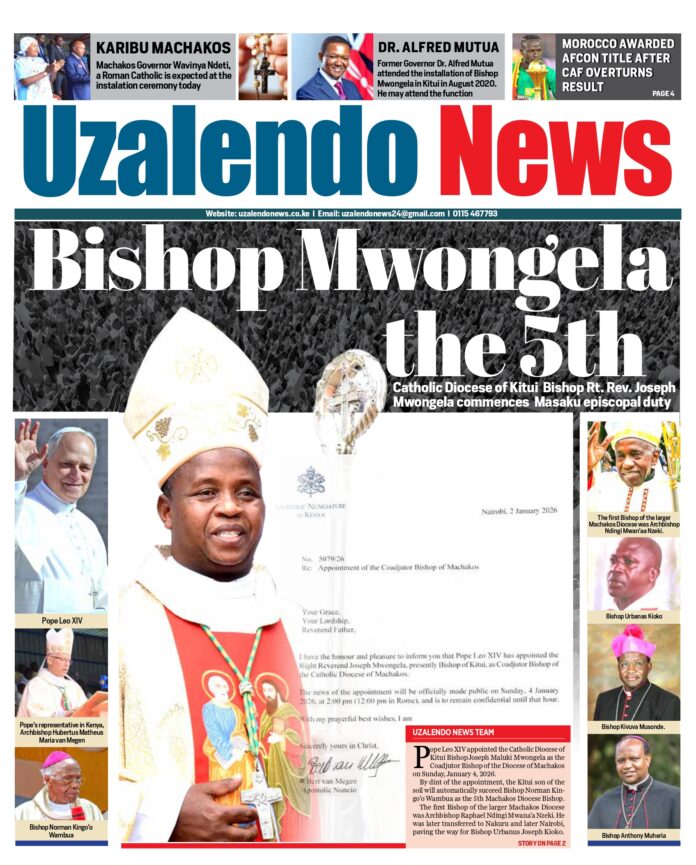
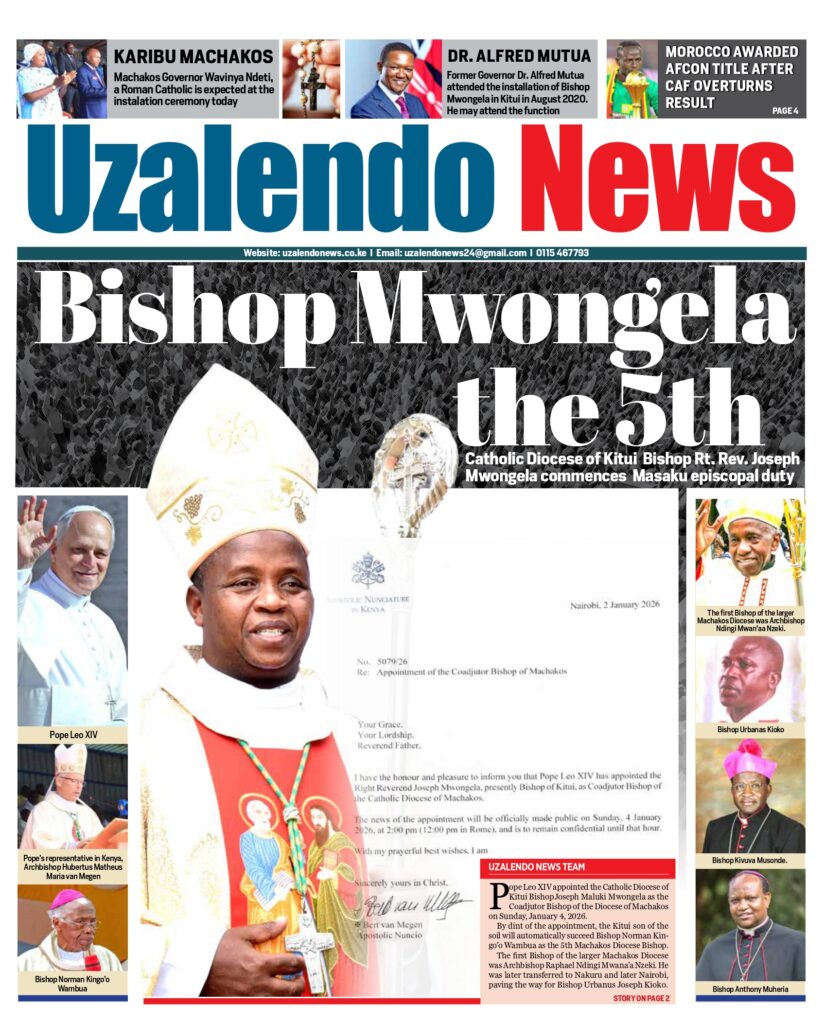
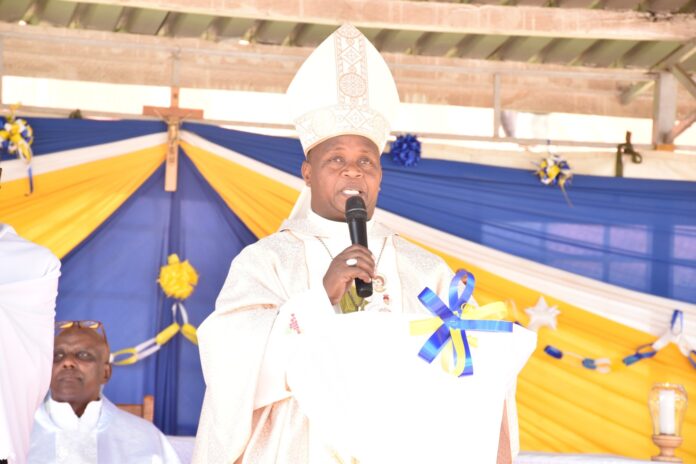
Bishop Joseph Maluki Mwongela has officially begun his episcopal journey as the fifth Bishop of the Catholic Diocese of Machakos, marking a significant transition in the leadership of the diocese.
His appointment follows a decision by the Holy Father, Pope Leo XIV, who named him Coadjutor Bishop of Machakos earlier this year, granting him the right of succession to take over from Bishop Norman King’oo Wambua, the current Bishop of Machakos, who is set to retire next year.
By virtue of this appointment, Bishop Mwongela is set to automatically assume full leadership of the Machakos Diocese, succeeding Bishop King’oo as the spiritual head of the region’s Catholic faithful.
Bishop Mwongela, a native of Kitui County, has been serving as the Bishop of the Catholic Diocese of Kitui since his appointment in March 2020. His elevation to the Machakos Diocese reflects the Church’s continued trust in his leadership and pastoral experience.
His journey in the clergy has been marked by steady progression, with his appointment as Bishop of Kitui coming during the height of the Covid-19 pandemic, a period that demanded resilience and adaptability in church leadership.
The Machakos Diocese, which serves a large Catholic population across the region, has a rich history dating back to its early leadership under Archbishop Raphael Ndingi Mwana a’Nzeki, who later became a prominent figure in the Kenyan Catholic Church.
Over the years, the diocese has grown significantly, with successive bishops including Urbanus Kioko and Martin Kivuva Musonde shaping its spiritual and administrative direction.
Bishop King’oo, whom Mwongela succeeds, has led the diocese through a period of expansion and consolidation, overseeing a growing number of faithful and parishes within Machakos County and its environs.
With Bishop Mwongela now stepping into this role, the Church anticipates continuity in leadership, with a focus on strengthening faith, community engagement and pastoral care.
His appointment also signals a broader transition within the Catholic Church in Kenya, as leadership responsibilities shift to a new generation of bishops tasked with guiding the faithful in a rapidly changing social and cultural landscape.
As he assumes his new responsibilities, Bishop Mwongela is expected to build on the foundation laid by his predecessors while steering the diocese into its next phase of growth and spiritual development.
In an unprecedented move, Sky Bet has confirmed payouts to customers who backed Morocco to win the 2025 Africa Cup of Nations, following a controversial reversal of the tournament’s final result.
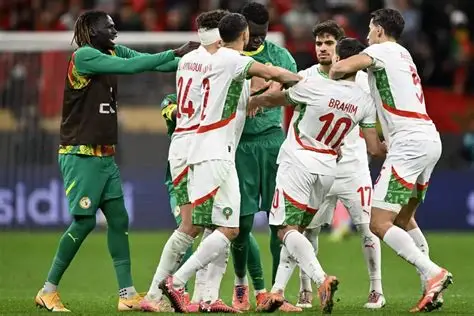
Originally, Senegal claimed a 1–0 victory in the final, but the Confederation of African Football (CAF) later overturned the result after ruling that Senegal had forfeited the match due to a walk-off protest in stoppage time.
The decision officially awarded Morocco a 3–0 win and crowned them champions.
Sky Bet moved quickly to honor bets on Morocco, ensuring that customers who trusted the North African side were rewarded despite the unusual circumstances.
This follows a trend among other bookmakers, including Paddy Power and Betfair, who also confirmed payouts on Morocco after the CAF ruling.
The situation is highly unusual in sports betting, as some customers had already been paid for betting on Senegal before the reversal, creating rare double payout scenarios for certain sportsbooks.
The decision has sparked discussions across social media, with fans and bettors expressing both excitement and disbelief at the outcome.
For those who placed their faith in Morocco, the ruling has resulted in unexpected wins and celebrations.
Meanwhile, Senegal’s supporters and authorities continue to voice objections to the decision, highlighting the controversy surrounding CAF’s handling of the match.
As the dust settles, Sky Bet’s confirmation of payouts underscores the challenges and complexities of sports betting when official results are overturned.
For punters backing Morocco, the ruling may feel like justice finally served, even months after the final whistle.
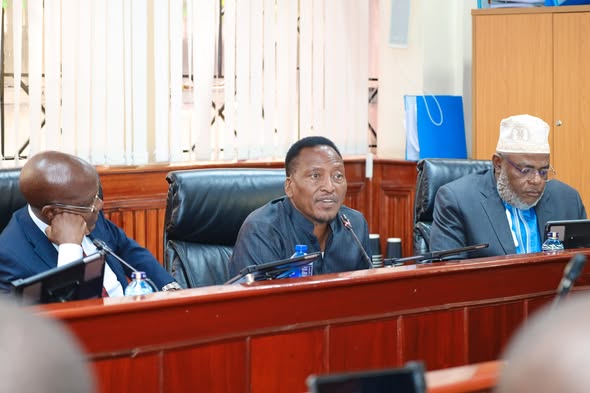
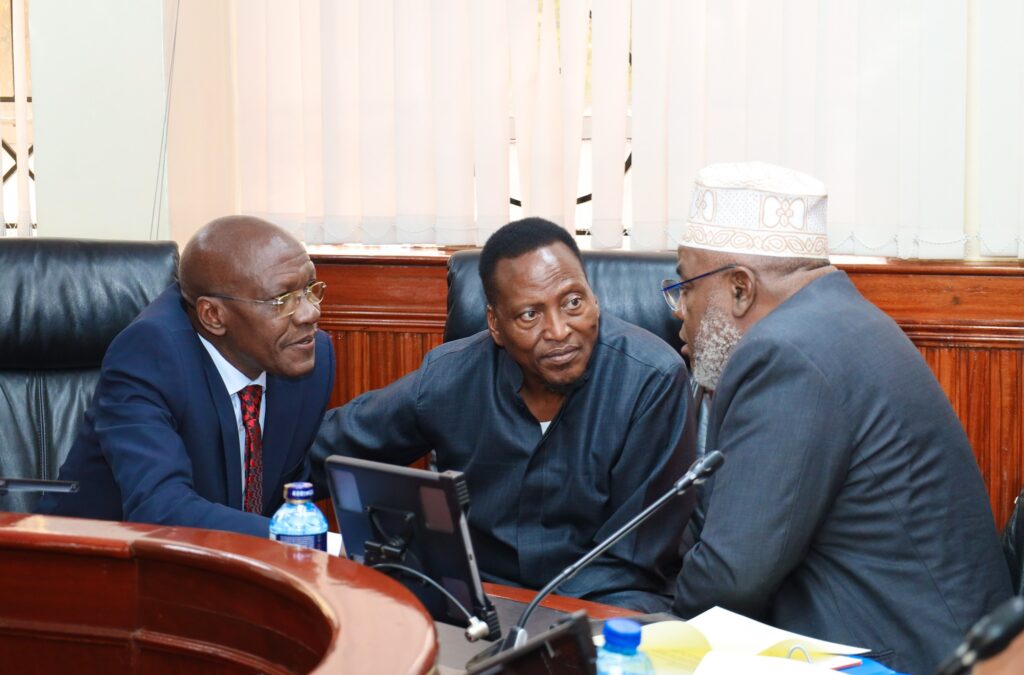
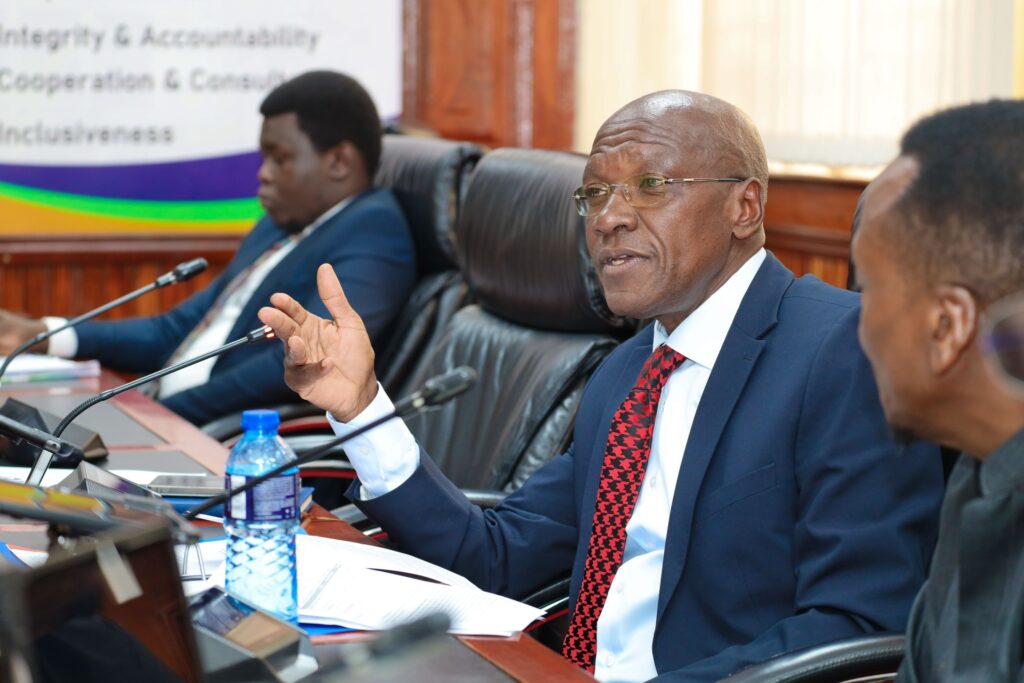
The Senate Standing Committee on Finance and Budget has criticized county governors for fiscal mismanagement, making it difficult for the Senate to advocate for increased devolved funding.
During a session led by Vice Chairperson Senator Tabitha Mutinda, the Members of the Committee shifted their focus from the 2026/2027 revenue sharing formula to address systemic financial irregularities at the county level.
Senator Mutinda reported that this mismanagement has severely weakened the Senate’s bargaining power, citing the dire state of healthcare and instances of unpaid suppliers.
Specifically, the legislator pointed to a firm in Machakos, belonging to supplier Mr. Sammy Kioko, which was left in significant debt after providing security uniforms that the county government refused to pay for.
Further highlighting the abuse of office, Senators discussed allegations where a governor withdrew Kshs1.6 billion from the County Revenue Fund (CRF) to establish a private company.
They emphasized that strict accountability is required to restore faith in devolution and ensure that public resources are used for their intended purposes.
Beyond the immediate critique of county governance, the committee addressed broader technical and systemic inequities.
Kisii Senator Richard Onyonka pointed to a sharp decline in the county revenue share, which dropped from 20.2% in the 2021/2022 financial year to 14.5% in 2026/2027.
Kakamega Senator Boni Khalwale criticized the “illegality” of mid-year executive budget expansions, noting that the State House supplementary budget allegedly increased from Kshs 3 billion to 7 billion while counties faced budget cuts.
He further challenged the technical foundation of the 454.7 billion total county allocation.
He questioned an additional Kshs5 billion revenue growth adjustment that he claimed lacked a clear methodology and advocated for constitutional amendments to prevent the National Treasury from maintaining unilateral control over these figures.
To protect essential services, Mombasa Senator Mohamed Faki demanded that the Kshs8.9 billion for Universal Health Coverage (UHC) payroll support be strictly ring-fenced to prevent diversion.
The Finance Committee resolved to summon the Council of Governors (CoG’s) leadership to deliberate on this fiscal indiscipline, emphasizing that strict accountability is required to restore faith in devolution.
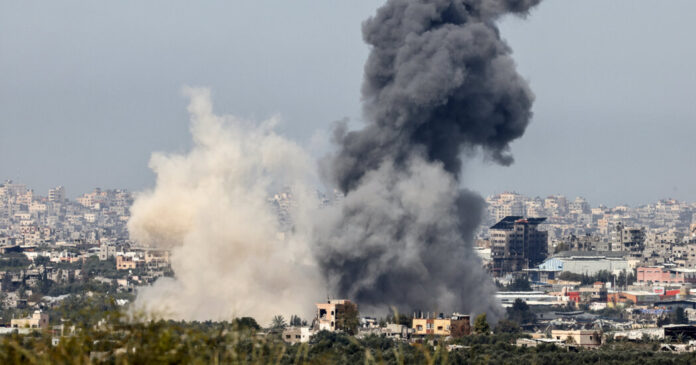
An Israel strike on Iran’s South Pars gas field on March 18, 2026, marked a dramatic escalation in the ongoing conflict between the two nations.
The attack targeted critical gas processing facilities, forcing a partial halt to production at the world’s largest natural gas field, which Iran shares with Qatar.
The strike has raised fears of a broader regional confrontation and sent oil and gas markets surging.
Iran swiftly retaliated by launching missile and drone attacks on energy infrastructure across the Gulf.
Major facilities in Qatar, Saudi Arabia, and the United Arab Emirates were hit, triggering fires and emergency shutdowns.
Tehran condemned Israel’s attack as reckless, while Gulf nations decried Iran’s retaliation as an assault on civilian infrastructure.
The disruption of key energy hubs and the threat to shipping routes near the Strait of Hormuz has heightened global market anxiety.
Crude oil prices jumped sharply, reflecting concerns over further instability in one of the world’s most important hydrocarbon regions.
Analysts warn that prolonged attacks on energy installations could have lasting consequences for global supply and prices.
In the United States, President Donald Trump issued a stark warning to Iran, threatening that further attacks on Gulf energy facilities would prompt the U.S. to “massively blow up” the remaining South Pars field.
Trump emphasized that the United States had not participated in Israel’s strike but would act decisively if Iran continued its aggression against Gulf allies.
The sequence of attacks marks a new phase in the conflict, where energy infrastructure has become a central target rather than a peripheral concern.
The confrontation underscores the fragility of regional stability and highlights the potential global ramifications if hostilities expand.
As tensions escalate, the international community faces mounting pressure to prevent further strikes that could destabilize both the Middle East and global energy markets.
With production halted in some of the region’s most vital gas and oil facilities, the situation remains volatile, and markets are likely to respond sharply to any new developments.
The High Court has lifted the indefinite suspension of Kitutu Chache South Member of Parliament Anthony Kibagendi, ordering that he be reinstated to the National Assembly and allowed to resume all parliamentary duties while his legal petition challenging the suspension is pending.
Justice Bahati Mwamuye issued the ruling at Milimani Law Courts in Nairobi on Thursday, halting the implementation of the suspension imposed by National Assembly Speaker Moses Wetang’ula on February 17.
The court’s conservatory order allows Mr. Kibagendi to participate fully in House proceedings, attend committee meetings, and perform all parliamentary functions, while restraining the Speaker and the National Assembly from taking any further disciplinary action against him in connection with the ongoing case.
The suspension had followed comments Mr. Kibagendi made during a television interview, in which he alleged that Parliament had become “an auctioned institution” and criticised the leadership of the Speaker and his deputies.
The Speaker described the remarks as injurious to the dignity of the House and directed that the MP be excluded from parliamentary precincts and committee activities until he tendered an apology.
Mr. Kibagendi immediately challenged the decision in court, arguing that the Speaker’s actions were unlawful and unconstitutional, particularly because the statements were made outside the House and the disciplinary procedures under the Parliamentary Powers and Privileges Act did not apply.
In her ruling, Justice Mwamuye emphasized that judicial review is available where constitutional rights are at stake, noting that continued exclusion of the MP would leave his constituents without representation.
The ruling has sparked reactions from political leaders, with Nairobi Senator Edwin Sifuna describing the Speaker’s directive as illegal and a misuse of authority, adding that punitive measures cannot be applied to conduct outside parliamentary proceedings.
The court’s decision restores Mr. Kibagendi’s ability to participate in parliamentary business immediately, while the substantive hearing on the legality of his suspension will be scheduled at a later date.
The Catholic Church has announced the appointment of Bishop Joseph Mwongela as the Apostolic Administrator of the Catholic Diocese of Kitui, following a decision by the Holy Father, Pope Leo XIV.
The news was delivered by Apostolic Nuncio to Kenya Van Megan, during the reception ceremony of Joseph Mwongela as Coadjutor Bishop of Machakos Diocese.
As Coadjutor Bishop of Machakos, he is set to take over shepherdship as the 5th Bishop of the Diocese of Machakos
Machakos Diocese is currently under the leadership Bishop Norman King’oo Wambua, who is set to retire next year.
The appointment places Bishop Mwongela in temporary charge of the diocese, where he will oversee pastoral and administrative responsibilities pending the appointment of a substantive bishop.
Bishop Mwongela, until his appointment as coadjutor bishop, served as the Bishop of Catholic Diocese of Kitui.
As Apostolic Administrator, he will be tasked with ensuring continuity in the leadership of the Kitui Diocese, including overseeing church programs, clergy coordination and the spiritual welfare of the faithful.
The position of Apostolic Administrator is typically assigned in situations where a diocese becomes vacant or requires interim leadership, allowing the Church to maintain stability and proper governance during the transition period.
The appointment is expected to provide steady leadership to the Diocese of Kitui as the Church prepares for the eventual installation of a new bishop.
The State Department on Diaspora Affairs is seeking an additional budgetary allocation of Sh400 million to evacuate distressed Kenyans from conflict-prone regions, particularly Russia and Iran, as lawmakers raised concerns over the rising cost and sustainability of repatriation efforts.
Appearing before the National Assembly Committee on Defence, Intelligence and Foreign Affairs, State Department for Diaspora Affairs officials led by Amb. Hellen Gichuhi said the funds are critical to support a structured evacuation programme targeting the most vulnerable abroad.
Officials told the Committee that the situation in parts of Russia and Iran has necessitated urgent interventions, citing recent evacuations that have strained available resources.
“We are currently evacuating 15 Kenyans from Iran to Turkey has already incurred significant costs,” Amb. Hellen Gichuhi told the committee. “Among them were five children, who are being prioritised under our repatriation guidelines.”
The Diaspora department emphasised that repatriation is not universal but guided by strict criteria. “We prioritise the most vulnerable children and distressed persons. It is not feasible to repatriate all Kenyans abroad, especially considering that over 500,000 reside in the Middle East alone,” Amb. Gichuhi added.
Gilgil MP, Hon. Martha Wangari sought clarity on both the evacuation figures and ongoing engagements in Russia, terming the matter “of national interest.”
“Regarding the request for Sh400 million, what criteria is used to identify beneficiaries, and how were these figures arrived at?” she posed.
In response, officials disclosed that some diplomatic engagements in Russia remain confidential but confirmed progress in securing safeguards for Kenyans.
“We have agreements in place to prevent the conscription of Kenyans into the Russia-Ukraine conflict,” the Committee heard.
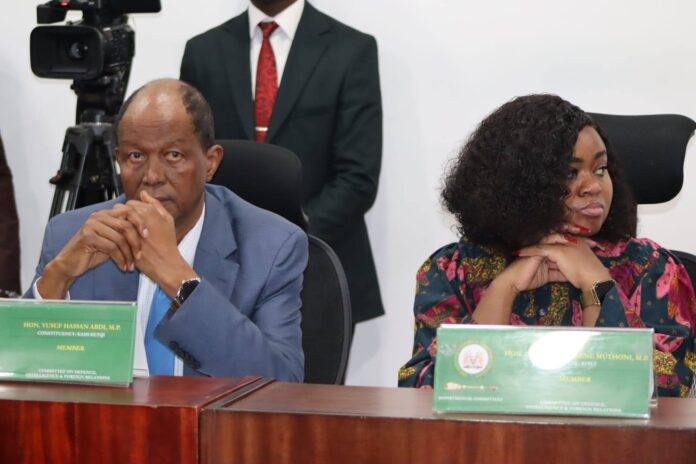
Speaking on the issue of mass repatriation, however, drew caution from legislators, Kamukunji MP, Hon. Yusuf Hassan warning against an open-ended financial commitment.
“It is not sustainable to repatriate all citizens in distress abroad. There must be shared responsibility, including working with international organisations such as the IOM,” he said.
At the same time, the department revealed that it is grappling with pending bills amounting to Sh206 million, including Sh131.9 million for foreign air tickets, of which only 4.3 per cent has been settled.
Despite the financial constraints, the department reported a 100 per cent response rate to distress cases and ongoing high-level engagements in several countries, including Russia.
Officials maintained that while advisories are issued for Kenyans to leave high-risk areas, government support is reserved for those in critical need.
“We have established clear repatriation guidelines. Others who are able are facilitated to return at their own cost,” the department said.
The Hon Nelson Koech led Committee is expected to deliberate on the funding request amid growing pressure to safeguard Kenyans caught in volatile regions abroad.