A U.S. military refuelling aircraft crashed in western Iraq on Thursday, in an incident U.S. Central Command said involved another aircraft but was not the result of hostile or friendly fire.
The United States has deployed a large number of aircraft into the Middle East to take part in operations against Iran, and the incident highlights the risk of operations, even over friendly skies.
In a statement, U.S. Central Command said it was carrying out rescue efforts after the U.S. KC-135 refuelling aircraft went down. The second aircraft landed safely.
A U.S. official, speaking on the condition of anonymity, said the other aircraft involved in the incident was also a KC-135, and the one that crashed had as many as six service members on board.
The Islamic Resistance in Iraq, an umbrella group of Iran-backed armed factions, claimed responsibility for downing the U.S. military refuelling aircraft.
The group said in a statement it had shot down the KC-135 aircraft “in defence of our country’s sovereignty and airspace”.
The KC-135, built by Boeing (BA.N), opens new tab in the 1950s and early 1960s, has served as the backbone of the U.S. military’s air refuelling fleet and is critical to allow aircraft to carry out missions without having to land.
Since the U.S. and Israel started carrying out strikes against Iran on February 28, seven U.S. troops have been killed. The United States has carried out strikes against more than 6,000 targets in Iran.
Reuters reported on Tuesday that as many as 150 U.S. troops have been wounded in the U.S.-Israeli war on Iran. News of the crash comes the same day two U.S. sailors were injured after the USS Gerald Ford suffered a non-combat-related fire on board.
So far, the war has killed more than 2,000 people, including almost 700 in Lebanon.
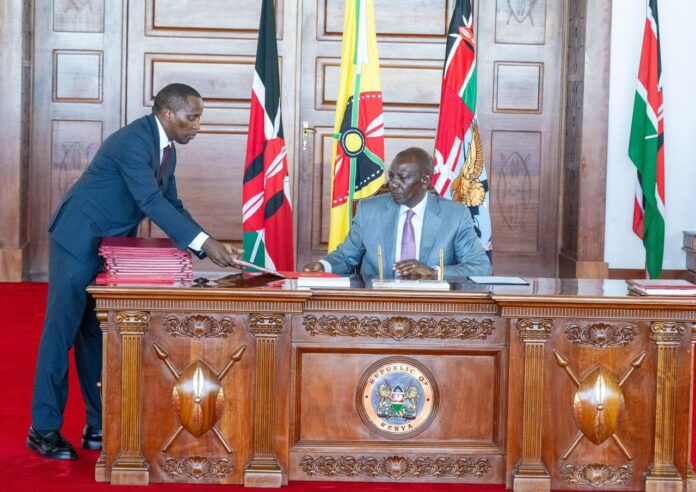
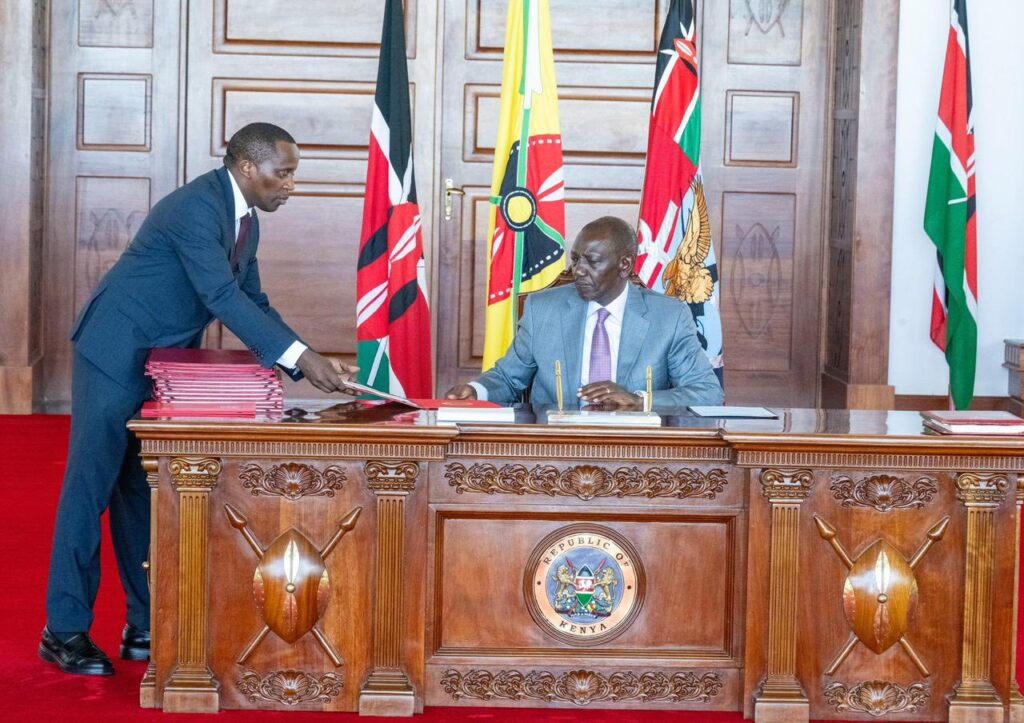
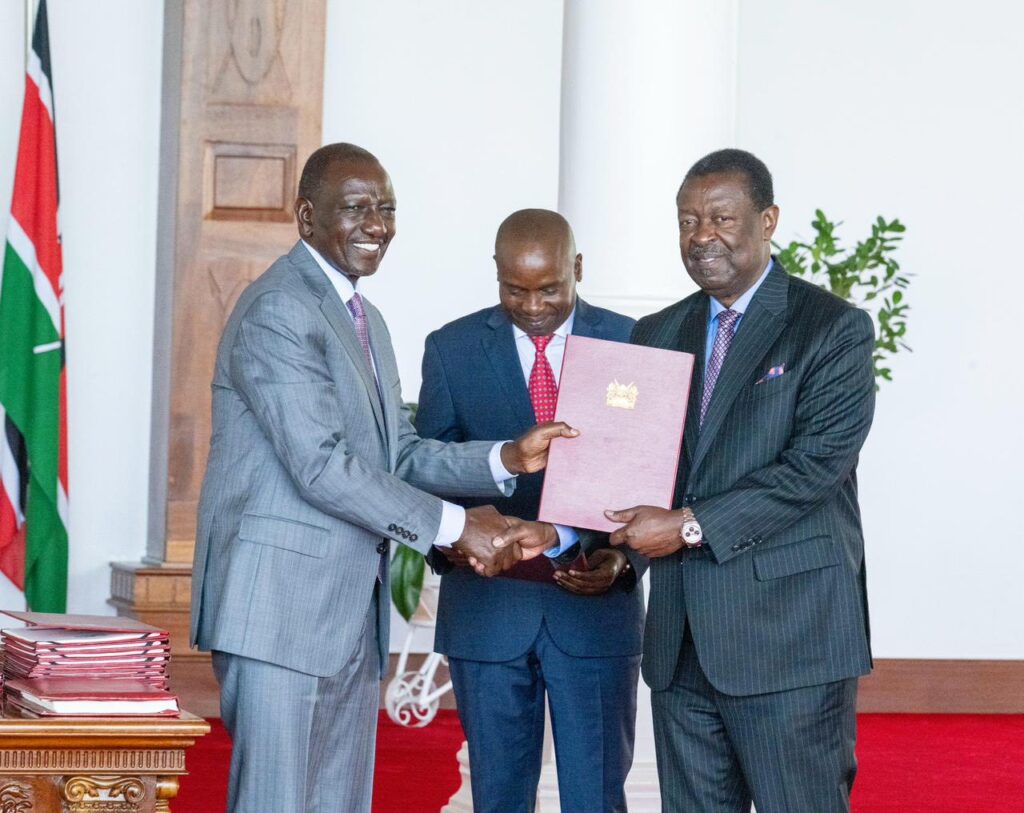
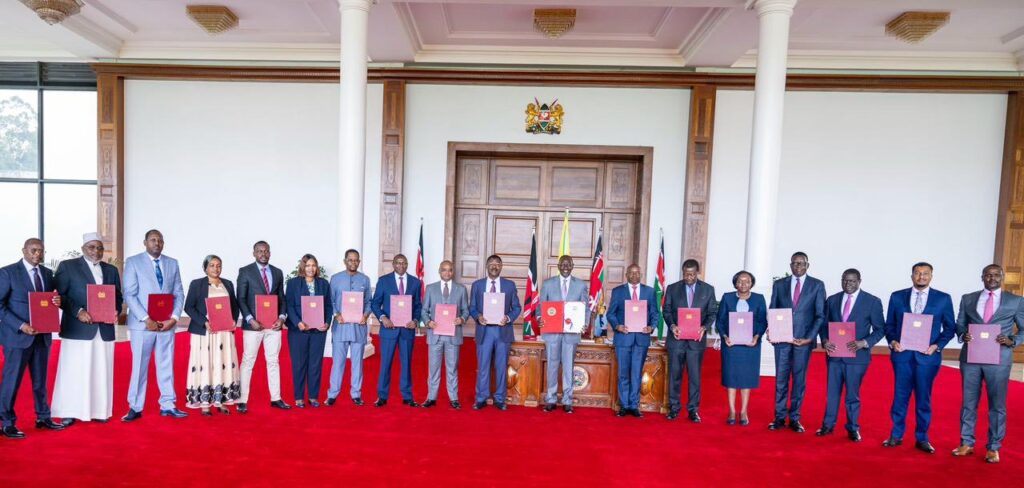
President William Ruto on Friday morning signed three Bills into law at State House, Nairobi.
The legislations are the Miscellaneous Fees and Levies (Amendment) Act, 2026, the Coffee Act, 2023 (Mediated Version), and the Meteorology Act, 2023.
The Coffee Act, 2023, provides for the development and regulation of the coffee industry in Kenya. It reorganises the coffee sector by transferring the regulatory and commercial roles currently undertaken by the Agriculture and Food Authority (AFA) to the Coffee Board of Kenya.
In the new law, the Coffee Board is mandated to regulate and promote the development of the coffee industry. Its functions include processing permits and licence applications, registering coffee dealers, and overseeing the implementation of strategies, policies, and funding models for the sector.
The board is also mandated to collect and maintain industry data, conduct market intelligence and surveys, promote Kenyan coffee in local and international markets, and support the application of the Kenya Coffee Mark of Origin.
In addition, the board will develop industry standards and codes of practice in collaboration with the Kenya Bureau of Standards.
The new Act gives the board the power to promote regional coffee appellations, facilitate technology transfer to county governments, build capacity among industry players, enforce compliance with relevant policies and standards, coordinate representation in international coffee forums, regulate coffee marketing and trading, and promote digital marketing to expand markets for Kenyan coffee.
In undertaking these functions, the board will collaborate with other licensing authorities and stakeholders in the industry, including county governments and the Capital Markets Authority.
The Act also transfers the coffee research role currently undertaken by the Coffee Research Institute to a newly established Coffee Research and Training Institute. The management of the institute will be vested in a council that includes a chairperson appointed by the relevant Cabinet Secretary.
The primary role of the institute is to advance research and training in the coffee sector. It will develop systems that promote sustainable and diversified coffee development and optimise production through research.
The institute will also coordinate research on coffee diseases and the development of new crop varieties.
Additionally, it will facilitate the adoption of improved production technologies within the coffee sector.
Meanwhile, the Miscellaneous Fees and Levies (Amendment) Act, 2026, amends Section 8 of the Miscellaneous Fees and Levies Act to expand the scope of the Railway Development Levy to support a broader range of railway transport infrastructure beyond the construction and operation of the Standard Gauge Railway.
The amended law supports the government’s policy objective of mobilising sustainable financing for strategic railway transport infrastructure while strengthening the institutional framework for the management and utilisation of the Railway Development Levy.
The amended Act establishes the Railway Development Levy Fund into which all funds collected from the Railway Development Levy will be paid.
The creation of the fund aims to ensure that the resources raised through the levy are properly managed and specifically utilised for the development of railway infrastructure.
Under the law, proceeds from the levy may also be used to support the safety and economic regulation of railway infrastructure, as well as the rehabilitation of existing railway systems.
The rehabilitation of railway transport infrastructure will require approval from both the Cabinet Secretary for the National Treasury and the Transport Cabinet Secretary.
The amended Act further establishes the Railway Development Fund Board, which will be responsible for the administration and management of the Railway Development Levy Fund.
The board will be a corporate body with the authority to sue and be sued, enter into contracts, and perform other functions necessary for the proper management of the fund.
The board’s responsibilities will include the formulation of the fund’s strategic direction, review and approval of programmes and budgets, overseeing the administration of the fund, and ensuring that resources are used efficiently.
On its part, the Meteorology Act, 2023, establishes a legislative framework to regulate meteorological services in Kenya and to coordinate and monitor their delivery.
The law also ensures that Kenya complies with international standards and obligations governing meteorological services under the Chicago Convention on International Civil Aviation and the Intergovernmental Oceanographic Commission of UNESCO.
The new law establishes the Kenya Meteorological Service Authority, which will serve as the principal technical adviser to both national and county governments on meteorological matters.
The Authority will be responsible for establishing and maintaining meteorological management systems for data processing, analysis, forecasting, and archiving.
It will also prepare and disseminate weather forecasts, issue advisories and warnings for disaster risk reduction through a variety of early warning systems, and develop curricula and training programmes in meteorology aligned with international standards.
In addition, the Authority will register weather stations for meteorological data collection and coordinate research and development in meteorology.
The new Act also establishes the Meteorology Training and Research Directorate as the successor to the Institute for Meteorological Training and Research.
The directorate will serve as the designated World Meteorological Organisation Regional Training Centre, offering certificates, diplomas, and professional courses in meteorology, operational hydrology, and related sciences.
The law further empowers the Authority to identify sites for meteorological observation stations and enter into agreements with landowners for the use of their property for observation purposes.
It also provides intellectual property protection for data, advisory services, inventions, discoveries, and innovations generated by the Authority.
In addition, the Act outlines offences that may interfere with the effective delivery of meteorological services.
Apple today announced it will mark its 50th anniversary, celebrating five decades of thinking different and the innovations that have helped shape the way people connect, create, learn, and experience the world.
Since its founding on April 1, 1976, Apple has been driven by a belief that progress comes from those who challenge convention and imagine what could be.
That spirit of thinking different has led to products and services that have transformed entire industries and enriched the lives of people around the globe.
From groundbreaking products like Apple II and Macintosh, to iPod, iPhone, iPad, Apple Watch, Mac, and Apple Vision Pro, and to services that users rely on every day, from the App Store to Apple Music, Apple Pay, iCloud, and Apple TV, Apple has consistently combined powerful technology with intuitive design to empower individuals to do extraordinary things.
While Apple is known for looking forward, this milestone offers a special moment to reflect on the journey that has brought the company here, to celebrate the people and communities who have thought different with us, and to honor the enduring values that continue to guide our work.
To mark this occasion, CEO Tim Cook has shared a letter on apple.com reflecting on the company’s history and values, and celebrating people who have shaped Apple over the past 50 years.
In the coming weeks, Apple and its global community will celebrate the company’s 50th anniversary, recognizing the creativity, innovation, and impact that people around the world have made possible with Apple technology.
“Thinking different has always been at the heart of Apple,” said Tim Cook, Apple’s CEO. “It’s what has driven us to create products that empower people to express themselves, to connect, and to create something wonderful. As we celebrate 50 years, we are deeply grateful to everyone who has been part of this journey and who continues to inspire what comes next.”
From the beginning, Apple has believed that technology alone is not enough. It is the intersection of technology and the liberal arts, guided by a human touch, that makes its products meaningful.
That belief continues to shape Apple’s work today, from advancing Apple Intelligence, to creating products and services designed with privacy at their core, built for accessibility and created with the planet in mind.
As Apple celebrates this milestone, the company remains focused on the future and on continuing to think different in the years ahead.
Apple will continue to innovate in groundbreaking silicon, life-enriching products, transformative software, and services that improve people’s lives, while deepening its commitments to environmental responsibility, education, and community impact around the world.
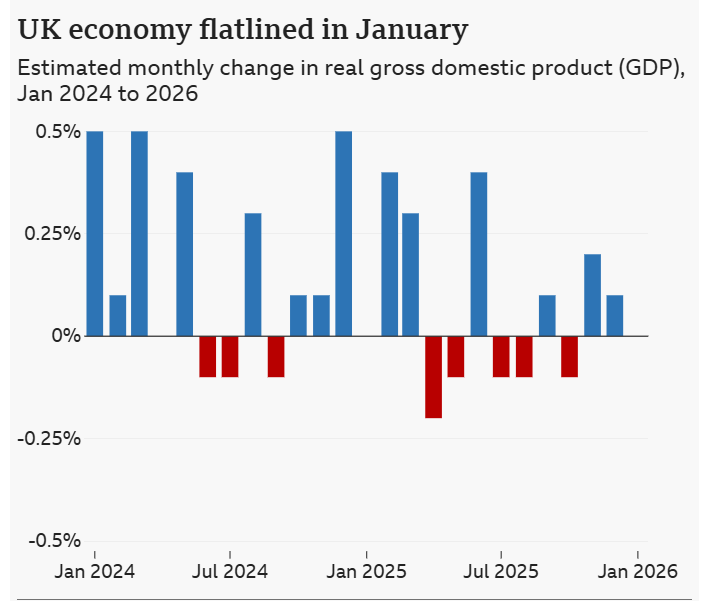
BBC -The UK economy unexpectedly failed to grow in January, ahead of the outbreak of the US-Israeli war with Iran.
The zero growth for the month was weaker than had been predicted, and followed growth of 0.1% in December.
The overall picture is “subdued”, said the Office for National Statistics (ONS),while analysts called it a “disappointing start to the year”.
The figures cover a period before the outbreak of Middle East conflict, which has caused a major energy shock that could have a ripple effect on economies around the world.
The longer the conflict lasts, the more likely it is that there will be an effect on the UK economy, Prime Minister Sir Keir Starmer warned this week.
Labour has made growing the economy its number one priority since coming to power.
Chancellor Rachel Reeves said: “Our economic plan is the right one, but I know there is more to do.
“In an uncertain world, we are building a stronger and more secure economy by cutting the cost of living, cutting national debt and creating the conditions for growth to make all parts of the country better off.”
The ONS said the services sector showed no growth in January, while production fell by 0.1%. Meanwhile the construction sector grew by 0.2%.
In the three months to January, a less volatile measure in comparison to the monthly numbers, GDP grew by 0.2% – up from 0.1% in the three months to December.
Yael Selfin, chief economist at KPMG UK, said growth was “likely to remain elusive”.
“The UK economy started the year on the back foot and activity is expected to weaken further amid sharply rising energy prices,” she said.
She said government borrowing costs have risen in recent weeks.Before the Iran conflict, analysts had said the Bank of England could cut interest rates as soon as March, but they now widely expect a hold when it meets next week.
Keeping interest rates higher for longer will be a “headwind” for businesses, Selfin added, with expectations for weaker growth plus rising costs meaning firms are likely to scale back investment plans.
Former Cabinet Secretary Raphael Tuju faces the possibility of losing several prime Karen properties after the High Court declined to immediately stop the execution of an earlier ruling that cleared the way for the assets to be auctioned.
In directions issued at the Milimani Law Courts, Justice Josephine Wambui Mong’are declined to grant interim orders sought by Tuju and his company, Dari Limited, that would have temporarily halted the implementation of a decision delivered on March 9, 2026.
The March 9 ruling struck out Tuju’s amended plaint and lifted interim court orders that had previously stopped the defendants from dealing with the contested properties.
As a result, the respondents, Garam Investment Auctioneers and Knight Frank Kenya, are no longer barred by court orders from proceeding with actions related to the properties while the case continues.
The dispute revolves around several high-value assets, including L.R. No. 1055/165, which hosts Tamarind at Dari Business Park along Ngong Road, and L.R. No. 11320/3, home to Entim Sidai Wellness Sanctuary in Nairobi.
After the amended suit was struck out, Tuju returned to court through an application dated March 11 seeking urgent relief to stop the execution of the ruling and to obtain permission to appeal.
In the application, Tuju argued that the respondents were now free to auction, transfer or otherwise dispose of the properties in what he termed an irregular and unlawful process.
He warned that unless the court intervened urgently, the planned appeal would be rendered useless if the properties were sold before the appeal was heard and determined.
However, Justice Mong’are only certified the application as urgent but declined to grant temporary orders stopping the implementation of the ruling.
Instead, the judge directed Tuju to serve the application on the respondents and ordered that the matter be mentioned before the presiding judge of the division on March 17 for further directions.
“Since this court is on transfer, let the application be served and be mentioned before the presiding judge of the division on 17/3/2026 for directions,” the judge ruled.
Despite declining the interim stay, the court granted Tuju leave to appeal the March 9 decision that struck out the amended plaint.
The earlier ruling had also vacated orders issued on October 28, 2024, which had restrained the respondents, their agents or employees from advertising, attaching, selling or otherwise interfering with the ownership of the Karen properties.
Tuju had argued that the intended appeal raises substantial legal issues, including claims that the court failed to determine a pending contempt application accusing the respondents of violating earlier court orders.
The matter will now be mentioned before the presiding judge on March 17 to determine the next steps regarding the application and the intended appeal.
A court in Tana River County has sentenced a man to life imprisonment for committing incest with his teenage daughter.
The convict, Hussein Buya Omar, a man in his 50s, was found guilty by Senior Principal Magistrate Edward Too at the Hola Law Courts of offences under Section 20(1) of the Sexual Offences Act.
The court heard that Omar repeatedly abused his school-going daughter in Mkomani Village, Mazuni Location, fully aware of their familial relationship.
“Prosecution, led by Alfred Michuki and Elijah Oruko presented a strong case supported by seven witnesses. These included the minor, her mother, the area chief, a clinical officer and the investigating officer.”
“Medical evidence, including the P3 form, treatment notes and the child’s birth certificate, corroborated the victim’s testimony and linked the accused to the offence,” said the ODPP.
In his judgment, Magistrate Too described the victim’s account as consistent, credible, and free from malice. The court dismissed Omar’s denial, ruling that the prosecution had proven its case beyond reasonable doubt.
Omar was consequently sentenced to life imprisonment.
BBC -Nineteen people have been jailed over an attack at a concert hall near Moscow that killed 149 people and left more than 500 injured – the deadliest mass shooting in Russia in two decades.
A Russian military court handed life sentences to four gunmen and 11 accomplices. Four other defendants were given between 19 and 22 years, state media reported.
The attack at Crocus City Concert Hall on the outskirts of Russia’s capital on 22 March 2024 began with gunmen shooting before setting fire to the venue.
An Islamic State (IS) group affiliate admitted it had carried out the attack and posted video evidence. Moscow has repeatedly accused Ukraine of involvement – an allegation strenuously denied by Kyiv.
The attackers then set fires which engulfed the venue and caused the roof to collapse. Many of the victims died from bullet wounds and some from smoke inhalation.
The four men convicted of carrying out the shooting have all been identified as citizens of Tajikistan.
The other 11 who received life sentences were found guilty of helping the gunmen with money and weapons or of having links to terrorist groups.
Four others were jailed for selling a car to the gunmen and helping them rent a flat.
It is not clear if they will appeal the sentences.
The trial has been conducted behind closed doors and there are likely to have been confessions made under duress.
When the men first appeared in court two years ago, they showed visible signs of having been beaten and one was brought into court in a wheelchair.
Graphic video released by IS, showing attackers firing on the crowd inside the concert hall, was verified as genuine by the BBC.
Russian officials have continued to claim that Ukraine was linked to the attack – the neighbour Russia has been at war with since it launched a full-scale invasion in 2022. No evidence has been provided for the claims.
Ukrainian officials fiercely deny any connection.
President Volodymyr Zelensky previously said it was “absolutely predictable” that Russian President Vladimir Putin would blame it on Ukraine.
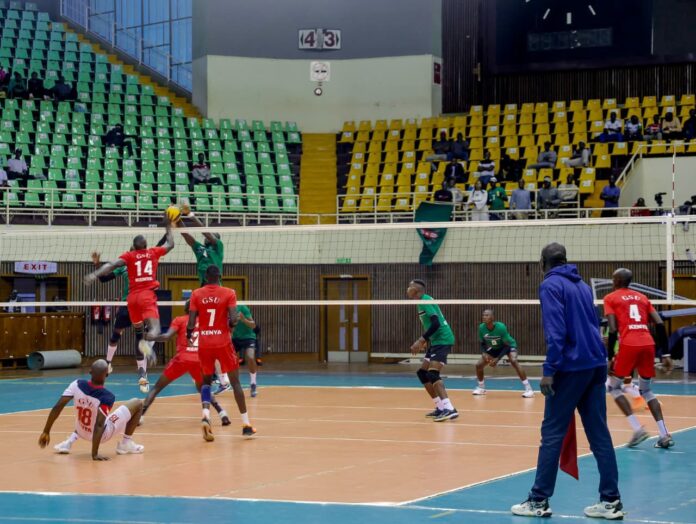
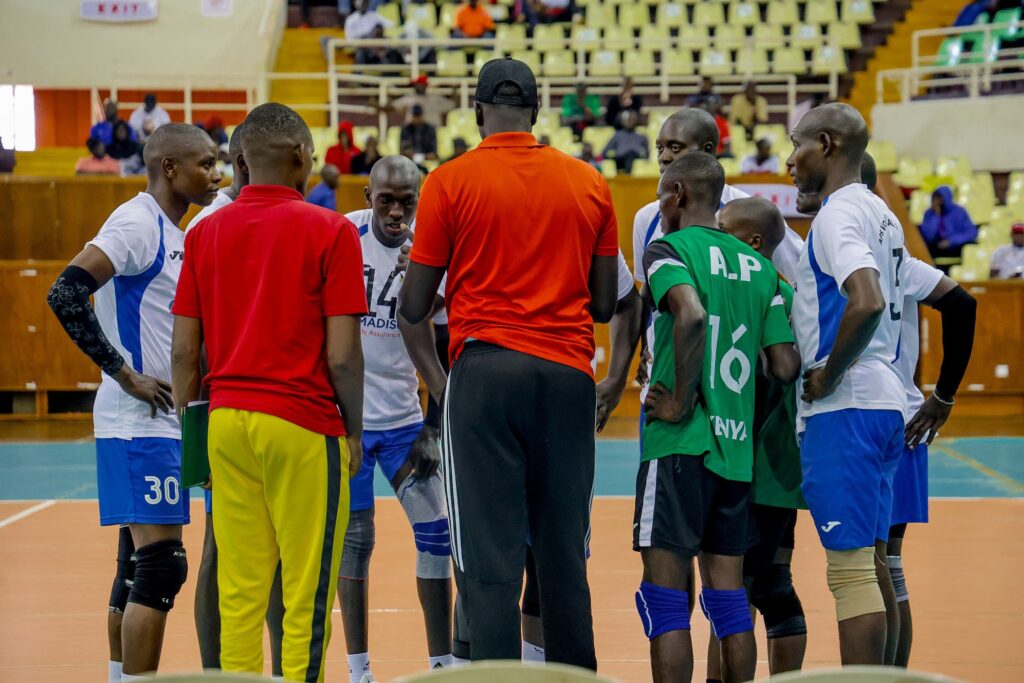
What a day it was for the Administration Police (AP) Kenya, as they edged out the National Youth Service (NYS) in the third leg of the ongoing Kenya Volleyball Federation National Men’s League, taking place at the Moi International Sports Centre, Kasarani.
The duel began with high hopes for the Administrators as they secured victory in the opening two sets (25-23, 25-23).
The momentum briefly shifted during the next two sets, but AP Kenya rose to the occasion in the decider, beating NYS 19–17 to seal a dramatic 3–2 triumph.
However, for the General Service Unit, it was a bad day at the office as they fell 3-1 to Kenya Prisons in the final match of the day.
Despite the setback suffered yesterday, the team will be looking to regroup, sharpen their play and bounce back stronger in their upcoming fixtures.
AP now prepare to meet Trailblazers, while GSU take on Kenya Ports Authority (KPA) at the same venue today.
A carefully orchestrated, intelligence-led operation by detectives has led to the arrest of two notorious suspects believed to be at the centre of a thriving black-market network dealing in stolen mobile phones within Githogoro area of Runda.
The late-night operation, conducted yesterday at around 2037hrs, followed credible and actionable intelligence received by detectives concerning a disreputable syndicate involved in receiving and trading stolen mobile devices.
Acting swiftly on the information, detectives from the DCI Operations Action Team (OAT) in collaboration with officers from DCI Gigiri, and augmented by their counterparts from Runda Police Station, discreetly mobilized and set out to dismantle the illicit enterprise.
Moving with stealth and precision, the crime-busters descended on a shop operating under the name “E7 Cosmetics” within Githogoro, a premise suspected to be a covert hub for the illegal trade.
Upon arrival, the officers found two adult males inside the establishment who identified themselves as the proprietors of the business. The duo was later identified as Tobias Oduor and Nickson Indasia.
What initially appeared to be an ordinary cosmetic shop quickly unravelled into something far more sinister. A meticulous search conducted by the detectives inside the premises uncovered a staggering cache of suspected stolen electronic devices.
The haul included 65 serviceable mobile phones, 7 laptops, and 52 dismantled assorted mobile phones, strongly pointing to an operation where stolen gadgets were either resold or stripped for parts.
When confronted and interrogated about the recovered items, the suspects were unable to provide any credible or satisfactory explanation regarding the ownership or source of the electronics, further heightening suspicions that the premises served as a conduit for the disposal of stolen property.
In a major breakthrough during the operation, one of the recovered mobile phones was positively identified as a device that had earlier been violently snatched from a victim at Ruaka stage by unknown assailants.
The phone was found actively being used by one of the suspects, Tobias Oduor, and has since been conclusively identified by its rightful owner who is a resident of Ruaka.
The discovery has provided investigators with a crucial link between the suspects and a wider network of mobile phone theft incidents reported within the area.
All the recovered exhibits have since been carefully documented and secured through a formal inventory process as investigations continue to unravel the full extent of the suspected criminal network.
Meanwhile, the two suspects remain in police custody and are expected to be arraigned in court to face appropriate charges.
This successful operation underscores the unwavering commitment of detectives in dismantling criminal syndicates that prey on unsuspecting members of the public.
The Directorate of Criminal Investigations continues to urge members of the public to remain vigilant and to promptly share information that could aid in the fight against crime.
President William Ruto has nominated Njoki Ndung’u, a judge of the Supreme Court of Kenya, for election to the bench of the International Criminal Court (ICC).
According to the list of candidates published for the upcoming election of ICC judges, Ndung’u has been nominated under the African States category.
The election will take place during the 25th session of the Assembly of States Parties scheduled to be held in New York from December 7 to December 17, 2026.
The process will see states parties elect six judges to the ICC bench.
The nominations include candidates from different regional groups and professional categories.
Ndung’u appears among nominees from African states and is listed under the female candidates in the nomination document released ahead of the elections.
Other candidates nominated from the African region include Deo John Nangela, Rosette Muzigo-Morrison and Evelyn Ankumah.
Yamauchi Yoshimitsu is a nominee under the Asia-Pacific States, Olarte Diana Carolina under the Latin American and Caribbean States and Mettraux Guénaël under the Western European and other States.
The election will be conducted by the Assembly of States Parties, the management oversight and legislative body of the ICC, which is composed of representatives from countries that are parties to the Rome Statute.
If elected, Ndung’u would join the panel of judges responsible for handling cases before the international court based in The Hague, Netherlands.
Justice Ndungu, appointed to the Supreme Court in 2011, is among its longest-serving members.
Over her tenure, she has delivered notable opinions on constitutional matters, gender rights, social justice and the protection of fundamental freedoms, contributing significantly to the country’s legal discourse.
Within the Judiciary, she also holds several leadership responsibilities, including chairing the Judiciary Committee on Elections and the Employee Protection and Inclusion Committee.
Before joining the Bench, she served in several local, regional, and international institutions, including as State Counsel in the Office of the Attorney General, Programme Officer at the Institute for Education in Democracy, National Protection Officer at the United Nations High Commission for Refugees (UNHCR), and Political Analyst in Conflict Management at the African Union.
She is also a former Member of Parliament and previously served as a Member of the Pan-African Parliament.
Justice Ndung’u is widely credited as the architect of the Sexual Offences Act, 2006, and played a leading role in legislative amendments that introduced paid maternity and paternity leave under the Employment Act, as well as affirmative action measures for women in political participation under the Political Parties Act.
She also served on the Committee of Experts that drafted Kenya’s 2010 Constitution.
Her contributions have earned her several national and international honours, including the United Nations Person of the Year Award in Kenya and the International Commission of Jurists’ Jurist of the Year Award in 2006.
She has also received Presidential commendations, including the Elder of the Burning Spear (EBS) and later the Chief of the Burning Spear (CBS).