Sponsored Ad

Ad 1
Ad 2
Ad 3
Ad 4
Ad 5
Ad 6
28 C
Kenya
Thursday, May 7, 2026
Home Blog Page 342

African Energy Chamber (AEC), Venezuelan Petroleum Leadership Forge Structured Hydrocarbon Partnership

Venezuela is positioning itself for accelerated oil and gas growth, targeting a near-term increase in production from 1.1 million barrels per day (bpd) to 1.2 million bpd, with a 2027 objective of 1.5 million bpd and a longer-term return toward its installed capacity of 2.8 million bpd. For African investors and service companies, the message is clear: there is structured opportunity, backed by regulatory reform, defined contract models and political commitment at the highest levels.

This strategic direction was reinforced during high-level engagements between the African Energy Chamber (AEC) and Venezuela’s petroleum leadership. Part of a high-level working visit to Caracas this week, the Chamber met with Eduardo Antonio Ramirez Castro, Deputy Minister of Hydrocarbon Geopolitics, Luis González, Deputy Minister of Gas and Jovanny Martinez Executive Vice President at the state-owned oil corporation PDVSA. The parties agreed to draft a 12-month joint work plan covering upstream cooperation, refining rehabilitation, gas commercialization, finance structuring, trade flows and training implementation.

“This was not a symbolic engagement – it was a serious, high-level discussion where Africa was clearly recognized as a strategic partner. The fact that all ministers in charge of the petroleum sector were present, including Deputy Minister of Petroleum Eduardo Antonio Ramirez Castro, Deputy Minister of Gas Luis González and the highest executive of the PDVSA, is a strong signal that Venezuela is ready to drive its hydrocarbon sector forward,” stated NJ Ayuk, Executive Chairman of the AEC.

“There is a clear understanding within the Ministry and at PDVSA of what African companies have achieved across complex and mature hydrocarbon markets. They have an aggressive, structured plan to develop their fields and accelerate production, and they are ready to move,”  he added.

Towards a Venezuelan Hydrocarbon Resurgence

Venezuela holds approximately 303 billion barrels of crude reserves – largely concentrated in the 54,000 km² Faja del Orinoco, home to 272 billion barrels – alongside 195 trillion cubic feet of gas. With 56,000 wells already drilled and over 100,000 additional wells targeted in the coming years, the scale of redevelopment potential is significant.

Considering this potential, discussions during the Caracas meetings centered on joint rehabilitation of priority PDVSA assets, including mature oil fields, Category 2 and 3 wells suitable for rapid workovers, offshore assets such as Perla and Mariscal Sucre and refinery upgrades at Paraguaná, El Palito and eastern facilities. These projects represent relatively low-capex entry points capable of delivering incremental barrels in the short term.

The country’s January 29 Hydrocarbons Law reform, alongside administrative simplification measures and optimized fiscal terms, is designed to attract new participation. Investment vehicles include Production Participation Contracts (CPPs), ATFs and Empresas Mixtas – a form of private-public partnership. Officials highlighted the success of existing CPP structures – including Petrozamora, which reportedly increased production from 23,000 bpd in 2024 to 100,000 bpd in 2026 – as evidence that the model can deliver growth.

The AEC will facilitate African participation in these structures, supporting evaluation of asset data, commercialization rights and export provisions. Majority shareholders retain export freedom, while minority partners may export under defined pricing conditions – clarity that enhances bankability. Finance will underpin execution. Premier Invest – also a participant at the meetings – is expected to structure trade finance backed by PDVSA barrels and inventory, alongside project and infrastructure finance for upstream and midstream rehabilitation. Capital mobilization discussions include Gulf partners, African national oil companies and private operators.

Strengthened South-South Energy Corridors

Gas development and Global South trade also emerged as strategic priorities. Venezuela aims to scale production from approximately 4,100 million cubic feet per day (mmcf/d) toward a 6,000–6,500 mmcf/d range, supporting domestic supply, industrial feedstock and future LNG and LPG exports. For Africa, this presents dual opportunity.

First, African firms with experience in offshore gas, LNG modularization and pipeline development can participate in infrastructure recovery and expansion. Second, commercial trade flows – particularly LPG and bitumen – offer immediate South–South cooperation pathways. The parties explored establishing long-term LPG supply channels to African markets to support clean cooking programs and reduce energy poverty. Structured bitumen agreements could also provide African infrastructure markets with more stable supply and lower import premiums.

Beyond hydrocarbons, education and technical exchange were identified as strategic pillars. Structured one-week technical programs for African executives at Venezuelan petroleum institutions, including the Bolivarian University of Hydrocarbons, will form part of a reciprocal exchange model covering petroleum engineering, geology, trading and energy law.

For the AEC, the engagement signals a shift toward deeper South–South hydrocarbon integration – positioning African companies not only as domestic operators, but as outward investors and strategic partners in one of the world’s largest resource bases.
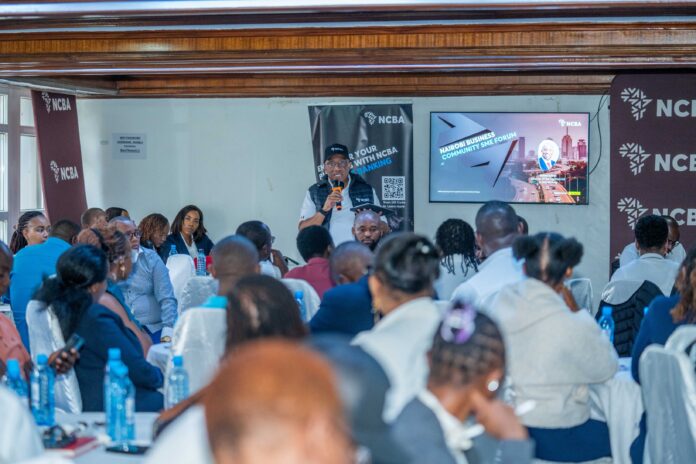
NCBA Holds Financial Literacy Forum for Nairobi SME Traders

NCBA Group on Thursday brought together more than 100 small and medium-sized enterprise (SME) traders in Nairobi for a financial literacy and advisory forum aimed at strengthening business resilience and expanding access to tailored financial solutions.

The forum drew traders from major commercial hubs including Gikomba, Nyamakima, Kamukunji, Kirinyaga Road and Sheikh Karume markets—sectors that are highly cash-driven and central to the capital’s economy. Participants engaged NCBA specialists on business financing, asset finance, leasing, insurance, cash management, trade finance and transactional banking.

Speaking at the event, Robert Kiboti, NCBA Group Director for CSME Banking, said SMEs continue to face constraints in access to capital, financial planning and risk management.

“Driven by our purpose to bank on belief and empower ambition, we are going beyond financing to provide advisory, knowledge and ecosystem-based solutions that help traders make informed decisions and scale sustainably,” Kiboti said.

The engagement supports NCBA’s 2025 strategy to become the primary financial partner for retail and SME customers through personalised, sector-specific outreach. The bank said convening traders within their business clusters enables practical learning, networking and long-term partnerships.

Traders were introduced to a range of products including working capital loans, commercial mortgages, construction and equity release financing, vehicle and equipment finance, leasing, and business banking solutions such as current and savings accounts, fixed and call deposits. Digital offerings highlighted included mobile and online banking, merchant services such as Lipa na M-Pesa, the NCBA Connect Plus cash management platform and NCBA Boosta, a digital lending solution of up to 35 million Kenyan shillings.

NCBA also outlined its SME capacity-building initiatives, including a 10-week Enterprise Development Programme run in partnership with Strathmore Business School and the African Guarantee Fund’s AFAWA Acceleration Programme, which supports women-led enterprises with financing and technical assistance.

NCBA Group operates more than 100 branches across Kenya, Uganda, Tanzania, Rwanda and Côte d’Ivoire, serving over 60 million customers, making it Africa’s largest banking group by customer numbers.

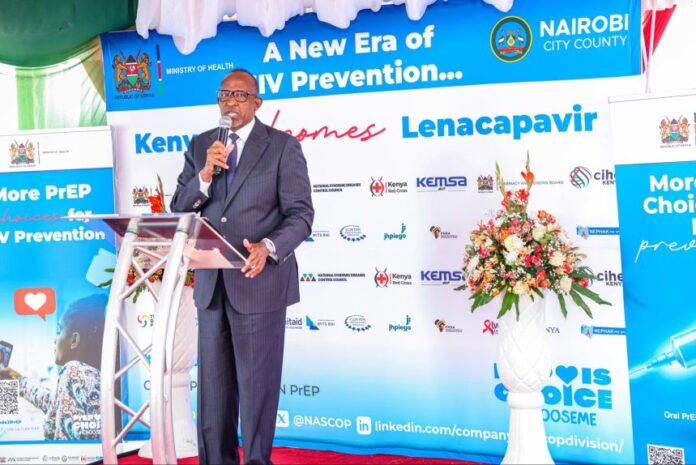
Kenya rolls out long-acting HIV prevention injection Lenacapavir

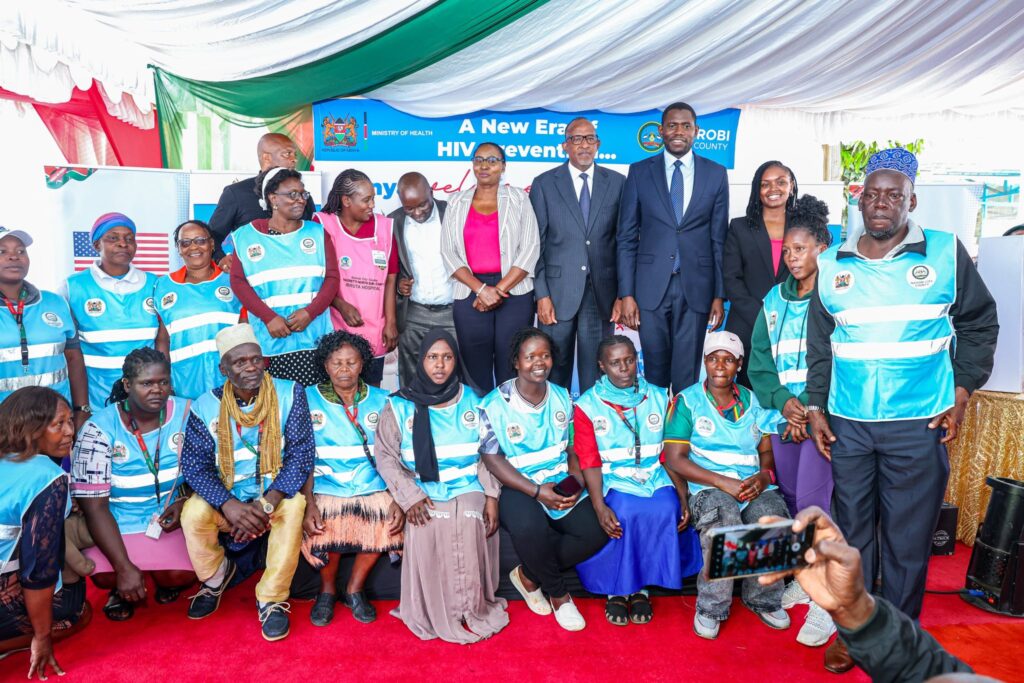
Kenya has rolled out Lenacapavir, a long-acting injectable for HIV prevention, as the government steps up efforts to reduce new infections and strengthen the national HIV response.

Speaking during the launch on Thursday, Health Cabinet Secretary Aden Duale said the rollout places Kenya among the first countries globally to introduce the drug for HIV prevention.

Duale said the injection expands prevention options at a time when HIV remains a major public health challenge.

The launch comes days after Kenya received 21,000 doses of the drug, with an additional 12,000 doses expected by April.

The Cabinet Secretary said Lenacapavir has met all regulatory and procurement requirements under Kenyan law and health guidelines.

He noted that the drug’s safety, quality and effectiveness were subjected to international scientific review and local evaluation by the Pharmacy and Poisons Board, with support from the Global Fund.

The injectable will be administered twice a year and offered free of charge to eligible individuals at selected public health facilities in priority counties.

According to the Ministry of Health, the rollout will be phased and guided by trained healthcare workers to ensure safe, equitable access and close monitoring.

Counties set to administer the drug in the first phase include Nairobi, Mombasa, Kilifi, Machakos, Kajiado, Nakuru, Uasin Gishu, Kakamega, Busia, Siaya, Kisumu, Migori, Homa Bay, Kisii, and Kiambu.

Health officials said the decision to introduce Lenacapavir reflects growing international confidence in Kenya’s health systems and its capacity to responsibly deploy advanced medical innovations at scale.

The launch was also attended by Principal Secretary for Medical Services Ouma Oluga, National AIDS and STI Control Programme chief executive Andrew Mulwa, Family Health Director Issak Bashir, and Dagoretti North MP Beatrice Elachi.

Development partners present included representatives from UNAIDS, World Health Organization (WHO), the United States Government, and AIDS Healthcare Foundation.

Interior Ministry Report Exposes How Politicians Organise Violence to Disrupt Rallies

The Ministry of Interior has released a report revealing how political violence in the country is systematically orchestrated by powerful actors, rather than occurring spontaneously.

The report, released on Wednesday, February 25, shows that political elites deliberately mobilise supporters to intimidate opponents, disrupt rallies, and assert control during politically sensitive periods.

“Political violence in Kenya is largely organised and enabled by political actors, rather than being spontaneous. Historical and intelligence assessments indicate that political elites deliberately mobilise supporters, including youth groups, to intimidate opponents, disrupt activities, and assert control during politically sensitive periods,” the report stated.

The ministry linked organised violence to previous election cycles, citing the 2007-2008 and 2017 elections as periods where political operatives were allegedly involved in orchestrated violent activity.

The report identifies vulnerable groups frequently targeted for recruitment, including unemployed or underemployed youth, boda boda riders, and casual labourers. These groups are mobilised through informal networks and deployed strategically during political events to dominate spaces or disrupt opposition activities.

“Groups primarily targeted for mobilisation include unemployed or underemployed youth, boda boda riders, and casual labourers. Recruitment occurs through informal networks that operate between mobilisation and militancy. During political events, these groups are often deployed to fill rallies, dominate public spaces, intimidate opponents, or disrupt opposition activities,” the report reads.

According to the ministry, such operations are usually planned and financed discreetly, with leaders distancing themselves from incidents afterward.

“Intelligence indicates that deployment is pre-planned and, in many cases, covertly financed by political actors. Leaders often distance themselves after incidents, denying responsibility while the public reconciles observed events with official narratives,” the report added.

The report warned that repeated use of organised political violence undermines democratic institutions, erodes public trust, and heightens ethnic and regional tensions.

“The systematic use of political violence erodes public trust and accountability. Young people are treated as expendable tools, reinforcing the perception that violence is a legitimate strategy for gaining or maintaining power. Ethnic and regional tensions are often heightened, increasing the risk of escalation beyond political events,” it noted.

Political leaders, the ministry said, bear primary responsibility for preventing violence within their ranks and should enforce internal disciplinary measures while monitoring inflammatory rhetoric.

“Political leaders must actively ensure that party operations do not exploit vulnerable youth or encourage violent mobilisation. Internal accountability mechanisms should be enforced to penalise members involved in intimidation or clashes. Political rhetoric that promotes fear, tribalism, or coercion must be monitored and addressed where evidence indicates incitement,” the report stated.

The ministry also called on citizens and communities to refuse participation in violent mobilisation and report credible intelligence to authorities, stressing that silence or tolerance enables violence to persist.

“While political actors are the main drivers, communities and citizens also have a responsibility to refuse participation in violent mobilisation and report credible intelligence. Silence or tolerance provides social permission for violence to persist. Community engagement is crucial in providing early warnings and preventing escalation,” it said.

Security agencies were urged to act impartially and consistently, using intelligence to prevent mobilisation before violence occurs.

“Security agencies must enforce the law impartially and consistently, acting on intelligence to prevent mobilisation before violence occurs. Enforcement must be predictable, fair, and transparent to maintain public trust,” the report advised.

The ministry recommended coordinated efforts to address root causes, strengthen intelligence-led interventions, and ensure accountability for political operatives and affiliates.

“Political leaders must take proactive steps to prevent violence and ensure accountability for affiliates. Security agencies should strengthen intelligence-led operations targeting high-risk mobilisation networks and maintain impartial enforcement. Communities must actively reject participation in political intimidation and report threats to relevant authorities,” the report concluded.

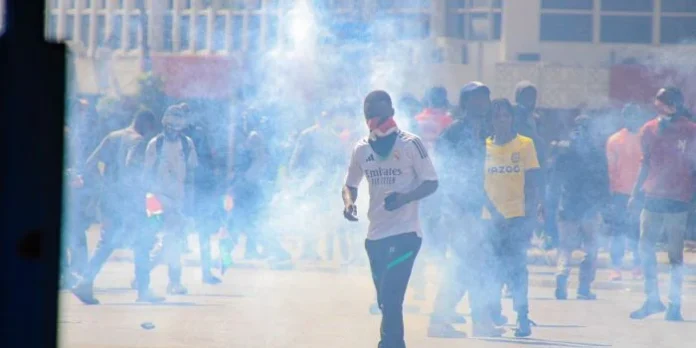
The release comes days after a teargas canister was lobbed at a rally in Kakamega attended by Nairobi Senator Edwin Sifuna and Embakasi East MP Babu Owino on Saturday, February 21. Supporters fled as gas spread across the grounds. Sifuna encouraged the crowd to stay and cover the canister rather than run, while cautioning against retaliation.

“Hatutoroki leo. Use a jacket to cover the canister so that we can continue with the rally. Do not go anywhere. They will not stop our meeting today. Throw another one if you are man enough,” Sifuna said. He and Babu later intervened to rescue a young man targeted by the crowd.

“Let me just warn you. If you have been sent to cause chaos in this rally, these people will kill you,” Sifuna warned.

Speaker Wetangula Urges Saudi Arabia to Support Kenya’s Peacekeeping and Trade Initiatives

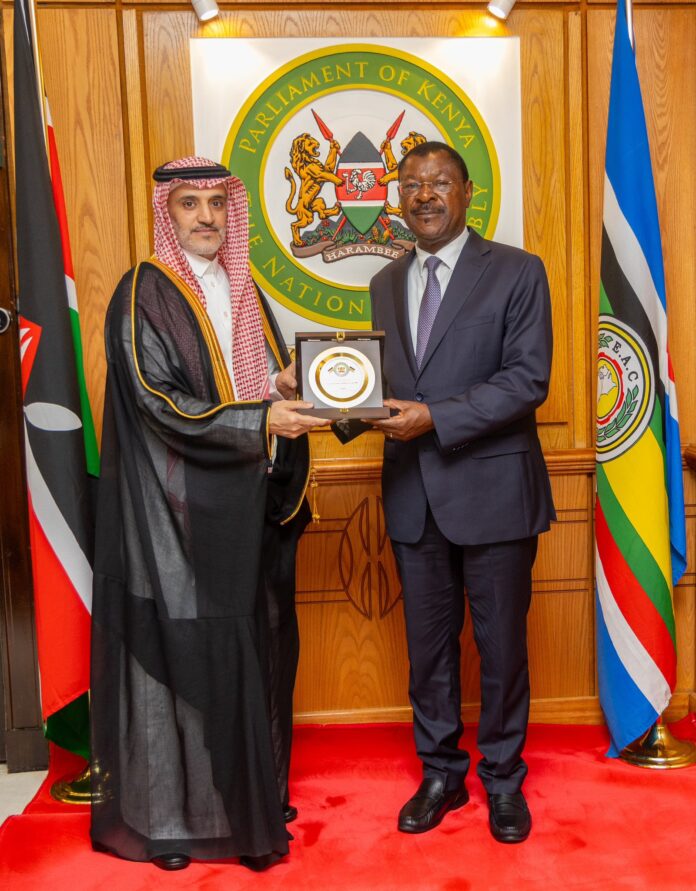
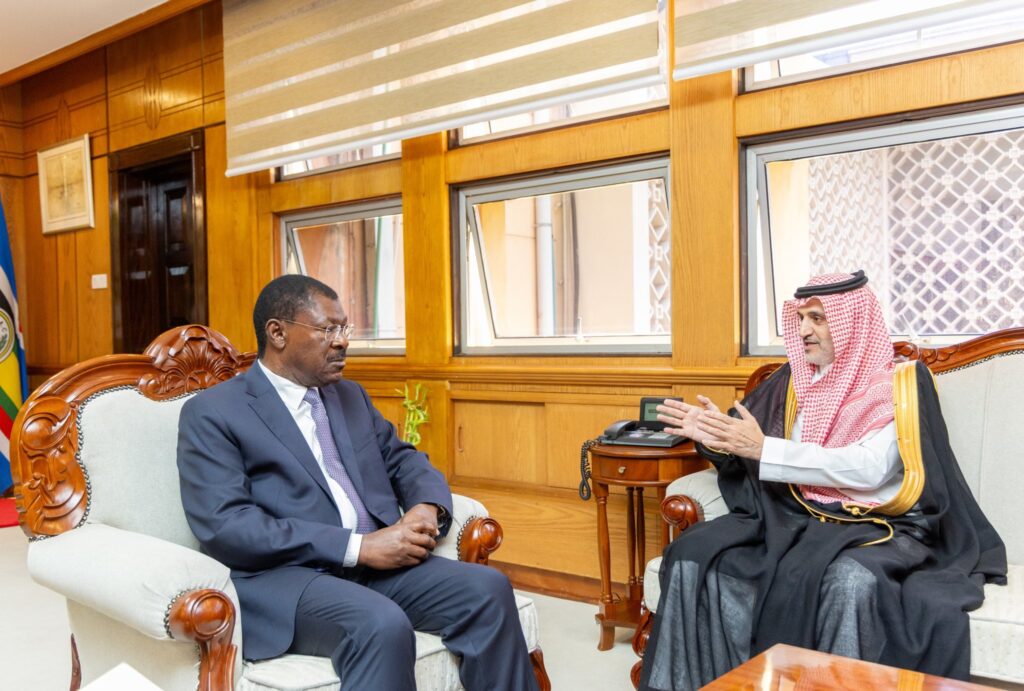
National Assembly Speaker Moses Wetangula has called on the Government of Saudi Arabia to enhance its support for Kenya’s peacekeeping initiatives in the East African region.

While hosting Khaled Alzahrani, Wetangula acknowledged Saudi Arabia’s ongoing assistance in stabilizing conflict-affected countries such as Somalia and South Sudan. 

He stressed that sustainable prosperity in East Africa hinges on lasting peace and urged international partners to back initiatives aimed at resolving long-standing regional conflicts.

The leaders also discussed opportunities to expand Saudi Arabia’s market access for Kenyan agricultural products, seeking to strengthen bilateral trade ties. 

In a move to deepen legislative collaboration, both sides agreed to establish a Parliamentary Friendship Group, aimed at fostering inter-parliamentary engagement and reinforcing diplomatic relations between the two nations.

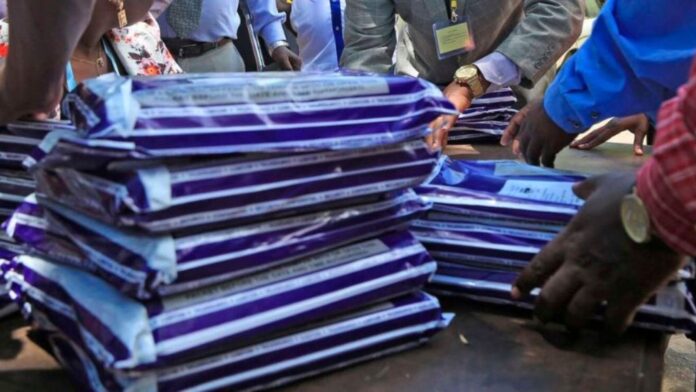
Knec to print national exams locally, ending decades of outsourcing to Britain

For the first time in history, the Kenya National Examinations Council (KNEC) will print national examination papers locally, ending more than four decades of outsourcing the process to overseas firms, primarily in the United Kingdom.

Basic Education Principal Secretary, Prof. Julius Bitok, told the National Assembly’s Education Committee that the 2026/27 budget has allocated Sh147 million to acquire equipment for the local production of secure exam materials, including optical mark recognition forms.

The move comes amid concerns over the high costs and logistical challenges of printing and transporting sensitive exams abroad.

Historically, papers for the Kenya Certificate of Primary Education (KCPE) and Kenya Certificate of Secondary Education (KCSE) were produced overseas under tight security, a practice now considered financially burdensome.

Officials say local printing will reduce costs and reliance on foreign providers, though stringent security measures will be put in place to protect exam integrity.

The shift is seen as a major step in strengthening local capacity and making the administration of national exams more efficient and cost-effective.

Trevor Were, Cherie Kihato Listed Among Top 50 TikTok Influencers Worldwide

Two Kenyan TikTok creators, Trevor Were and Cherie Kihato, have earned spots on TikTok’s 2026 Global Discover List, highlighting 50 of the world’s most influential creators shaping culture online.

Their recognition underscores Kenya’s growing presence in the global creator economy and places them among five notable creators from Sub-Saharan Africa.

Trevor Were, known on TikTok as @saute_with_trevor, was featured under the “Foodies” category. He transforms everyday meals from his Nairobi kitchen into exciting, accessible dishes, captivating audiences with his creativity and consistency.

Were will also take part in the TikTok x Food Network Future of Flavor event in New York, showcasing Kenyan culinary talent on the world stage.

“This nomination is an incredible honour. I never imagined that what started on my kitchen counter would open doors to global recognition and brand collaborations,” Were said.

Cherie Kihato, founder of Nairobi-based Savannah Space, is listed under the “Originators” category. She uses TikTok to highlight African heritage through furniture, art, and interior design, growing her brand internationally while inspiring other creatives to share their stories online.

The TikTok Discover List celebrates creators across five categories—icons, innovators, foodies, educators, and originators—who influence industries, spark conversations, and build sustainable careers via short-form video.

Other Sub-Saharan African creators on the list include Nigerian medical educator Olawale Ogunlana and South African entrepreneurs Wayne Chang and Tamia Nontsikelelo.

TikTok’s global head of content operations, James Stafford, said the 2026 list recognises creators who inspire communities, redefine industry success, and expand the global reach of homegrown talent.

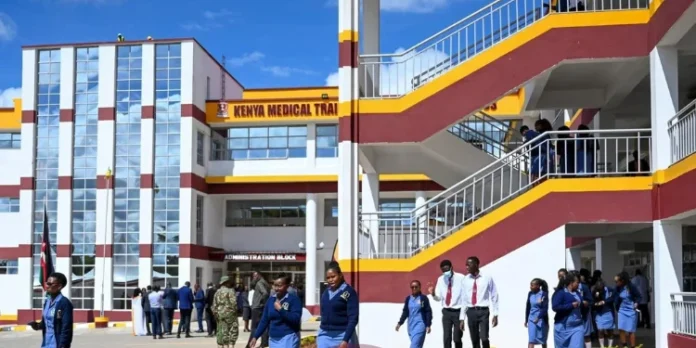
KMTC Announces Fully Funded Scholarships for Select Diploma Programs; How to Apply

The Kenya Medical Training College (KMTC) has announced fully funded scholarships in collaboration with the Ministry of Health and the East Africa Centre of Excellence in Urology and Nephrology (EACE-UN).

In a statement on Thursday, February 26, KMTC said the EACE-UN initiative is funded by the African Development Bank and the Government of Kenya. 

According to KMTC, the scholarships are available in nine specialized program areas offered in KMTC campuses. 

The courses include Higher Diploma programs in Medical Engineering (Dialysis Equipment, Therapeutic Equipment and Diagnostic Equipment), Clinical Medicine and Surgery (Nephrology), Nephrology Nursing, Nutrition and Dietetics (Renal Nutrition), Medical Laboratory Sciences (Renal Technology), Occupational Therapy (Renal Rehabilitation), and Renal Pharmacy. 

A short course in Renal Transplant Nursing is also available. 

Most of the higher diploma programs will run for two years on a full-time basis, while the renal transplant nursing course will take six months.

KMTC stated that the scholarship package will cover tuition fees and provide a stipend for successful applicants during the study period. 

Applicants are also required to submit a handwritten essay of not more than 200 words explaining why they deserve the scholarship and how they intend to contribute to the community after graduation. 

To qualify for the award, candidates must first secure an unconditional offer for one of their selected courses.

Priority will be given to county government employees within Kenya, KMTC staff, and health professionals with at least three years’ experience at a county health facility. 

Applicants must also be registered with the relevant regulatory body for their basic training and have secured approval and release from their county employer.

The selection process will involve recommendation by the employer during application, shortlisting by KMTC, review by the KMTC-EACE program scholarships selection committee, admission by KMTC, bonding and release by the employer in line with Public Service Commission guidelines, and eventual enrollment.

Interested candidates are required to apply online through the KMTC admissions portal at https://admissions.kmtc.ac.ke. 

Applicants must log in or create an account, complete the online application form, select the EACE-UN scholarship option under the application section, upload the required documents, download and sign the completed form, then re-upload the duly filled document in PDF format.

KMTC noted that the scholarships are subject to availability of funding and encouraged eligible health professionals to submit their applications before the deadline of March 15, 2026. 

Applications should be addressed to the Chief Executive Officer, KMTC.

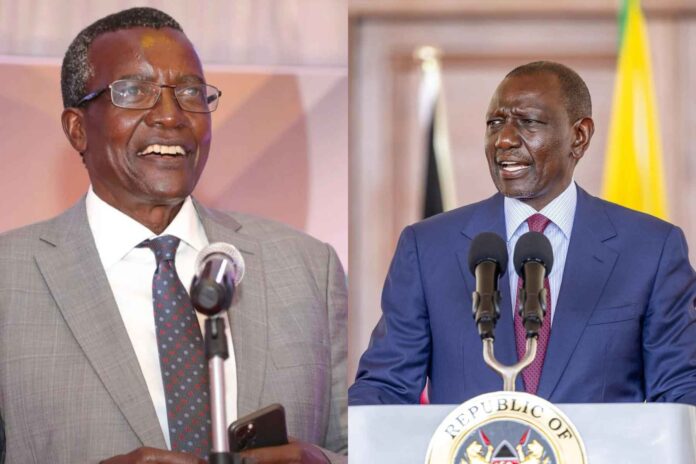
Maraga Vows to Fight Corruption First if Elected President, to Jail Ruto

Former Chief Justice David Maraga has accused President William Ruto of converting the government into a crime syndicate that steals from the public.

Speaking on Thursday, February 26, Maraga reiterated that if elected president in 2027, he would jail everybody involved in looting public resources.

He assured that his administration would not only be transparent but would also strictly adhere to the rule of law.

“I want to assure you that if you give me a chance, I will put a stop to the theft of public money immediately. My government will not be a company meant to loot public offers.

“I will jail everybody involved in stealing public funds. Nobody, not even my family, friends or even those elected under my party, will be spared if they are found guilty of corruption,” Maraga stated.

PHOTO | COURTESY A file image of United Green Movement party leader David Marga during a campaign rally.

The United Green Movement party leader maintained that dealing with corruption firmly was the only way to heal the country.

Maraga promised to revitalise the health and education sectors, which he opined had taken a turn for the worse under Ruto’s administration.

“I will ensure that medicine is available in all hospitals so that Kenyans can access good medical care, and money allocated for education is sent to schools so that our children get an education,” the former CJ reiterated.

The UGM party leader disclosed that he would do away with the Social Health Authority (SHA) if he were elected into office.

He explained that SHA had fallen short of its mandate, as very few Kenyans are insured by the medical cover, and that the perks are limited.

Maraga called on Kenyans to turn up in numbers and register as voters ahead of the 2027 general elections.

The former Chief Justice had earlier stated that he was willing to join the United Opposition to send Ruto home, but only if they were also committed to fighting graft and safeguarding the Constitution.

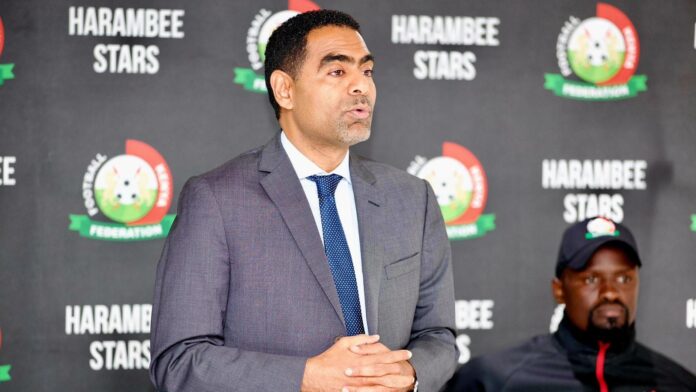
2 Kenyan Footballers Suspended For 365 Years in Double Registration Case

Two Kenyan footballers have been handed a 365-year suspension each after being found guilty of double registration in a disciplinary ruling. 

The decision follows investigations into player eligibility involving Santos Hotspurs, Nairobi FC, and Kirinyaga Stars.

The case centered on allegations that two players were registered under different identities at separate clubs.

Investigators established that Bernard Oelle, who featured for Santos Hotspurs, was also registered as Maira Oelle at Nairobi FC. 

Findings show that he was first registered at Nairobi FC before appearing for Santos Hotspurs under a different name.

In a separate but related finding, Nganga Ebrahim of Santos Hotspurs was also registered as Ebrahim Hassan at Kirinyaga Stars. 

Records indicate that he was first registered at Kirinyaga Stars in 2020 before his subsequent registration elsewhere.

Following the findings, the Football Kenya Federation (FKF) delivered its verdict on the matter.

Fortune Kinderen was awarded the win on a 3-point, 2-0 goal basis as a result of the breach of registration rules.

Additionally, the players Bernard Oelle and Nganga Ebrahim were each suspended for 365 years for double registration, effectively barring them from participating in organized football activities under the governing body’s jurisdiction.

Create a free account, or log in.

Gain access to read this content, plus limited free content.

Yes! I would like to receive new content and updates.

Sponsored Ad

Ad 1
Ad 2
Ad 3
Ad 4
Ad 5
Ad 6