Sponsored Ad

Ad 1
Ad 2
Ad 3
Ad 4
Ad 5
Ad 6
23.9 C
Kenya
Thursday, May 7, 2026
Home Blog Page 347

Zimbabwe rejects ‘lopsided’ US health aid deal over data concerns

Zimbabwe has rejected a US health deal that would have provided $367m (£272m) in funding over five years because of Washington’s demand for sensitive data.

The decision has come to light after a government memo from December was leaked, revealing that President Emmerson Mnangagwa felt the deal was “lopsided”.

A government spokesman has since explained the US was demanding access to biological samples for research and commercial gain but said it was not willing to share the benefits for future vaccines and treatments.

“We will now turn to the difficult and regrettable task of winding down our health assistance in Zimbabwe,” US ambassador to Zimbabwe Pamela Tremont said in a statement.

Her embassy said the US had provided more than $1.9bn in health funding to Zimbabwe over the last two decades.

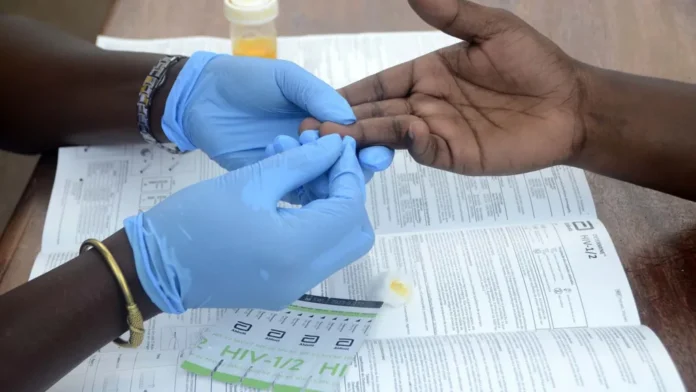
A doctors’ association in Zimbabwe has called for further dialogue to find a deal acceptable to both sides so the country’s HIV programme can continue.

In December, Kenya’s High Court suspended a similar health funding agreement the government had signed with the US after a consumer rights lobby filed a case citing concerns about the safety of Kenyans’ health data.

Since returning to office last year, US President Donald Trump has slashed foreign aid and closed the US Agency for International Development (USAID).

The agency had administered aid for the US government, but Trump argued its spending was “wasteful” and his administration was pursing government-to-government deals to boost transparency and accountability.

According to the US embassy in Zimbabwe, 16 African countries have so far signed health pacts representing more than $18.3bn in new funding.

It said the money for Zimbabwe would have gone towards “HIV/Aids treatment and prevention, tuberculosis, malaria, maternal and child health, and disease outbreak preparedness”.

“We believe this collaboration would have delivered extraordinary benefits for Zimbabwean communities especially the 1.2 million men, women and children currently receiving HIV treatment through US-supported programmes,” Tremont said.

But government spokesperson Nick Mangwana said the arrangement was “asymmetrical”.

“Zimbabwe was being asked to share its biological resources and data over an extended period, with no corresponding guarantee of access to any medical innovations – such as vaccines, diagnostics, or treatments – that might result from that shared data,” his statement said.

“In essence, our nation would provide the raw materials for scientific discovery without any assurance that the end products would be accessible to our people should a future health crisis emerge.”

He also said the US’s withdrawal from the World Health Organization (WHO) and its pursuit of bilateral health agreements were upending structures already set up through the global health agency.

Mangwana gave as an example its Pathogen Access and Benefit Sharing scheme to deal with future pandemics.

“This system is designed to ensure that when a country contributes its data, the benefits – including vaccines and treatments – are shared equitably, not commercialised exclusively by those with the resources to develop them.”

Zimbabwe’s reservations over the US deal “should not be misconstrued as anti-American sentiment”, he added.

“We welcome continued dialogue with our American counterparts on how future co-operation might be structured in a manner that respects the sovereignty and dignity of both nations.”

The Zimbabwe College of Public Health Physicians (ZCPHP) said it understood the government’s concerns, but suggested negotiations should continue given that much of the country’s HIV programmes relied on external financing.

“Where technical issues exist, including those relating to data governance or implementation frameworks, these can often be addressed through technical clarification and negotiated safeguards,” it said.
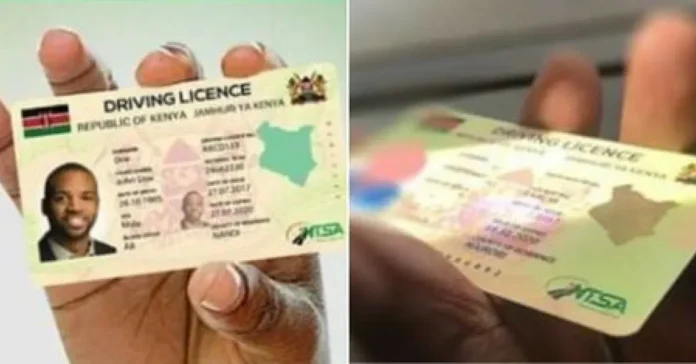
Details of Kenya’s Redesigned Digital International Driving Permit for Kenyans Travelling Abroad

The Automobile Association of Kenya (AA Kenya) has launched a redesigned International Driving Permit (IDP) to combat rising fraud and improve the mobility of Kenyan drivers abroad.

The new IDP features a passport-style design and incorporates advanced security elements, including digital verification technology that allows instant global authentication.

AA Kenya introduced the updated permit in response to growing concerns over counterfeit documents, which had resulted in Kenyan motorists being detained overseas.

The IDP enables holders to drive in more than 150 countries without needing to pass local driving tests or obtain foreign licences, making it valuable for work, study, and travel. The new design also helps expand employment opportunities for Kenyan drivers in previously restricted regions.

AA Kenya is encouraging the country’s more than five million licensed drivers to convert their local licences into the internationally recognised permit. The annual fee is Ksh12,000, though certain membership categories may qualify for reduced or waived fees.

To be eligible for the IDP, applicants must hold a valid driving licence issued by the National Transport and Safety Authority (NTSA), have at least two years of driving experience, and be aged 18 or older. Those granted the permit must carry both the IDP and their original Kenyan licence while driving abroad. 

Required documentation includes a completed application form, two signed passport photos, a copy of the driving licence, and proof of national identification or a passport. Applications can be submitted online or at AA Kenya branches nationwide.

In addition to its primary function, the IDP serves as a translation of the Kenyan driving licence, making it easier for foreign authorities, rental agencies, and border officials to verify a driver’s credentials.

Gov’t Announces Establishment of New Body to Verify Academic Certificates

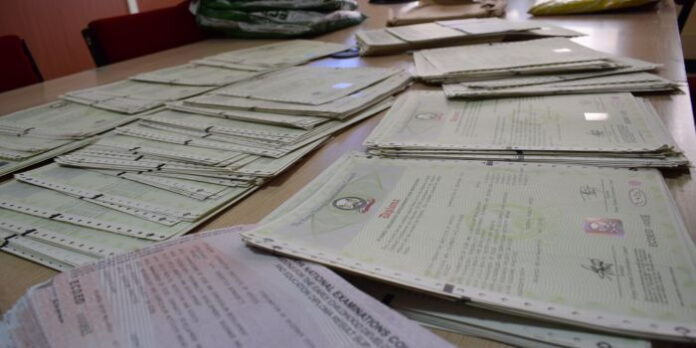
The Ethics and Anti-Corruption Commission (EACC) has established a new body to verify academic certificates in a bid to curb the use of forged qualifications in the country’s public and private sectors.

The announcement was made on 25 February by EACC Chief Executive Officer Abdi Mohamud during a media interview.

He said the organisation will authenticate academic documents and oversee curriculum development to strengthen integrity within the education system.

Mohamud stated that addressing corruption requires intervention at its source.

He said the new body would focus on verifying certificates and supervising curriculum standards, adding that students, educators and professionals all share responsibility for upholding academic integrity.

The initiative follows an increase in cases involving falsified academic credentials among job applicants and public officials in Kenya.

In recent years, several senior figures in national and county administrations have been removed from office after their qualifications were found to be invalid. 

The EACC has identified certificate forgery as a growing issue, particularly in recruitment for public service roles.

Under the new framework, the agency will work with universities, colleges, examination boards and professional regulators to create a centralised verification system. 

Employers in both the public and private sectors will be able to confirm the authenticity of academic certificates before making hiring or promotion decisions. 

In addition to verification, the organisation will help ensure that academic programmes meet national standards and reflect labour market requirements. 

President Ruto Meets Duchess of Edinburgh, Reaffirms Kenya–UK Partnership

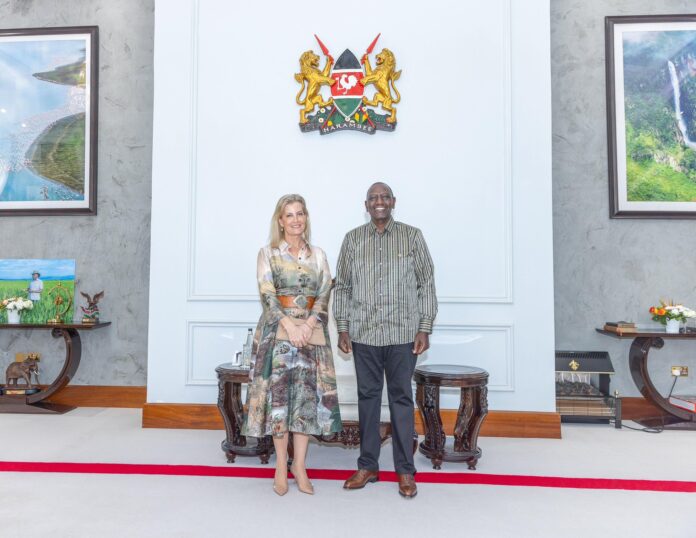
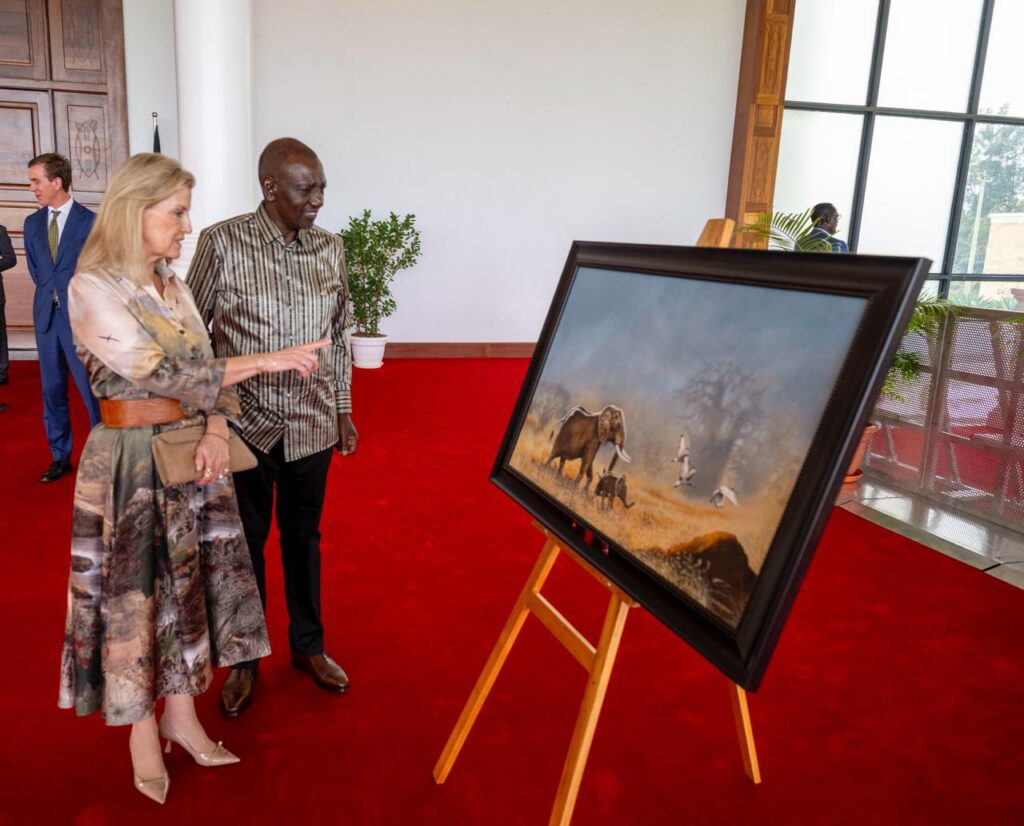
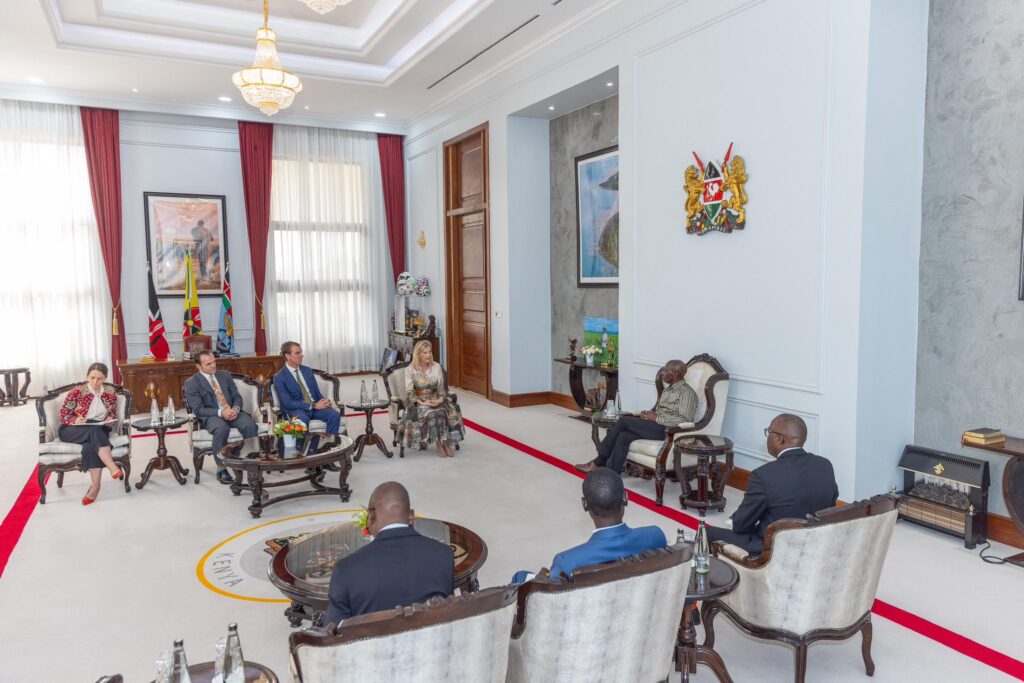
President William Ruto met Her Royal Highness Sophie, Duchess of Edinburgh at State House Nairobi on 25 February, where they reaffirmed cooperation under the 2025–2030 Kenya–UK Strategic Partnership.

The talks focused on strengthening trade and investment between Kenya and the United Kingdom.

President Ruto pointed to major projects such as Nairobi Railway City as examples of joint efforts to improve urban transport and drive economic growth.

He said trade between the two countries remains strong, citing 2025 figures showing Kenyan exports to the UK worth Sh243 billion, compared with imports of Sh133 billion.

Climate action, clean energy and sustainable development were also discussed.

Both sides emphasised security cooperation and the importance of regional stability in protecting shared interests.

The visit placed particular attention on women’s empowerment ahead of International Women’s Day.

According to the UK High Commission, discussions included measures to expand women’s leadership in political, social and economic spheres, and to support their role in peacebuilding and community resilience. 

Her visit follows the 2023 state visit to Kenya by King Charles III and Queen Camilla, the King’s first official tour of a Commonwealth country after ascending the throne. 

Uganda: Two women arrested and charged for allegedly kissing in public

Two women in Uganda could face up to life in prison after police arrested them under the country’s draconian Anti-Homosexuality Act for allegedly kissing in public.

The women, both in their twenties, were detained on 18 February in the northern city of Arua following a complaint from neighbours.

Allegedly Seen Kissing Each Other

Uganda’s Monitor newspaper quoted West Nile police spokesperson Josephine Angucia, who alleged that the women had been living together in a single room and were arrested “on allegations of practicing Homosexuality.”

“Information was received from the community that the suspects have been involved in queer and unusual acts believed to be sexual in nature, besides being allegedly seen openly kissing each other in broad daylight,” she said.

“It’s further alleged that photos were taken to that effect, and that many ladies normally congregate to stay at the suspects’ residence. It is upon that information that police acted by arresting the two under the allegation of practicing Homosexuality, C/S 2(1)(2) of the Anti-Homosexuality Act 2023,” Angucia added.

Authorities have kept the women in detention. If convicted of engaging in same-sex intimacy, they could face life imprisonment.

Activists Warn of Escalating Crackdown

While Ugandan media have reported the names of the women, putting them in danger of further harassment and violence, MambaOnline has chosen not to publish their identities.

“This underscores the grim reality we are facing on the ground under the Anti-Homosexuality Act,” wrote Ugandan human rights activist Frank Mugisha on X in response to the arrests.

“We have seen a surge in a targeted crackdown that goes beyond just arrests; it has fueled a dangerous cycle of blackmail and extortion. Even criminals are now using this law as a weapon to prey on the LGBTQ+ community, knowing their victims are too terrified to seek protection,” he added.

Harsh Penalties Under the Law

Since the Anti-Homosexuality Act came into force in May 2023, Uganda has recorded hundreds of human rights violations targeting LGBTIQ+ people. These have included arrests, evictions, forced anal examinations, torture, and violations of the rights to equality and freedom from discrimination.

The law imposes life imprisonment for engaging in homosexual acts and the death penalty for “aggravated” homosexuality. This includes cases involving the alleged transmission of HIV, sexual relations with a person with a disability or mental illness, an elderly person, or someone under the influence of drugs or alcohol.

The Act also criminalises the “promotion of homosexuality”, placing human rights defenders and organisations that advocate for LGBTQ+ rights at risk of prison sentences of up to 20 years.

In January, the Ugandan government shut down at least seven human rights non-governmental organisations (NGOs), including Chapter Four Uganda, known for its advocacy on behalf of LGBTQ+ people.

Opposition Claims Kenyan Passport Was Issued to Sudan Rebel Leader

Opposition leaders have raised concerns over reports that a Sudanese militia commander, sanctioned by the United States, holds a Kenyan passport, questioning the government’s handling of its immigration system.

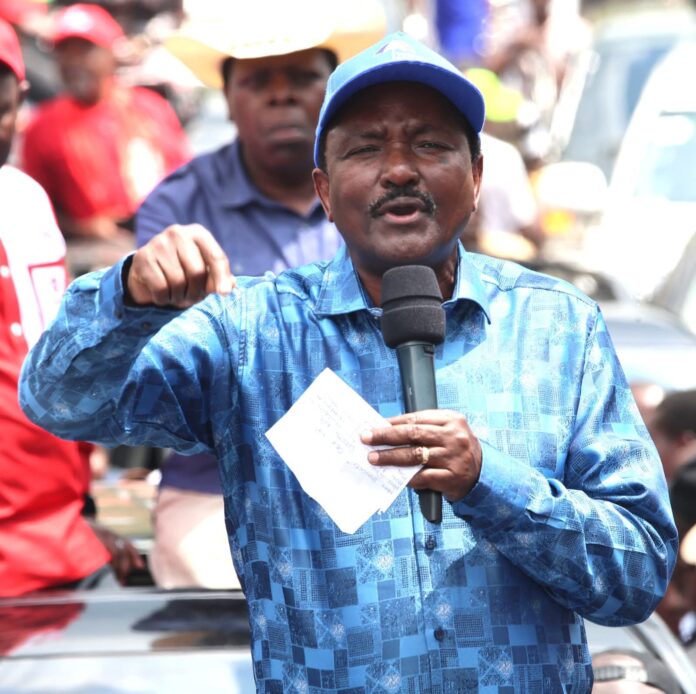
During a tour of the Gusii region, Wiper Patriotic Front leader Kalonzo Musyoka criticised the issuance of travel documents to individuals linked to armed groups, warning that it could harm Kenya’s international standing. 

“The Ruto government is issuing passports to militia leaders from Sudan, jeopardising relations with friendly countries,” Musyoka said at a rally in Nyamache, Kisii County. 

He added that the controversy had already affected Kenya’s economy, claiming the country had lost a significant portion of the Sudanese tea market. People’s Liberation Party leader Martha Karua joined the criticism, accusing the government of human rights abuses and stating that opposition leaders were compiling evidence of alleged extrajudicial killings.

Karua warned that the evidence could be submitted to the International Criminal Court if necessary. 

“We are warning President Ruto that he risks being returned to the ICC. He was once taken to The Hague, and unless he is careful, he knows what happened last time,” she said.

The opposition alliance, which includes former Interior Cabinet Secretary Fred Matiang’i, former Deputy President Rigathi Gachagua, and ex-Cabinet Secretaries Peter Munya and Eugene Wamalwa, is using the tour to rally support ahead of the 2027 General Election.

The leaders have pledged to back a single presidential candidate, with Matiang’i’s Jubilee Party positioning him as a possible contender. 

They have also accused the government of failing to deliver on key infrastructure and health projects, citing delays in initiatives such as the Bonyunyu Dam, the Kisii Cancer Centre, and the dualling of the Sotik–Kisii highway.

The tour, which began in Ogembo and will continue through Bomachoge Borabu and Bobasi, is set to conclude in Masimba before moving on to Nakuru later in the week. 

Three arrested with over 1,000kg of suspected zebra meat in Kiambu

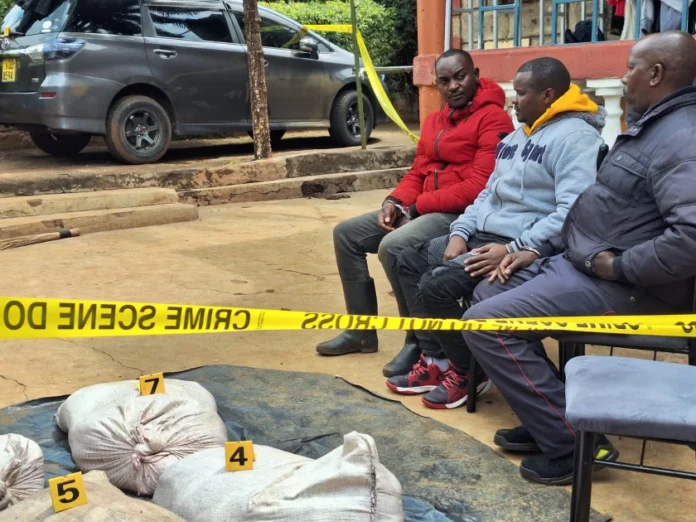
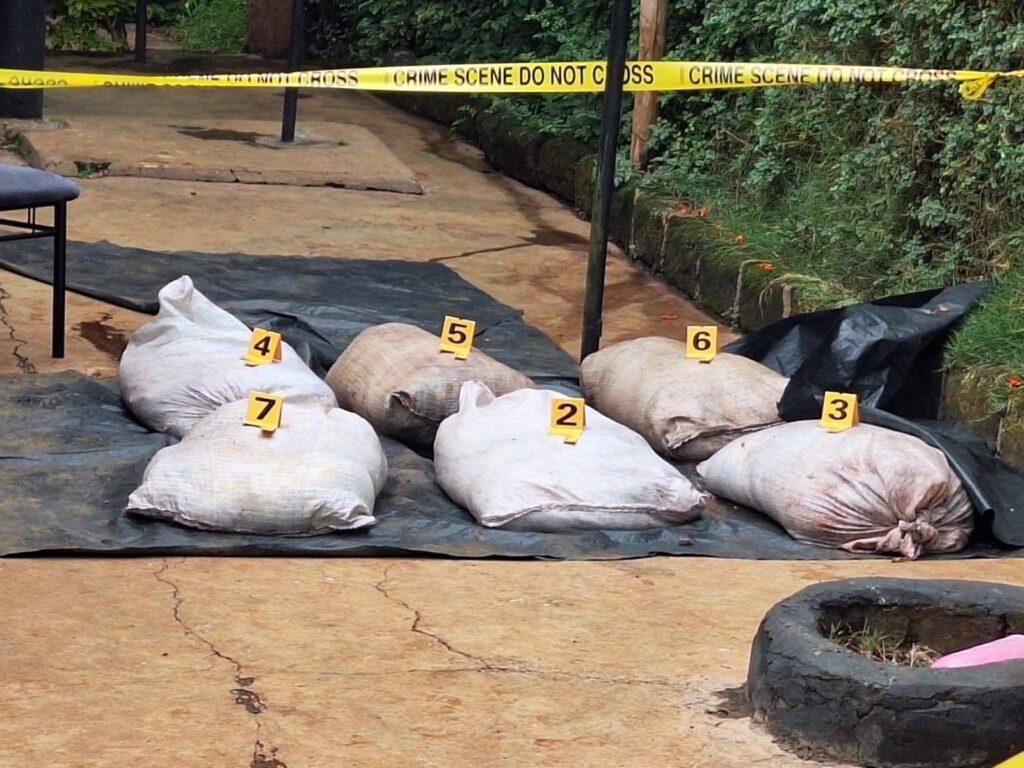
Police officers working alongside the Kenya Wildlife Service (KWS) have arrested three suspects after more than 1,000 kilogrammes of suspected game meat, believed to be zebra, were discovered at a residence in Gikambura.

According to KWS, the suspects were allegedly mixing the suspected game meat with livestock meat that had been slaughtered at the premises.

Officers also recovered chemicals reportedly being added to the meat during processing.

Investigators believe the zebras were killed in Naivasha before the meat was transported to Nairobi for distribution.

Authorities have since launched further investigations into the illegal wildlife trade network linked to the incident.

KWS has urged Nairobi residents to exercise caution when purchasing meat, warning that the crackdown on illegal game meat is ongoing.

The agency reiterated that poaching and the sale of wildlife meat remain serious offences under Kenyan law.

National Assembly approves Dr. Ida Odinga as Kenya’s UNEP Representative

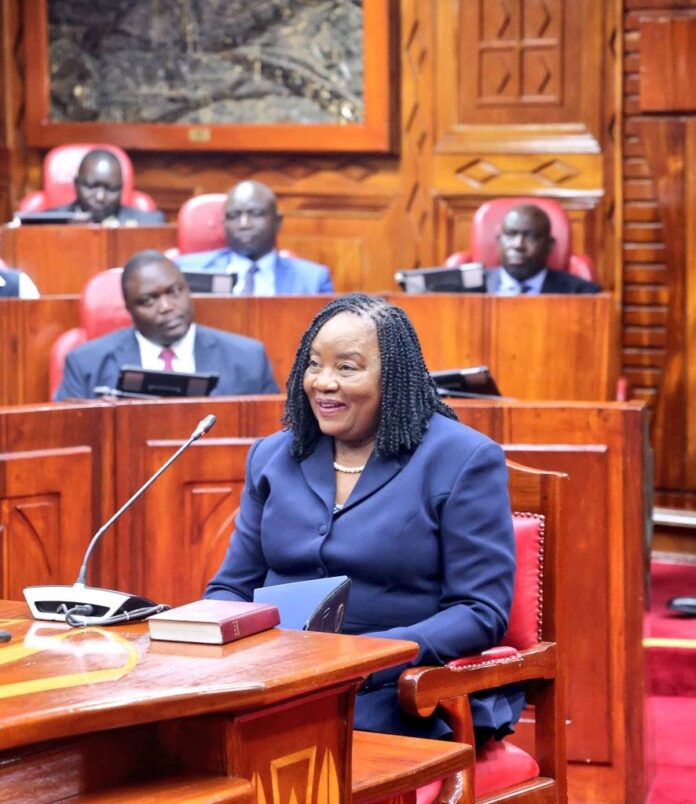
Members of the National Assembly of Kenya have approved Canon Dr. Ida Betty Odinga, EGH, for appointment as Kenya’s Permanent Representative to the United Nations Environment Programme (UNEP).

The decision followed a report by the Departmental Committee on Defence, Intelligence and Foreign Relations, chaired by Nelson Koech, which found Dr. Odinga suitable for the role. The committee highlighted her leadership experience, commitment to environmental advocacy, and proven integrity.

During her vetting, Dr. Odinga pledged to advance Kenya’s climate diplomacy and strengthen partnerships to ensure climate initiatives bring real benefits, particularly for vulnerable populations.

She said Kenya and Africa are emerging as global leaders in climate action through frameworks such as the National Climate Change Action Plan (2023–2027). She added that she would promote cooperation among governments, civil society, and other stakeholders to implement environmental resolutions adopted at the United Nations Environment Assembly.

Dr. Odinga noted that her experience in advocacy and coalition-building, including founding the League of Kenya Women Voters, equips her with skills in negotiation, consensus-building, and engagement—critical for multilateral diplomacy.

She also highlighted her work with the Ida Odinga Trust, which focuses on nutrition and education initiatives across Africa, and her collaboration with the late Prof. Wangari Maathai in environmental advocacy. She said she plans to align Kenya’s environmental diplomacy with the Sustainable Development Goals and the country’s national development priorities.

Addressing challenges facing UNEP, Dr. Odinga stressed the importance of mobilizing resources to support the agency’s global mandate. She noted that UNEP is the only UN headquarters located in the Global South, based in Nairobi, and said Kenya should use this position to enhance its leadership in environmental governance.

Lawmakers confirmed that Dr. Odinga meets all constitutional and legal requirements for a state appointment, including Chapter Six on leadership and integrity. Committee Vice Chair Bashir Abdullahi praised her extensive experience in education, civil society, and clean-energy advocacy, as well as her understanding of the link between environmental sustainability and socio-economic development. Committee Chair Nelson Koech said Dr. Odinga “exemplifies faithfulness, hard work, and integrity” and has a strong understanding of both the technical and diplomatic aspects of the UNEP role.

Goodlight Industries Seeks Contempt Action Against Mediterranean Shipping Company S.A. Over Alleged Defiance of Court Order

By Andrew Kariuki

A Nairobi-based manufacturer has moved to court seeking legal action against an international shipping company, accusing it of deliberately disobeying a court order to release a consignment of goods, in a dispute that now raises serious questions about compliance with judicial directives.

Goodlight Industries Limited, a candle manufacturor, has filed an urgent application before the Milimani Commercial Court in Civil Case No. E043 of 2026, against Mediterranean Shipping Company S.A., seeking contempt orders over the continued detention of its cargo.

Through its advocate, Kevin Turunga Ithagi, the company argues that the shipping firm has failed to comply with a consent order issued by the court on February 9, 2026, which directed the immediate release of the consignment to the applicant.

According to court documents, the candle making goods were shipped by Shenzhen Jin Tongcan Trade Ltd., the 2nd Defendant, under Bill of Lading Number MEDUOV710746.

However, the original bill of lading was reported lost at Kariobangi South Police Post under OB Number 19/29/12/2025.

Following the report of the loss, the court issued a consent order allowing the release of the goods using a copy of the lost bill of lading, pending the hearing and determination of the matter.

Despite the order, Goodlight Industries claims that Mediterranean Shipping Company S.A., has “willfully, deliberately and contumaciously” refused to release the consignment, even after being duly served with the court directive.

“The continued unlawful detention of the consignment goods is causing severe and irreparable financial loss and prejudice, including demurrage charges, storage fees, loss of business opportunities and disruption of operations,” the application states.

The company further contends that the refusal to comply with the court order amounts to a direct affront to the authority and dignity of the court, warning that such conduct risks rendering judicial orders ineffective if left unchecked.

Goodlight Industries maintains that it has been ready and willing to settle any accrued charges due at the time the order was issued, but despite this, the cargo has not been released.

In its application, the company is seeking orders to have responsible employees of Mediterranean Shipping Company S.A. cited for contempt of court and either committed to civil jail or fined until they comply with the court’s directive.

The applicant is also asking the court to compel the immediate release of the goods, stop any further accrual of demurrage charges and award compensation for losses incurred as a result of the continued detention.

In a supporting affidavit, Margret Wagwama Kiunga, a manager at Goodlight Industries Limited, confirmed that the consignment remains under the control of the shipping company despite the existence of a valid court order.

She stated that the company continues to suffer financial prejudice on a daily basis, adding that the losses being incurred cannot be adequately remedied by damages alone.

The application has been certified as urgent, with the applicant urging the court to intervene without delay to prevent further losses and enforce compliance with its orders.

The initial application was dispensed with and a mention issued to confirm payment of the charges to enable the court mark the matter as settled.

The matter is expected to proceed before the Milimani Commercial Court on 2 March 2026 for further directions.

Parliament Approves the Appointment of Francis Meja as PSC Chair

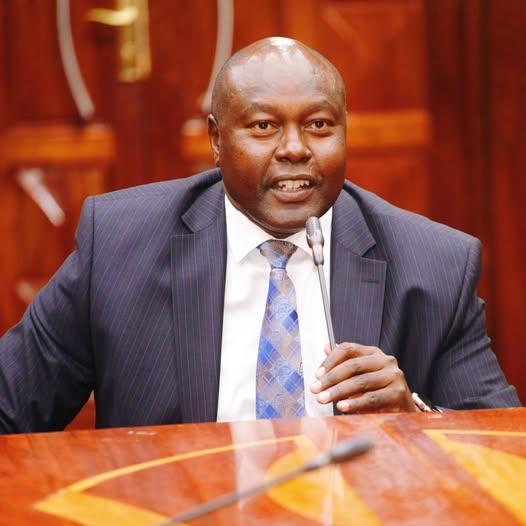
The National Assembly has approved the appointment of Francis Meja as the Chairperson of the Public Service Commission.

In a vote presided over by Speaker Moses Wetangula on Wednesday, February 25, the majority voted in favour of Meja’s appointment.

“Pursuant to provisions of Article 233 (2) of the Constitution, and Sections 3 and 8 of the Public Appointments Parliamentary Approval Act Cap 7(f), this house approves the appointment of Francis Major as the Chairperson of the Public Service Commission,” Wetangula declared.

The approval came after the National Assembly Committee on Labour recommended the appointment of the nominee.

Labour Committee Chairperson Ken Chonga stated that the committee had questions on the eligibility of the nominee since he had already served as a member of a commission.

The motion was seconded by Rarieda MP Otiende Amollo, who argued that Meja was very eligible and that the Constitution did not bar him from serving as PSC Chair.

“This nominee’s academic qualifications, professional experience and integrity were not brought into question. What was brought into question was eleigibilitly on four different areas: is the nominee eligible under 233(3).

“On the issue about him still serving, the law only bars him if he is still in office at the time of his appointment. As long as the nominee resigns before, then they are eligible,” Amollo explained.

Meja is one of the Commissioners of the Public Service Commission, and MPs argued that this places him in a better position to lead PSC.

Before PSC, he was appointed to the Council of Murang’a University of Technology by former Education Cabinet Secretary Ezekiel Machogu.

Meja also served as a Director-General for the National Transport and Safety Authority (NTSA).

The nominee is credited for many reforms during his time at NTSA, including the digitisation of services offered by the Authority and automation through the Transport Integrated Management Systems (TIMS)

Create a free account, or log in.

Gain access to read this content, plus limited free content.

Yes! I would like to receive new content and updates.

Sponsored Ad

Ad 1
Ad 2
Ad 3
Ad 4
Ad 5
Ad 6