Sponsored Ad

Ad 1
Ad 2
Ad 3
Ad 4
Ad 5
Ad 6
27.3 C
Kenya
Saturday, May 9, 2026
Home Blog Page 416

Gachagua questions delay on prosecution of suspects in ACK Witima, Nyeri church chaos.

Former Deputy President and Democracy for the Citizens Party (DCP) leader Rigathi Gachagua has called for an expeditious prosecution of suspects involved in the January 25, 2026 attack at ACK Witima Church in Othaya, Nyeri County.

Speaking during a church service in Zimmerman, Roysambu, Nairobi, Gachagua argued that the suspects involved, among them police officers, are known but have not been forwarded to the Office of the Director of Public Prosecutions (ODPP) for further action.

He demanded that the names be forwarded to put those involved behind bars, adding that attacks against places of worship should be met with harsh legal action.

“The investigation is over and we know all the officers who attacked us in ACK Witima. We also know the Member of Parliament involved but we see there is reluctance to forward the file to the ODPP,” he noted.

“Until those people have been prosecuted the church cannot forgive the government. Attacks on a church is a terrorist act ands those who attacked us are terrorists.”

Gachagua added that the United Opposition will head to the office of the Inspector General of police Douglas Kanja on Monday to inquire on the matter as they seek justice.

“We were there two weeks ago and tomorrow at 10:00 am we will go back to ask him why those people have not been taken to court,” Gachagua stated.

During the Witima church attack tear gas and live bullets were reportedly used, vehicles were destroyed and congregants were injured. The opposition claims intelligence points to planning by a special police unit referred to as “Sierra”.

At least 15 individuals were named, accused of planning and executing the Witima attack, including Major Nicholas Mwachovi, Cpl John Maina alias Birash, Cpl Vincent Maronga, Peter Matu, Owen Kagia, David Ochieng, Erick Obiero, Jeff Mutwiri, Jackson Kioko, Kefa Okwoyo, Crispin Walumbe Muthoni, Stephen Habire Chege, Peter Wainaina Kabuga, Ambrose Manyeki Njeri alias Magrass and Simon Mwangi Wangari alias Sanchez.

The incident came after a series of attacks allegedly choreographed by the State to cripple the faction’s political engagements with citizens.

The opposition also wrote a detailed letter to the National Security Advisory Council, chaired by President William Ruto, enumerating 23 separate incidents in which Gachagua, his family, supporters and members of the public were allegedly attacked between November 2024 and January 2026.

The letter further details attacks in Limuru, Shamata, Nyeri, Meru, Naivasha, Mai Mahiu, Kakamega, Bungoma, Murang’a, Narok, Nairobi and Kirinyaga counties, some involving tear gas, live ammunition and alleged assaults by police officers or police-backed groups.

In the letter, the opposition expressed what they termed as grave concern over persistent and increasingly violent attacks against Gachagua, noting that several of the incidents occurred in the presence of police officers and, in some cases, with alleged police facilitation.

Interior Cabinet Secretary (CS) Kipchumba Murkomen also condemned the disruption, assuring that swift police action will be undertaken to apprehend the suspects.

“The police must move without fear or favour and deal decisively with the sponsors and perpetrators of this act without regard to their status in society or political affiliation,” Murkomen noted.


Canada’s Curling Woes Deepen as Women’s Team Hit with Same Violation

CORTINA D’AMPEZZO, Italy

First came the fury. Now comes the disbelief.

A day after a Canadian men’s curler unleashed an expletive-laden denial over a rules violation, the country’s women’s team faced the same accusation—and responded with stunned silence.

In the first end of Saturday’s match against Switzerland, officials called a foul on Canadian skip Rachel Homan for “double-touching” her stone after releasing it. Switzerland went on to win 8-7.

The call added fuel to a controversy that has divided the curling community at the Milan Cortina Olympics. Late Friday, Swedish curler Oskar Eriksson accused Canadian men’s player Marc Kennedy of the same infraction during Canada’s 8-6 win.

On the ice, Kennedy repeatedly used profanity while denying he broke any rules. Although video appeared to confirm the violation, Kennedy maintained his innocence and accused Sweden of having a “premeditated” plan.

The women didn’t erupt like their male counterparts. But their incredulous expressions said everything.

For Canada, the double-touch controversy has now touched both teams.

By James Kisoo

Tax Season Is Here: Your Guide to a Stress-Free Filing

NEW YORK

The calendar says April 15 is still weeks away. But for a stress-free tax season, the time to start is now.

With the IRS deadline looming, tax experts have a simple message: don’t wait, but don’t rush either.

“Don’t wait until the last minute, but also don’t rush,” said Tom O’Saben, director of tax content and government relations at the National Association of Tax Professionals.

The path to a smooth filing begins with organization. Gather all your documents early, sign up for direct deposit to speed up any refund, and keep copies of past returns for reference. These small steps, experts say, can prevent big headaches later.

This year, taxpayers should also be aware of new deductions stemming from the Republican tax and spending bill signed by President Donald Trump over the summer.

Certified public accountant Miguel Burgos, an expert for TurboTax, outlined several key changes: no tax on tips, no tax on overtime, deductions for car loan interest, and deductions for those who were 65 or older by Dec. 31.

The bottom line? A little preparation now can mean the difference between a frantic April and a filing season that actually lives up to its name.

By James Kisoo

Europeans Fire Back at US Official Over “Civilizational Erasure” Claim

MUNICH

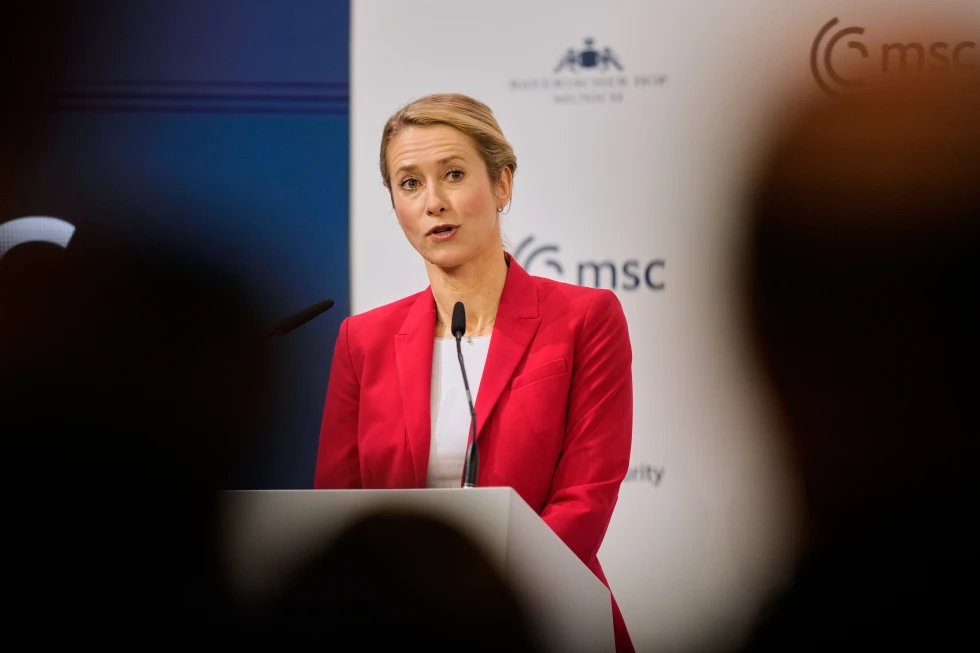
A top European Union official on Sunday rejected the Trump administration’s assertion that Europe faces “civilizational erasure,” delivering a sharp rebuke to Washington’s bleak assessment.

EU foreign policy chief Kaja Kallas addressed the Munich Security Conference a day after U.S.

Secretary of State Marco Rubio offered a somewhat reassuring message to allies—less aggressive than Vice President JD Vance’s lecturing last year, but firm on Washington’s intent to reshape the trans-Atlantic alliance.

Kallas aimed her response at the U.S. national security strategy released in December, which argued that Europe’s economic stagnation “is eclipsed by the real and more stark prospect of civilizational erasure.”

The document blamed immigration policies, declining birth rates, suppression of speech and a “loss of national identities.”

“Contrary to what some may say, woke, decadent Europe is not facing civilizational erasure,” Kallas told the conference.

Her evidence? People still want in.

“In fact, people still want to join our club,” she said, noting that during a visit to Canada last year, she was told many Canadians have expressed interest in joining the EU.

By James Kisoo

Senator Sifuna: No amount of intimidation will silence us

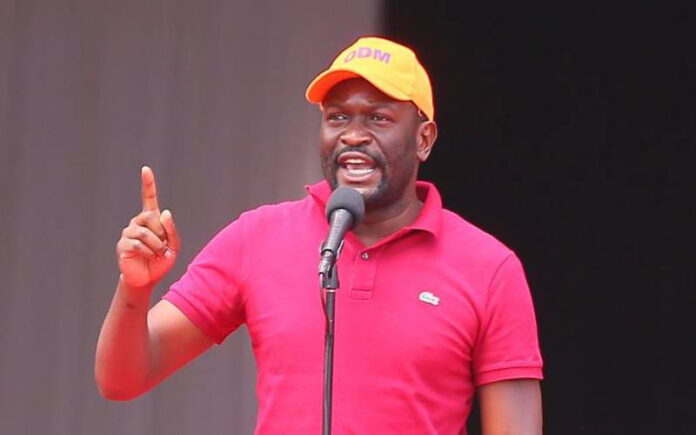
Nairobi senator Edwin Sifuna has declared that no amount of intimidation or political threats will force him to retreat from criticising the government.

Speaking during a church service in Kitengela, Sifuna, who had earlier been removed as secretary general before a court suspended the decision, said he remains resolute in defending Kenyans.

He insisted that he and like-minded leaders will continue speaking out against alleged injustices.

“Even if they want, they can hunt us down and scheme against us, but we will not stop speaking the truth to protect Kenyans from injustices of the government, the corruption, abductions, and extrajudicial killings,” he stated.

Vihiga Senator Godffrey Osotsi, Kisii Senator Richard Onyonka, and Siaya Governor James Orengo joined Sifuna at the service.

Also present were several Members of Parliament, including Embakasi East MP Babu Owino, Suba South’s Caroli Omondi, Kitutu Chache South’s Anthony Kibagendi, Kaiti’s Joshua Kimilu, Funyula’s Oundo Ojiambo, and Saboti’s Caleb Amisi.

Sifuna recalled lessons from the late former Prime Minister Raila Odinga, saying leadership requires constant accountability to the people.

“The late former Prime Minister Raila Odinga used to tell us that if you are a leader, there must be people you are leading. And every step you take, you have to turn back to see if the people are still with you. And that is what we will keep doing,” he said.

He expressed gratitude to Kenyans for their support amid political turbulence.

“I want to thank Kenyans because you have turned to take my roles and you are giving me comfort that even if they eliminate me, there will be more than 15 million who will continue with my work of fighting for the people,” he stated.

The senator painted a grim picture of the country’s socio-economic situation.

“The economy is not doing well, our kids are not in school, things going haywire even in health sector but they tell us that we should be quiet or they will remove us from our positions. I want to assure Kenyans that we will keep standing with the people. I will protect the people today, and they will protect me tomorrow.”

Osotsi, for his part, said he had declined to join the government in order to remain aligned with citizens.

“The people you are seeing here is the true ODM. The other group has been taken by the government,” he stated.

He added that Sifuna’s removal would not succeed. “Even Mama Ida has said Sifuna is not going anywhere,” he said, questioning why the ODM National Executive Council had not considered removing him from his position as Deputy Party Leader.

“We are in ODM to stay, they are the ones who will leave,” Osotsi added, alleging there were plans to disrupt their rallies.

“Next weekend we will hold the mother of all rallies in Kakamega town,” he announced.

Orengo echoed the sentiments, saying, “This journey must succeed, we must salvage our country. I am sure we will bring change in this country. If you want to live for a long time, stand for the truth.”

“I want to tell them, no matter how many people they kill or send to prison, we will liberate the country. After Kakamega, we will go to other parts of the country. We have instilled fear in the dictatorship,” he said.

Ndegwa Njiru claims Kindiki will not feature in Ruto’s deputy president pick in 2027

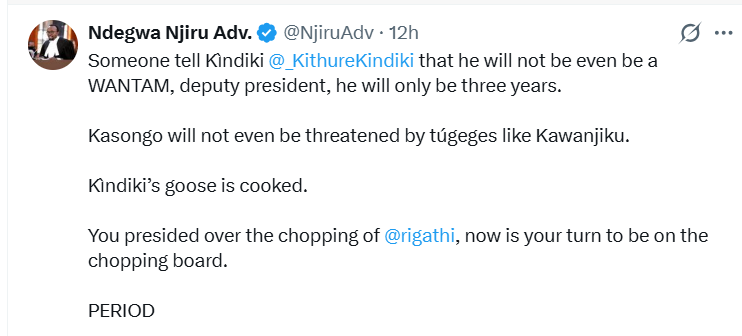
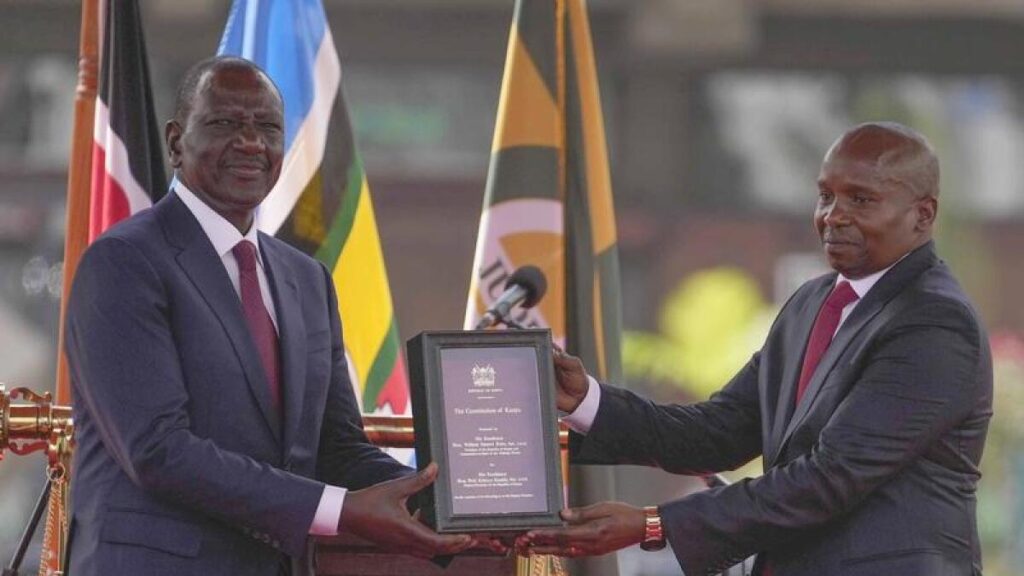
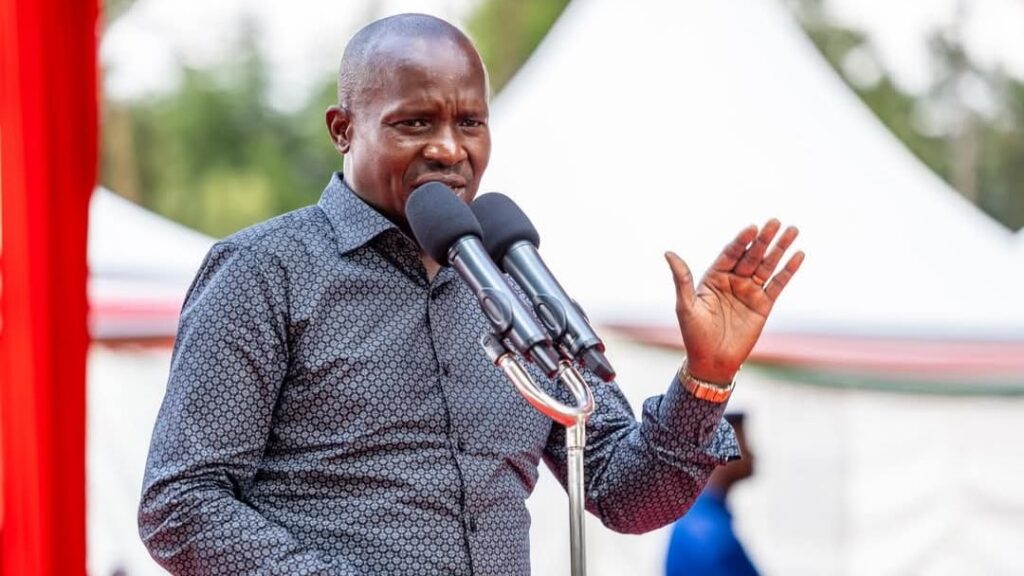
Advocate Ndegwa Njiru has sparked fresh debate by claiming that Deputy President Kithure Kindiki will serve only three years in office and will not feature as a running mate in President William Ruto’s 2027 campaign.

In a pointed post on X on Saturday, Njiru wrote: “Someone tell Kìndiki @_KithureKindiki that he will not even be a WANTAM deputy president, he will only be three years. Kasongo will not even be threatened by túgeges like Kawanjiku.”

“Kìndiki’s goose is cooked. You presided over the chopping of @rigathi, now is your turn to be on the chopping board. PERIOD.”

Njiru’s remarks reference Kindiki’s tenure as Interior Cabinet Secretary during the 2024 impeachment of former Deputy President Rigathi Gachagua, suggesting a similar fate could await him.

Njiru’s comments come a day after Kindiki dismissed mounting pressure from the Orange Democratic Movement (ODM) regarding the deputy president slot.

Speaking on February 14, Kindiki said: “Msibabaishwe na ile mambo kidogo kidogo ambayo mnaskia hapa na pale. Hii mambo ingine yote ya siasa, sisi ndio mafundi wa siasa, my friend. Na hatuongeangi saana. We know we talk at the right time.”

The tension follows ODM’s aggressive push for a larger share in any future coalition with Ruto’s United Democratic Alliance (UDA). At a party delegates’ meeting in Mombasa on February 12, 2026, senior ODM figure Oburu Odinga said the party was “targeting very strongly” the deputy president seat as its “fair share” in government.

Homa Bay Governor Gladys Wanga reinforced the position in Kwale County, urging ODM to end its two-decade opposition streak: “We have told our leader Dr Oburu Oginga that we as a party have sat in opposition for 20 years, and come 2027, we do not want to stay in opposition anymore.”

Scars Remain, but Hope Returns: Kurdish Neighborhood Begins Anew in Syria

ALEPPO, Syria

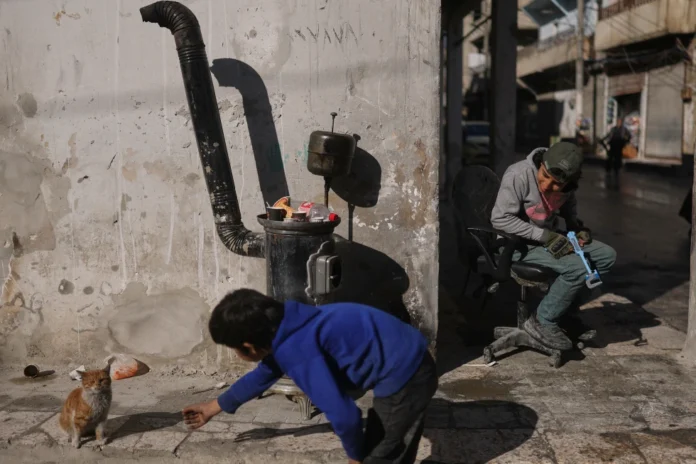
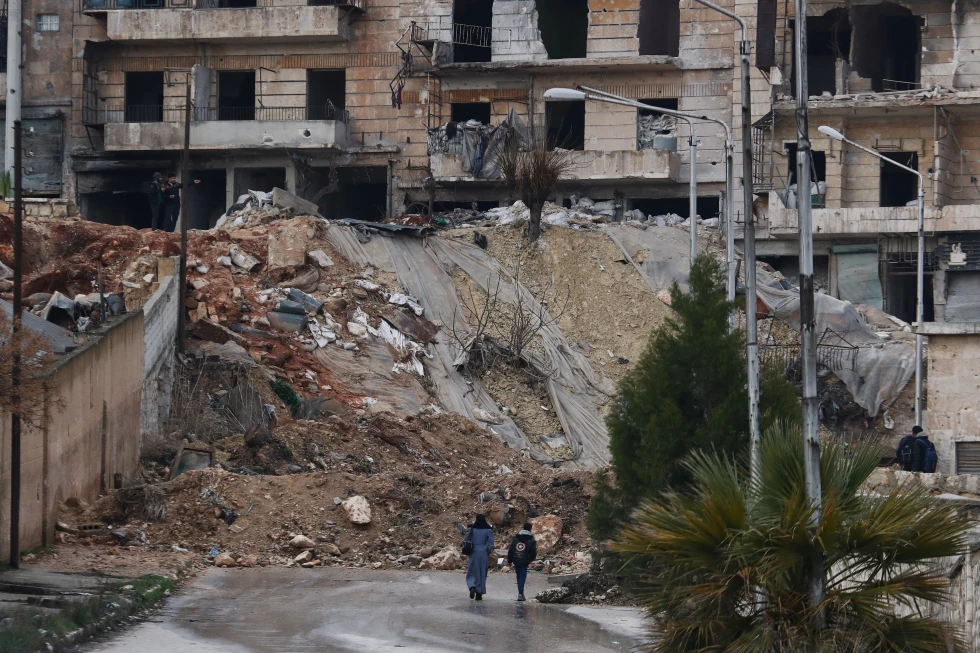
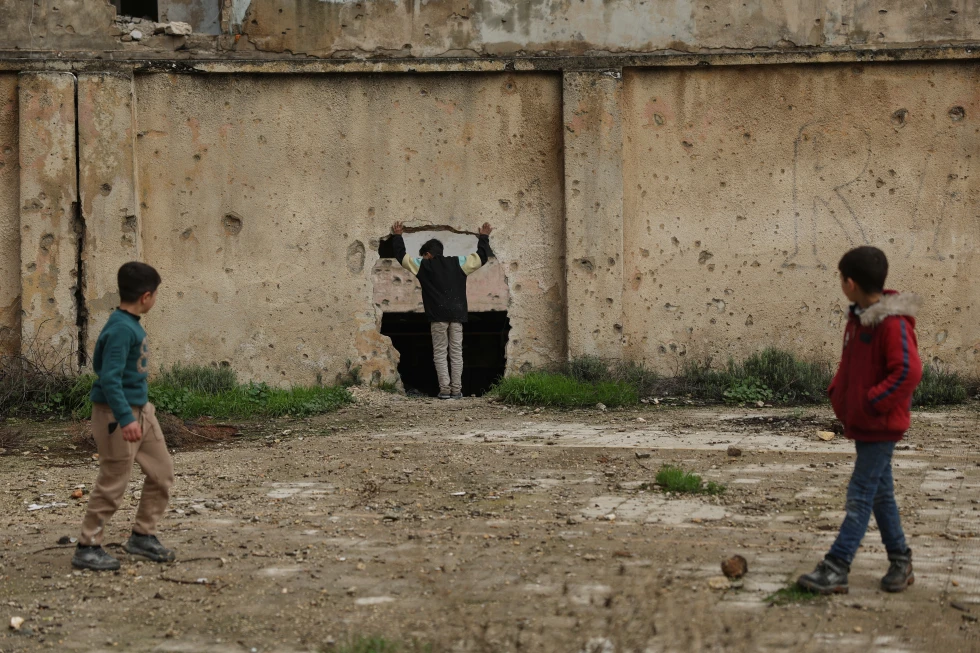
The bullet-scarred walls of Sheikh Maqsoud still stand. The rubble from the drone strike has been pushed to the side. And on a quiet Saturday, Aaliya Jaafar stood outside her hair salon, marveling at a small miracle in a country accustomed to loss: nearly everyone came home.

One month after clashes between government forces and Kurdish-led Syrian Democratic Forces turned this Kurdish-majority neighborhood in Aleppo into a battle zone, most of the tens of thousands who fled have returned.

The quick turnaround is a rarity in Syria, a country where conflict has displaced families for years—sometimes forever.

“Ninety percent of the people have come back,” Jaafar said. “And they didn’t take long. This was maybe the shortest displacement in Syria.”

Her family’s flight was brief but terrifying. They abandoned their house when a government drone struck a nearby lot storing weapons, triggering explosions that shook the neighborhood.

Days later, they returned to find their home still standing—and their community already piecing itself back together.

The Associated Press visited Sheikh Maqsoud as Syria navigates a fragile transition from years of civil war.

The new government is struggling to assert control while trying to win the trust of minority groups like the Kurds, who remain anxious about their security in a shifting landscape.

For now, in this corner of Aleppo, the people have chosen to return. Whether they can stay—and rebuild—depends on whether Syria’s “shortest displacement” becomes its last.

By James Kisoo

European Nations Accuse Russia of Poisoning Navalny with Dart Frog Toxin

LONDON

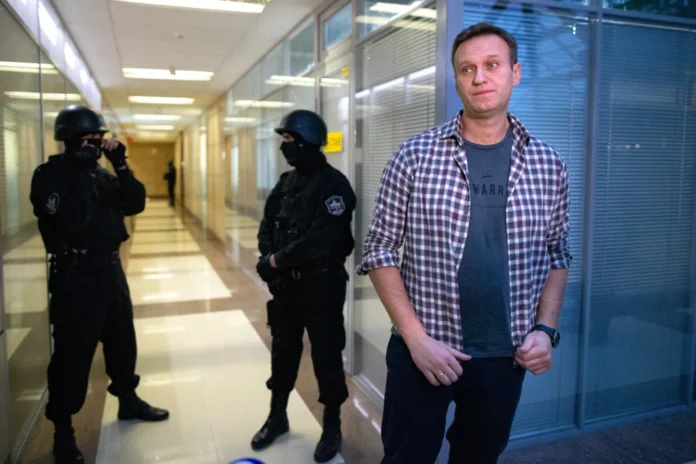
Russian opposition leader Alexei Navalny was poisoned by the Kremlin with a rare and lethal toxin found in the skin of South American poison dart frogs, five European countries alleged Saturday, in a coordinated diplomatic offensive against Moscow.

The foreign ministries of the U.K., France, Germany, Sweden and the Netherlands said laboratory analysis of samples taken from Navalny’s body “conclusively confirmed the presence of epibatidine”—a neurotoxin secreted by dart frogs that is not found naturally in Russia.

In a joint statement, the nations laid out a stark case: “Russia had the means, motive and opportunity to administer this poison.”

The five countries said they are now reporting Russia to the Organization for the Prohibition of Chemical Weapons for a breach of the Chemical Weapons Convention. There was no immediate comment from the organization.

The allegations add a new and devastating chapter to the long saga of Navalny, who crusaded against official corruption and staged massive anti-Kremlin protests as President Vladimir Putin’s fiercest foe.

He died in an Arctic penal colony on Feb. 16, 2024, while serving a 19-year sentence that he believed to be politically motivated.

Saturday’s coordinated指控 (accusations) mark the first time European nations have jointly attributed his poisoning to the Kremlin with such specific forensic detail—naming not just the perpetrators, but the exotic poison they allegedly used.

By James Kisoo

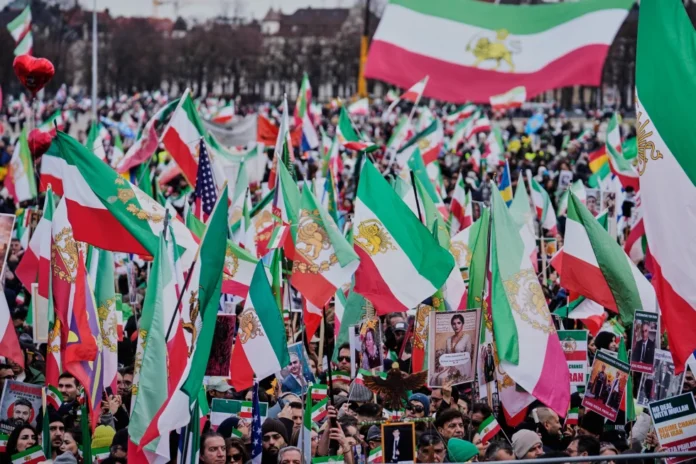
250,000 Rally in Munich as Crown Prince Calls for Global Support for Iran

MUNICH

They came by the quarter-million, drumming and chanting under gray German skies, answering a call from exile. And their message to the world was clear: stand with the people of Iran, or watch them die.

About 250,000 demonstrators flooded the streets of Munich on Saturday, police said, in one of the largest gatherings of the Iranian diaspora in recent memory.

The rally unfolded on the sidelines of a major gathering of world leaders—a coincidence of timing that amplified its urgency.

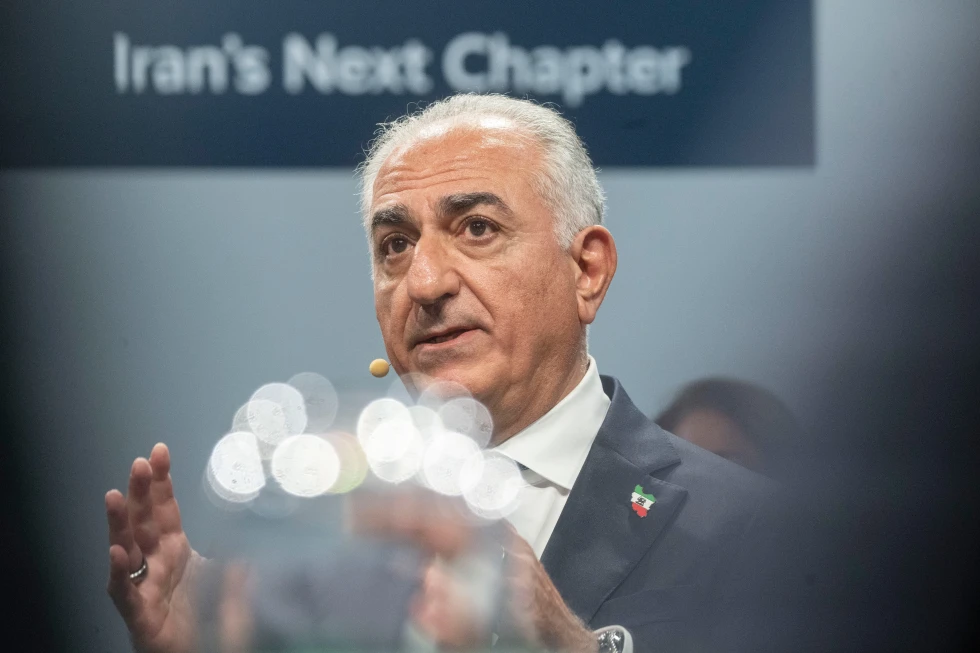
The crowds had heeded the call of Reza Pahlavi, Iran’s exiled Crown Prince, who had declared a “global day of action” to support Iranians in the wake of deadly nationwide protests.

Similar demonstrations were planned in Los Angeles and Toronto.

“Change, change, regime change!” the crowd roared, waving green-white-and-red flags emblazoned with the lion and sun—the emblem of the monarchy that ruled Iran until the 1979 Islamic Revolution toppled Pahlavi’s dynasty.

Police had expected a large turnout, but the numbers surpassed even organizers’ hopes. In a post on X, authorities put the figure at 250,000, a sea of humanity pressing against the Bavarian capital.

At a news conference, Pahlavi struck a grave tone. He warned that more deaths in Iran are inevitable if “democracies stand by and watch,” following Tehran’s deadly crackdown on protesters last month.

“We gather at an hour of profound peril to ask: Will the world stand with the people of Iran?” he said. He argued that the survival of Iran’s government sends a dangerous signal: “Kill enough people and you stay in power.”

For the exiled prince and the quarter-million who marched with him, the question now hangs in the air, unanswered.

By James Kisoo

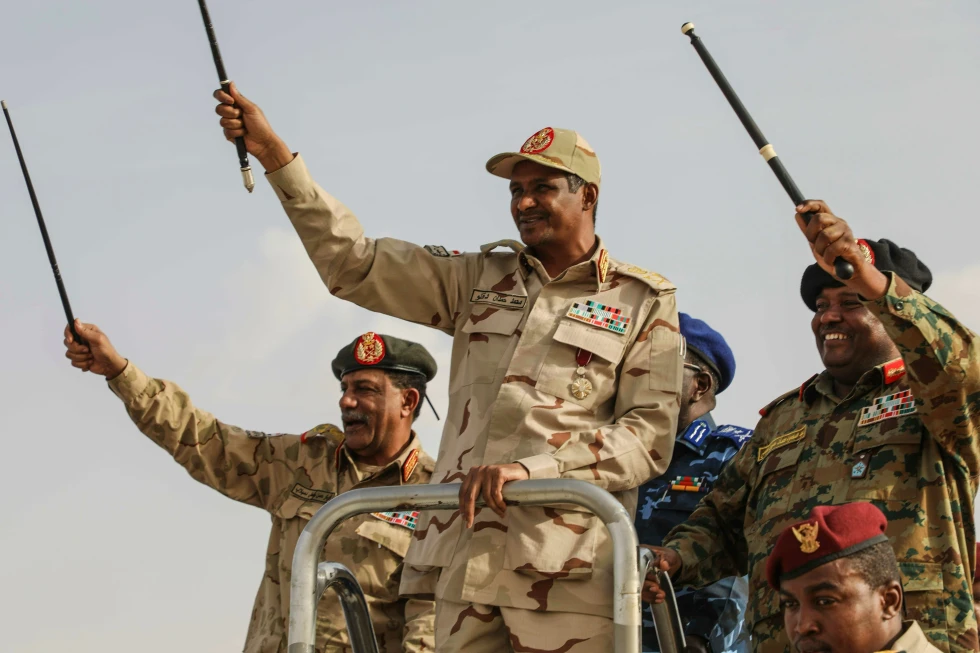
6,000 Killed in Three Days During Sudan Paramilitary Attack

CAIRO

In just over three days, more than 6,000 people were killed when a Sudanese paramilitary group unleashed an assault on a city in Darfur so brutal that the United Nations described it as “shocking in its scale and brutality.”

The Rapid Support Forces’ offensive to capture el-Fasher in late October included widespread atrocities that amount to war crimes and possible crimes against humanity, the U.N. Human Rights Office said in a report released Friday.

“The wanton violations that were perpetrated by the RSF and allied Arab militia in the final offensive on el-Fasher underscore that persistent impunity fuels continued cycles of violence,” said Volker Türk, U.N. High Commissioner for Human Rights.

The RSF and their allied Janjaweed militias overran el-Fasher on Oct. 26, seizing the Sudanese army’s last remaining stronghold in Darfur after more than 18 months of siege.

What followed was a rampage through the city and its surroundings—three days of killing that the U.N. says left at least 6,000 dead.

The report adds to mounting evidence of atrocities in Sudan’s ongoing conflict, where cycles of violence have repeatedly drawn accusations of ethnic cleansing and war crimes.

Friday’s findings, investigators say, point not just to the horror of those three days, but to the pattern of impunity that made them possible.

By James Kisoo

Create a free account, or log in.

Gain access to read this content, plus limited free content.

Yes! I would like to receive new content and updates.

Sponsored Ad

Ad 1
Ad 2
Ad 3
Ad 4
Ad 5
Ad 6