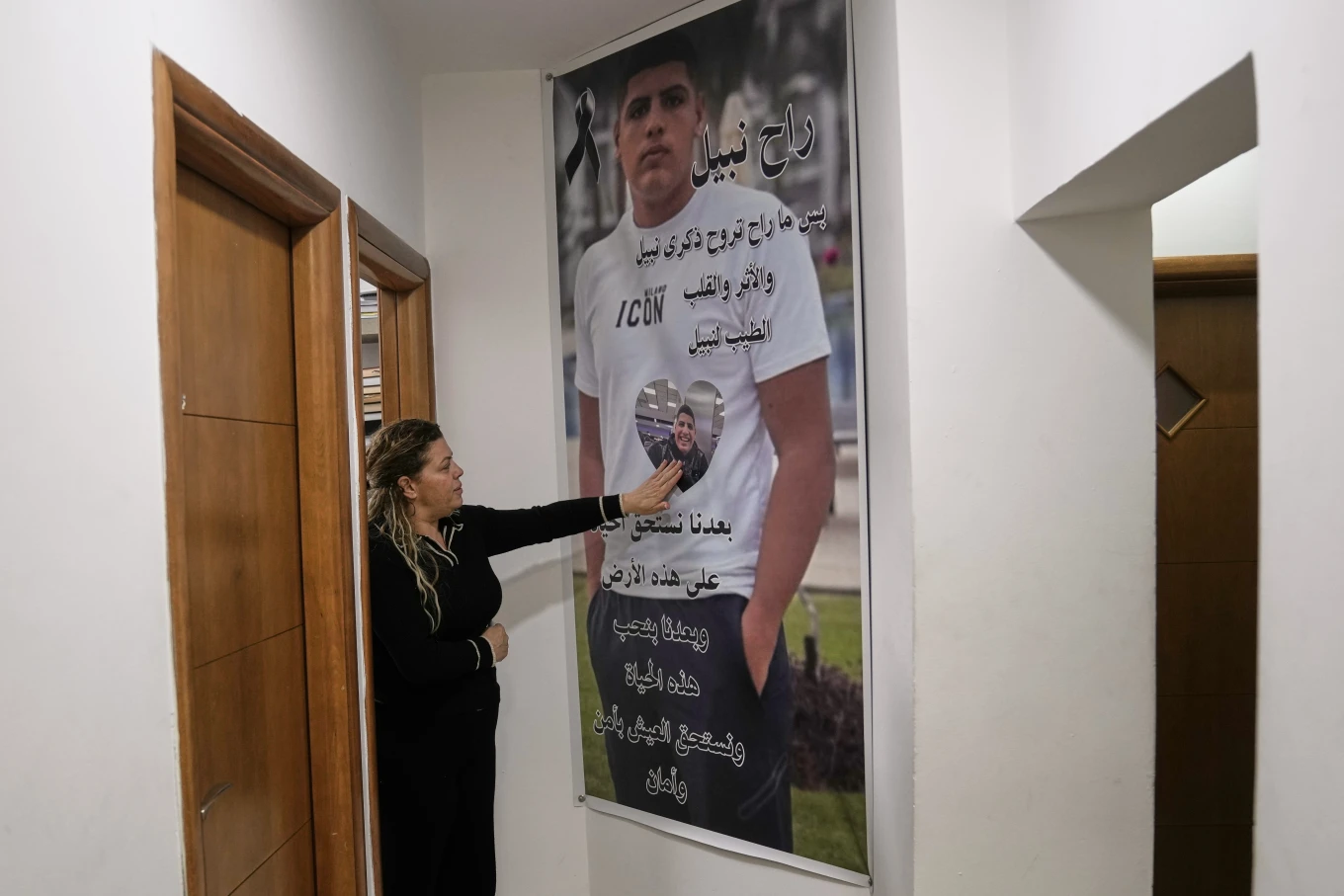
KAFR YASIF, Israel
Nabil Safiya had taken a break from studying for a biology exam to meet a cousin at a pizza parlor when a gunman on a motorcycle rode past and fired, killing the 15-year-old as he sat in a black Renault.
The shooting — which police later said was a case of mistaken identity — stunned his hometown of Kafr Yasif, long besieged, like many Palestinian towns in Israel, by a wave of gang violence and family feuds.

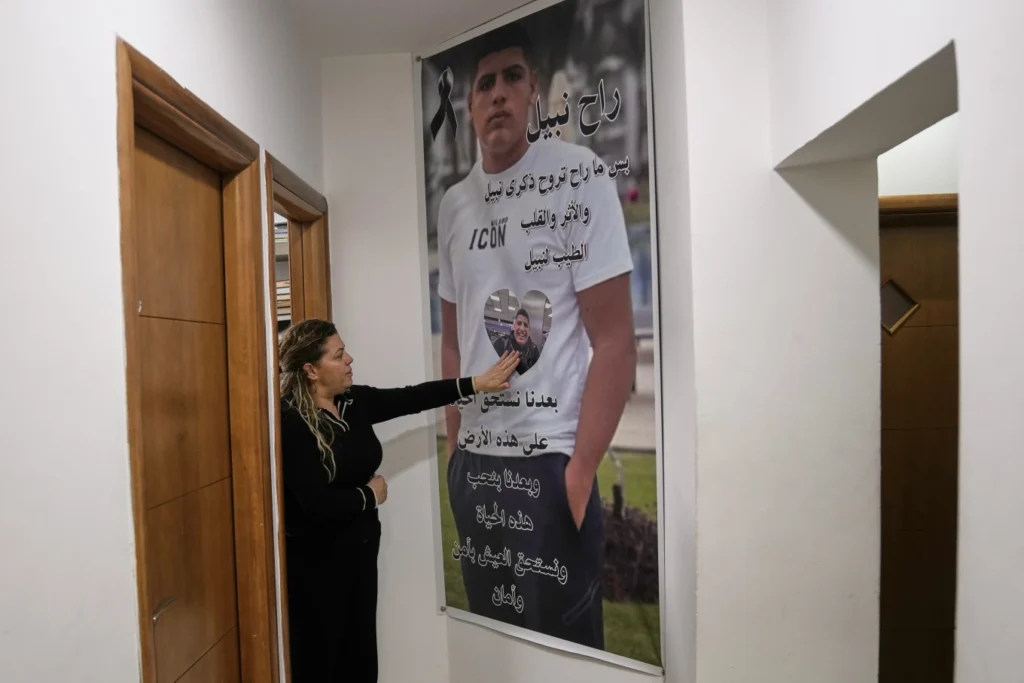
“There is no set time for the gunfire anymore,” said Nabil’s father, Ashraf Safiya. “They can kill you in school, they can kill you in the street, they can kill you in the football stadium.”
The violence plaguing Israel’s Arab minority has become an inescapable part of daily life. Activists have long accused authorities of failing to address the issue, a sense of neglect they say has deepened under Israel’s current far-right government.
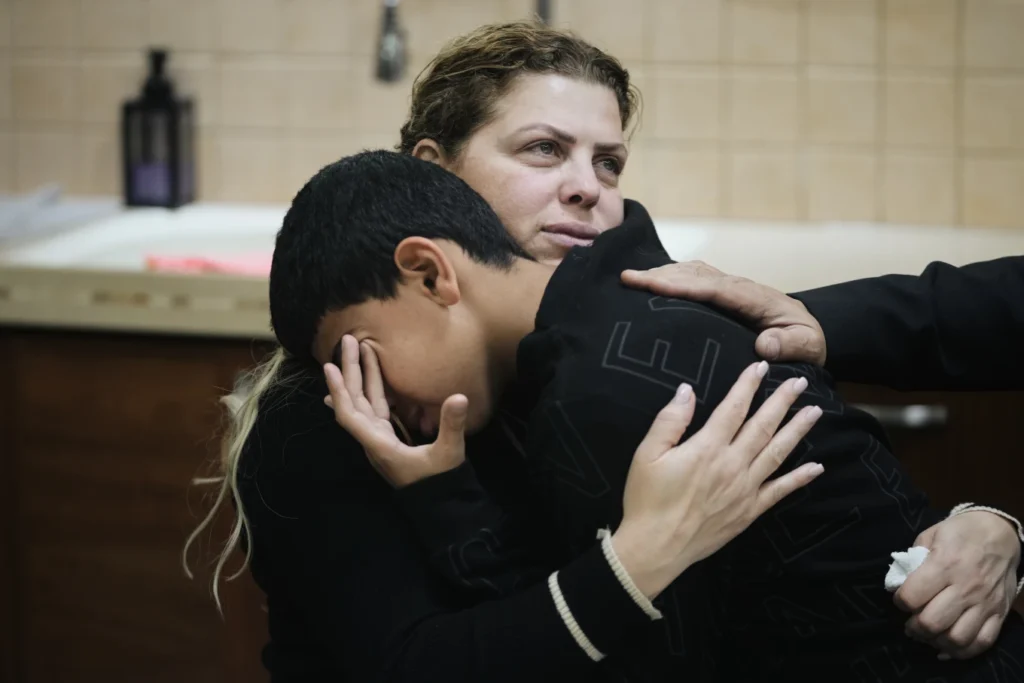
One in five Israeli citizens is Palestinian, yet the rate of crime-related killings among them is more than 22 times higher than among Jewish Israelis.
Arrest and indictment rates for those crimes remain far lower, a disparity critics cite as evidence of entrenched discrimination and systemic inaction.
By James Kisoo