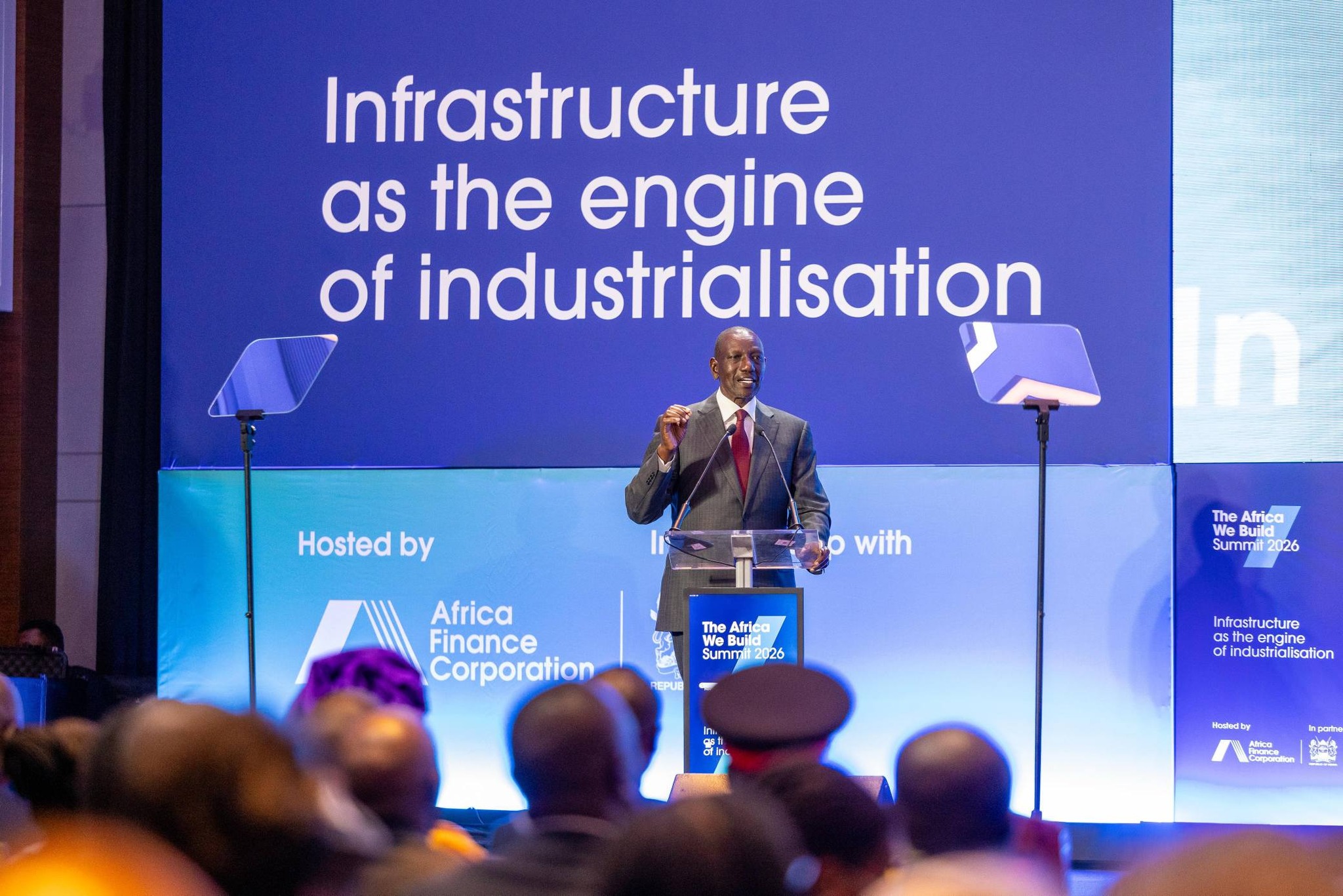
President William Ruto is facing backlash across Africa after remarks suggesting that Nigerian-accented English is difficult to understand and may require a translator, sparking accusations of cultural insensitivity and reigniting debate over language and post-colonial identity.
Ruto made the comments while addressing Kenyans living in Italy, where he praised Kenya’s education system and command of English.
“Our education and English are good. We speak some of the best English in the world. If you listen to a Nigerian speak English, you’ll need a translator,” he said, drawing laughter from the audience. He added that Kenya has “some of the best human capital anywhere in the world” but needs further training to sharpen it.
The remarks quickly triggered widespread reactions on social media, with critics across the continent accusing the Kenyan leader of demeaning a fellow African nation and reinforcing colonial-era attitudes. In Kenya, however, some have interpreted the comments as a defence of national pride amid ongoing economic difficulties.
Many users online criticised Ruto for what they described as a misplaced emphasis on English as a measure of intelligence or progress. Some went further, accusing him of reflecting a “deep inferiority complex rooted in colonial conditioning.”
Former Nigerian senator Shehu Sani was among those who pushed back strongly, highlighting Nigeria’s global literary influence.
“Ruto is mocking the English of the country with a Nobel Prize for literature winner. The Nation of Achebe and Chimamanda,” he wrote on X, referencing Nobel laureate Wole Soyinka and renowned authors Chinua Achebe and Chimamanda Ngozi Adichie.
Other social media users questioned the relevance of English proficiency as a benchmark, noting that both Kenya and Nigeria—former British colonies—have developed distinct accents shaped by their diverse indigenous languages.
Some urged African leaders to focus instead on pressing domestic issues such as the rising cost of living and unemployment, rather than engaging in comparisons over language. Others pointed out that Nigeria’s large population means it has many fluent English speakers, making broad generalisations misleading.
The episode also reflects a broader pattern of online exchanges between Kenyans and Nigerians, often characterised by rivalry over economic performance, culture and politics. Recent tensions were fuelled by comments from Nigerian President Bola Tinubu, who suggested that Nigerians were better off than citizens in Kenya and other African countries despite economic challenges at home.
Speaking during a state visit to Bayelsa State on Friday, April 10, 2026, where he inaugurated several development projects, Tinubu acknowledged that rising fuel prices were “biting hard” but urged Nigerians to remain hopeful and to “thank God” for their situation.
“Look around, let us thank God together, that you are better off than those in Kenya and other African countries,” the President told a crowd in Yenagoa.
While Ruto did not directly reference Tinubu, some observers believe his comments may have been a response, underscoring how political rhetoric and social media continue to amplify cross-country comparisons across Africa.