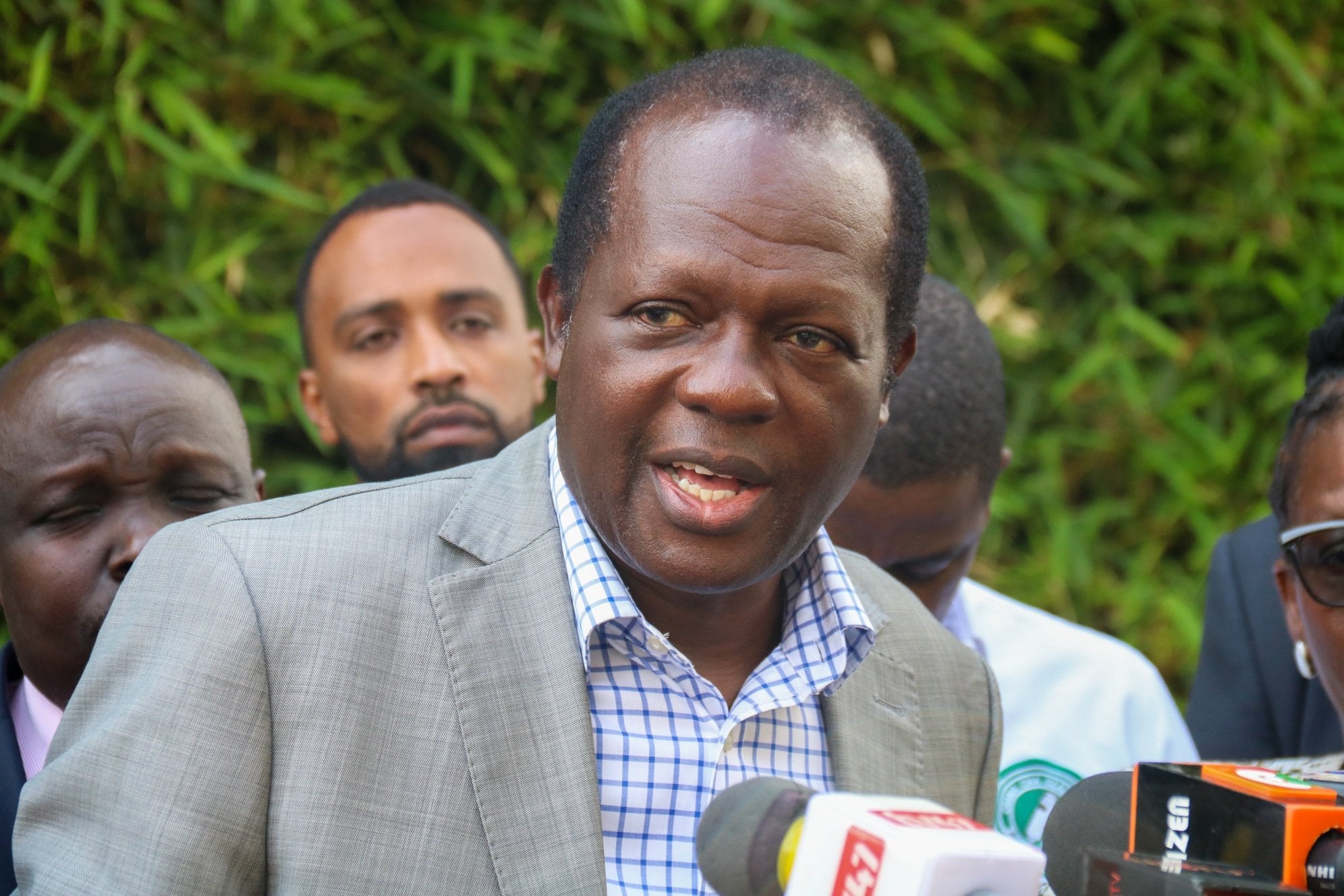
Former Cabinet Secretary Raphael Tuju has been reported missing following a series of events that unfolded over the weekend.
Tuju had earlier raised concerns about his safety after filing a report at Karen Police Station on Saturday, March 21.
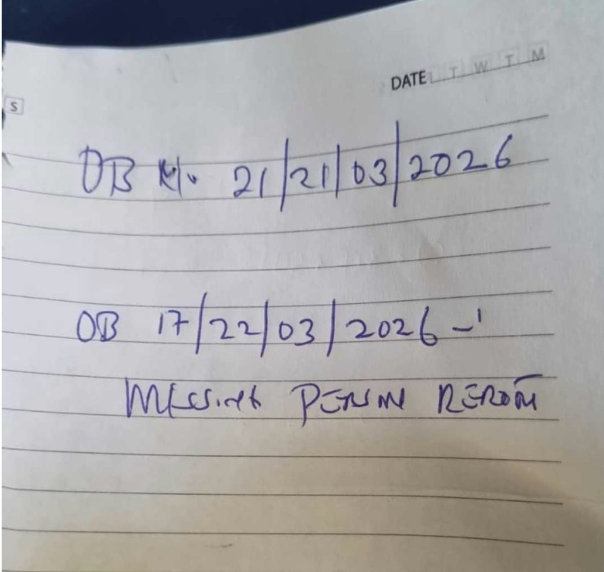
In the report, booked under OB 21/21/03/2026, he indicated that he had been followed the previous day by a white Toyota Land Cruiser 70 Series vehicle that did not have number plates.
Later that evening, Tuju was expected to appear on Ramogi FM at around 7 pm, but he never made it on air.
His absence immediately raised concern, especially after efforts to reach him proved unsuccessful.
Family members say Tuju has not been seen since Saturday afternoon, and his mobile phones have remained switched off since then.
The situation escalated further on Sunday, March 22, when his son, Mano Tuju, received a call from the Officer Commanding Station (OCS) at Karen Police Station while attending church.
The OCS informed him that Tuju’s car had been found abandoned along Miotoni Lane in Karen, Nairobi, a discovery that deepened fears over his whereabouts.
Police later assisted the family in towing the vehicle to the station for further investigations.
Following the discovery, the family filed a missing person report at Karen Police Station on Sunday, which was recorded under OB 17/22/03/2026.

This comes days after the judiciary defended the High Court ruling in the case between Tuju and auctioneers over a prime property in Karen.
In a statement dated Wednesday, March 18, Judiciary Spokesperson Paul Ndemo clarified the context and legal issues in the matter amid rising public interest and commentary.
Ndemo revealed that the case was filed as Dari Limited & Raphael Tuju vs Garam Investment Auctioneers, Knight Frank Valuers Ltd & Others under case number (HCCOMM/E636/2024).
He explained that the High Court declined to issue orders to stop the recovery of the property by the defendants because Tuju’s application was based on matters that had already been decided on by other courts.
“Upon consideration of the pleadings, affidavits, and submissions, the Court found that the dispute has a protracted litigation history spanning multiple jurisdictions and levels of courts.
“Against this background, the Court held that the Plaintiffs’ application for injunction reproduced, in substance and effect, issues that had already been litigated and conclusively determined,” Ndemo explained.
These include the final judgment issued by the High Court of Justice in England and Wales in 2019, requiring repayment of over USD 15 million under a financing agreement, and recognition and enforcement of that judgment by the Kenyan High Court in 2020.
Ndemo explained that there was also an affirmation by the Court of Appeal in 2023, and the Supreme Court’s refusal to grant interim relief to halt enforcement.
The court further noted that earlier attempts by the Plaintiffs to obtain similar injunctive relief had already been considered and dismissed by the High Court in 2024
“The application was therefore barred by the doctrine of res judicata (i.e. the same issues had already been decided by competent courts).
“The Court emphasised that the validity of the underlying financial agreement, the amount owed, and the lender’s right to realise the secured properties had already been settled by the High Court of Justice in England and Wales in 2019,” the statement read in part.
Ndemo explained that the High Court further found that the reintroduction of substantially similar claims, albeit framed in constitutional terms, amounted to an attempt to re-open concluded matters and thus constituted an abuse of the court process.
The judiciary expounded that the Court also reiterated that it cannot sit on appeal over decisions of courts of concurrent or superior jurisdiction, nor can it re-litigate matters that have been finally determined.
“In light of these findings, the Court allowed the Defendants’ applications challenging the proceedings, struck out the Plaintiffs’ Amended Plaint and the application for injunction and discharged all interim orders that had previously restrained the realisation of the properties,” the statement continued.