
By Andrew Kariuki
Tourism Cabinet Secretary Rebecca Miano has announced the rollout of a new mobile payments platform aimed at capturing billions in tourism revenue that has traditionally remained outside the formal financial system.
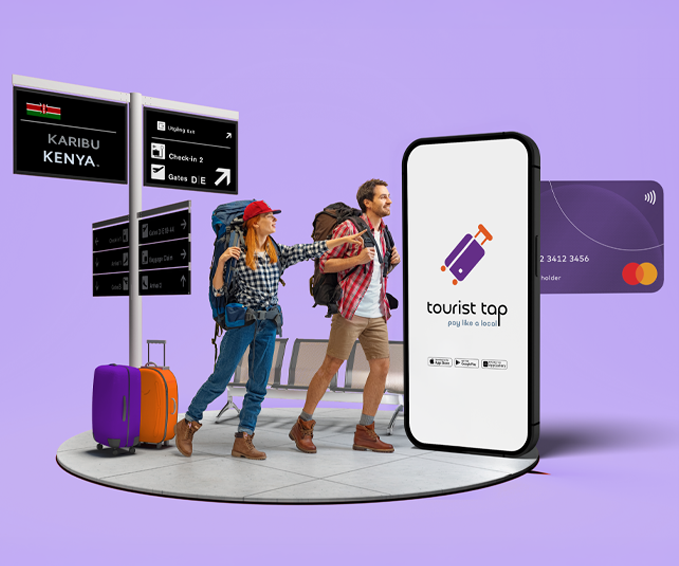
The platform, known as TouristTap, is developed by Craft Silicon in partnership with KCB Bank and Visa.
It allows both international and domestic tourists to make card-based payments directly from their mobile phones to merchants, including those without traditional point-of-sale infrastructure.
The system is designed to enable vendors to receive payments using existing mobile numbers or till accounts, eliminating the need for card machines and lowering the barrier to entry for small-scale operators.
The rollout targets a long-standing gap within Kenya’s tourism sector, where a significant portion of spending occurs in informal settings such as local markets, transport services and small businesses that are unable to accept international payment methods.
“When payment acceptance is simple and reliable, businesses are better placed to serve more customers, improve turnaround time, and participate more competitively in the formal economy,” said David Nyamu, General Manager for Sovereign and Public Sector at KCB.
Kenya’s tourism industry generates an estimated KSh500 billion annually, but a substantial share of this revenue flows through cash transactions, limiting traceability, financial inclusion and tax visibility.
Miano said the platform is intended to bridge that gap while expanding opportunities for individuals operating within the tourism value chain.
“Kenya’s tourism sector is one of the most powerful engines of our economy. TouristTap is not only about convenience for visitors but also empowering every Kenyan who is part of the tourism value chain,” she said.
Beyond Kenya, the platform is already being positioned for regional expansion, with pilot programmes underway in Uganda, Tanzania and Ethiopia.
The strategy focuses on markets where mobile money is widely used but card acceptance remains limited, with the aim of integrating informal sectors into broader digital payment ecosystems.