By George Ndeto,
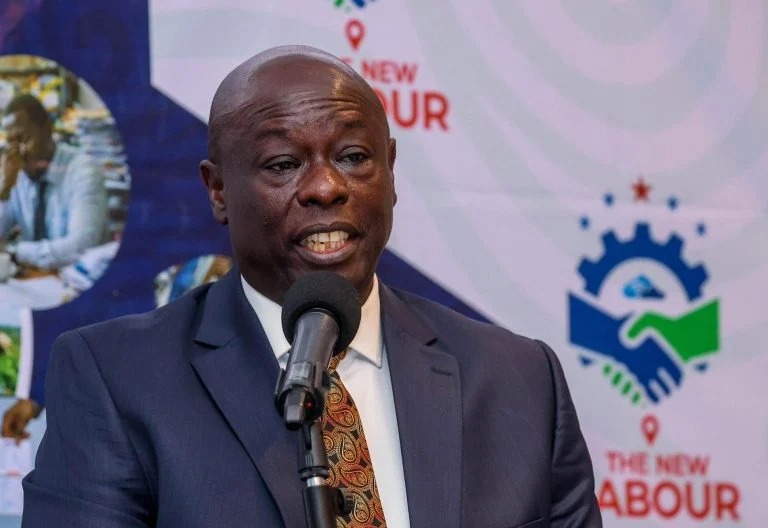
Former Deputy President Rigathi Gachagua scored a partial legal victory after a three-judge bench found that his constitutional rights were violated during the impeachment proceedings that led to his removal from office, even as the court upheld the outcome of the Senate process.
The judges ruled that the Senate infringed Gachagua’s right to a fair hearing when it declined to adjourn proceedings despite evidence that he was unwell and unable to personally participate in the hearing.
“The Senate’s decision to proceed with the hearing despite the 3rd Petitioner’s indisposition and inability to personally participate in the proceedings violated his right to a fair hearing guaranteed under Article 50 of the Constitution,” the bench held.
The court noted that senators had discretion to postpone the matter but opted to proceed, effectively determining his fate in his absence.
“The right to a fair hearing is non-derogable and cannot be limited even in circumstances where constitutional timelines appear pressing,” the judges observed.
However, the bench declined to nullify the impeachment, finding that such a remedy would trigger a constitutional crisis following the swearing-in of Deputy President Kithure Kindiki.
The judges warned that overturning the Senate decision would create an “unprecedented constitutional dilemma” in which two individuals could simultaneously lay claim to the office of Deputy President, a situation not contemplated under the Constitution.
While affirming that courts have jurisdiction to interrogate impeachment proceedings for constitutional compliance, the judges dismissed arguments challenging the process on grounds of public participation, alleged bias, and procedural irregularities in the appointment of Kindiki.
The ruling therefore left Gachagua with a mixed outcome: a formal judicial finding that his rights were violated, but no reinstatement to office.
For the former Deputy President, the judgment amounted to a constitutional acknowledgment of procedural fault within an otherwise politically final process — a rare instance where the court intervened in principle, but not in consequence.