By Andrew Kariuki
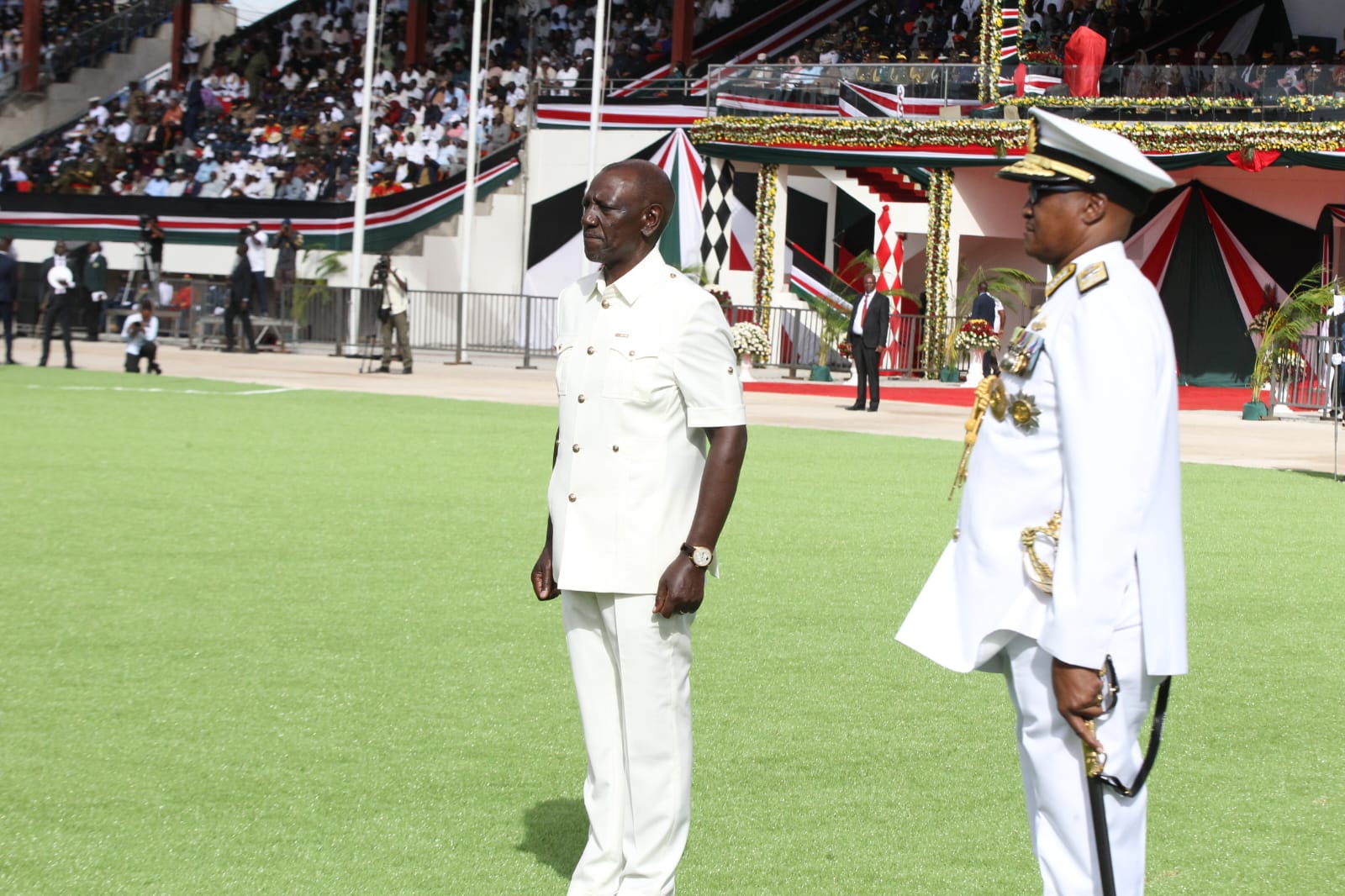
President William Ruto on Monday unveiled a series of policy changes, development projects and education reforms targeting Northern Kenya during Madaraka Day celebrations held in Wajir County, while also acknowledging years of marginalisation faced by residents in the region.
In a speech that focused heavily on inclusion, education, infrastructure and economic empowerment, the President announced new government commitments ranging from the construction of a university in Wajir to reforms in identification processes, livestock investment and integration of religious learning institutions into the national education system.
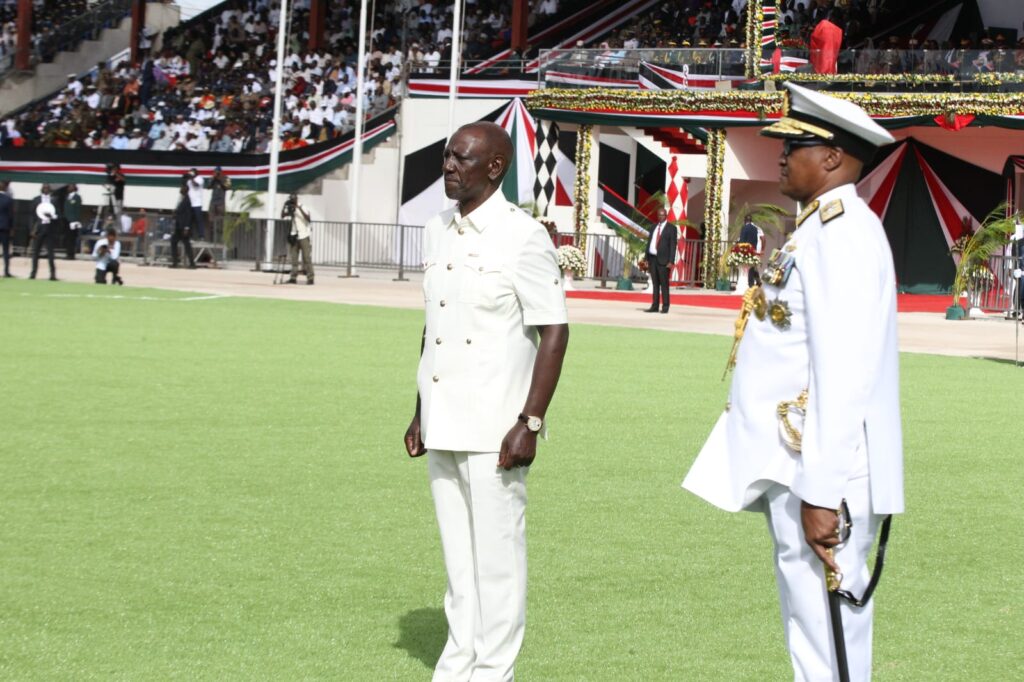
Ruto also issued a rare apology to residents of Northern Kenya, saying the region had suffered decades of neglect and exclusion.
“As President, I want to apologise on behalf of the nation of Kenya to the people of Northern Kenya for the marginalisation they have endured. We are deeply sorry, our brothers and sisters. It was never meant to be this way,” he said.
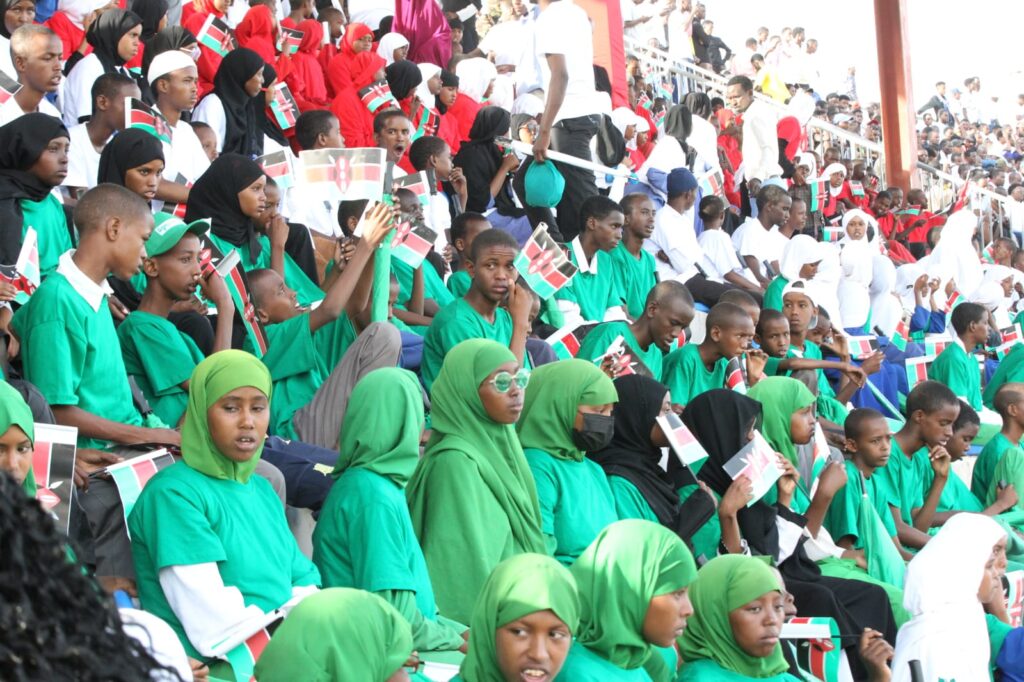
Among the key announcements was government funding for the construction of the University of Wajir, with the President saying the project is expected to begin later this year as part of efforts to expand access to higher education in historically underserved regions.
The Head of State further pledged that Wajir International Airport would have a fully operational civilian terminal before the end of 2026, a move expected to improve transport, business and regional connectivity.
In the education sector, Ruto ordered the formal integration of Madrassa and Duksi institutions into Kenya’s national education system, saying the move would create a clearer pathway for learners to access education opportunities while preserving religious instruction.
He also pointed to growing interest in science and technology education, noting that 52% of learners had selected the STEM pathway under the competency-based curriculum.
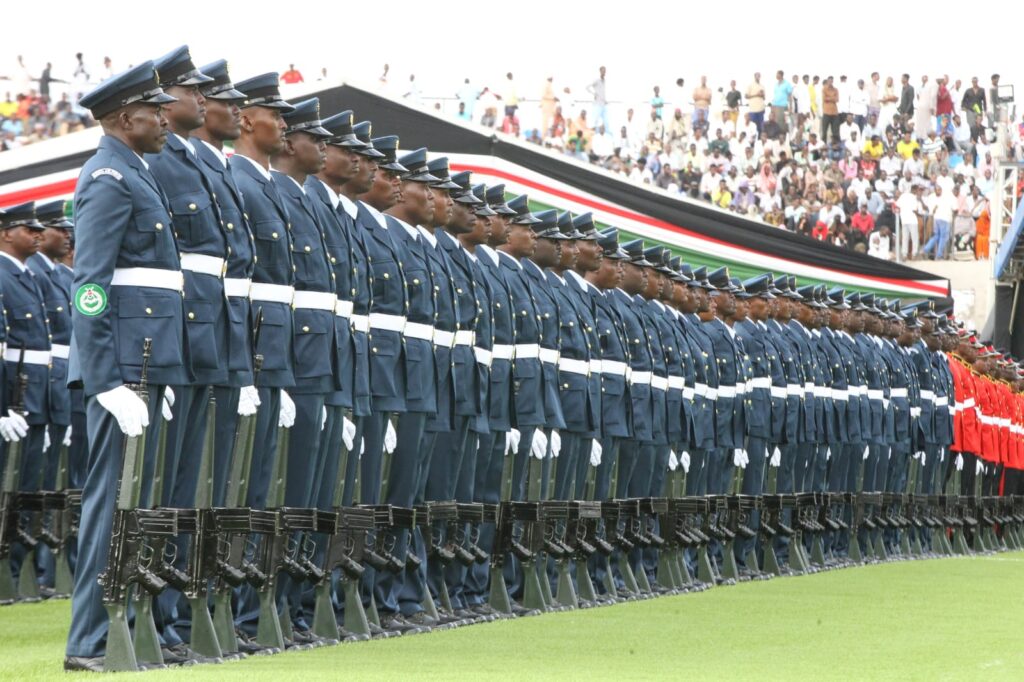
“What encourages me is that 52% of learners have chosen the STEM pathway. This tells us that a new generation is rising, one that will drive Kenya’s industrial transformation,” he said.
On access to national identity documents, the President defended reforms introduced in February 2025 to ease access to IDs for residents of Northern Kenya, dismissing claims that the changes opened the door for foreigners to illegally obtain Kenyan documentation.
“This was not for foreigners to acquire Kenyan documents illegally. We did not abolish vetting, we abolished discrimination,” Ruto said.
The President also directed the Ministry of Agriculture to begin registering investment companies owned by pastoralists across 21 Arid and Semi-Arid Lands (ASAL) counties to enable them to benefit from the government’s Ksh5 billion County Livestock Initiative.

The reforms and pledges come as the government seeks to deepen development and inclusion efforts in Northern Kenya, a region that has for decades cited marginalisation, limited infrastructure and unequal access to public services as key challenges.