A Senate inquiry into safety conditions at the Bomas of Kenya construction site has exposed a widening gap between official assurances and the evidence of compensation demanded by Senators, after multiple injuries and two deaths among workers.
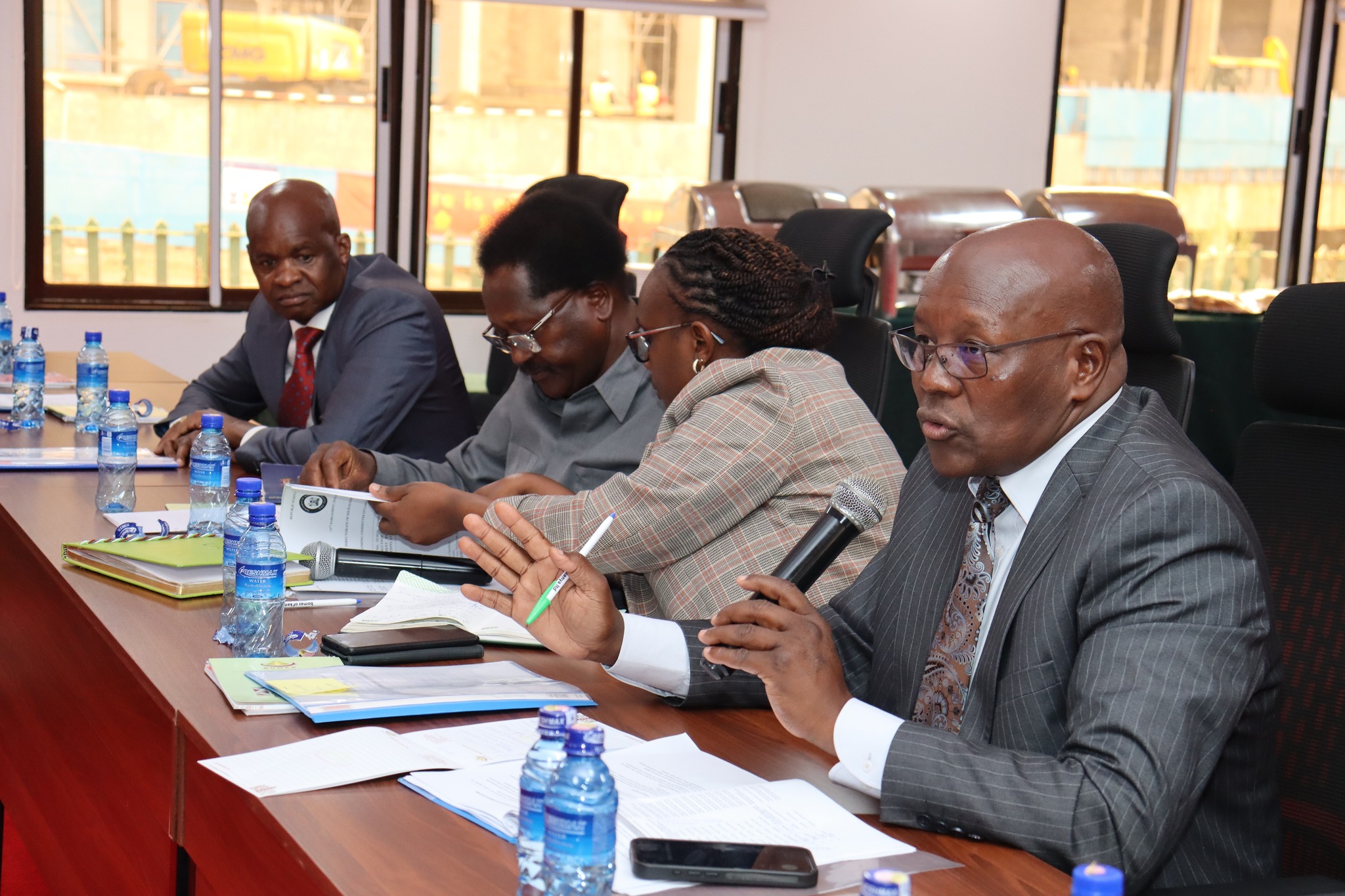
On Tuesday, the Senate Committee on Labour and Social Welfare committee heard detailed briefings from the Ministries of Tourism, Defence, Labour, and contractors overseeing the multibillion-shilling Bomas International Convention Complex (BICC). But as presentations unfolded, Senators repeatedly returned to a central concern: where was the proof of compensation?
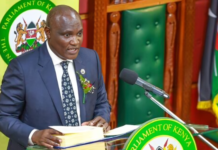
Chaired by Sen Julius Murgor (West Pokot), the committee had convened to follow up on a statement sought by Sen Seki Lenku (Kajiado) on occupational safety compliance at the site. What began as a technical briefing quickly turned into a pointed probe on accountability.
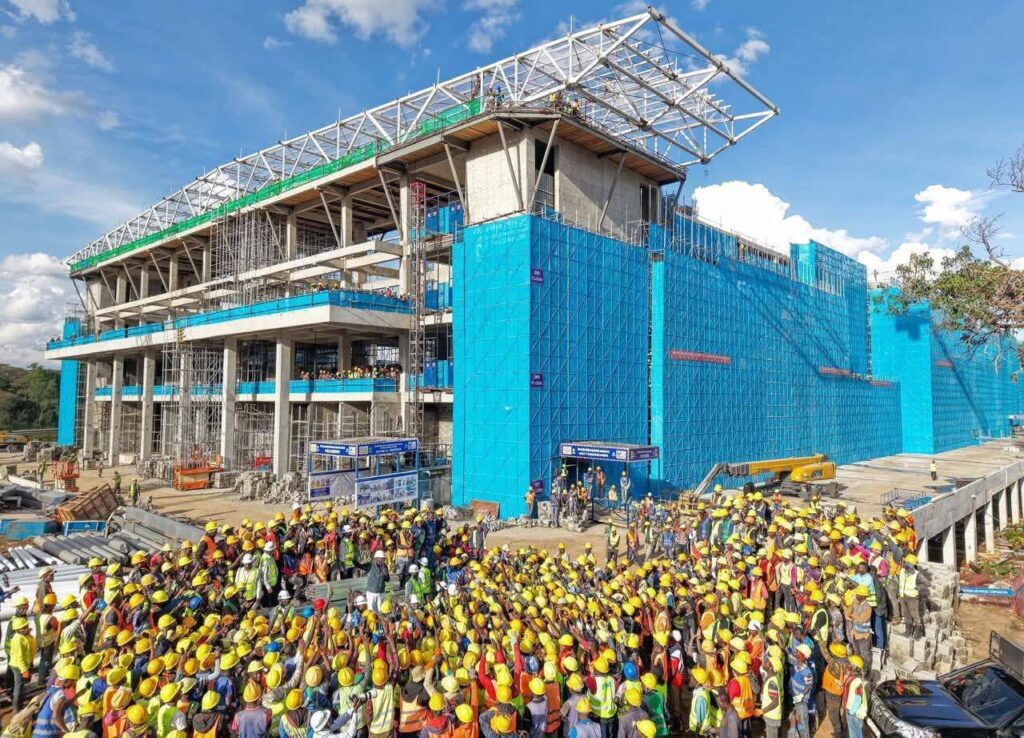
Jimmy Okindiangi, CEO of Bomas of Kenya traced the project’s origins to 2013, describing an ambitious, multi-phase development intended to position Kenya as a regional conferencing hub, complete with hotels, a mall, cultural centre and sports arena.
Representatives of China Road and Bridge Corporation (CRBC), led by project official Peter Chen, outlined an extensive safety regime. Workers, the committee was told, undergo mandatory induction and assessment before entering the site. Protective equipment is enforced, safety officers are deployed by zone, and surveillance systems, lighting and emergency drills are in place. A clinic and ambulance operate on site, alongside weekly safety meetings.
Officials from the Ministry of Defence, led by Lt Col Wilfrida Amondi, echoed those assurances, insisting that compliance with occupational safety standards was routinely monitored. Key records – including workplace registration, audit reports, injury logs and payroll data – were said to be available for scrutiny. Daily and weekly inspections, senators heard, are conducted by safety officers and resident engineers.
Sen Lenku pressed for a comprehensive account of the injuries and fatalities reported at the site, citing at least 18 injuries and two deaths. He demanded clarity on whether affected workers and bereaved families had been compensated.
“We want to look at the records of all the fatalities and injuries suffered on this site,” he said.
Sen Alexander Mundigi (Embu) questioned the apparent disconnect between the assurances offered and the incidents reported. The committee, he stressed, was seeking accountability for Kenyan workers on a site employing roughly 2,400 people.
A representative from the Directorate of Occupational Safety and Health Services (DOSH) outlined the statutory process for compensation, from immediate reporting of incidents to medical assessment and certification of incapacity. Fatalities, he noted, must be reported within 24 hours, followed by postmortem documentation and dependency claims. In several cases, however, the directorate was still awaiting the necessary paperwork.
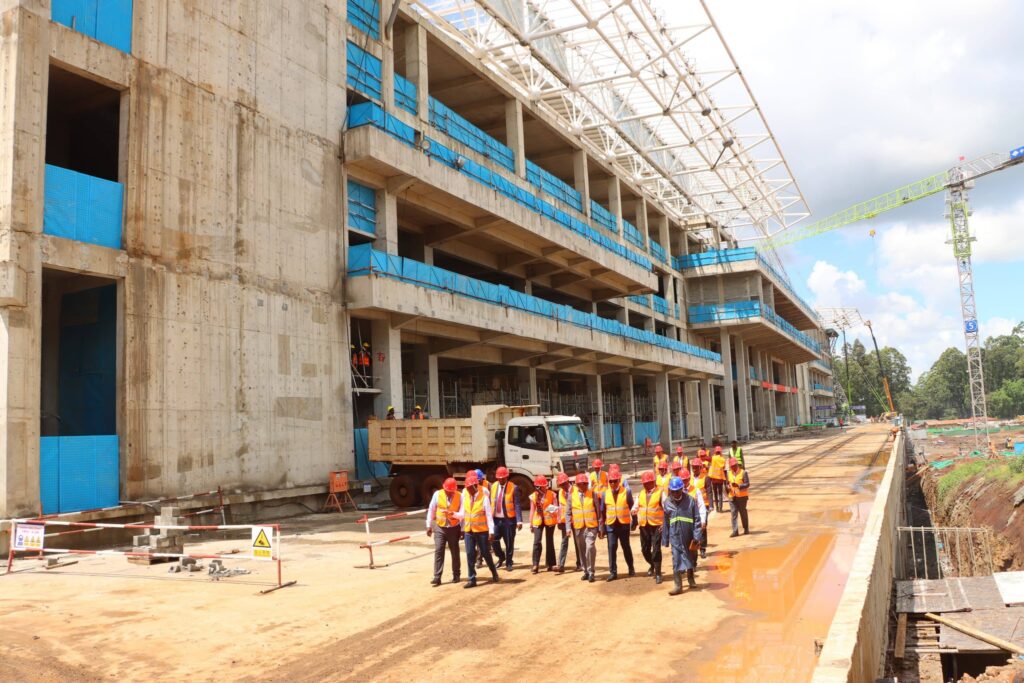
The committee proceeded to conduct a site inspection, including visits to the locations where the fatalities occurred.
For now, the inquiry proceeds seeking answers to unresolved questions at the heart of a flagship national project: not the scale of its ambition, but the human cost at which it is being built.