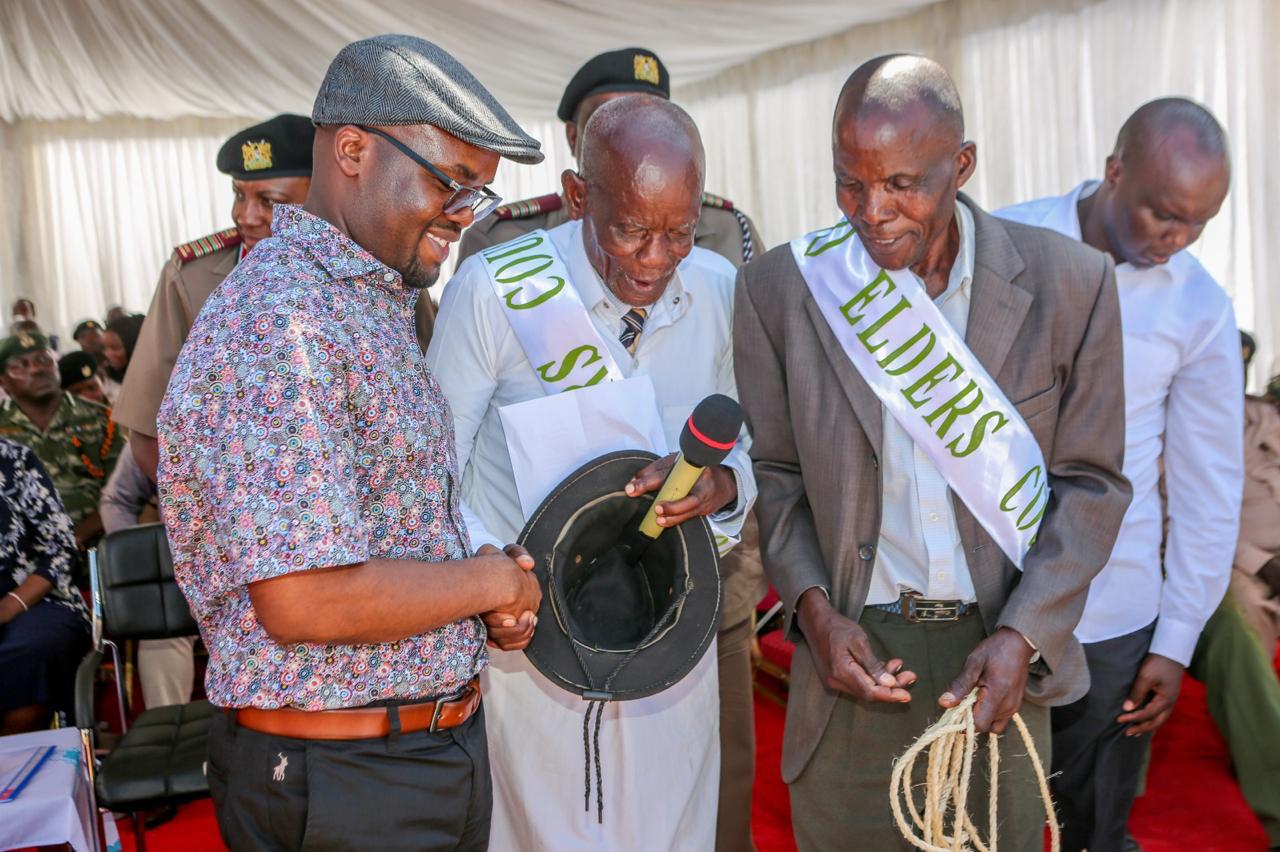
The government has allocated Sh3.9 billion for stipends to village elders, marking a major policy shift that formally integrates grassroots community leadership into the country’s fiscal framework.
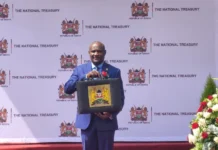
Treasury Cabinet Secretary John Mbadi said the allocation is intended to strengthen local administrative capacity and recognise the role of village elders in conflict resolution, intelligence gathering, and community-level security support.
“I have also proposed Sh 3.9 billion for stipends to village elders to enhance local administrative capacities and to appreciate and recognise the role played by village elders in helping address security and other societal challenges,” Mbadi told Parliament.
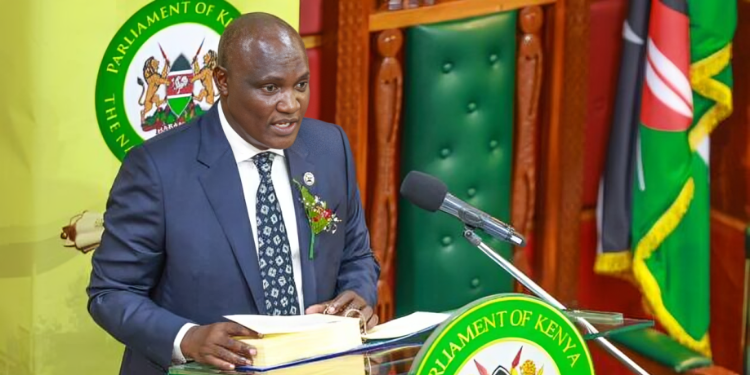
The move comes as government expands its security spending envelope to Sh567.3 billion in the 2026/27 budget, crossing the half-trillion mark in one of the largest sectoral allocations within the Sh4.84 trillion fiscal plan.
The expanded allocation covers defence, policing, intelligence, prisons, and internal administration, reflecting what the government describes as the centrality of stability to economic growth and investment.
The Ministry of Defence received Sh252.1 billion, followed by the National Police Service at Sh144.7 billion, and the National Intelligence Service at Sh64 billion.
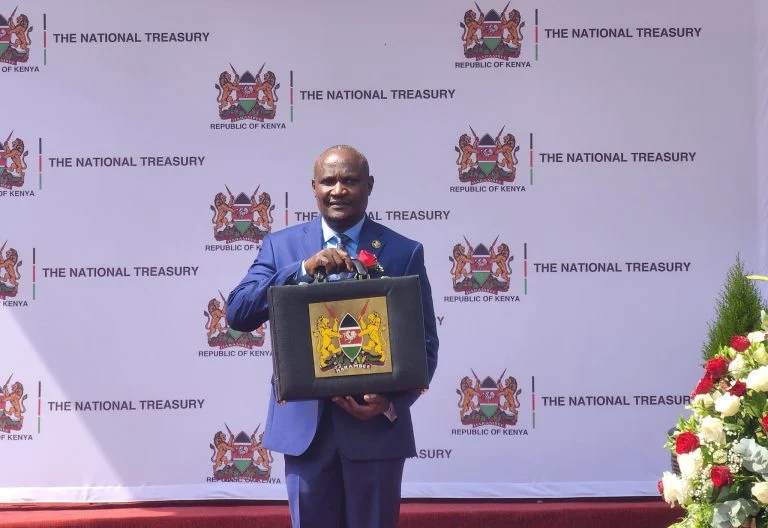
The State Department for Internal Security and National Administration was allocated Sh63.9 billion, while the Kenya Prisons Service received Sh42.6 billion.
Beyond baseline funding, the government has ring-fenced Sh21 billion for targeted reforms aimed at modernising policing and strengthening operational capacity.
These include Sh13 billion for leasing police motor vehicles, Sh7 billion for police modernisation programmes, and Sh1 billion for the construction and upgrading of national forensic facilities.
Mbadi linked the fiscal framework to broader economic priorities, arguing that stability remains essential for investment, trade, and national development.
He described the budget as a “people-centred blueprint” aligned with aspirations of Kenya’s broad-based political arrangement, referencing a long-term development trajectory aimed at economic transformation.
According to the Treasury, the budget was informed by nationwide consultations involving youth groups, traders, manufacturers, journalists, faith leaders, and informal sector actors across counties including Nairobi, Kisumu, Kakamega, Nakuru, Meru, and Mombasa.