An indepth look into the realities facing vulnerable populations in Murang’a County has unfolded as the National Assembly’s Departmental Committee on Social Protection has undertaken a site inspection to assess and guide on efforts aimed at strengthening protection systems on the ground.
Chaired by Hon. Alice Ng’ang’a (Thika Town), the Committee has engaged key stakeholders, fostering practical solutions to pressing social challenges.
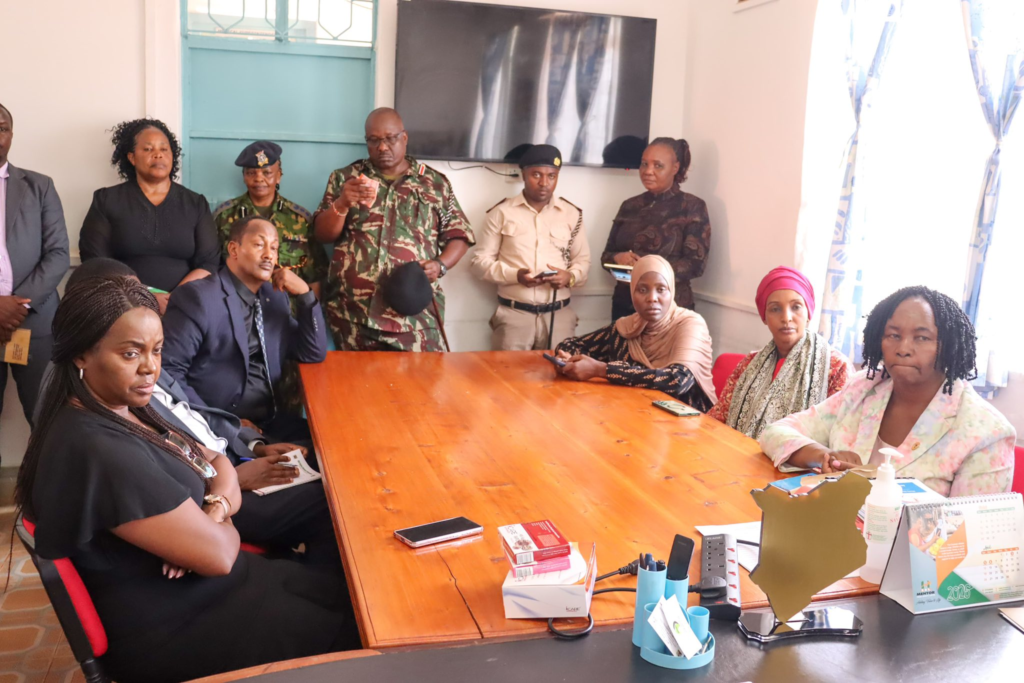
At Murang’a County Referral Hospital, medical professionals outlined a coordinated response shaped by a 2023 county-led survey that revealed a rise in gender-based violence cases.
Since then, the county has intensified public awareness efforts, established technical working groups at sub-county level and strengthened clinical and forensic capacity. Community resource persons have also been trained to support survivors.
Despite these gains, the hospital continues to record an average of 12 child molestation cases monthly, with trends indicating spikes during school holidays and a concerning prevalence among persons living with disabilities.
At the County Children’s Office, the Committee engaged officers handling nearly 50 cases weekly, largely involving defilement and neglect. Persistent challenges, including understaffing, limited funding for rescue operations and a shortage of specialised professionals such as therapists, were brought to the fore, prompting legislators to guide stakeholders on strengthening inter-agency collaboration and resource prioritisation.
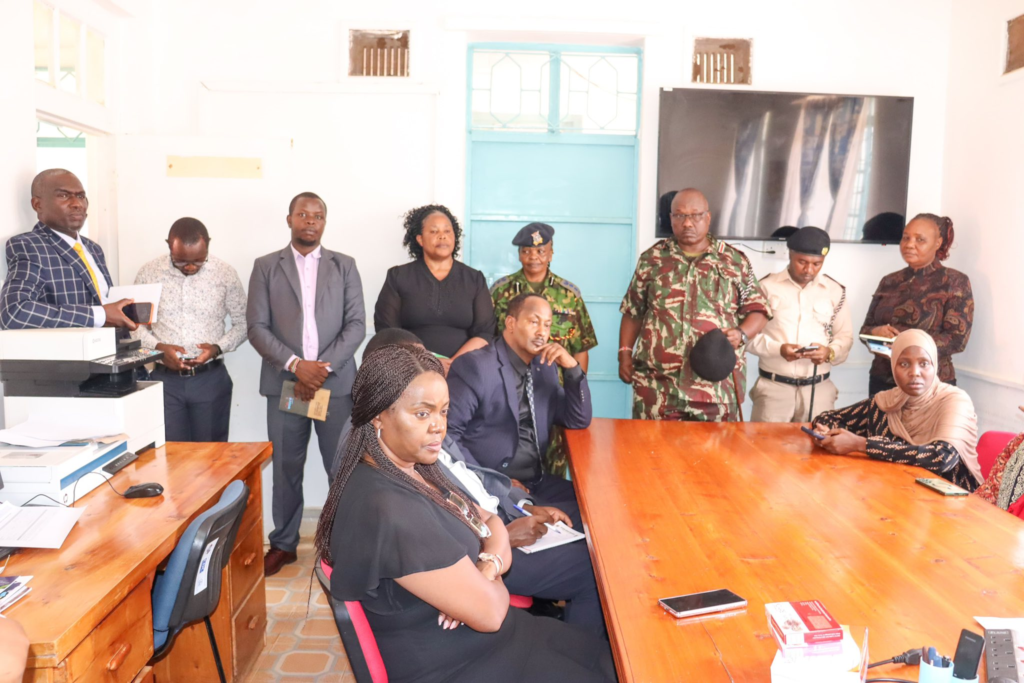
The Committee heard that Murang’a county government has waived medical fees for GBV survivors and facilitated free court attendance, easing access to justice. A coordinated approach between health and security agencies has also ensured expedited handling of cases, mindful of critical timelines for medical intervention.
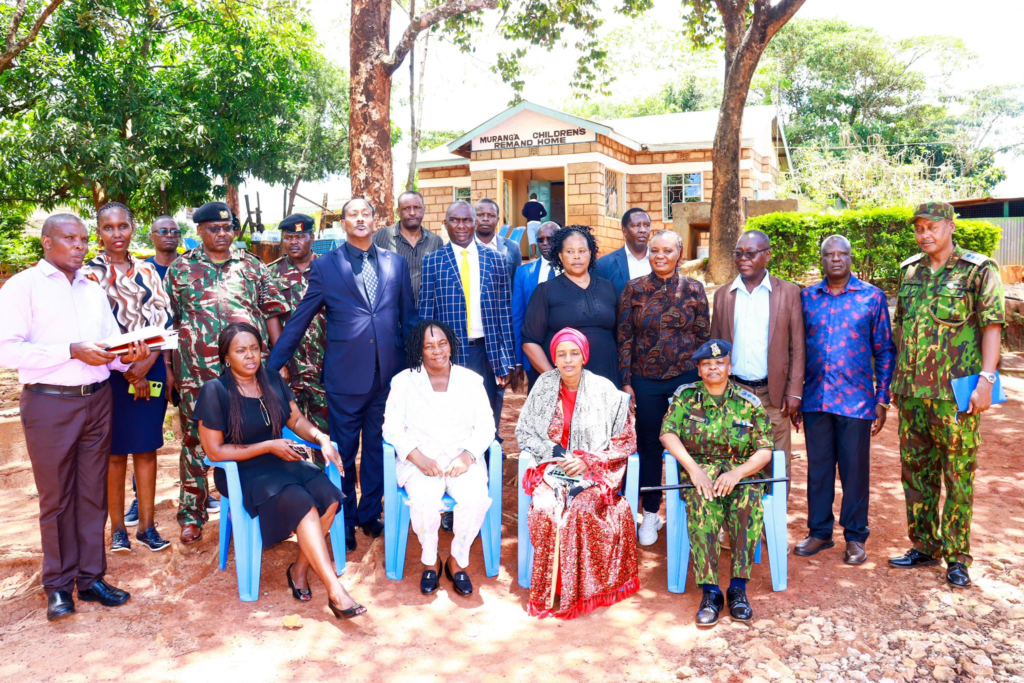
At the Murang’a Children’s Remand Home, the Committee underscored the need for improved infrastructure and secure facilities.
The Committee reaffirmed its commitment to working with stakeholders to address these gaps, ensuring that protection systems are not only present, but truly responsive.
By Anthony Solly