Somalia’s Ministry of Defence says more than 130 Al-Shabaab fighters were killed during a major joint security operation in the Lower Juba region, marking one of the most significant blows to the insurgent group in recent months.
The offensive, carried out by the Somali National Army (SNA) alongside local clan militias and elite special units, lasted over 24 hours and repelled an attempted large-scale attack on the strategic town of Kudhaa, situated south of the major port city of Kismayo.
According to military officials, the operation not only thwarted Al-Shabaab’s assault but also inflicted heavy casualties on the militants. In addition to the confirmed deaths, numerous fighters were wounded, and a cache of weapons, ammunition and vehicles abandoned by retreating insurgents was seized by government forces.
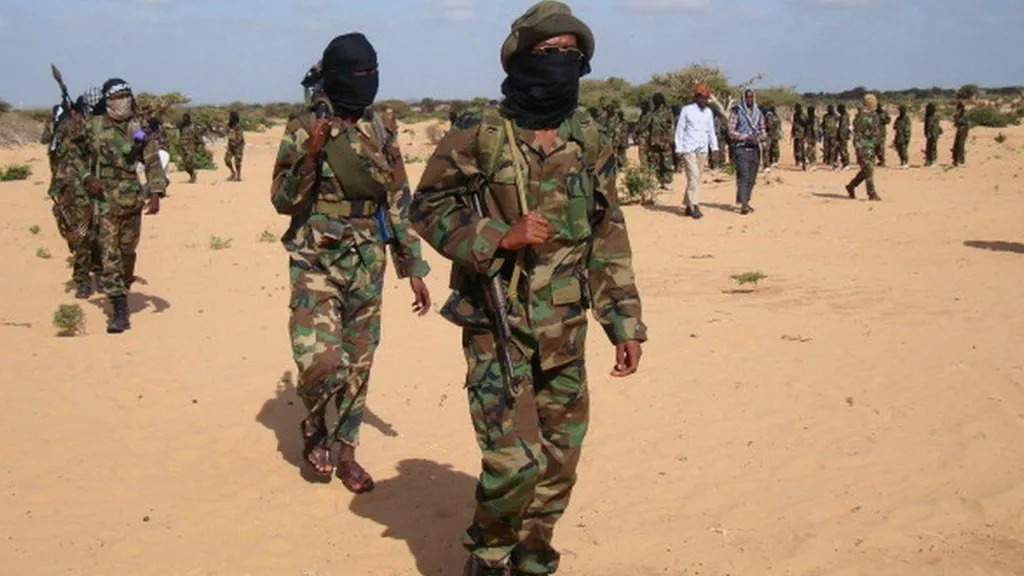
“The joint operation was successful in forcing Al-Shabaab to flee and ensured that Kudhaa remains securely under government control,” a senior Defence Ministry official told reporters. “Security forces are now firmly in place and remain on high alert to prevent any regrouping by terrorists.”
Kudhaa’s location makes it a crucial stronghold for both the Somali government and Al-Shabaab. Positioned along key routes linking Kismayo with inland regions, control of the town affects supply lines and troop movements. Analysts say that securing Kudhaa is vital for ongoing efforts to dismantle Al-Shabaab’s infrastructure in southern Somalia.
Al-Shabaab, an Islamist militant group affiliated with Al-Qaeda, has been waging an insurgency against the Somali government and its international partners for more than 16 years. The group has repeatedly carried out suicide bombings, ambushes and coordinated attacks across Somalia, targeting military and civilian sites.
Despite sustained pressure from Somali forces and international partners, the group continues to hold sway in large parts of rural southern and central regions, exploiting local grievances and weak governance.
Operations against Al-Shabaab have intensified since last year, as Somali units — increasingly backed by regional allies and international support — have sought to reclaim territory and dismantle insurgent networks.
Crucially, the African Union Support and Stabilization Mission in Somalia (AUSSOM) — which took over from the long-standing African Union Mission in Somalia (AMISOM) — has played a key role in bolstering Somali military capability. In late 2025, the United Nations Security Council extended AUSSOM’s mandate through 2026, reaffirming international commitment to Somalia’s stability and counter-terrorism efforts.
International partners, including the United States and European Union members, have provided training, intelligence and logistical support to Somali forces, while also assisting in civilian protection and humanitarian operations in areas affected by conflict.
Domestically, clan militias and community defense groups have increasingly cooperated with the Somali National Army, particularly in southern regions where Al-Shabaab has historically maintained influence. These alliances have helped tip local balance in favour of government forces, although concerns remain about militias’ integration into formal security structures.
While the operation in Lower Juba represents a tactical victory for Somali and allied forces, security analysts caution that Al-Shabaab remains resilient, capable of regrouping in remote areas and carrying out deadly attacks with limited warning.
“Eliminating large numbers of fighters is important, but long-term stability requires governance, economic opportunities, and community trust,” said a Horn of Africa security expert. “Military gains must be reinforced with political and development strategies to prevent the group from re-emerging.”
As Somali forces consolidate gains in Kudhaa, officials say they will continue operations to dismantle Al-Shabaab cells, secure liberated areas and restore services — a critical step toward lasting peace in one of Africa’s most conflict-affected nations.