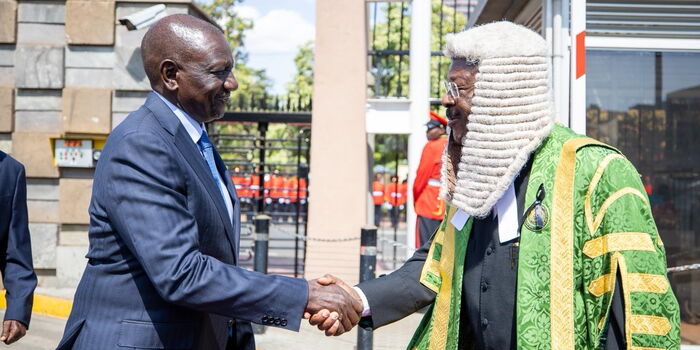
National Assembly Speaker Moses Wetang’ula has dismissed claims that he receives instructions from President William Ruto on how to run the House.
Speaking during an interview on TV47 on Wednesday night, Wetang’ula said he has never, at any point during his tenure as Speaker, been directed by anyone on how to preside over parliamentary business or shape decisions by Members of Parliament.
“Any time an individual or a group loses, they cast aspersions on the winners. Since I became Speaker, nobody, not even President Ruto, has called me to encourage me, cajole me, or in any way try to influence me on how to run the House. Even if such a call came, I would not accept it,” he said.
He described the allegations as baseless, insisting that the Speaker’s role is clearly defined and does not include initiating or influencing debate, but ensuring order and adherence to parliamentary procedure.
He further pointed to Kenya’s parliamentary history, saying the country has maintained a strong tradition of legislative independence, even during periods of intense divisions on particular debates and motions in the House.
The Speaker added that as an ex officio member, he does not vote or debate on motions and maintained that the House has performed its mandate effectively in scrutinising and passing legislation.
This comes days after Wetangula pleaded with Members of Parliament to stop harassing Cabinet Secretaries summoned by the House.
Speaking on Tuesday, January 27, during the Retreat of the Members of National Assemblies in Nakuru, Wetangula revealed that members of the Executive reached out to him, complaining of bullying by the MPs sitting on the Parliamentary committees, and asked the lawmakers to tone down.
“I have told some of your colleagues before that I get a lot of complaints that some of us bullying members of the executive appearing before us, which I discourage you,” he stated.
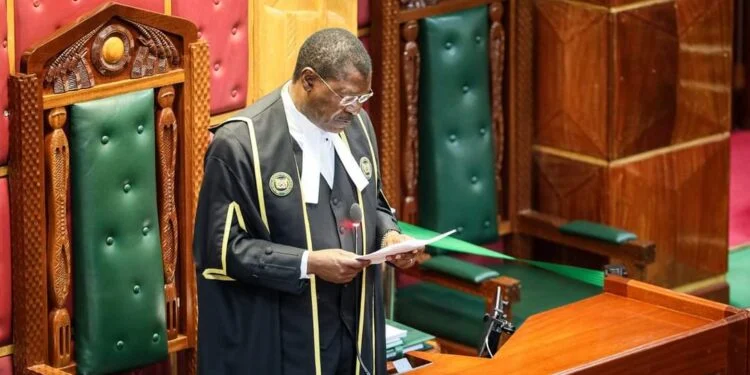
Wetang’ula disclosed that heads of Parastatals who appeared before the house committees also lamented on being pried on by members and urged them to extend some leniency, especially if the issues found are minuscule in nature.
“I had a case where an institution came running. They had a very small audit query of about 400,000, which was explainable, but the story around that was not a very good one from Parliament,” he mentioned.
Nonetheless, Wetang’ula urged the legislators to expedite all matters currently under discussion in the house within the constitutional timeline of three months.
He offered guidance on how the committees can handle operations.
“I impress upon the committees to employ the use of written submissions to make decisions, refrain from inviting agencies with clean accounts, commend them, and reduce rescheduling meetings with Ministries and agencies, and adopt a sub-committee model of considering audit reports,” he added.
Wetang’ula called on Committees to consider spending when electing institutions to sermon, stating that the budget used to conduct the auditing may surpass that of the institutions summoned to the chambers.
His sentiments were echoed by theLeader of the Majority in the National Assembly, Kimani Ichungwah, who called on collective action among the MPs to enhance the effectiveness of Parliamentary work.