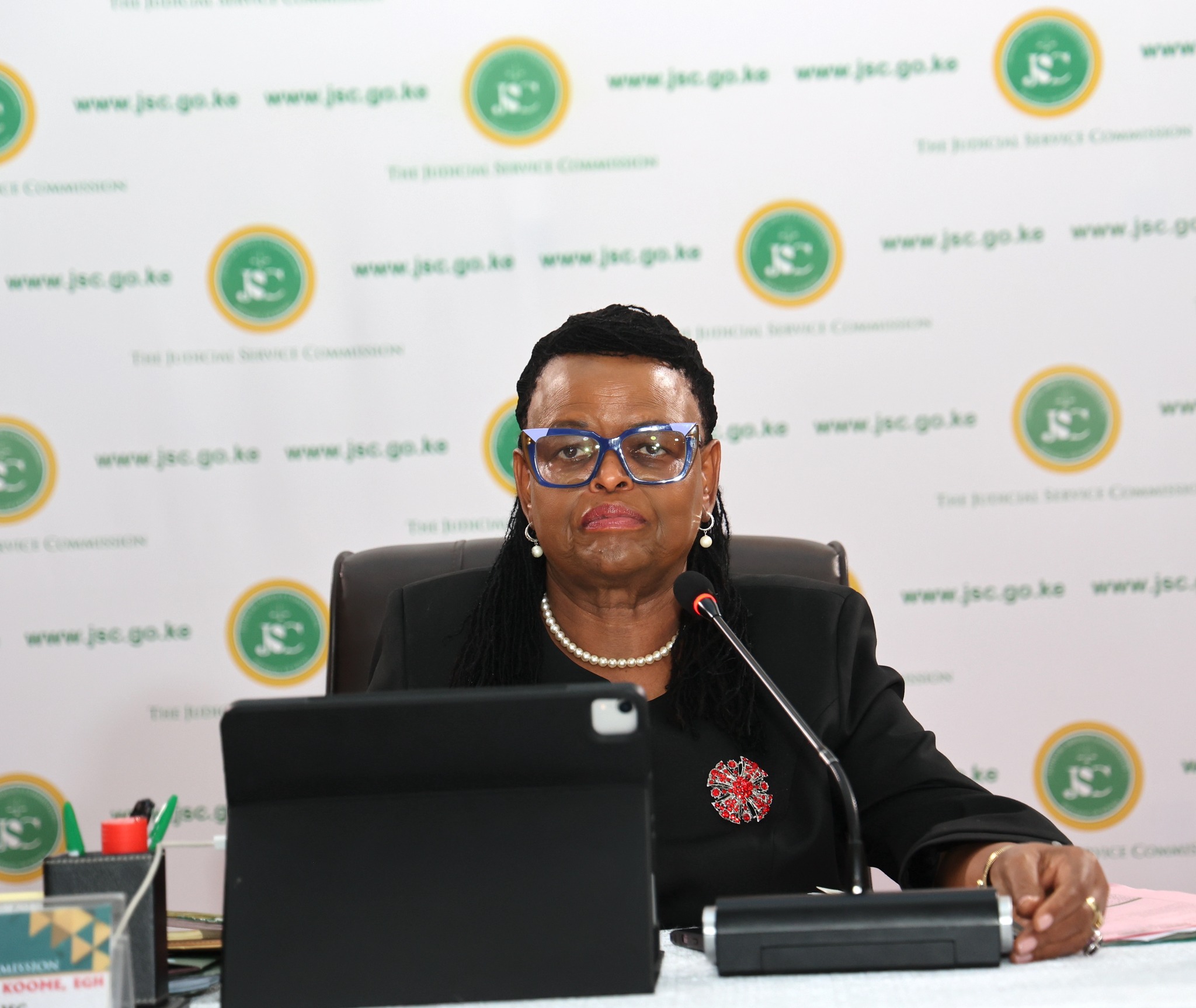
By Andrew Kariuki
The vetting of candidates for appointment to the Supreme Court by the Judicial Service Commission brought into focus the legal philosophies, experience and personal convictions of the shortlisted judges, with each offering insight into how they would approach the apex court.
The candidates who were vetted between April 28 and April 29, 2026 were Anne Waceke Kiratu Makori, Joseph Kipchumba Kigen Katwa, Joseph Kiplagat Sergon, Francis Kipruto Tuiyott and Mohamed Abdullahi Warsame.
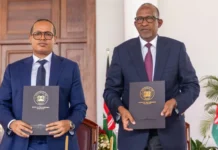
Justice Warsame, who has been nominated for appointment, anchored his interview on experience and judicial independence.
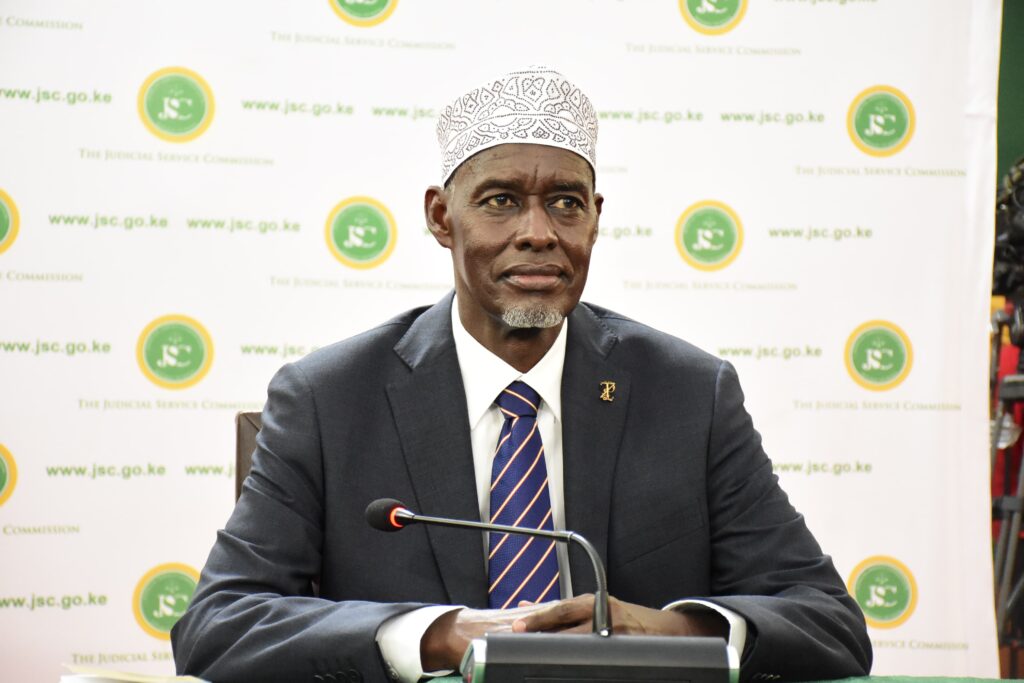
“I bring over 32 years of legal experience, which I acquired through advocacy, the Judiciary as a Court of Appeal judge. I bring 5 things to the table!”
On matters of religion and law, he took a firm doctrinal position
“Islamic law of inheritance is principally just and fair. Anybody who departs from these principles is not part of the religion.”
He also weighed in on administrative law reforms, stating
“The last issue is what I will call ‘Koome-lization’ of JR through the CJ Koome’s rules of 2024 on the operationalization of the Fair Administrative Action Act.”
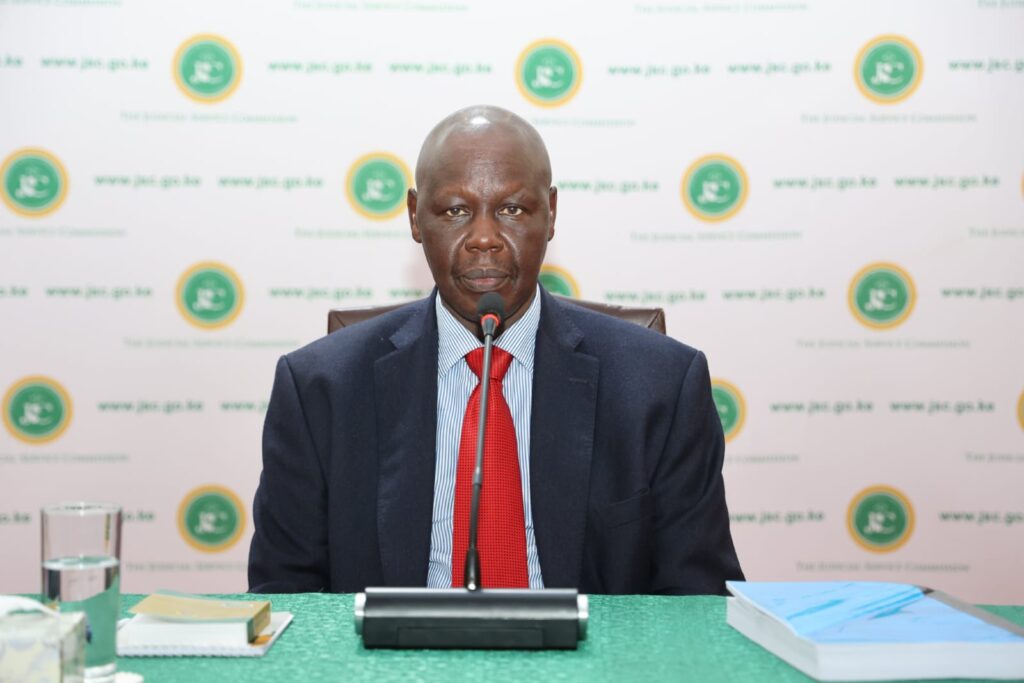
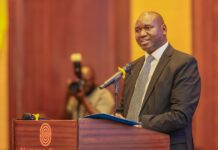
Court of Appeal Judge Katwa Kigen addressed concerns about his past legal work and questions surrounding impartiality especially with President William Ruto.
“I am not a Yes-Man.”
He further maintained that prior professional relationships should not be used to assess his suitability
“I should be assessed on merit, qualifications and experience.”
On constitutional interpretation, he made a notable observation
“The Constitution inherently acknowledges that you can have a same-sex family.”
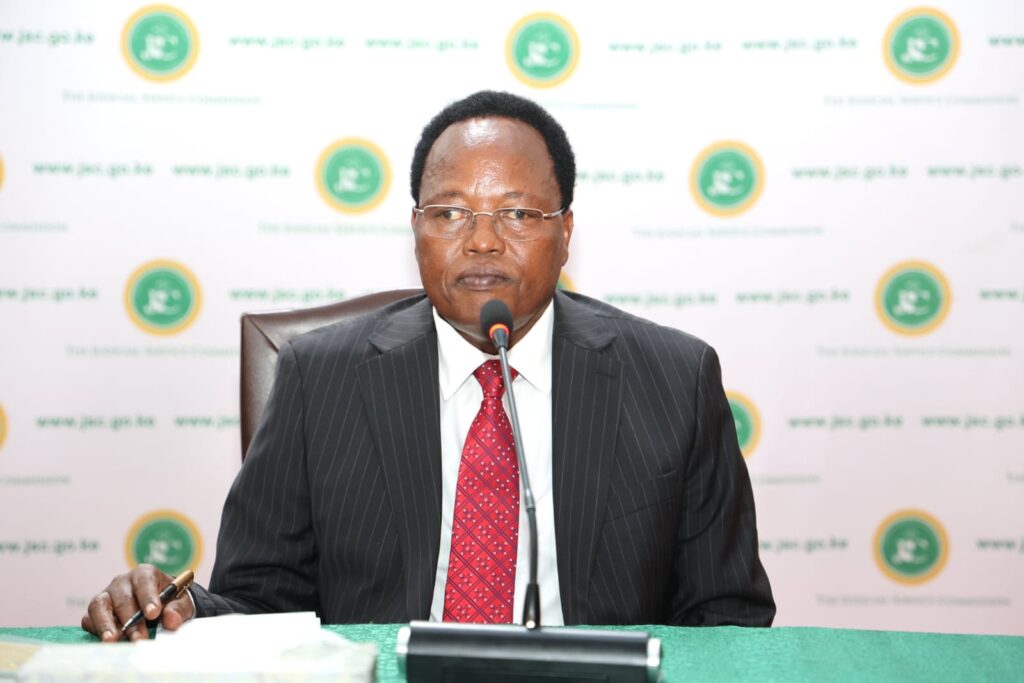
High Court Judge Sergon’s interview focused on judicial experience and consistency in applying the law, drawing from decades on the bench. While less publicly contentious, his responses reflected a traditional, procedure-driven approach to adjudication and judicial responsibility.
Justice Tuiyott addressed evidentiary standards and personal autonomy in law.
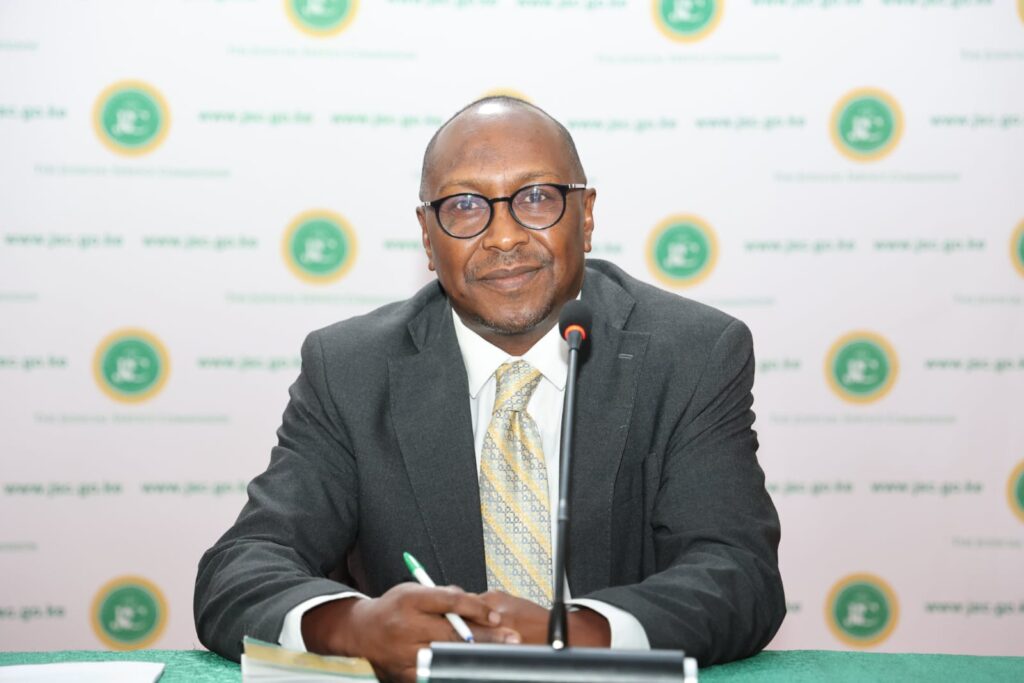
On admissibility of evidence, “I would first consider whether the person who obtained the evidence followed the proper legal procedures in acquiring it.”
He also made a controversial remark on personal choice
“We should never be concerned when an adult of female gender chooses to subject herself to FGM.”
Anne Waceke Kiratu Makori, the only non-judge among the highlighted candidates, brought a blend of private practice and public service experience, including her tenure at the Independent Policing Oversight Authority (IPOA).
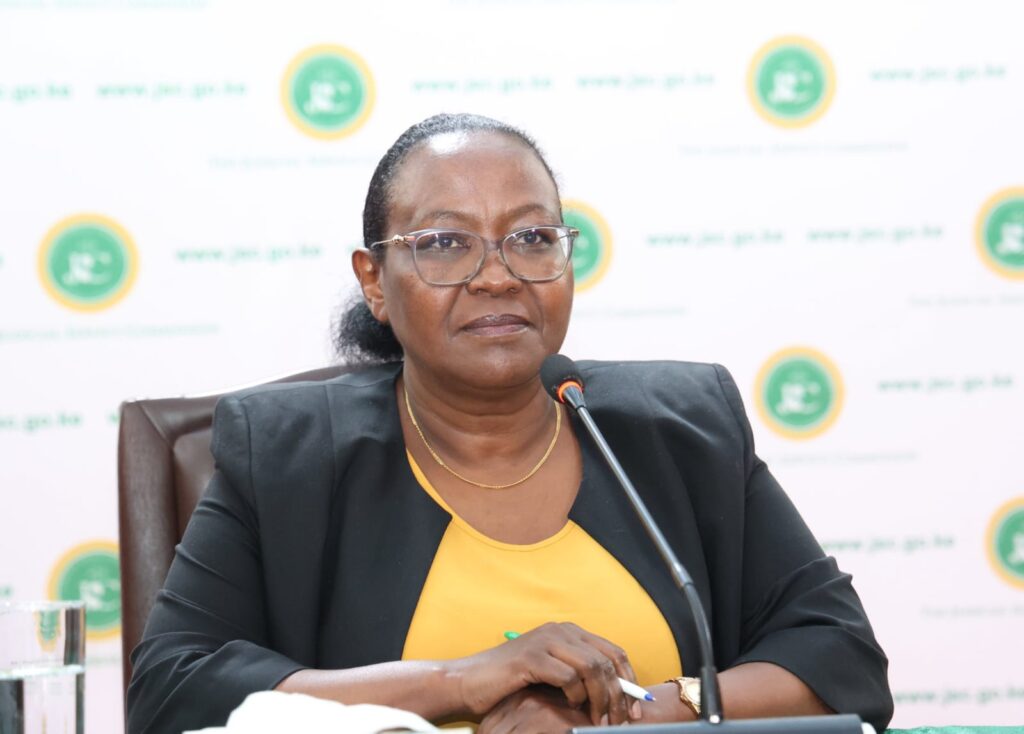
Her candidacy emphasized governance, accountability and institutional reform.
Across the sessions, several themes emerged.
Candidates repeatedly emphasized impartiality and resistance to external influence.
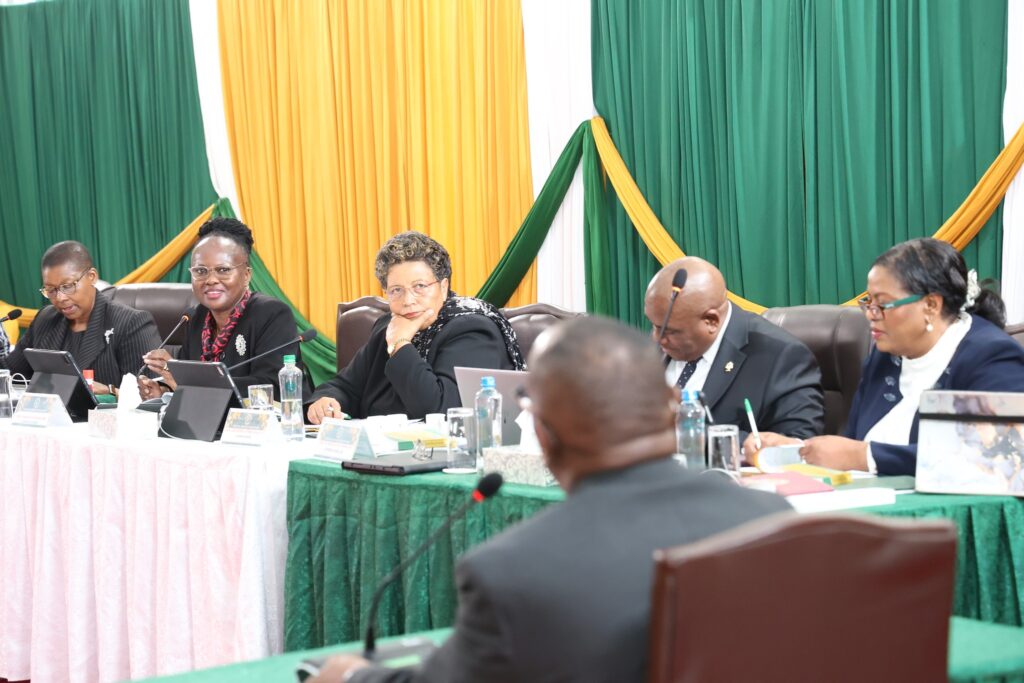
Issues such as equality, family structure and rights limitations featured prominently.
Some candidates defended their past professional associations, insisting these should not undermine their qualifications.
Debates arose around admissibility of evidence and the balance between rights and societal interests.
The interviews highlighted both the depth of experience among the candidates and the differing judicial philosophies they would bring to the Supreme Court bench.
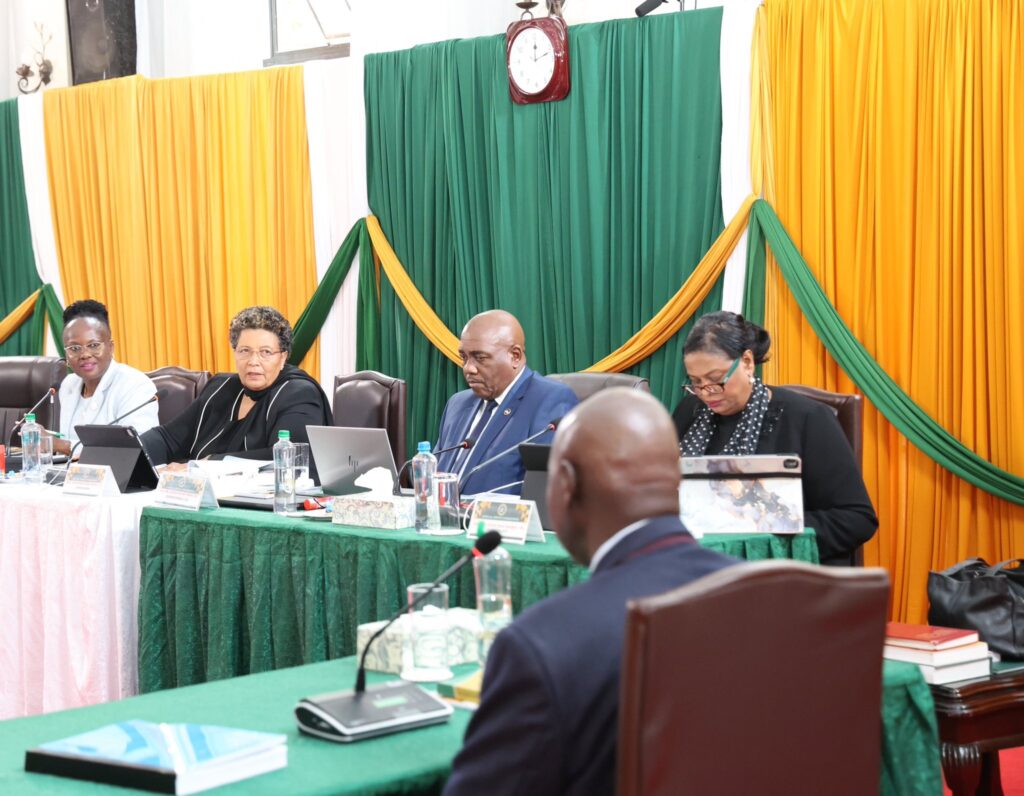
Following Justice Warsame’s nomination, the judiciary is expected to strengthen its role in shaping constitutional jurisprudence and reinforcing public confidence in the Supreme Court.
His extensive experience, measured judicial approach and clarity on complex legal questions position him as a steady addition to the apex court at a time when consistency, independence and depth of legal reasoning remain critical.