Stacy Boit,
Step on to the tarmac at any major airport around the world, and you’ll notice an unmistakable smell. A slightly sweet, oily scent, redolent of old workshops or antique paraffin lamps.
It is as much part of the travelling experience as lukewarm coffee and queues at passport control. It is, of course, the pervasive smell of jet fuel.
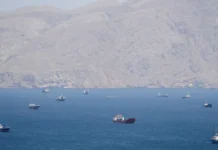
That pungent aroma has become a lot more expensive in recent weeks. The price of jet fuel has risen dramatically on international markets since the start of the conflict in the Middle East. There are now concerns that unless the Strait of Hormuz reopens soon, there could be physical shortages in some areas in the coming months.
Many airlines have already pushed up ticket prices as the cost of flying has increased, and some have trimmed their capacity. Unless extra supplies can be found, a lack of fuel could lead to further disruption and cancellations heading into the peak summer holiday period.
The crisis has exposed just how vulnerable the industry in the UK – Europe’s biggest consumer of jet fuel – is to disruption in the Middle East. So what impact might that have on our summer holidays – and what could be done about it?
The Gulf region produces far more jet fuel than it requires for its own purposes. As a result, under normal circumstances it is a major exporter, accounting for about 20% of the fuel traded on international markets each day. Europe as a whole is a key buyer of that fuel. Due to a lack of refining capacity, it is heavily reliant on imports, more than half of which typically come from the Gulf.
With the Strait of Hormuz having been blocked for the past eight weeks, however, those supplies have not been available, prompting a scramble for fuel produced elsewhere. This has pushed up prices dramatically.