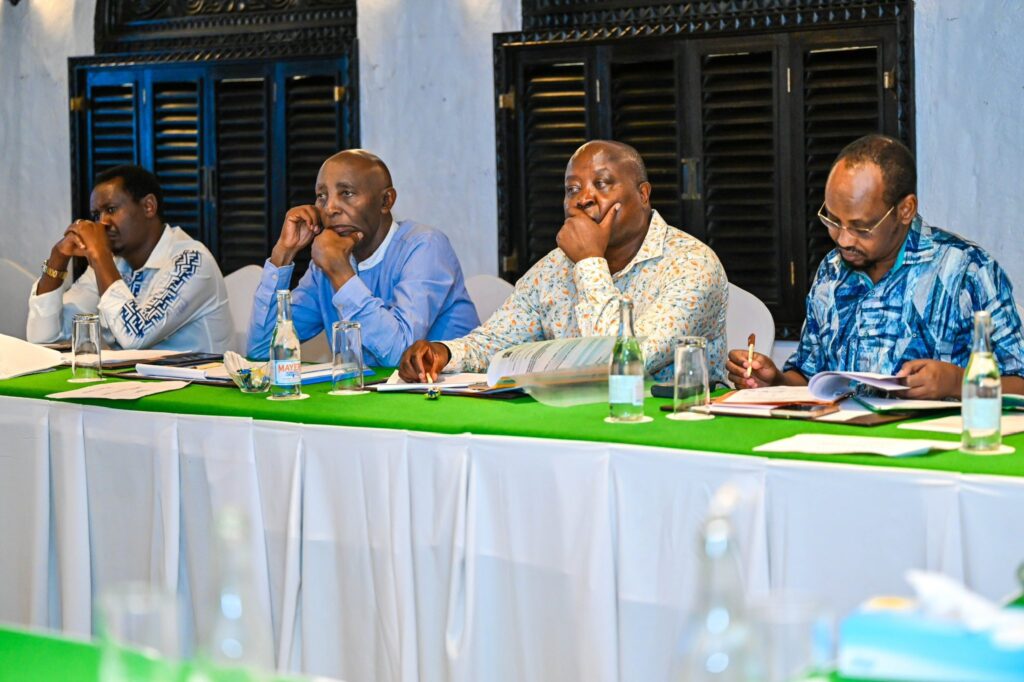
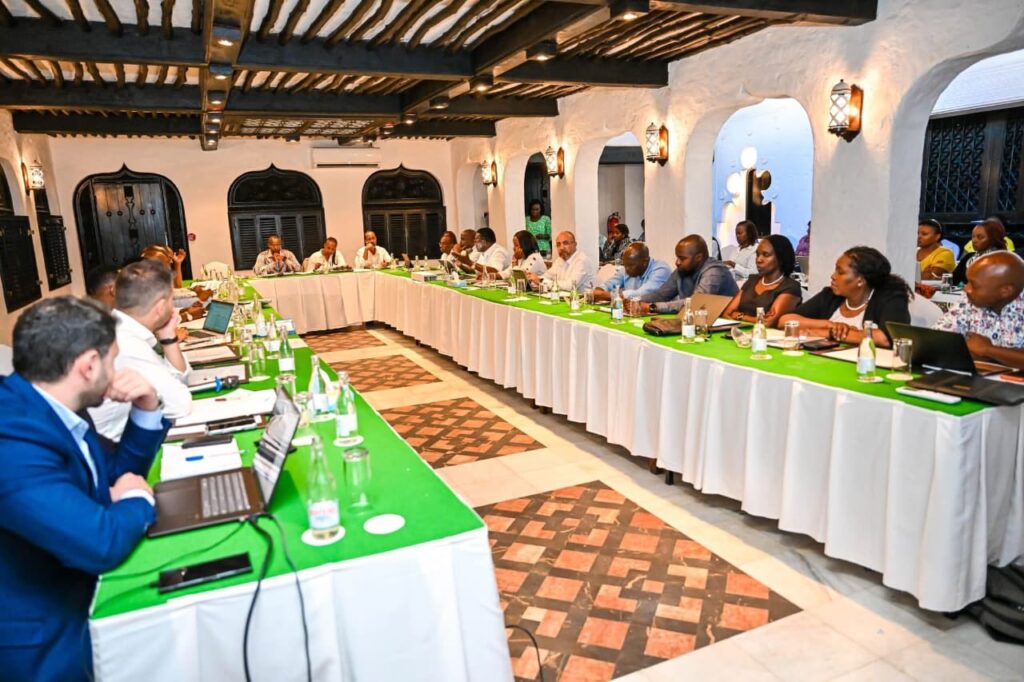
The Departmental Committee on Transport and Infrastructure, chaired by Ndia Member of Parliament Hon. George Kariuki, has held high-level consultative discussions with the Cabinet Secretary for the Ministry of Roads and Transport, Davis Chirchir, to advance Kenya’s aviation development agenda.
The meeting, which also brought together the Principal Secretary for the State Department for Aviation and Aerospace Development, Teresia Mbaika, focused on sector growth, emerging challenges, and strategic opportunities aimed at strengthening and transforming civil aviation in the country.
Central to the deliberations was the proposed masterplan for Jomo Kenyatta International Airport (JKIA), a flagship project expected to redefine the country’s aviation landscape.
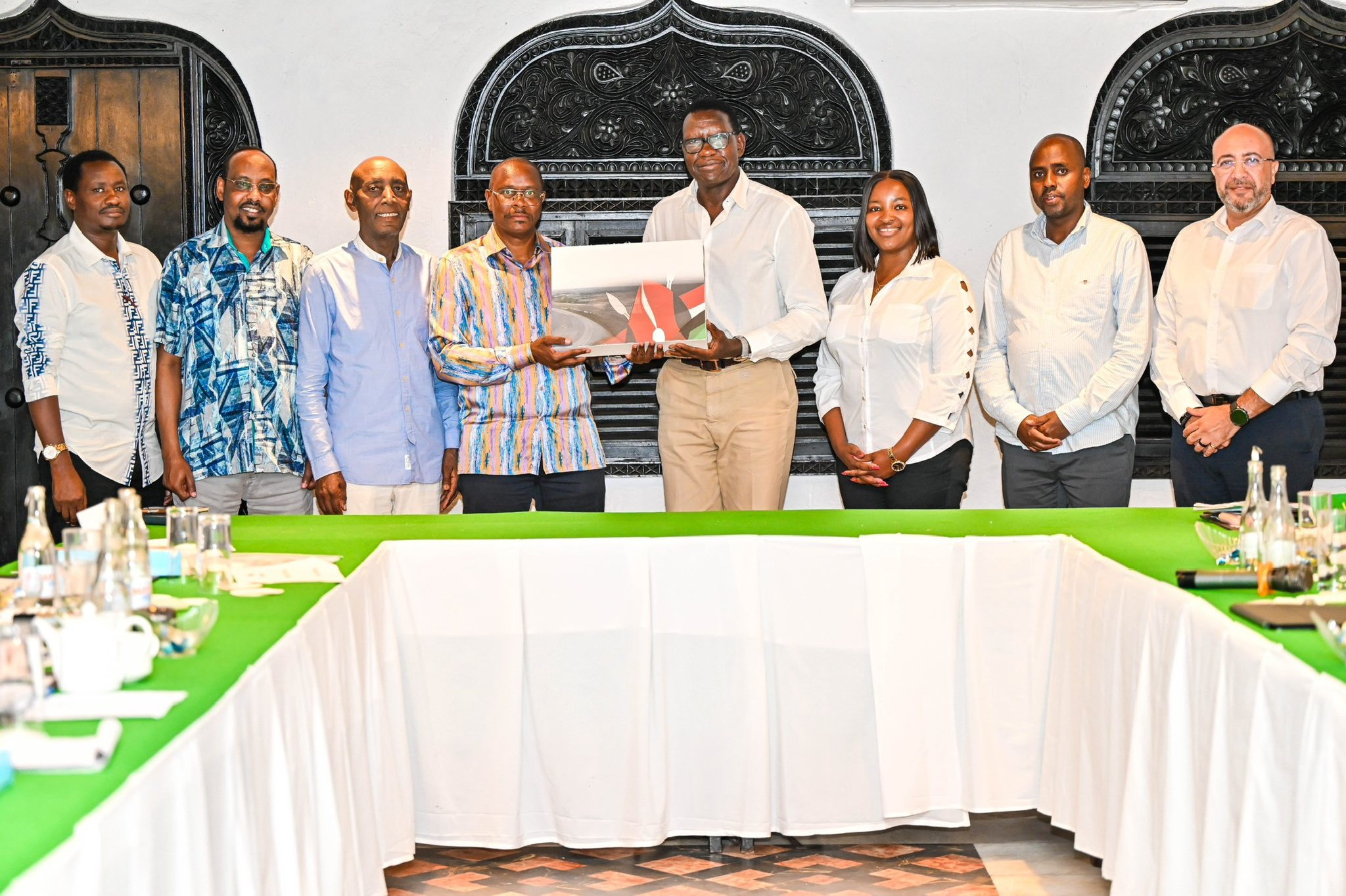
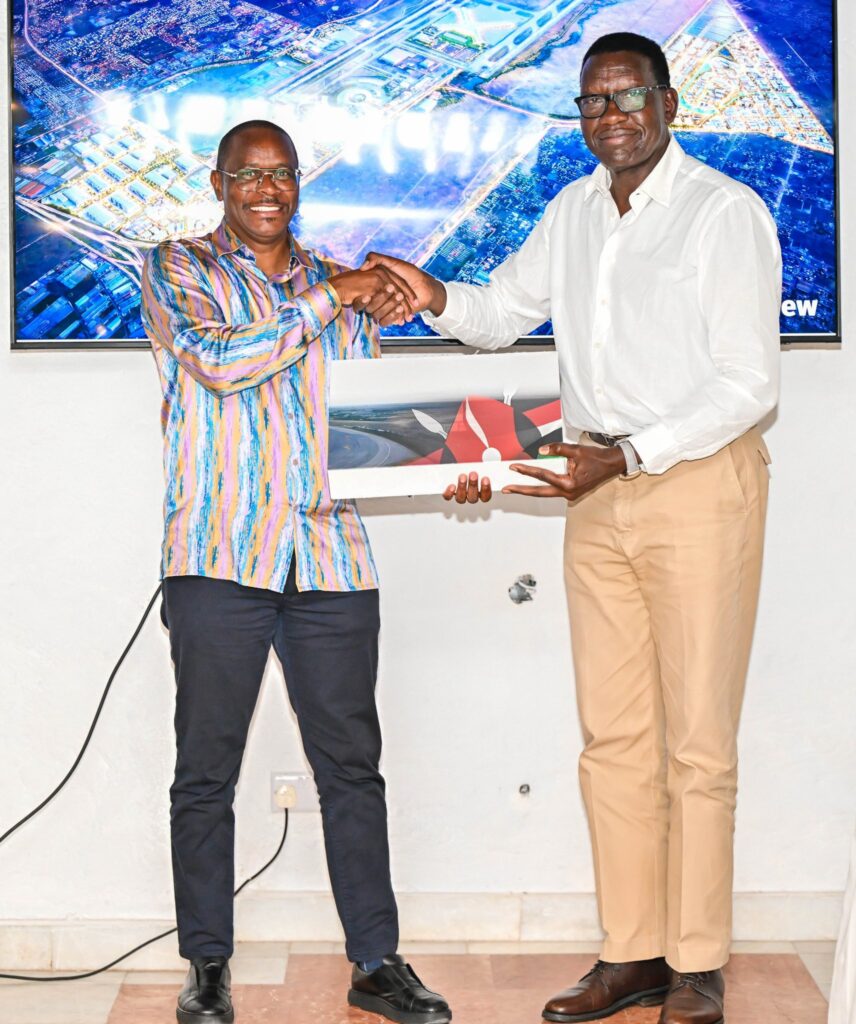
During the session, CS Chirchir presented a copy of the JKIA Masterplan and Optimization Project to the committee, outlining a comprehensive roadmap for the airport’s long-term expansion and modernization.
He emphasized that the project is designed to enhance capacity, improve operational efficiency, and significantly elevate passenger experience.
“ Hon. Members, the groundbreaking for the project is expected in June 2026. Phase I is projected to take approximately 15 months, while Phase II will be implemented over a three-year period”, he noted.
The expansion program will be executed in three phases:
Phase 1 (2026–2027): Immediate upgrades and renovations to the airfield and existing terminals to address capacity constraints and meet demand through 2029.
Phase 2 (2026–2040): Long-term expansion of airside infrastructure and terminal facilities to accommodate projected passenger growth through 2045.
Phase 3: Long-term land safeguarding, additional airside expansion, and integration of landside infrastructure to ensure scalability beyond the current planning horizon.
The masterplan also identifies two strategic land parcels for the development of an Airport City at JKIA. Site 2A, spanning 220 hectares on the western end, will host an integrated Special Economic Zone (SEZ), while Site 2B, covering 482 hectares on the southeastern side, is earmarked for a mixed-use aerotropolis featuring commercial and logistics hubs.
Lawmakers made inquiries into funding options of the project, it’s cost projections and period of repayment.
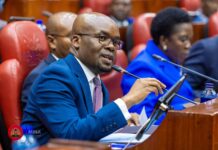
Hon. Samuel Arama asked if public participation has been conducted to ensure all stakeholders are aligned to the project.
“CS Chirchir, there is need to ensure that all the stakeholders in this project are aligned to the project. Has the Ministry considered public participation and stakeholder on the projects?”. Hon. Arama sought to clarify.
On his part, Hon. Ibrahim Saney asked about the environment assessment of such a massive project close to the National park and mitigation put in place, while Hon. John Kiragu advocated for local private sector players to benefit from the project.
CS Chirchir informed lawmakers that the project will be primarily funded through the Air Passenger Service Charge, supplemented by financing from commercial banks and the National Infrastructure Fund.
He added that it has been a continuous engagement with all sector players and that public participation has been done in various stages.
The CS also added that they are looking into both local and international banks for funding and once the ground breaking is done the local private sector will be engaged.
In terms of economic impact, the JKIA Master Plan is expected to generate between 9,520 and 13,080 jobs annually during the first phase of construction between 2026 and 2029. A further 1,460 to 2,000 jobs are projected during the second phase between 2038 and 2040.
Once operational, the expanded airport is expected to support between 7,000 and 10,580 permanent jobs across direct, indirect, and induced employment categories. Additional projections suggest actual employment figures could exceed these estimates.
Beyond the projected USD 2.916 billion investment, operational employment is forecast to contribute between USD 60 million and USD 120 million annually to the economy, representing approximately 0.05 to 0.11 percent of Kenya’s GDP.
Committee Chairperson Hon. Kariuki reiterated Parliament’s commitment to supporting initiatives that enhance infrastructure development and position Kenya as a regional aviation hub.
The Committee is expected to continue engaging stakeholders as the project moves toward implementation.
By Anthony Solly