By Andrew Kariuki
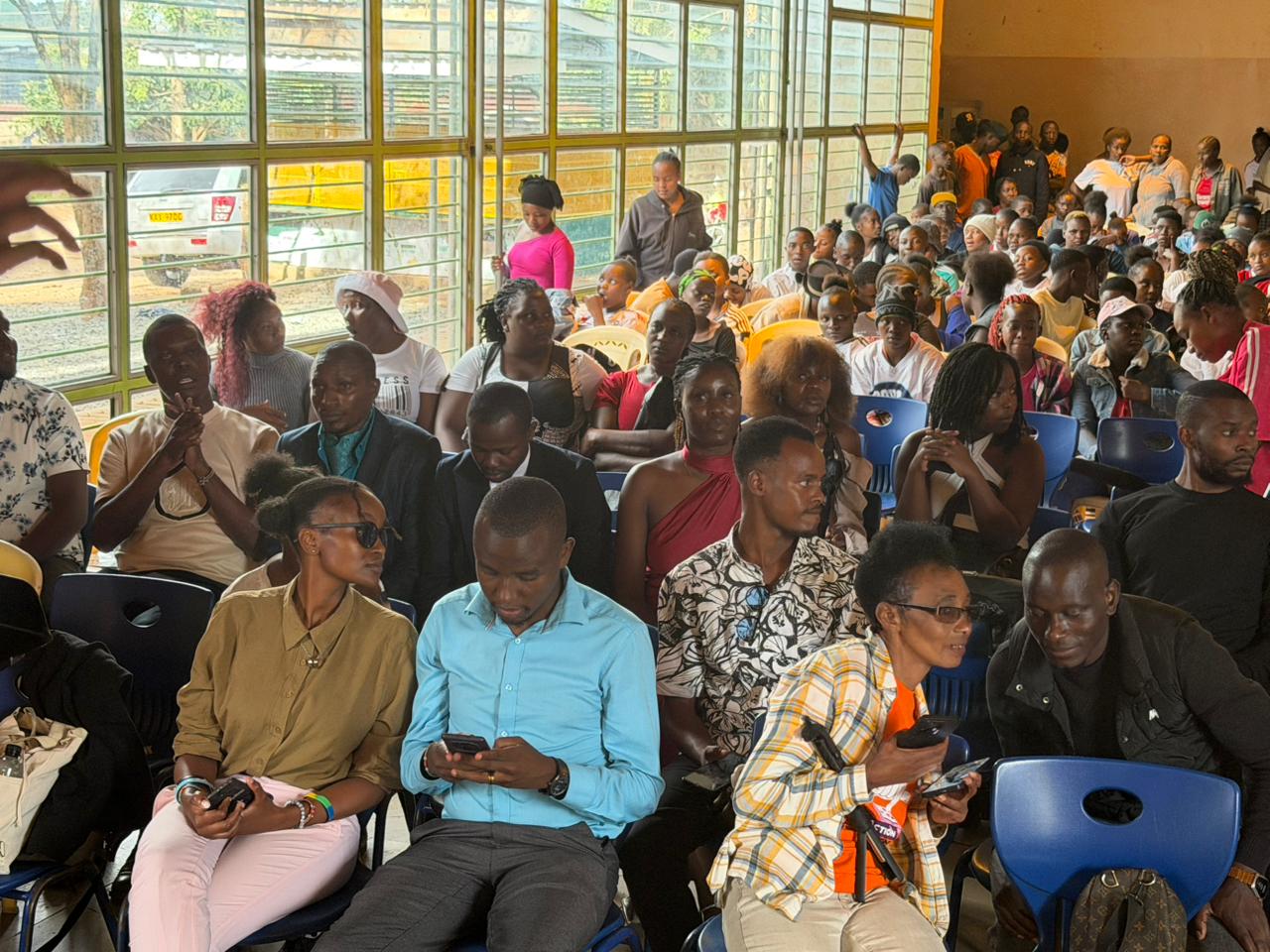
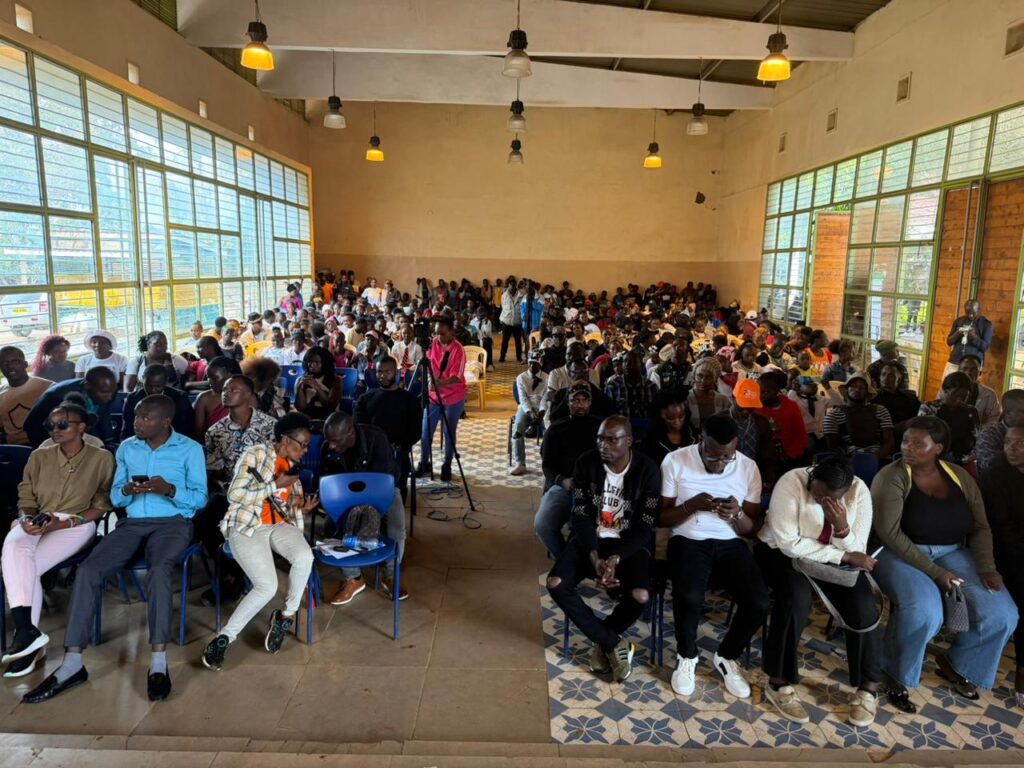
Mtetezi – the Grassroots Economic Justice Movement – has held its first public participation forum in Riruta/Satellite Ward, bringing together young residents to debate Nairobi’s future governance structure amid growing calls for reform.
The forum, held on March 21, 2026, marked the beginning of a wider citizen engagement process aimed at grounding governance proposals in the lived experiences of city residents.

Participants highlighted a range of challenges affecting their daily lives, including flooding, unsafe construction, building collapses, traffic congestion, limited economic opportunities and pressure on essential services. Many noted that these issues point to deeper structural weaknesses in how Nairobi is managed.
A majority of those in attendance, approximately 68% , expressed support for transitioning Nairobi into a Metropolitan Special City. Participants said such a model could improve coordination, strengthen long-term planning, and enhance the city’s ability to respond to complex urban challenges.
An additional 21% supported a hybrid governance model that would retain an elected governor while formalizing closer collaboration with the national government, particularly in infrastructure development, planning and regulation.
A smaller group, about 10%, preferred maintaining the current county structure, citing concerns about increased bureaucracy and the risk of weakening local accountability. They instead called for better enforcement of existing laws and improved efficiency within current systems.
Across the discussions, participants raised concerns over what they described as the over-politicization of Nairobi’s governance, noting that conflicts between the County Executive and Members of the County Assembly often disrupt leadership and slow service delivery.
Despite differing views on governance models, several priorities emerged, including stricter enforcement in the construction sector, improved drainage and urban planning to address flooding, better transport coordination, continuity in development projects and more transparent decision-making processes.
Participants also emphasized the need for meaningful public participation, particularly the inclusion of young people in policy-making and oversight.

Mtetezi said the forum reflects a growing public consensus that reforms are necessary, even as debate continues over the most suitable governance structure for the capital.
The Riruta/Satellite engagement is the first in a series of forums planned across Nairobi, as the movement seeks to incorporate citizen input into ongoing discussions on the city’s future governance.