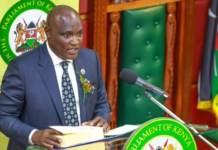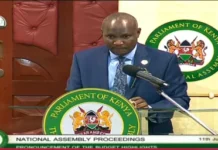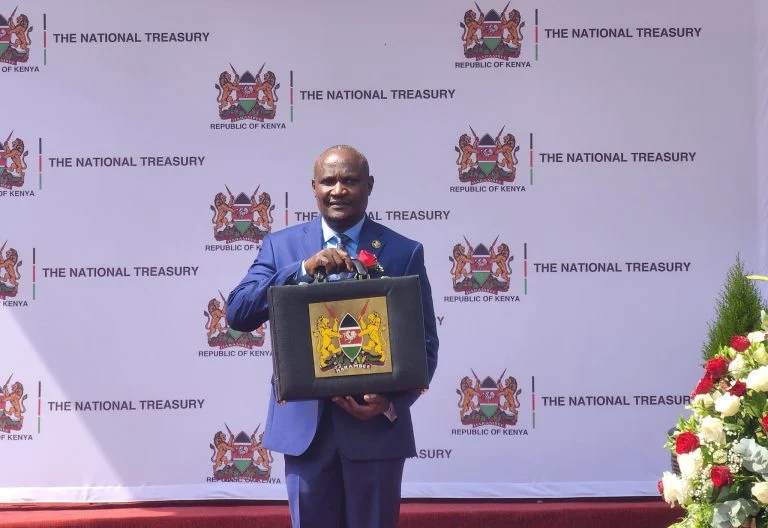
Members of Parliament on Thursday broke into chants of the popular “Jowi Jowi” anthem as Treasury Cabinet Secretary John Mbadi began reading the 2026/27 Budget Statement in the National Assembly.
The chants, associated with supporters of former Prime Minister Raila Odinga, briefly interrupted proceedings and set a lively tone in the House as lawmakers awaited the government’s fiscal plans.
In his opening remarks on Thursday, June 11, 2026, Mbadi linked the budget to the economic aspirations championed by Raila and President William Ruto, saying it was designed to drive Kenya’s transition into a more developed economy.
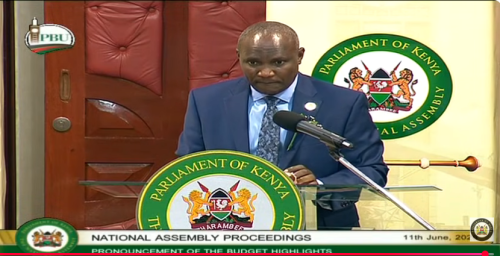
“Mr Speaker, Raila Odinga was a key partner with His Excellency the President Dr William Ruto, in the broad-based arrangement,” Mbadi said.
“This year’s budget captures the ideals of Raila Odinga and President William Ruto, especially on the transformation of our economy from its current status to a more developed nation status, a pass to Canaan through Singapore,” Mbadi added.
The Treasury CS said the budget seeks to accelerate economic growth, create jobs, support businesses and expand investments in key sectors of the economy.
Treasury CS John Mbadi has dismissed claims that the government is overspending. He says the budget reflects public participation and long-term development needs.
Mbadi explained that the budget process began months earlier and involved consultations across counties, including meetings with youth groups, traders, and informal sector workers. He said the government has tried to open up the Treasury to public input.
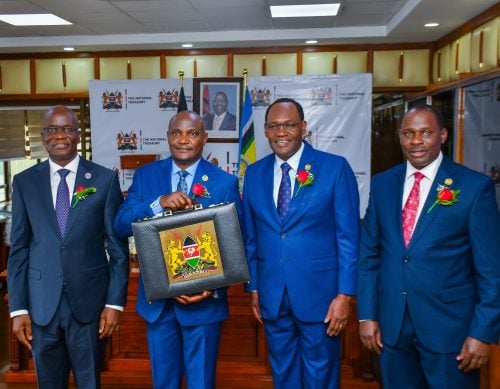
“We are making sure that what is spelt out in law is actually done,” Mbadi said.
He also rejected claims that education is being underfunded, insisting that total allocations have increased and that reforms in staffing and capitation show clear progress.
The debate over the budget goes beyond politics and into real economic impact. A higher deficit means more borrowing, which increases debt servicing costs. These costs reduce the amount of money available for development projects such as roads, hospitals, and schools.
On the other hand, a smaller deficit could reduce pressure on interest rates and improve private sector access to credit. This could support small businesses, agriculture, and manufacturing growth.