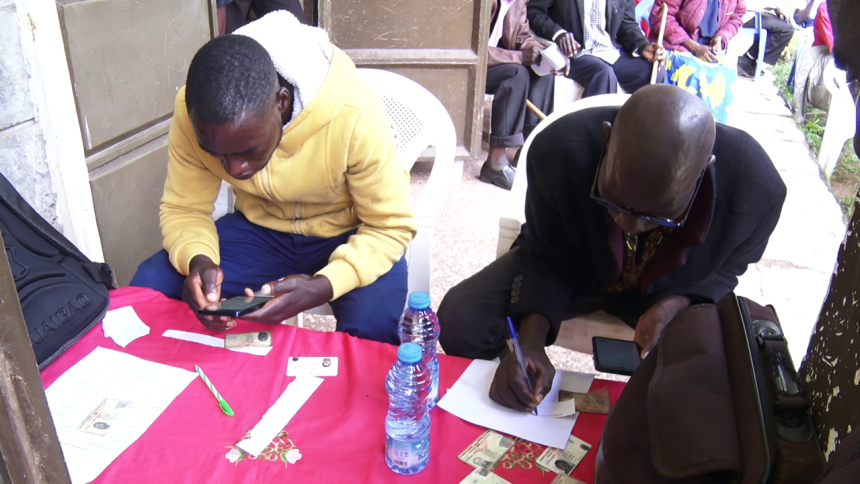
The Association for the Physically Disabled of Kenya (APDK) has launched a wide-reaching outreach program aimed at registering Persons with Disabilities (PWDs) in rural and hard-to-reach areas, making it easier for them to access essential government and partner support services.
Dubbed “Jumuisha”, the three-year project targets over 25,000 PWDs across Kakamega, Nakuru, Kilifi, and Isiolo counties. Implemented in collaboration with the National Council for Persons with Disabilities (NCPWD) and the Christian Blind Mission (CBM), the initiative seeks to streamline the registration and certification process through a one-stop model conducted directly in the villages.
Under this model, individuals undergo disability assessments, registration, and receive disability certificates, generated via the e-Citizen platform, within a single day. This contrasts with the traditional multi-step process, which often took up to two weeks and required multiple visits to distant offices and hospitals.
Speaking during a recent outreach at Mumbetsa County Polytechnic, APDK Programme Officer Elvis Kale emphasized the importance of disability certification for accessing support. “We have heard cases of people who have searched for a disability certificate for years. This project aims to eliminate those barriers using a one-stop shop approach where people leave with their certificates the same day,” he said.
In March, a similar outreach in Likuyani saw 300 PWDs successfully registered and certified in just one day. Kale added that many PWDs in rural areas remain unregistered due to stigma and lack of awareness, challenges the project is actively addressing through sensitization campaigns.
CBM representative Victor Otieno highlighted the value of accurate data in delivering effective support. “Disability assessments and registration allow us to plan targeted interventions. Many still lack basic assistive devices, and we welcome support from partners and county governments to help bridge these gaps,” he noted.
NCPWD Kakamega County Coordinator Priscah Akoth stressed that registration is essential for national planning and policy development. “We’re now using the e-Citizen portal, which has simplified registration. Once a person has an assessment report and a passport photo, they can upload their documents and get certified without delays,” she explained.
Faith Owuor, the County Rehabilitation Coordinator and disability mainstreaming focal person, urged more stakeholders to join the initiative. “We’ve had gaps due to limited personnel, but these mobile outreaches allow us to cover more ground and reach more PWDs across the county,” she said.
Beyond the four pilot counties, APDK has also supported registration efforts in 33 other counties by equipping NCPWD teams with tools and devices, furthering the organization’s commitment to inclusive development and equal access for all Kenyans living with disabilities.
Written By Rodney Mbua