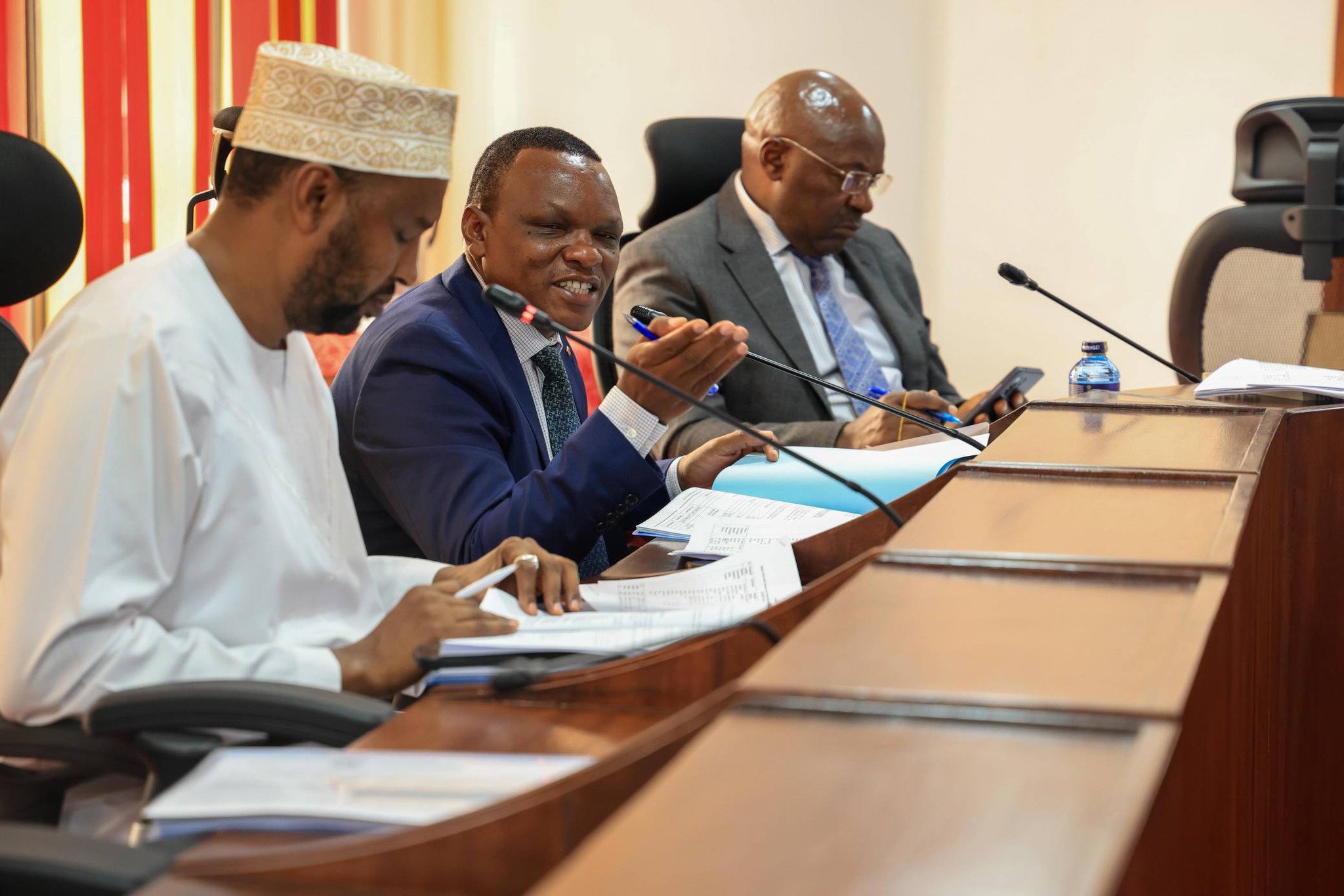
The National Assembly’s Public Investments Committee on Social Services, Administration and Agriculture (PIC-SSAA), in a session chaired by the Vice-Chairperson Hon. Caleb Amisi held meetings with the management of three state agencies—the Kenya Broadcasting Corporation (KBC), the Public Benefit Organizations (PBO) Regulatory Authority, and the National Syndemic Diseases Control Council (NSDCC) on audit queries running into billions of shillings for the 2024/2025 financial year.
The meeting with KBC ended abruptly after management failed to present coherent documentation to address multiple audit concerns. The Vice Chairperson expressed frustration with the “haphazard” submissions, ruling that the session could not proceed meaningfully.
“We may not gather anything substantive to present before Parliament,” he stated, directing KBC to return with properly organised responses.
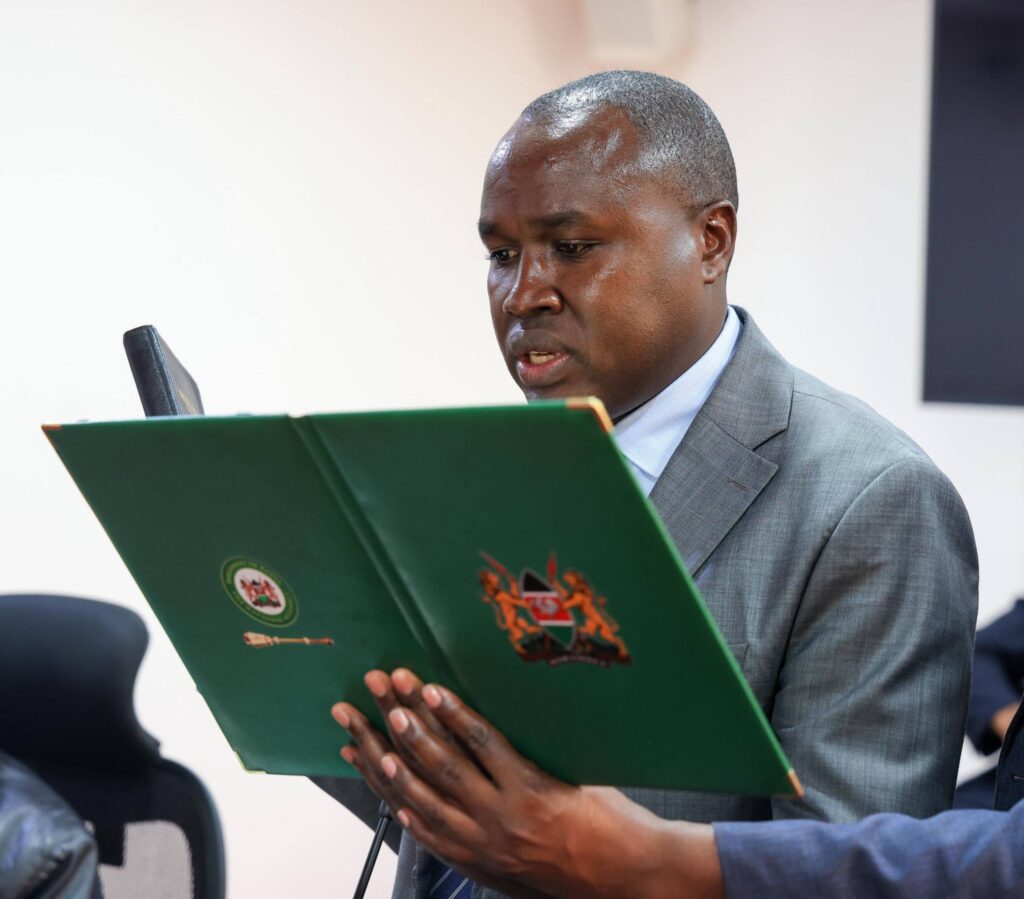
At the centre of scrutiny is a legal dispute in which Channel 2 Group Corporation is demanding approximately Ksh 353 billion from the broadcaster. Lawmakers questioned the independence of KBC’s Board Chairperson, who was reportedly part of Channel 2’s management when the case was initiated. However, KBC CEO Agnes K. Nguna defended the Chairperson, noting he exited the company in 2007 and is listed as a defence witness.
“You are staying without cover, you know the risk,” the Vice Chairperson added, referring to KBC’s failure to insure its assets after CIC General Insurance declined to renew cover due to unpaid premiums.
The committee also flagged discrepancies in asset valuation, a Ksh 35.7 million solar tender awarded without a budgetary provision, and continued non-compliance with the Integrated Financial Management Information System (IFMIS).
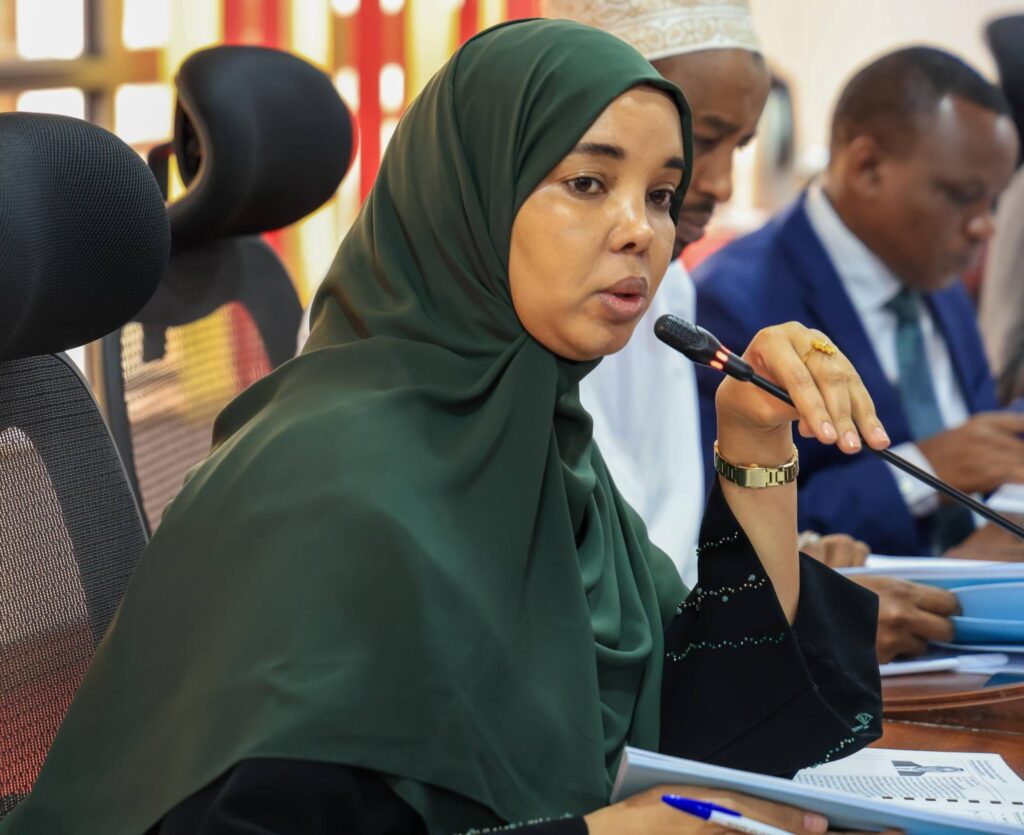
At the PBO Regulatory Authority, CEO Dr. Laxmana P. Kiptoo faced questions over a severe staffing deficit, with only 58 employees against an approved 207 positions.
“With a 75 per cent deficit in employment, how do you manage to do your work?” posed Hon. Ahmed Hassan.
Dr. Kiptoo attributed the gap to delayed approvals from the National Treasury but noted improvements, with staffing now at 104. He also admitted the Authority’s Ksh 21 million ERP system—donated by UNDP Kenya—has been inactive since August 2023 due to lack of a service agreement following budget cuts.
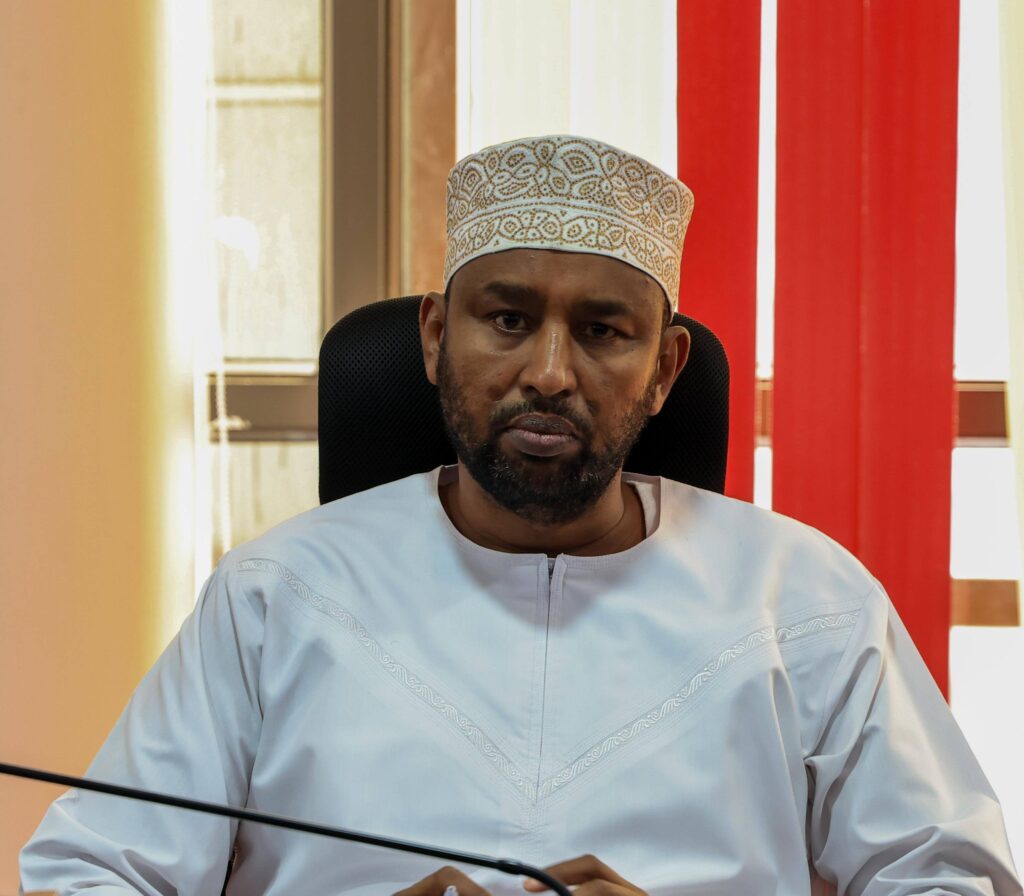
“We deferred maintenance due to financial constraints, but we are working to re-engineer the system,” he explained.
Meanwhile, the NSDCC came under pressure over under-utilisation of Ksh 257 million and Ksh 81.5 million in long-standing doubtful debts. Acting CEO Douglas Bosire attributed the under-absorption to a government restructuring directive and a moratorium on new projects.
“Our hands were tied by policy decisions beyond management control,” he said.
On the stalled Ksh 100 million ‘Misha Plaza’ project, Bosire cited delays linked to restructuring, while acknowledging efforts to secure land through a partnership with Kenyatta National Hospital.
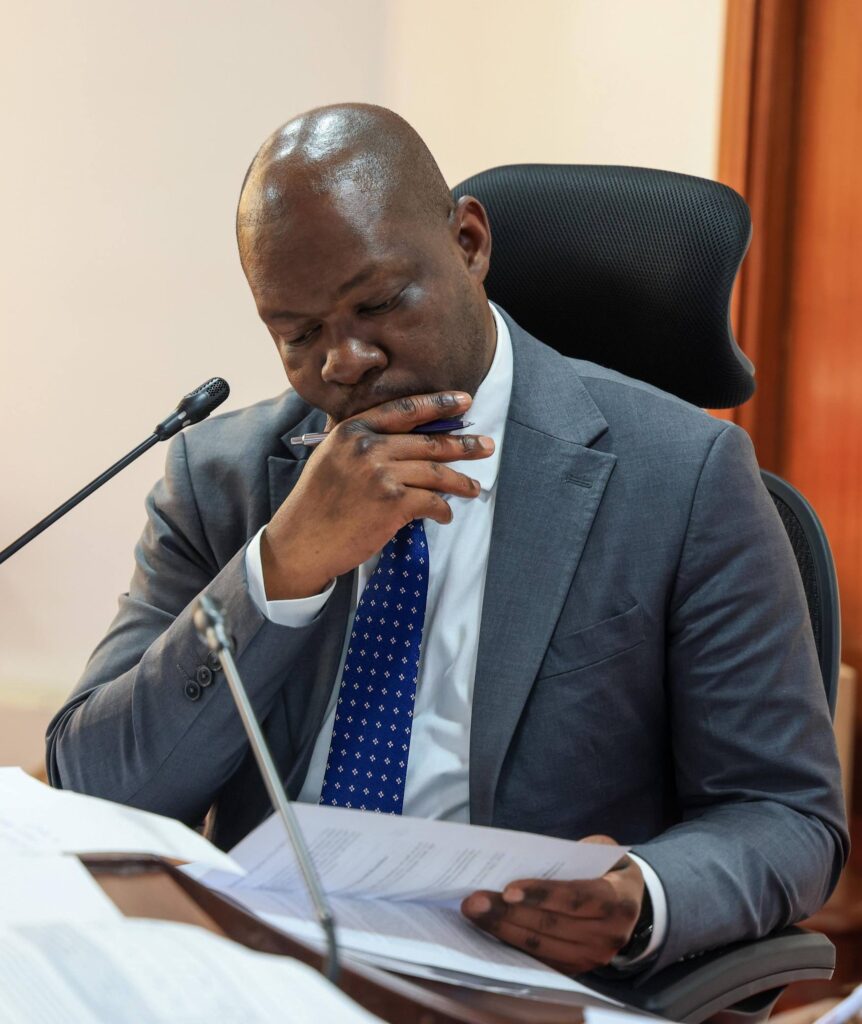
The committee also raised concerns about leadership instability, with several key positions held in acting capacity. However, members welcomed progress in HIV response efforts, noting a decline in new infections from 94,000 in 2005 to 19,900 in 2024. The council also highlighted the rollout of Lenacapavir, a long-acting HIV prevention drug.
Closing the session, Hon. Amisi urged the NSDCC to shed its past image and uphold accountability.
“This institution must move away from the perception of being a cash cow and demonstrate prudent use of public resources,” Hon. Amisi warned.