By Andrew Kariuki
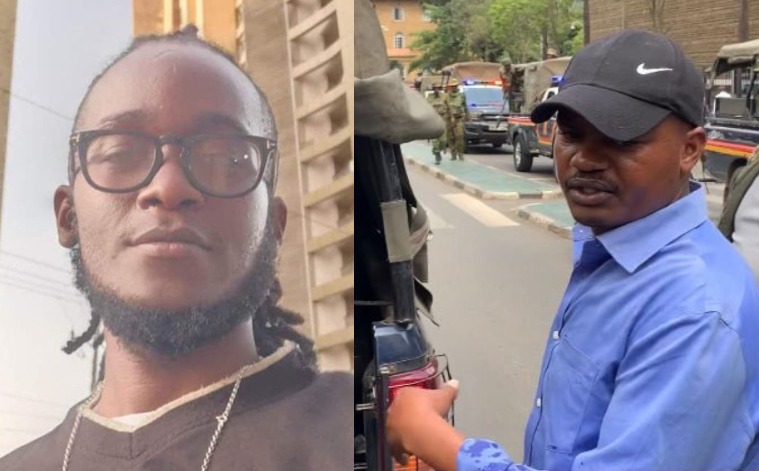
The inquest into the killing of anti-Finance Bill protester Rex Masai took a dramatic turn on Thursday after an Independent Policing Oversight Authority, (IPOA), investigator placed police officer Isaiah Murangiri at the scene of the fatal shooting, confirmed through forensic evidence that blood recovered from the scene belonged to Masai and accused police officers of providing misleading and contradictory information to investigators.
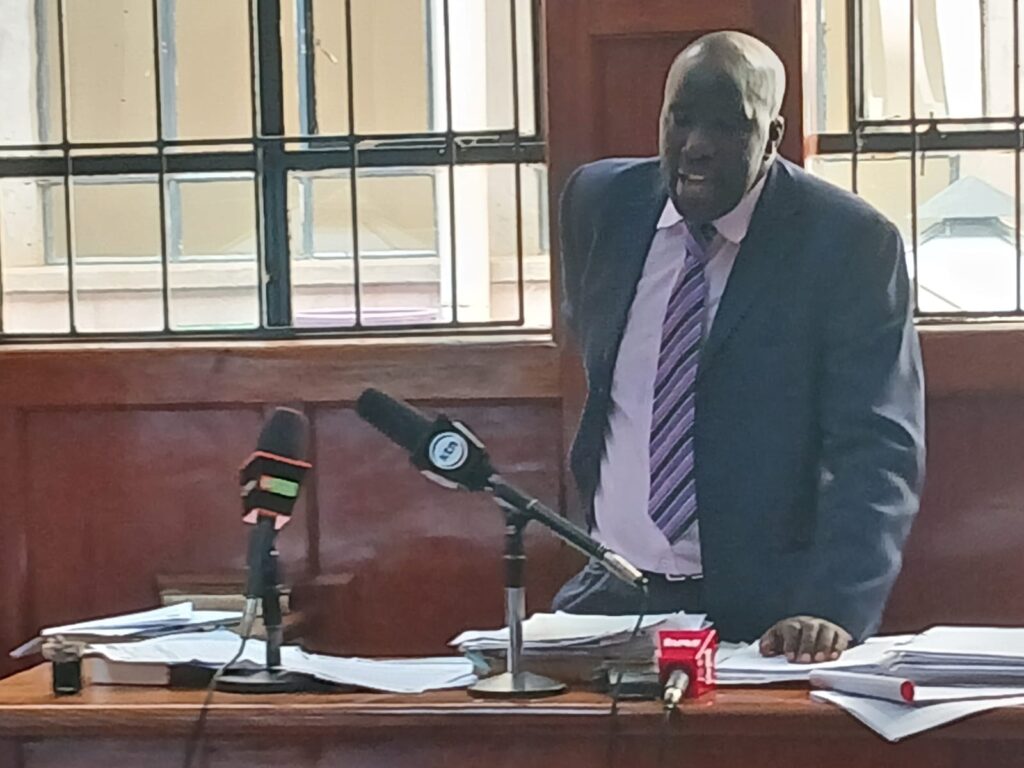
Testifying before Milimani Magistrate Geoffrey Onsarigo, IPOA Principal Investigating Officer Justin Nyatete detailed what he described as major inconsistencies, missing police records and alleged obstruction that frustrated investigations into the June 20, 2024 shooting of the 29 year old protester in Nairobi’s Central Business District.
Nyatete, the final prosecution witness in the inquest, told the court that forensic investigations linked blood samples collected at the scene near International House and Absa Bank to Rex Masai through DNA analysis.
The officer explained that shortly after Masai’s postmortem at City Mortuary, investigators revisited the scene where the deceased had collapsed and collected blood stains for forensic examination.
“The results confirmed that the blood samples collected from the scene matched those taken from Rex Masai’s body,” Nyatete told the court, effectively placing Masai at the exact location where witnesses said gunfire erupted as protesters dispersed.
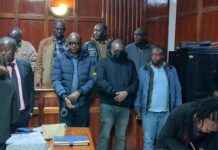
In what appeared to be a major evidentiary breakthrough, the investigator also told the court that IPOA established that police officer Isaiah Murangiri was present at the scene where demonstrators were being pursued by armed men dressed in civilian clothes.
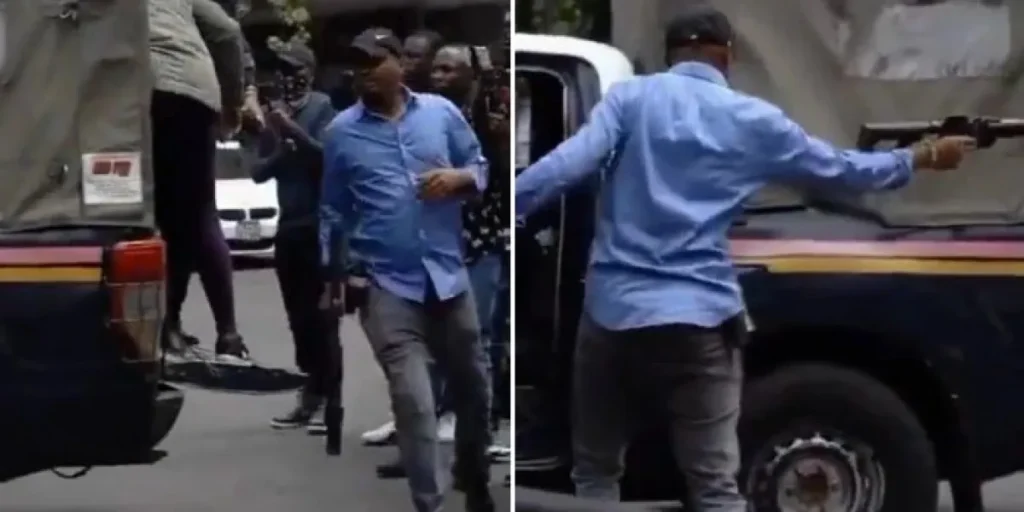
Nyatete testified that CCTV footage obtained from an Absa Bank branch, photographs taken by a protected journalist witness and accounts from witnesses placed an armed plainclothes officer among demonstrators moments before Masai was shot.
According to the investigator, the officer seen in the footage was dressed in white sports shoes, dark blue trousers, a dark shirt and cap, and was seen aiming a weapon toward fleeing demonstrators.
He told the court that IPOA investigators matched the individual captured in photographs and videos to officer Isaiah Murangiri based on physical appearance, clothing and a distinctive facial birthmark.
“The individual seen in still photographs and footage resembles officer Isaiah Murangiri who appeared before this court,” Nyatete testified, adding that the officer had also been identified by witnesses tracking events during the demonstrations.
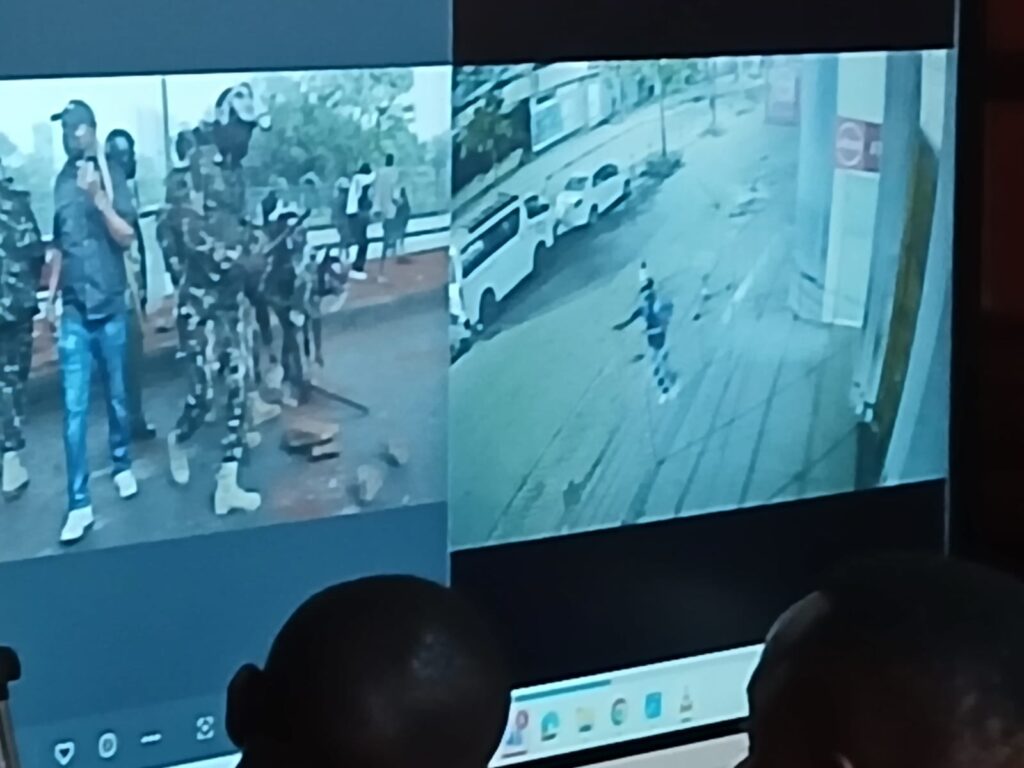
Nyatete further accused Murangiri of misleading investigators after allegedly giving IPOA a mobile number that belonged to another individual while stating that he had remained stationed at the Kenyatta International Convention Centre (KICC) throughout the demonstrations after being furnished with a teargas launcher and deployed to the said location.
However, Safaricom data analysis presented before court allegedly placed the officer in areas including Windsor House, Development House, Wakulima Market and Wabera Street — locations where witnesses reported armed men chasing demonstrators.
“The officer decided to mislead investigations by giving misleading information,” Nyatete testified.
The IPOA officer also faulted senior police leadership naming even for allegedly frustrating investigations, telling court that police failed to provide operation orders, deployment schedules, arms movement records and occurrence book extracts despite repeated requests and court orders.
Nyatete particularly questioned a letter from Deputy Inspector General Eliud Lagat claiming the protests were spontaneous and lacked prior planning, saying it contradicted statements from Kamukunji Sub-County Police Commander Doris Mugambi, who allegedly confirmed officers had been briefed at KICC at 5am before deployment.
“I wonder why they would brief officers and at the same time say the protests were spontaneous. That does not add up,” Nyatete told court.
Although IPOA relied on witness accounts, CCTV footage and ballistic analysis, the investigator admitted detectives were unable to recover the fatal bullet or conclusively identify the firearm used to kill Masai, saying the projectile exited the body and police cooperation remained limited.
The inquest will continue on June 15, 2026.