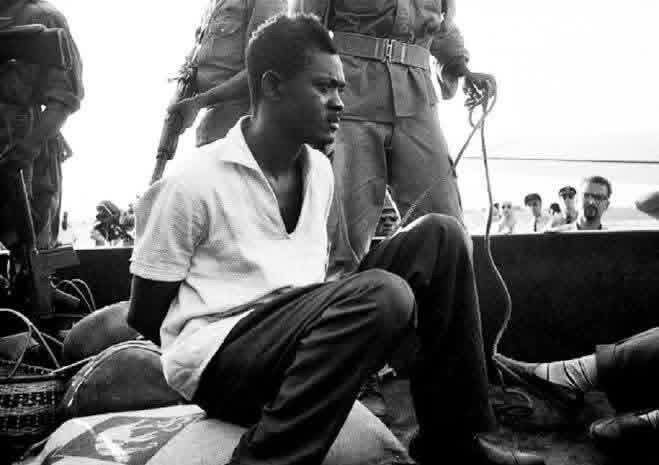
The word was watching with horror when the images of Lumumba lasts days appeared. They revealed a leader broken in body but unyielding in spirit, a man whose final hours would come to symbolize both the promise and the tragedy of Congo’s independence. Patrice Lumumba, the country’s first democratically elected prime minister, had become the focal point of a fierce internal struggle and an international Cold War confrontation only months after independence from Belgium in June 1960. His calls for genuine sovereignty and control over Congo’s vast natural resources earned him mass support at home and powerful enemies abroad.
By late 1960, Lumumba had been dismissed from office, placed under house arrest, and relentlessly pursued by political rivals backed by foreign interests. In early December, while attempting to reach supporters in Stanleyville, he was captured, beaten, and imprisoned. For weeks his fate remained uncertain, as rumors circulated and tensions mounted across the Congo and beyond. The United Nations, present in the country under a peacekeeping mandate, proved unable or unwilling to prevent what would follow.

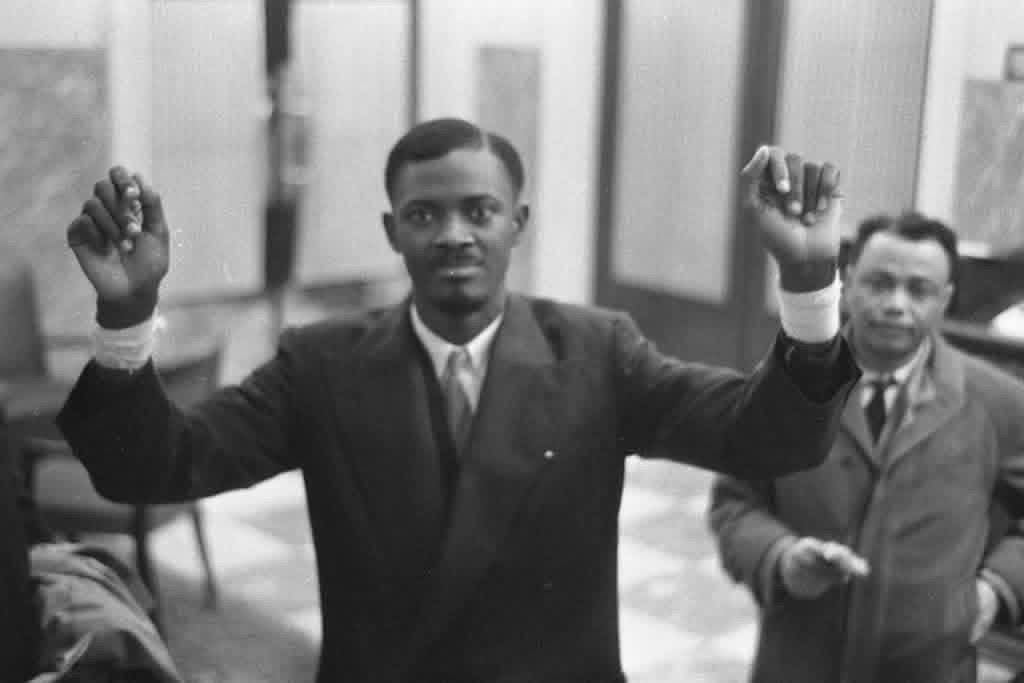
On 17 January 1961, Lumumba was put on a plane and flown to Katanga, the breakaway province ruled by Moïse Tshombe and sustained by Belgian political and military support. The transfer was widely understood, even at the time, as a calculated move to eliminate him. Upon arrival, Lumumba and his companions, Maurice Mpolo and Joseph Okito, were subjected to hours of savage torture and humiliation. He was beaten, mocked, and forced to endure deliberate degradation intended to strip him of dignity and authority. Despite the physical destruction inflicted on him, witnesses later recalled that Lumumba remained calm, refusing to beg for mercy or renounce his beliefs.
As darkness fell, the three prisoners were driven to a secluded site outside Elisabethville. There, away from public view and under the supervision of Katangese officials and Belgian officers, they were executed by firing squad. The killings were carried out quickly, but the effort to erase their traces would continue through the night. The bodies were buried, exhumed, and ultimately destroyed, an act meant to deny Lumumba even the permanence of a grave.
For weeks after his death, Congolese authorities issued false statements and denials, while the truth slowly emerged through leaks and eyewitness accounts. When confirmation finally reached the outside world, it sparked outrage on a global scale. Demonstrations erupted from Accra to New York, from Moscow to Paris. Lumumba was hailed as a martyr of African liberation, a leader killed because he dared to challenge colonial power structures and assert true independence.
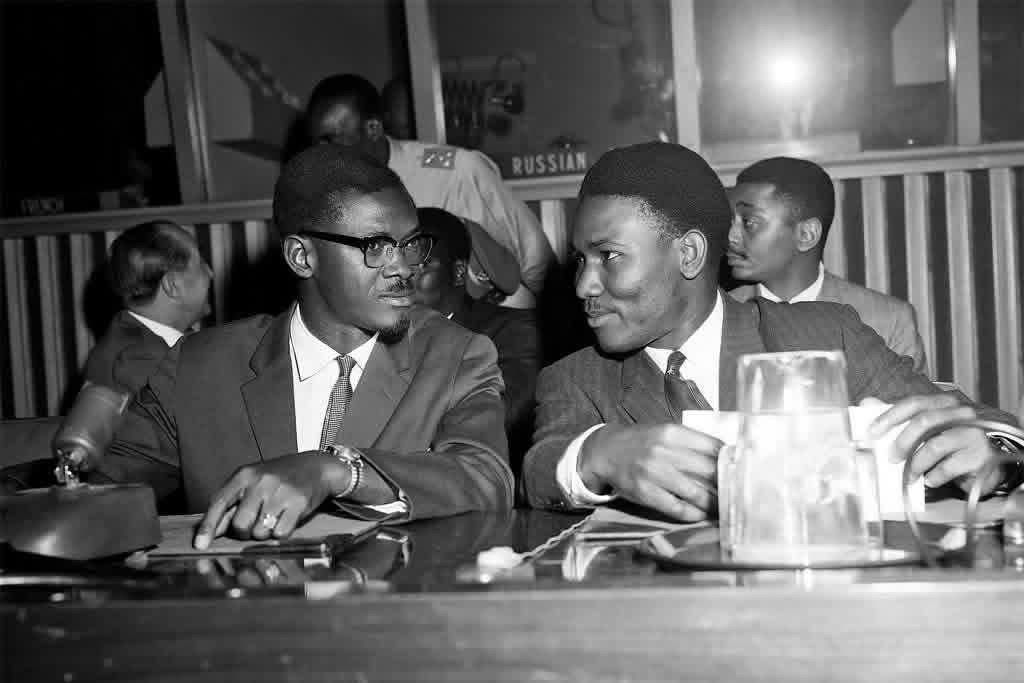
In the decades that followed, investigations revealed the depth of foreign involvement in Lumumba’s overthrow and murder. Belgium formally acknowledged its moral responsibility, while the role of other international actors remained the subject of continued debate. In Congo and across Africa, Lumumba’s final days became inseparable from his legacy: a stark reminder of the costs of independence and a lasting symbol of resistance, dignity, and unfulfilled hope.