







By Andrew Kariuki
Kajiado County Government officials are facing possible committal to civil jail after appearing before the Milimani High Court in a long-running dispute involving a multi-billion shilling decree owed to Kilimanjaro Safari Club Limited.
The case, heard by William Musyoka, arises from judicial review proceedings filed in 2014, with the underlying claim dating back to 2009.
The court had issued a notice requiring the county administration to show cause why enforcement measures, including civil jail, should not be applied over failure to settle the decretal amount.
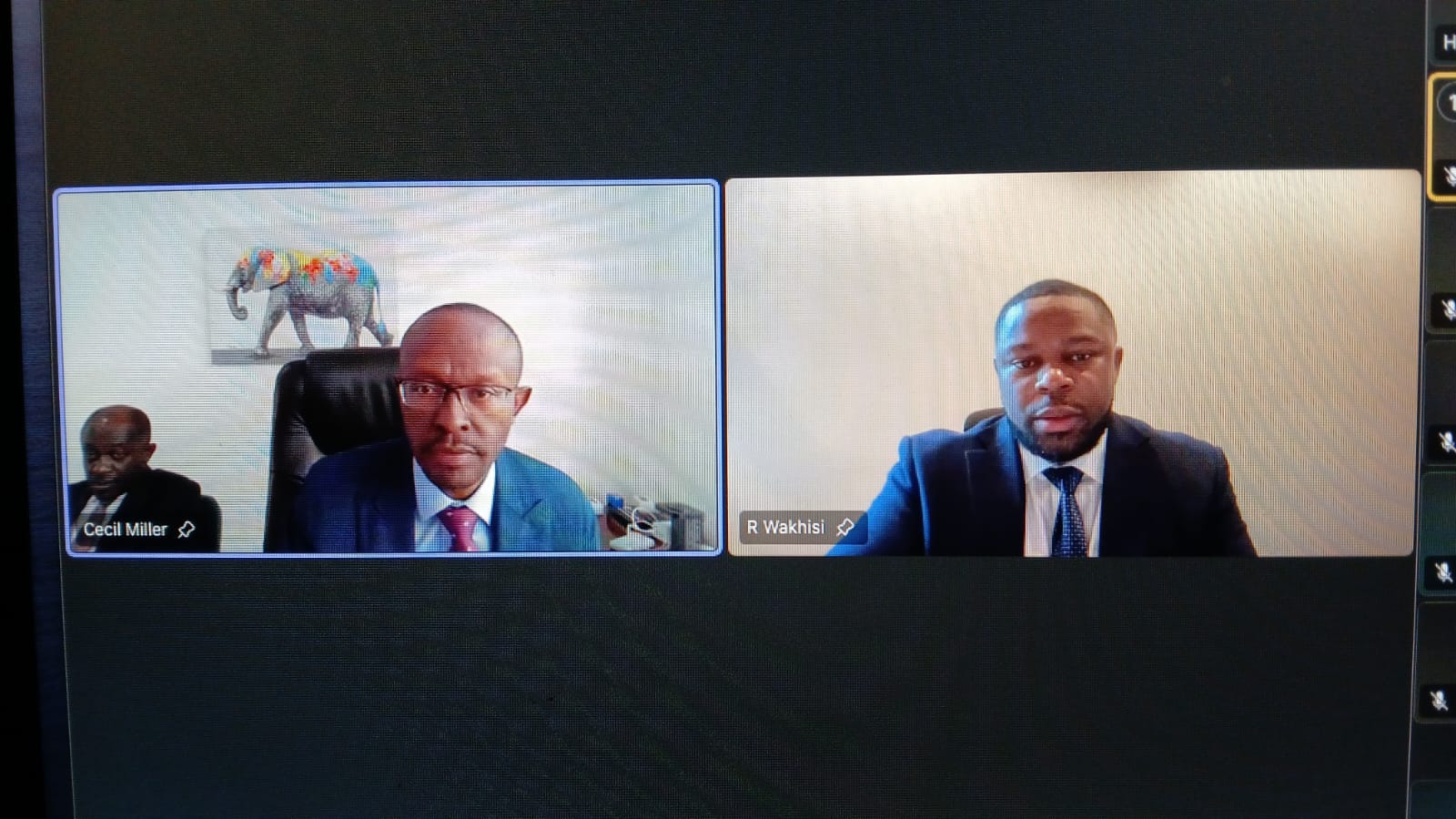
Senior Counsel Cecil Miller, representing Kajiado County, told the court that the county had not declined to pay the debt but was addressing the obligation within legal and administrative processes.
“My lord… the county of Kajiado has not refused to make payments,” Miller submitted, emphasizing that the matter was procedural rather than a refusal to comply. He added that payments had already been made, noting that over Ksh100 million had been settled so far, with the county continuing to allocate funds towards clearing the balance.
Miller also challenged the contempt proceedings, arguing that the application targets the wrong officials. He cited Section 103(3) of the Public Finance Management Act, stating that responsibility for settling such payments lies with the County Executive Committee Member for Finance, not other county officers.
“There’s a clear statutory duty… and it does not lie with the county secretary or county attorney,” he told the court.
He warned that proceeding against individuals who were neither responsible for county finances nor previously found in contempt would be legally flawed.
“The court risks proceeding against persons who have not been found in contempt,” Miller added, urging the court to address the issue of proper parties before moving to enforcement.
Miller further argued that earlier court decisions had identified a specific individual in relation to contempt findings, and that any further proceedings should follow that legal path, noting that contempt is personal in nature.
On the other hand, Advocate Brian Mbula, appearing for the ex parte applicant, maintained that the decretal sum remains unpaid despite years of litigation.
“The decretal sum… has not been paid… even to date,” Mbula told the court, arguing that continued non-compliance justifies enforcement action.
He further submitted that parties alleged to be in contempt should not be heard by the court until they comply with existing orders.
The dispute, now valued at over Ksh1.2 billion, has spanned more than a decade and raises broader questions about enforcement of court decrees against county governments and the identification of accountable officials.
The court is expected to deliver its ruling on May 8, 2026.