Sponsored Ad

Ad 1
Ad 2
Ad 3
Ad 4
Ad 5
Ad 6
27.3 C
Kenya
Saturday, May 9, 2026
Home Blog Page 256

MPs Say no to the De-Gazettement of Selected Public Forests as NLC and Ministry of Environment Differ on its Approval

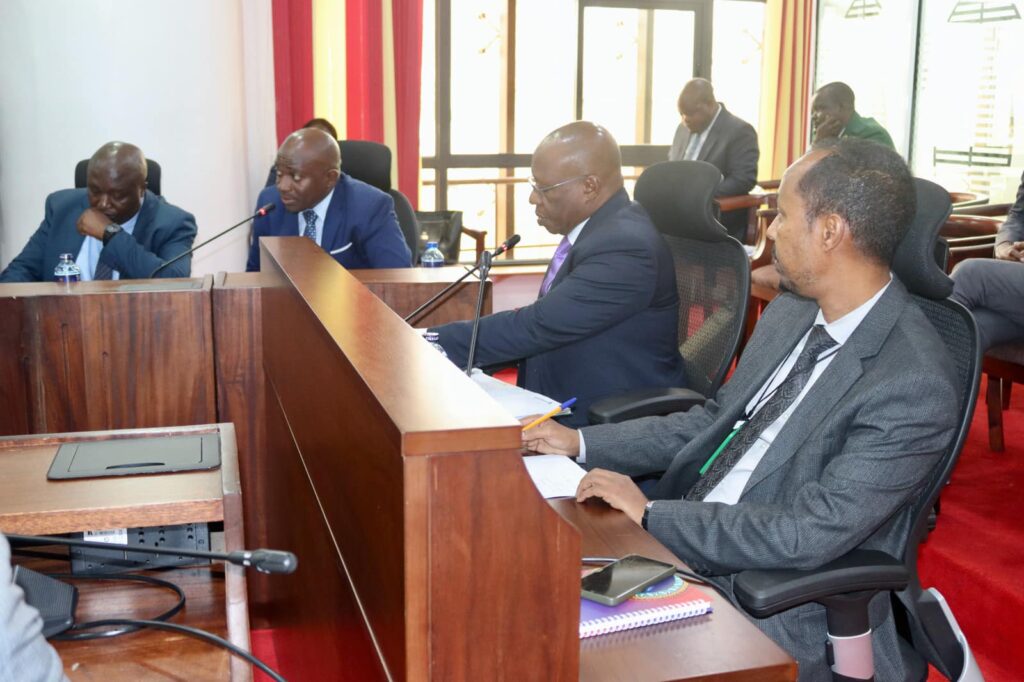
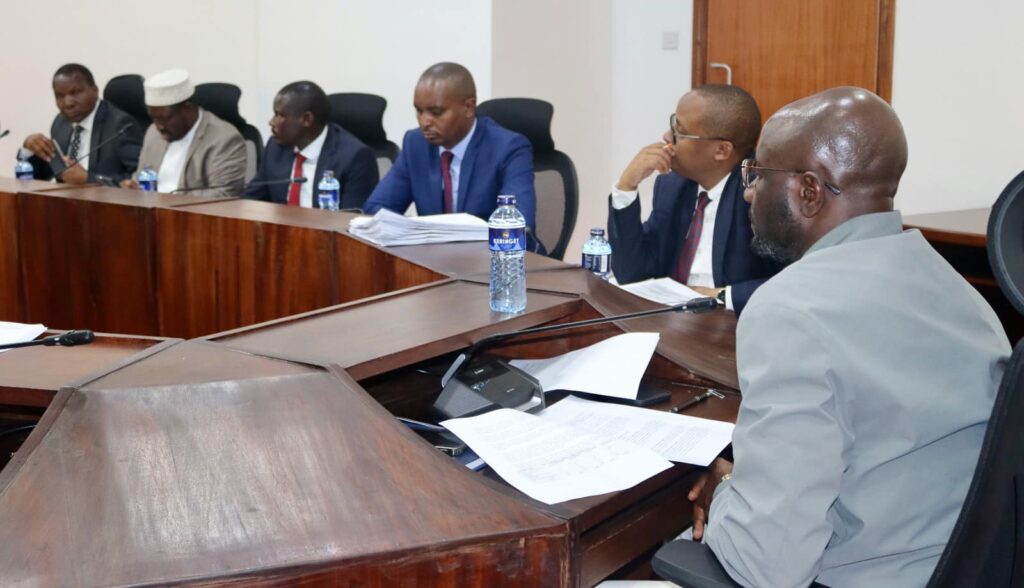
The proposed de-gazettement of public forest land in Turbo (Maanzini Block), Mt. Elgon (Chebyuk Settlement Scheme), and Shiru/Shiviringa in Kakamega Forest is facing resistance after the National Assembly’s Departmental Committee on Environment, Forestry, and Mining raised concerns, demanding to know the motive behind the plan.

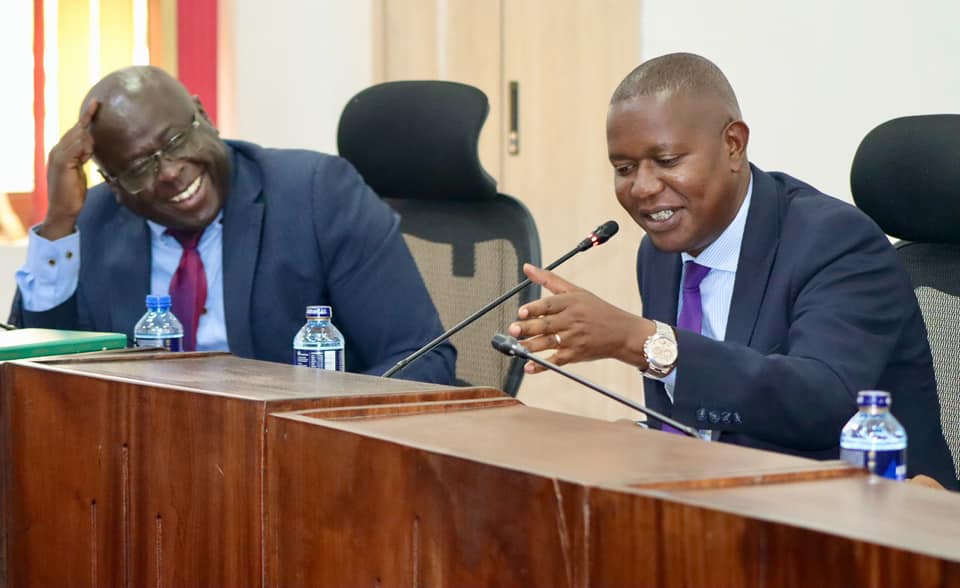
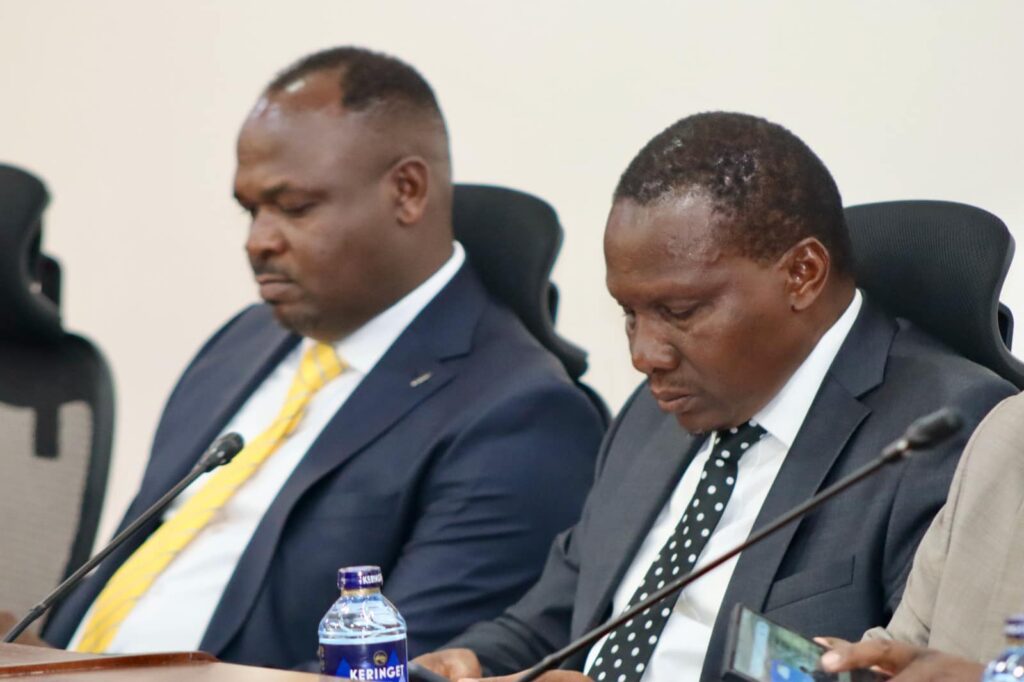
In a meeting held today between the lawmakers, the National Lands Commission and the Ministry of Environment, Climate Change and Forestry, the MPs led by Hon. Vincent Musyoka, Committee Chairperson raised concerns about the intended de-gazettement of the said land measuring approximately 6,708 hectares. They cited concerns over environmental impact, the government’s tree-planting initiative and the efforts on wildlife conservation.

Hon. Charity Kathambi, MP Njoro questioned why the Government through the Ministry of Environment, Climate Change and Forestry was pushing the agenda at a time when Kenya was struggling to actualize the 15 billion tree planting projects spearheaded by H.E. the President. Similar sentiments were shared by Hon. Leo Wamuthende, MP Mbeere North and Hon. Joseph Emathe, MP Turkana Central.
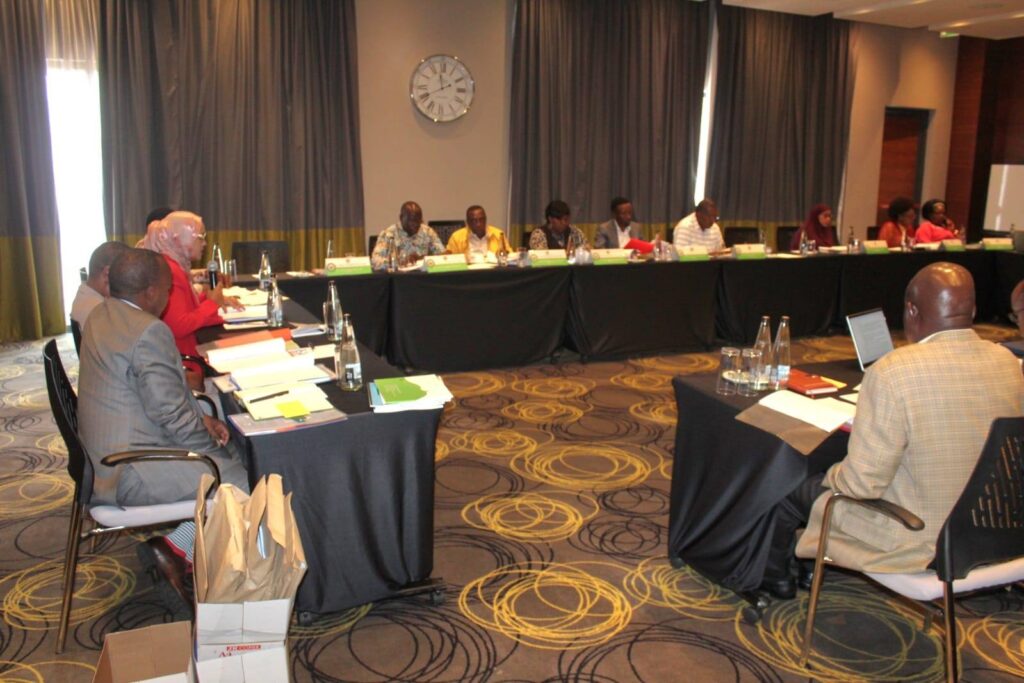
“We are not for this de-gazettement, de-gazettement will increase speculation, people will go for this land and this will affect the biodiversity and the animal species living in these forests. One of our roles as Parliament is to protect the constitution”, said Hon. Wamuthende.

“The National Lands Commission in their report have warned us saying that if we allow this de-gazettement, we shall be opening a pandorus box and the same will be extended to the Abadares, Mau and other forests, this will endanger our water towers, just like the National Lands Commission said, we must protect our forests”, said Hon. Emathe.

The National Lands Commission in their document said that the Kenya Forest Service (KFS) Board had approved the de-gazettement without involving them. The CEO of the National Lands Commission Ms. Kabale Tache Arero said that it was only the National Lands Commission that was mandated to protect public land and not the Ministry. “KFS Board gave consent but never consulted the National Lands Commission. Consequently we have never visited the said areas”.
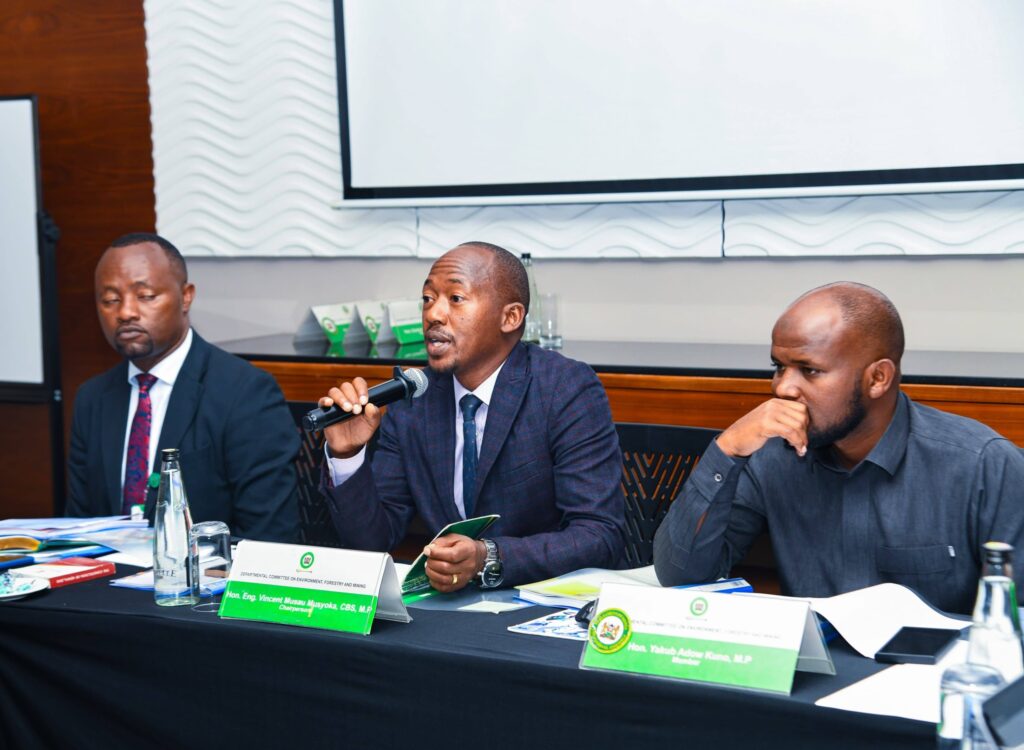
However, the PS in the State Department for Forestry Mr. Gitonga Mugambi informed the Committee that the three forests have already been encroached for settlement and the Government intends to stop further encroachment, set up clear boundaries and fence the forest land.

“In Kakamega, the Shiru/Shiviringa forest land has people residing there, this people were removed 40 years ago and resettled but are still there with no title deeds. They occupy land they have no title deed, I therefore ask that this Committee visit the area to see the truth”, said PS Mugambi.

Committee session Chair Hon. Yakub Adow, MP Bura directed that the Ministry plans for a stakeholders visit in the company of the House Committee for a fact-finding mission in the mentioned forest covers.

By Anthony Solly
Courtesy Call by the IOM Chief of Mission to Kenya

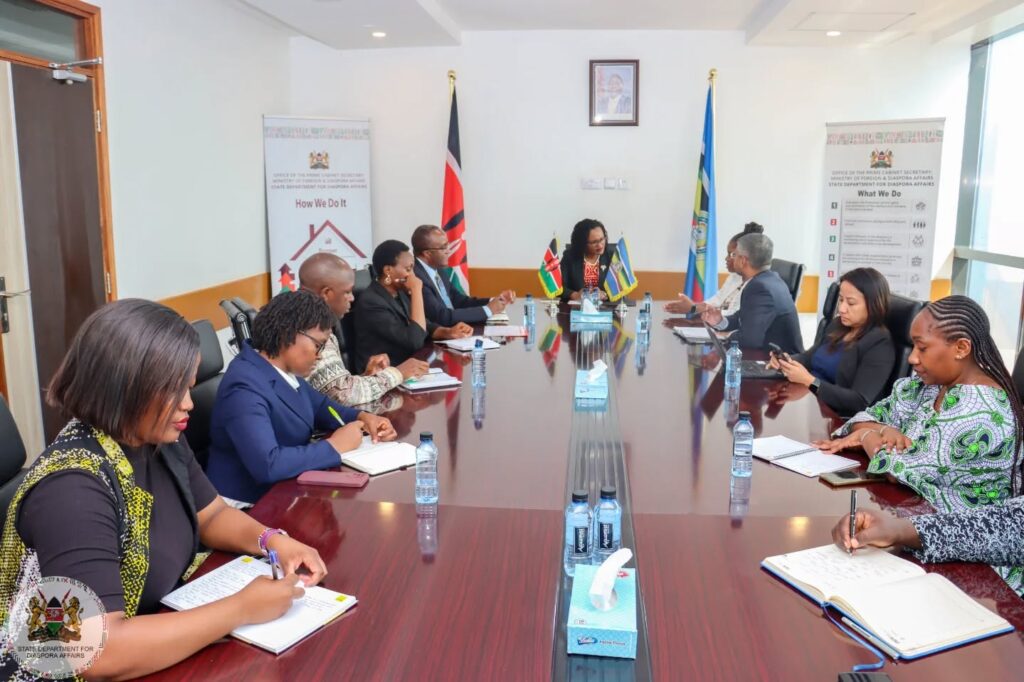
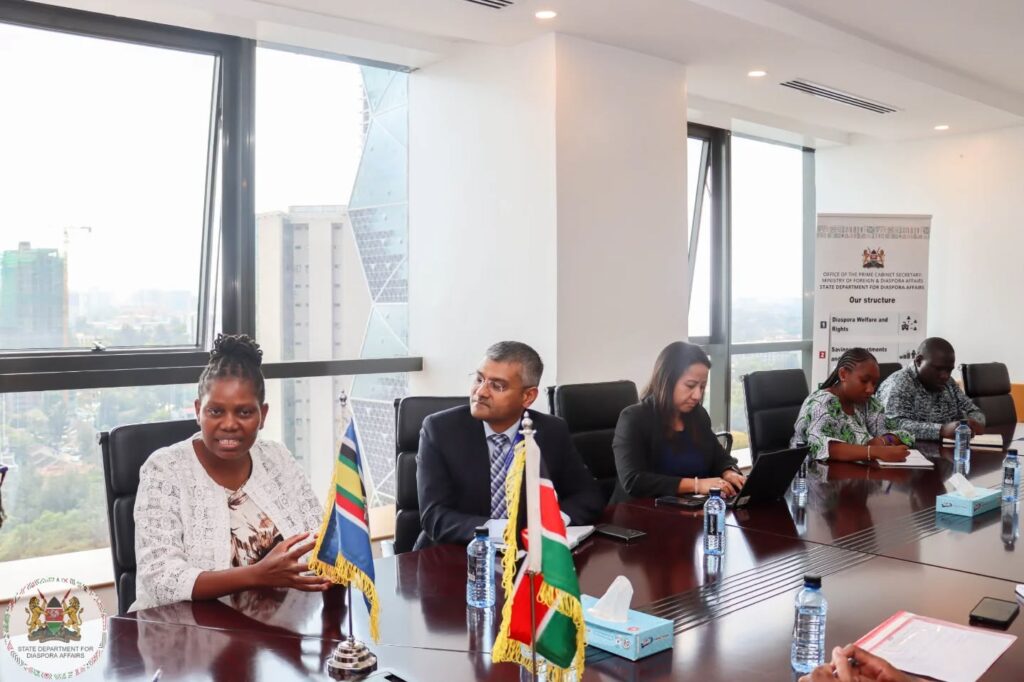
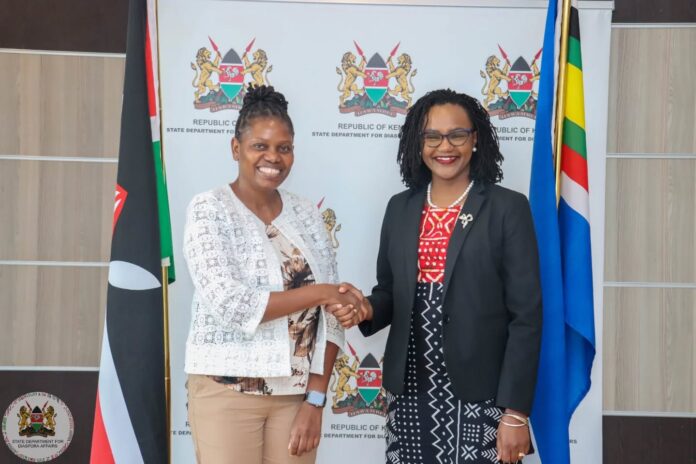
Ms. Nomagugu Ncube, the Chief of Mission of the International Organization for Migration (IOM) to Kenya, today paid a courtesy call on the Principal Secretary for Diaspora Affairs, Ms. @roseline.njogu , at the State Department for Diaspora Affairs (SDDA) offices in Nairobi.

During the meeting, the Principal Secretary and the Chief of Mission explored avenues for enhanced collaboration between IOM and the State Department, with a focus on strengthening existing partnerships.

The PS commended IOM, through its Chief of Mission, for its continued support in capacity-building initiatives and diaspora management efforts, including contributions to the Kenya Diaspora Policy 2024 and the Diaspora Investment Strategy.

PS Njogu also highlighted key areas for collaboration and ongoing efforts to combat human trafficking.

On her part, Ms. Ncube commended the Government of Kenya through the State Department for the progressive and forward-looking strategies in prioritizing the welfare of Kenyans in the diaspora.

She further noted complementary initiatives addressing emerging and existing migration challenges, such as pre-departure training programs akin to IOM’s “Know Before You Go” initiative.

Ms. Ncube was accompanied by Ms. Pravina Gurung and Mr. Faisal Sharif.

By Anthony Solly
Bodies of 84 Iranian sailors killed in US torpedo strike to be repatriated

The bodies of 84 Iranian sailors killed in a torpedo attack by a US submarine last week in the Indian Ocean are due to be flown home on Friday, Sri Lanka’s defence ministry has said.

The seamen were among 130 thought to be aboard the Iranian warship, the Iris Dena, when it was sunk on 4 March about 40km (25 miles) from Sri Lanka’s southern coastline. 

A police escort transferred bodies to Mattala Rajapaksa International Airport on Friday morning for the repatriation to Iran, after they were stored in two freezers at Galle National Hospital.

Sri Lanka said 32 sailors rescued by its navy after the torpedo attack “will remain in Sri Lanka”, according to news agency AFP.

Defence Secretary Pete Hegseth said shortly after the sinking that the Iranian warship had died a “quiet death”.

Iran’s Foreign Minister Abbas Araghchi said the US had “perpetrated an atrocity at sea, 2,000 miles away from Iran’s shores”, adding that “the US will come to bitterly regret precedent it has set”.

Video released by the US Department of Defence after the incident showed a ship being struck, causing the stern to rise up before exploding.

The Iris Dena had been returning from a military exercise hosted by India when it was attacked. 

Its sinking in international waters came during the current US-Israeli war with Iran and marked a dramatic widening of the conflict.

Iran has since launched retaliatory strikes across the Middle East – targeting Gulf countries allied with the US.

eCitizen to Display Commercial Ads, Official Announcements as Part of Platform Upgrades

eCitizen on Friday, March 13, announced the introduction of additional services and features on its platform.

In a public statement, eCitizen announced that it will now have a section for official government announcements and adverts.

The service provider explained that the enhancements will improve communication and the overall user experience.

“As part of our updates, users may begin to see official notices, announcements and commercial advertisements from approved partners.

“These additions are intended to keep users informed while supporting continued improvements,” the statement read in part.

A file image of eCitizen.

eCitizen assured users that the new developments on the website would not affect the rendering of the existing government services.

“All services will remain secure and reliable, and users’ privacy will continue to be protected,” the service provider reiterated.

Last week, many Kenyans were left stranded after the platform went down due to a technical hitch. Consequently, any services offered were inaccessible.

The platform hosts digitised government services such as driving licence application and renewal, KRA tax portal, and immigration services.

Other services include birth and death registration, police clearance certificates, business registration, and land search and registration.

The Auditor General, Nancy Gathungu, urged the government to take full control of the eCitizen platform from Webmasters Kenya Ltd.

Gathungu explained that the current management exposes the system to operational risks and over-reliance on private vendors.

Dci Senior Officers’ Retreat Deepens Focus On National Security And Investigative Excellence

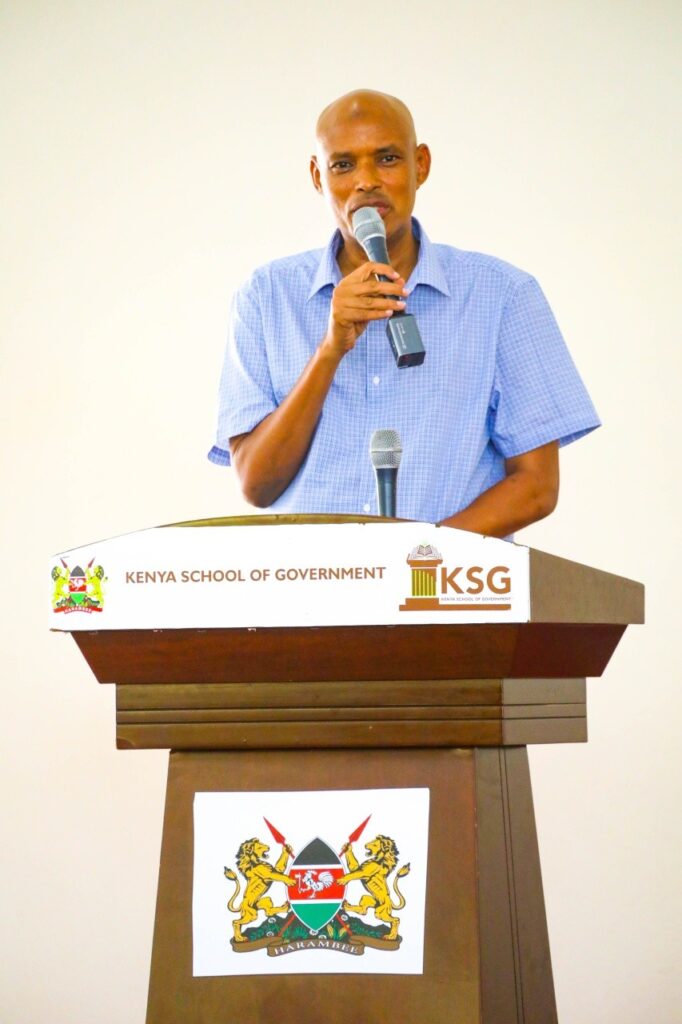
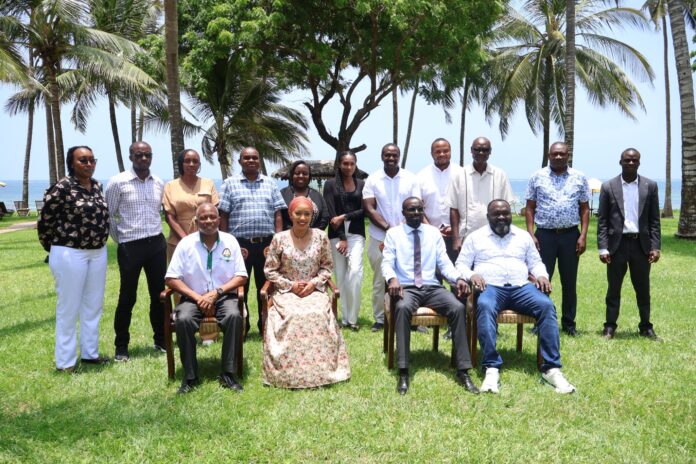
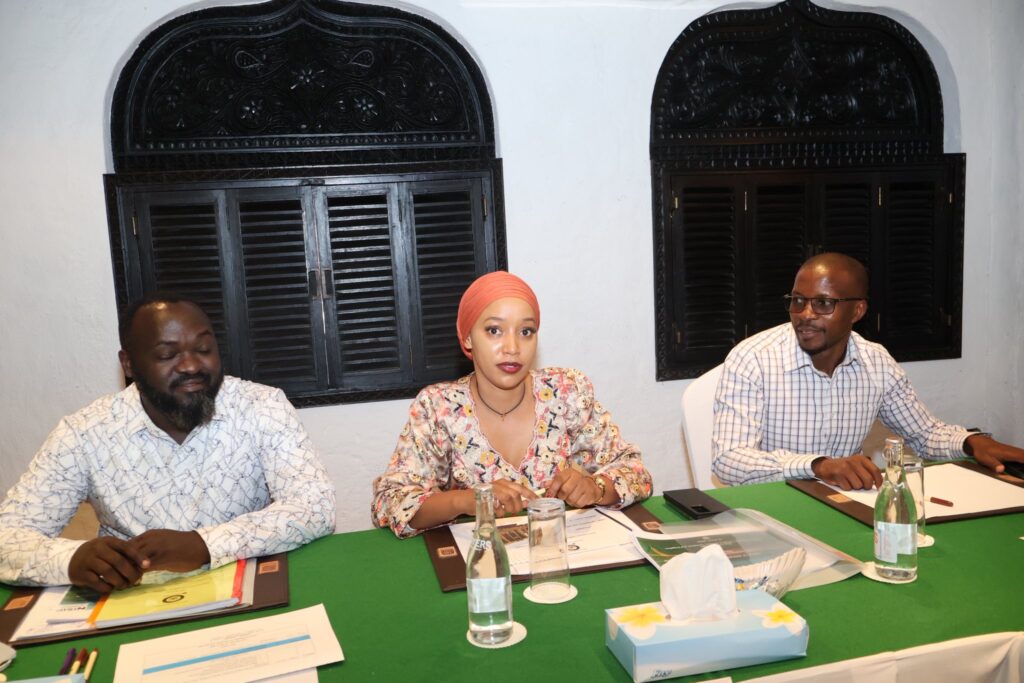
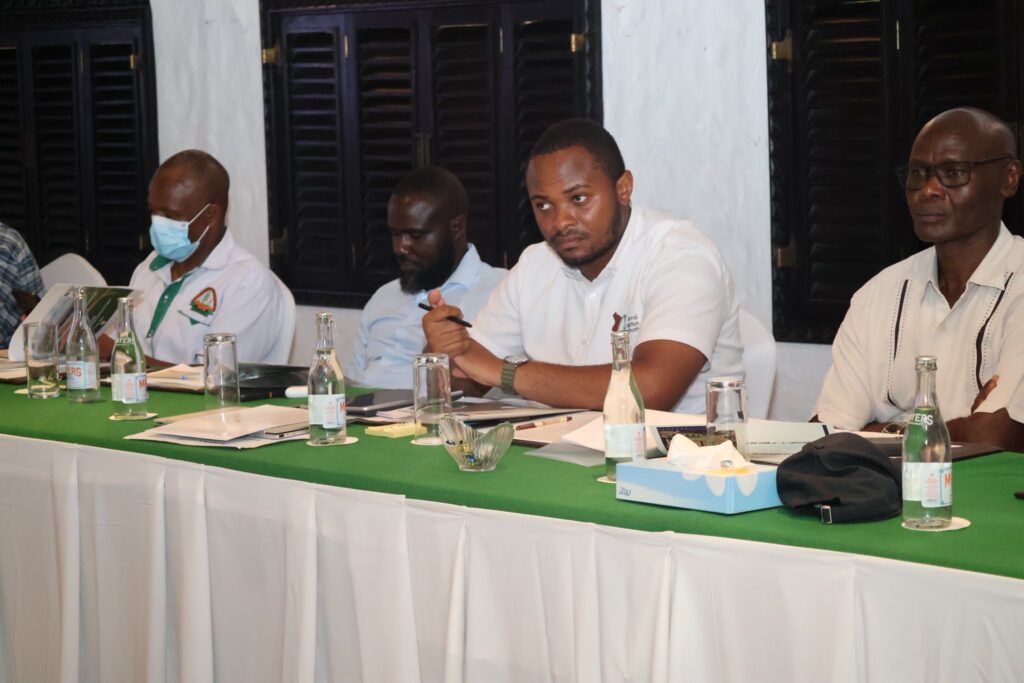
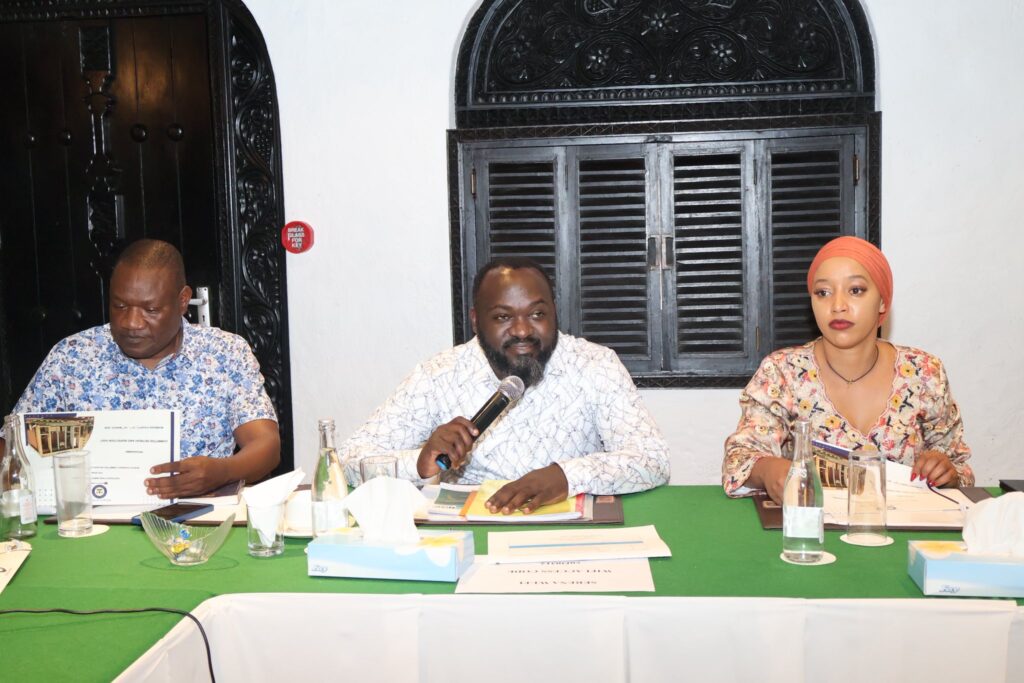
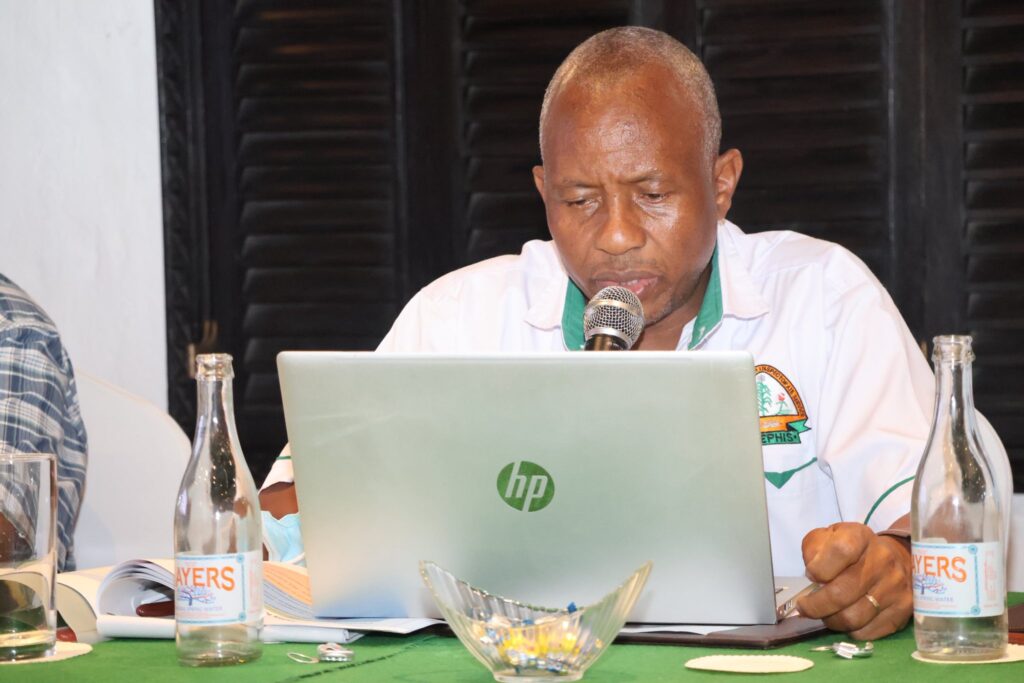
The ongoing high-level strategic retreat for senior officers of the Directorate of Criminal Investigations (DCI), currently underway at the serene Kenya School of Government in Matuga, Kwale County, continues to provide a vital platform for reflection, collaboration and forward-looking strategy among the Directorate’s top leadership.

Bringing together senior commanders and investigative leaders from across the country, the forum is dedicated to reviewing emerging security challenges, strengthening investigative strategies, and reinforcing collaboration across investigative formations in an increasingly complex security environment.

Midway through the retreat, the Inspector General of Police Mr. Douglas Kanja graced the occasion and commended the Directorate’s leadership for convening what he described as a timely and essential forum for strategic reflection.

After keenly following the ongoing discussions—particularly those centred on combating financial crime, deepening inter-agency collaboration and protecting national institutions from interconnected threats such as money laundering, corruption, and terrorist financing—the Inspector General emphasized that modern crime requires unified responses.

“The threats we face today are complex, interconnected and transnational in nature. They cannot be confronted through isolated efforts. They demand robust investigative excellence supported by sustained and seamless partnerships across institutions,” noted the Inspector General.

The IG further applauded the enduring cooperation between the Directorate of Criminal Investigations, the Asset Recovery Agency, the Office of the Director of Public Prosecutions, the Independent Policing Oversight Authority, and the Ethics and Anti-Corruption Commission, all of whom have been invited as guest presenters during the retreat.

According to the IG, the united front demonstrated by these institutions represents a critical pillar in strengthening Kenya’s capacity to detect, investigate, disrupt and successfully prosecute complex financial crimes.

“When our institutions work together, we amplify our investigative power. This collaboration is crucial in safeguarding the nation’s economic stability and protecting our institutions from criminal exploitation,” he added.

On his part, the Director DCI Mr. Mohamed Amin, underscored the importance of the retreat, highlighting its dual role as both a professional learning forum and a moment for strategic introspection.

He noted that the gathering offers senior officers an opportunity to sharpen leadership and investigative skills while also fostering team cohesion and providing much-needed recuperation from the relentless operational demands that characterize investigative policing.

“This retreat is not only about reflection on our operational journey but also about strengthening our leadership capacity and unity of purpose as we continue serving the Kenyan people with integrity and professionalism,” stated the Director.

The Director also took the opportunity to commend the extraordinary dedication, resilience, and professionalism consistently demonstrated by officers across the Directorate, which has seen the DCI achieve remarkable milestones in recent years.

Among the achievements highlighted were the restructuring of investigative units to enhance efficiency, significant improvements in forensic and digital investigation capabilities, and major breakthroughs in cybercrime detection. He also cited successful operations that have dismantled large narcotics trafficking syndicates, the expansion of specialized investigative training programs, and strengthened cross-border collaboration with international law enforcement partners.

These partnerships include cooperation with AFRIPOL, Eastern Africa Police Chiefs Cooperation Organisation, Europol, Federal Bureau of Investigation and Interpol, collaborations that have enhanced Kenya’s role in global security cooperation.

The Director further pointed to Kenya’s historic moment in November 2025, when he was elected to the Interpol Executive Committee as Africa’s representative—a milestone he described as a testament to the Directorate’s innovation, accountability and operational excellence on the international stage.

However, even as he celebrated these achievements, the Director candidly addressed areas that require improvement within the Directorate. He pointed to lapses in investigative standards, discipline, the proper care and handling of arms and ammunition, and the need for improved professionalism in conducting interviews with victims of crime, suspects and witnesses.

He also emphasized the importance of prioritizing the welfare of junior officers, noting that the strength of the Directorate lies in the wellbeing and professionalism of every officer within its ranks.

“Our progress must be matched by unwavering discipline, adherence to investigative standards, and a strong commitment to the welfare of our officers. These are the pillars that will sustain our growth and credibility,” he observed.

As the retreat continues, participants are expected to depart the session not only refreshed but also renewed in their commitment to elevate investigative standards and strengthen the Directorate’s capacity to protect Kenyans from evolving criminal threats.

The retreat continues to reaffirm the Directorate’s unwavering commitment to strategic leadership, institutional excellence and collaborative security in safeguarding the nation.

By Anthony Solly

Senate Agriculture Committee Meets Water, Sanitation and Irrigation CS Over Irrigation Expansion and Agricultural Productivity

The Senate Standing Committee on Agriculture, Livestock and Fisheries chaired by Sen. Wafula Wakoli (Bungoma) today held a meeting with the Cabinet Secretary for Water, Sanitation and Irrigation during its ongoing retreat in Mombasa County to deliberate on irrigation development and its role in supporting agricultural productivity across the country.

The engagement focused on the status of irrigation infrastructure and expansion, irrigation support for the current planting season, smallholder irrigation programmes and the framework for collaboration between the National Government and County Governments in the development of irrigation systems.

During the meeting, the Cabinet Secretary briefed the Committee on the implementation status of irrigation targets under the Medium Term Plan IV (MTP IV), including progress made towards expanding the country’s irrigation coverage.

Members were informed that the current area under irrigation stands at approximately 762,767 acres, against the MTP IV target of expanding irrigated land to about 1.29 million acres by the Financial Year 2027/2028.

The Committee emphasized the importance of evidence-based oversight and requested the Ministry to provide segregated data on irrigation investments and infrastructure per county to enable Members to effectively track progress and ensure equitable distribution of irrigation projects across the country.

Members further underscored the need for a strong collaborative framework between the National Government and County Governments in order to strengthen irrigation development and improve agricultural productivity.

The Committee noted that agriculture is a devolved function and that the success of irrigation programmes will depend on the active participation of county governments, particularly in mobilizing farmers, supporting agricultural value chains and ensuring efficient utilization of irrigation infrastructure.

The Committee also stressed the urgent need to expand irrigation infrastructure across the country, observing that the sector has experienced persistent funding deficits over the years which have slowed the development and completion of irrigation projects.

Members further noted that the recent enactment of the National Infrastructure Fund presents an opportunity to mobilize additional resources for large-scale infrastructure development, including irrigation projects. The Committee urged the Ministry to develop a clear framework to ensure that investments through the Fund support irrigation expansion and deliver tangible benefits to counties and farmers.

The Committee reiterated its commitment to strengthening parliamentary oversight and supporting policies aimed at enhancing irrigation development, improving agricultural productivity and advancing national food security objectives under Medium Term Plan IV (MTP IV) and the Bottom-Up Economic Transformation Agenda (BETA).

By Anthony Solly

No such thing as a shark? Genomes shake up ocean predator’s family tree

A new genomic study is challenging one of the most familiar labels in marine biology: the shark.

Scientists analyzing the genomes of dozens of ocean predators have discovered that animals commonly grouped together as “sharks” may not form a single, unified evolutionary group.

Instead, the research suggests that several species traditionally called sharks are more distantly related than previously believed, shaking up the long-standing family tree of these iconic marine hunters.

For centuries, sharks have been classified based largely on physical traits such as body shape, gill slits, and skeletal structure made of cartilage.

These characteristics seemed to place them neatly into a single branch of the evolutionary tree. But modern genetic tools are revealing a more complicated story.

Using advanced genome sequencing, researchers compared large sections of DNA across numerous species of sharks, rays, and other cartilaginous fish.

Their analysis found that some animals commonly labeled as sharks share closer genetic ties with rays and skates than with other shark species.

This means the term “shark” may be more of a convenient description than a precise scientific category. In evolutionary terms, it may not represent a single lineage descending from one common ancestor.

Instead, the study suggests that the group known as sharks may consist of multiple evolutionary branches that split apart far earlier than scientists once believed.

The findings could reshape how scientists understand the evolution of cartilaginous fish, a group that has existed in Earth’s oceans for more than 400 million years.

Researchers say the new genomic data may also help clarify how different species adapted to a wide range of marine environments—from deep ocean waters to coastal ecosystems.

Beyond revising textbooks, the discovery could have practical implications for conservation. A clearer understanding of evolutionary relationships can help scientists identify which species are most unique genetically and may therefore require greater protection.

Despite the scientific shake-up, researchers say the word “shark” is unlikely to disappear from everyday language anytime soon. But the study serves as a reminder that even the ocean’s most familiar predators can still hold evolutionary surprises hidden within their DNA.

By Mary Munywoki

Hon.Baya Tables Bills to Regulate Nuts and Oil Crops Industry and Establish Bandari Maritime Academy in Law

Kilifi North MP, Hon. Owen Baya has proposed two legislative measures aimed at strengthening Kenya’s agricultural value chains and formalizing maritime training in the country.

Appearing before the National Assembly’s Budget and Appropriations Committee, the legislator presented the Nuts and Oil Crops Bill, 2025, and the Bandari Maritime Academy Bill, 2025, both of which are subject to financial consideration before proceeding in the legislative process.

While presenting the Nuts and Oil Crops Bill, 2025, Hon. Baya proposed the establishment of the Nuts and Oil Crops Development Board of Kenya, a nine-member body tasked with overseeing the development and regulation of the subsector.

The proposed board will be responsible for regulating the production, processing, marketing, development, and promotion of nuts and oil crops across the country.

Hon. Baya explained that the board would play a central role in strengthening the industry and coordinating stakeholders across the value chain.

“The functions of the board shall be to regulate and promote the development of the nuts and oil crops industry; facilitate the sale, importation, and exportation of nuts and oil crops products; impose a levy or levies on manufacturing, imports, or exports; and establish linkages with research institutions, amongst other functions,” said Hon. Baya.

The Bill also proposes the establishment of the Nuts and Oil Crops Research Institute, which will undertake research aimed at promoting the development and productivity of nuts and oil crops in Kenya.

Management of the institute will be vested in a governing council responsible for leadership, strategy, and policy direction in the subsector. A Director General, recruited by the council, will oversee the day-to-day operations of the institute.

Hon. Baya also presented the Bandari Maritime Academy Bill, 2025, which seeks to formally establish the Bandari Maritime Academy as a national maritime training institution through an Act of Parliament.

“The key functions of the proposed academy will be provision of maritime education, training, research and consultancy services in the field of maritime,” said Hon. Baya.

The proposed legislation provides for the management of the academy through a nine-member board, including a chairperson. It further empowers the Cabinet Secretary responsible for maritime affairs, in consultation with the board, to establish additional campuses under the academy.

The Bill also proposes the creation of an internally constituted Academic Council, which will be chaired by the Director General and will oversee academic matters within the institution.

Currently, the Bandari Maritime Academy operates as a Semi-Autonomous Government Agency (SAGA) established through the Bandari Maritime Academy Order, 2018. If the Bill is enacted, the institution will instead be formally established through an Act of Parliament, providing a stronger legal and governance framework.

The legislation also proposes to increase the number of board sittings allowed annually from the current four to ten in order to enhance oversight and operational efficiency.

The Budget and Appropriations Committee, chaired by Samuel Atandi, will now consider the two money bills and make recommendations on whether the legislative proposals should proceed to publication in their current form, be amended, or be rejected.

By Anthony Solly
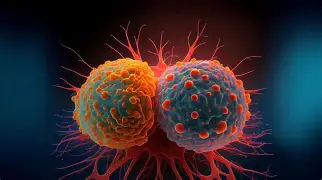
Scientists uncover unexpected cancer target on tumor cell surfaces

For five decades, scientists have known about a notorious cancer-causing enzyme called SRC. But they always assumed it only appeared on the inside of cells, where it sent signals that fueled tumor growth and stayed hidden from the immune system. 

But now researchers at UC San Francisco have discovered that the SRC enzyme also appears like a flag on the surface of bladder, colorectal, breast, pancreatic and probably many other tumor cells. 

As cancer cells furiously divide, they produce a lot of garbage. In healthy cells, the trash gets broken down. But in tumors, the recycling system gets overwhelmed, and the cells expel some of their trash. This pushes the SRC onto the surface of the cell, where it is visible to potential therapies, like antibodies. 

Researchers targeted SRC with antibodies that carried radioactive payloads or summoned immune cells. This killed the cancer cells, shrinking tumors in mice. The new target could apply to up to half of all tumors.

“No one thought to look for it on the outside, said Jim Wells, PhD, professor of Pharmaceutical Chemistry at UCSF and senior author of the paper, which appears in Science on March 12. “Our discovery enables us to test proven immunotherapies on this new tumor target.”

SRC takes unexpected journey to cell surface

In the 1970s, UCSF’s J. Michael Bishop, MD, and Harold Varmus, MD, identified SRC- the gene containing the instructions for building the SRC enzyme – as the very first oncogene, or cancer-causing gene. It launched the modern field of cancer genetics and won the researchers a Nobel Prize in 1989. 

Ever since, scientists have tried to block the SRC enzyme with drugs that slip inside cells. But the therapies have not worked well because they disable SRC in both cancerous and healthy cells, which need the enzyme to function. 

To understand how SRC reached the cell surface, the scientists tracked the protein in cancer cells grown in petri dishes. They found that SRC was getting caught up in the cell’s overactive disposal system. 

Cells normally trap waste in small sacs that they break down and reuse. But in fast-growing cancer cells, the system can become overloaded. Instead of being digested, the sacs containing waste fuse with the cell membrane and dump their contents outside the cell. 

“We saw that SRC was getting swept out onto the outer membrane, where it sat exposed like a red flag,” said Corleone Delaveris, PhD, first author of the paper, who did the work as a post-doctoral researcher in Wells’ lab and is now at Inversion Therapeutics. 

The researchers found that SRC was present on the surface of bladder tumor cells taken from patients at UCSF, but it was not present on healthy bladder tissue or on immune cells. This suggests it is specific enough to steer cancer-killing antibodies to the right target. 

In collaboration with UCSF professor of Radiology Michael Evans, PhD, the team then aimed experimental radioactive antibodies at SRC in mice that had been implanted with human tumor cells; and they found that these antibodies accumulated in the cells. They also engineered antibodies to help immune cells recognize and kill human cancer cells in mice. 

UCSF has licensed the antibodies and related molecules to Inversion Therapeutics to explore their therapeutic potential.

Health Sector Leaders Have Convened In Nairobi For A Two-Day Taifa Care Adaptive Leadership Training Aimed At Strengthening Leadership Capacity

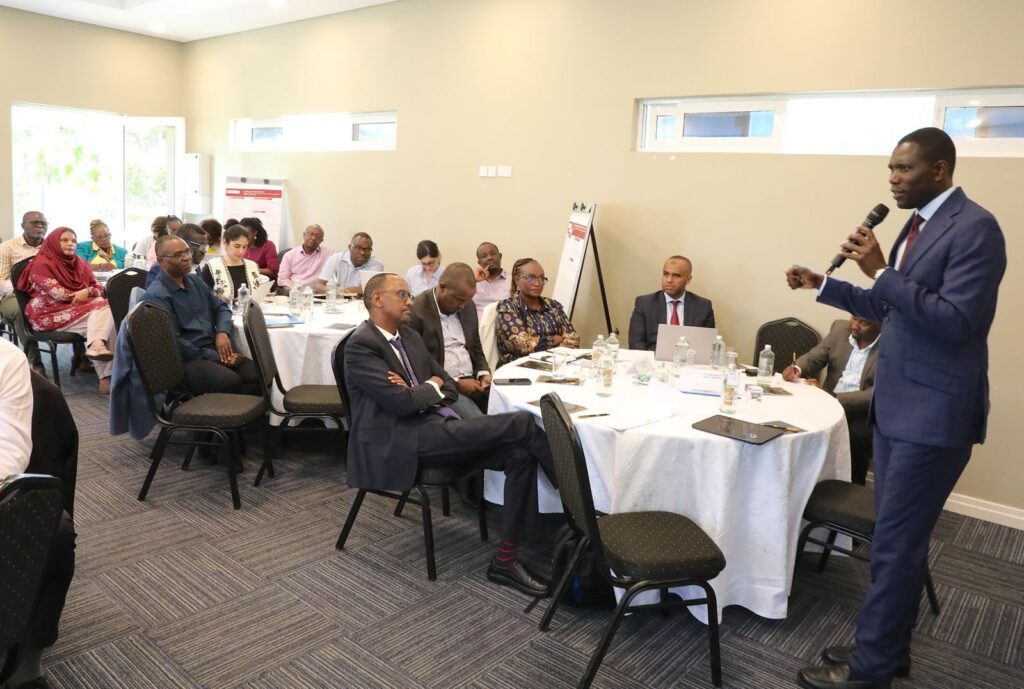
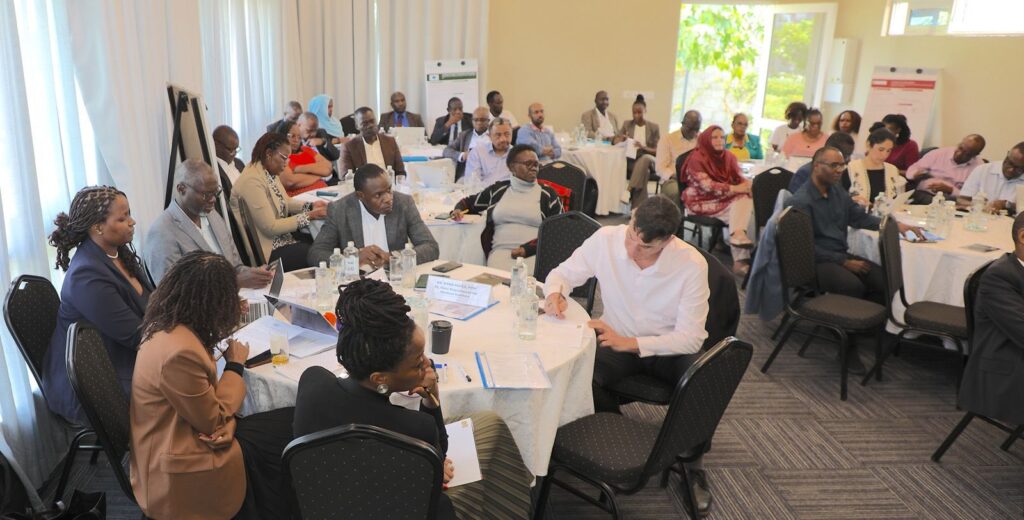
Health sector leaders from across the country have convened in Nairobi for a two-day Taifa Care Adaptive Leadership Training aimed at strengthening leadership capacity to drive the implementation of Kenya’s flagship health reform programme under the Universal Health Coverage agenda.

The training, organised by the Ministry of Health in collaboration with the National Treasury and the Global Fund, kicked off on 13 March 2026 at Eka Hotel, Nairobi, bringing together national and county health leaders, development partners and other key stakeholders involved in advancing health sector reforms.

The programme is facilitated by Professor Farayi Chipungu of the Kennedy School of Business, Harvard University, and focuses on equipping health leaders with adaptive leadership skills necessary to navigate complex health system reforms and support the nationwide rollout of Taifa Care.

Opening the forum, Principal Secretary for Medical Services Dr. Ouma Oluga urged participants to embrace adaptive leadership by responding to changing contexts, learning from crises and adjusting strategies while maintaining the broader vision of transforming Kenya’s healthcare system.

Dr. Oluga emphasised that the success of reforms should not be measured solely by activities or reports, but by whether they deliver tangible improvements in healthcare services and positively impact the lives of citizens.

Participants are engaging in reflective discussions on real-world implementation experiences, jointly analysing emerging challenges and developing practical strategies to strengthen programme delivery. Key areas of focus include health financing reforms, commodity security, workforce strengthening and digital health transformation.

The initiative forms part of ongoing efforts by the Ministry of Health to strengthen collaborative leadership and institutional capacity required to accelerate the effective implementation of Taifa Care and advance Universal Health Coverage in Kenya.

By Anthony Solly
Create a free account, or log in.

Gain access to read this content, plus limited free content.

Yes! I would like to receive new content and updates.

Sponsored Ad

Ad 1
Ad 2
Ad 3
Ad 4
Ad 5
Ad 6