





Sponsored Ad

Ad 1
Ad 2
Ad 3
Ad 4
Ad 5
Ad 6
27.3 C
Kenya
Saturday, May 9, 2026
Home Blog Page 257

ODPP Trains Corporate Services Staff to Strengthen Systems Supporting Terrorism Financing Prosecutions

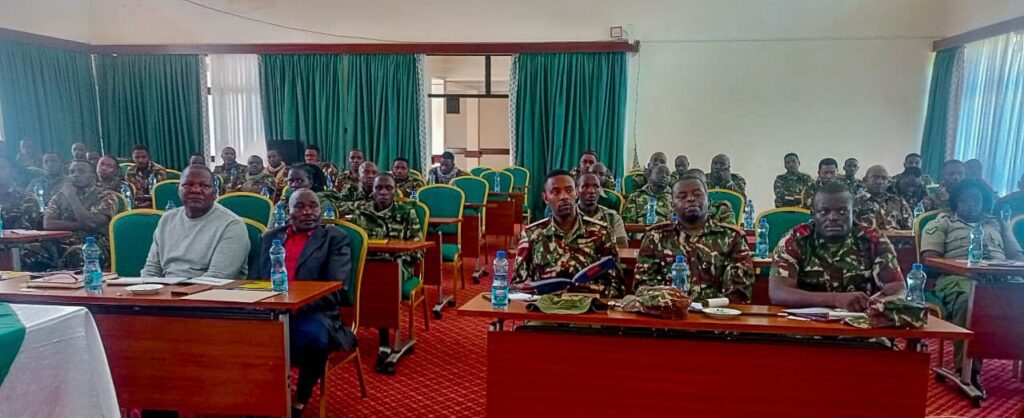
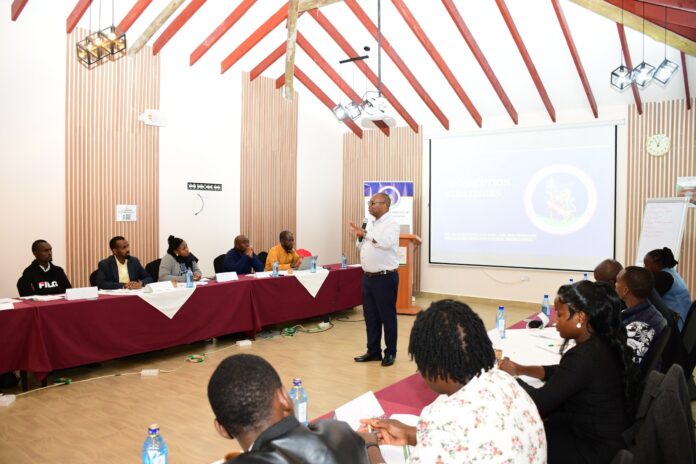
The Office of the Director of Public Prosecutions (ODPP) conducted a five-day training for Corporate Services Staff on Counter Financing of Terrorism (CFT) under the theme “Strengthening Administrative Systems to Support Counter Financing of Terrorism Prosecutions” at Maanzoni Lodge in Machakos County.

The training, held from 9th to 13th March 2026, aimed at equipping staff with the knowledge and administrative skills necessary to support terrorism and terrorism financing prosecutions through effective case management, documentation, and inter-agency coordination.
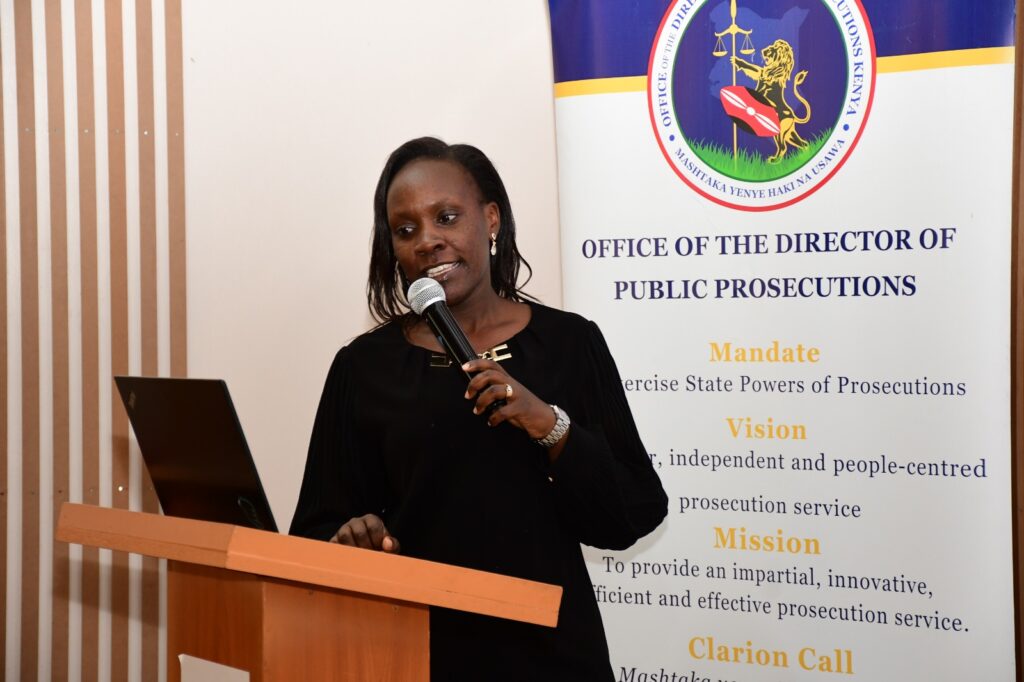
In her closing remarks, Deputy Director Administration Ms. Mary Asava expressed gratitude to the Director of Public Prosecutions for initiating the training programme, noting that it had significantly enhanced the capacity of Central Facilitation Services (CFS) staff in supporting Counter Terrorism matters.

She urged participants to cascade the knowledge gained during the week-long training to colleagues at their respective workstations. Ms. Asava also encouraged them to remain vigilant and well-informed on counter-terrorism issues, expressing confidence that the training had equipped them with the necessary knowledge and understanding of the processes involved in handling CT matters.

In his opening remarks, the Assistant Director of Public Prosecutions and Head of the Counter Terrorism Division, Mr. Allan Mulama, outlined the key objectives of the training. He noted that the programme was designed to provide participants with a foundational understanding of terrorism and terrorism financing, enhance knowledge of the legal framework governing such offences, and strengthen administrative processes that support prosecution of terrorism-related cases.
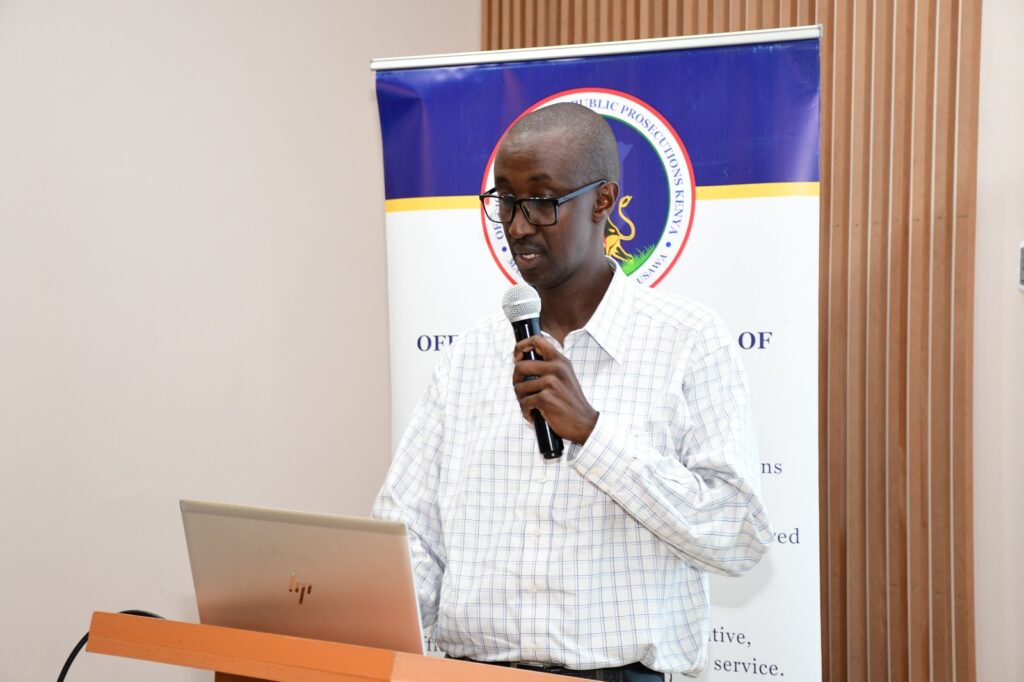
Mr. Mulama further emphasized the importance of improving accuracy, compliance and security in file handling, strengthening court reporting and documentation standards, and enhancing digital competency in the management of terrorism-related case files.

During the training, Assistant Director of Public Prosecutions Mr. Duncan Ondimu, OGW, delivered a presentation on the legal framework governing counter-terrorism in Kenya. He outlined key statutes, including the Constitution of Kenya 2010, the Prevention of Terrorism Act No. 30 of 2012, the National Intelligence Service Act No. 28 of 2012, the Witness Protection Act No. 17 of 2014, as well as the Penal Code, the Criminal Procedure Code Chapter 75, Laws of Kenya and the Evidence Act Chapter 80, Laws of Kenya.

Mr. Ondimu further highlighted several offences under the Prevention of Terrorism Act, including soliciting or providing support to terrorist groups, facilitating the commission of terrorist acts, harbouring or concealing persons suspected of involvement in terrorism and providing weapons or other resources to terrorist organizations, among other related offences.
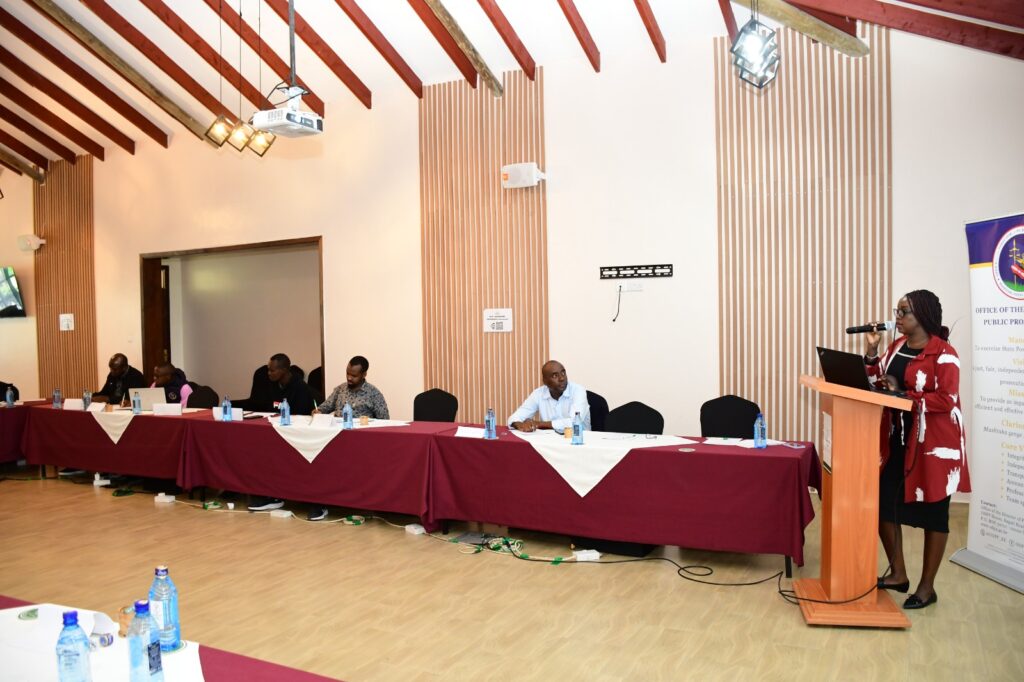
Assistant Director of Public Prosecutions Dr. Allan Wanjohi from the Prosecution Training Institute delivered a presentation on prosecution strategies, where he guided participants through the role of prosecutors in the trial process. He highlighted key responsibilities, including appearing in court, pleading and representing the State in criminal proceedings at both the trial and appellate levels.

Dr. Wanjohi also discussed prosecutorial powers in addressing transnational organized crime, noting that Article 26(3) requires State Parties to consider the possibility of granting immunity from prosecution to individuals who provide substantial cooperation in the investigation or prosecution of offences covered under the convention. In addition, he addressed critical aspects of the prosecution process including plea bargaining, witness protection, sentencing and confiscation, as well as factors considered in mitigation during sentencing.
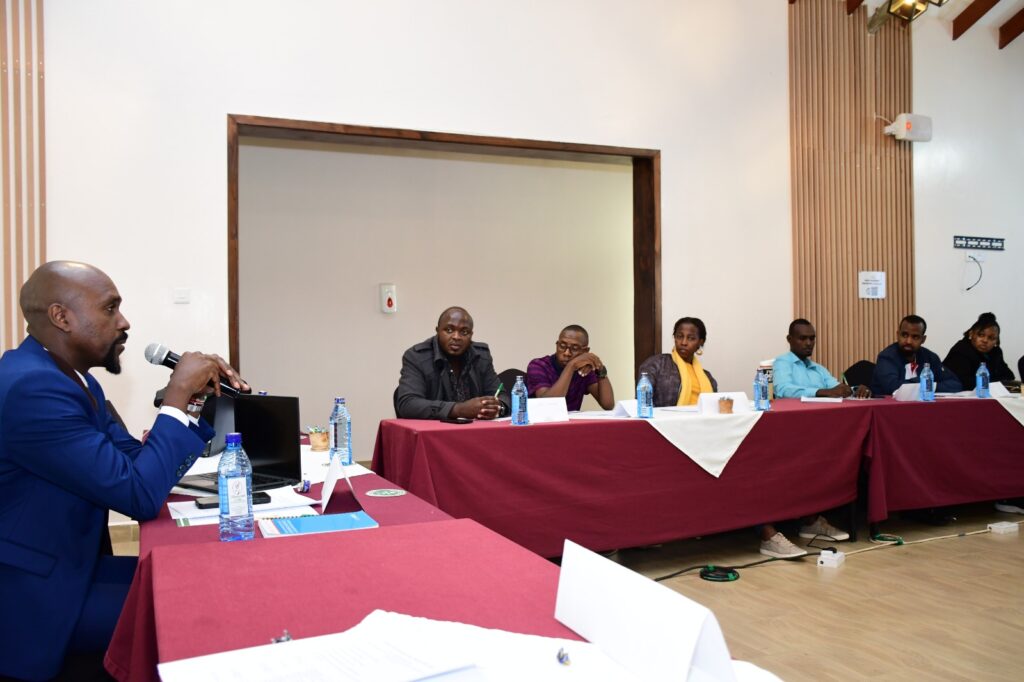
He also made a presentation on the importance of maintaining a proper chain of custody in evidence management. He noted that it involves a chronological and documented record of the collection, handling, transfer, analysis, and storage of evidence to ensure its integrity and authenticity in court.

Principal Prosecution Counsel (PPC) Mr. Harrison Kiarie facilitated sessions on the introduction to terrorism and terrorism financing, as well as the legal framework governing counter-terrorism in Kenya. He also provided historical context on the development of the country’s counter-terrorism laws and guided participants through case studies drawn from terrorism prosecutions.

Prosecution Counsel Dr. Marcella Odero delivered a presentation on the history and evolution of terrorism in Kenya, highlighting key incidents such as the 1998 US Embassy bombing, the Westgate Mall attack, the Garissa University attack, and the DusitD2 attack, while underscoring the country’s resilience and lessons learned in counter-terrorism efforts.
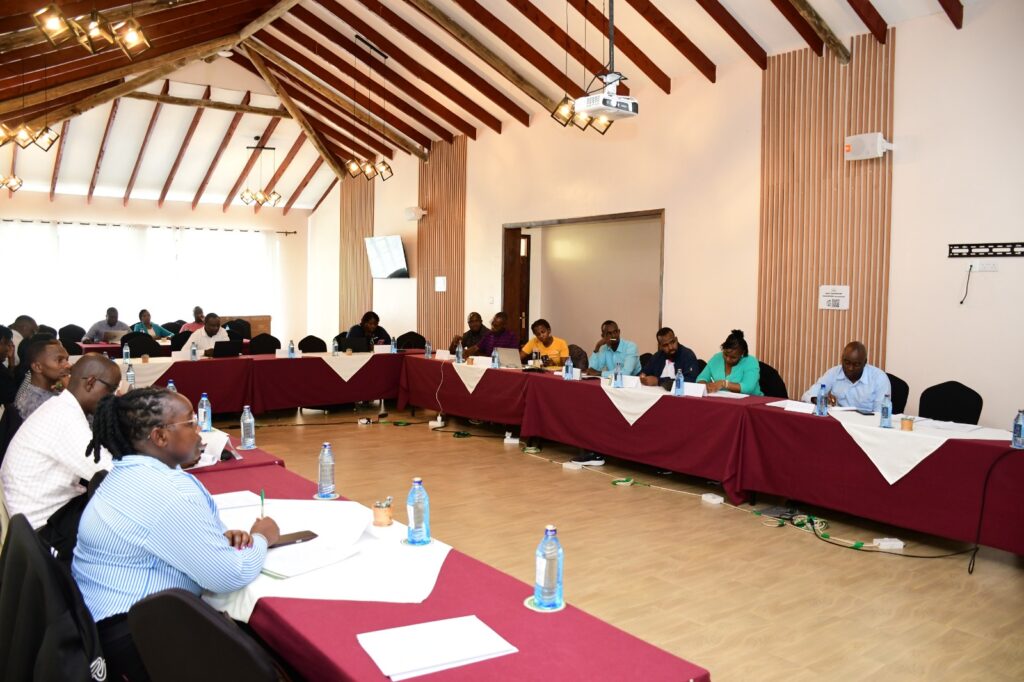
Principal Prosecution Counsel Ms. Peris Bosibori discussed the stages of terrorism financing, including the raising, storage, movement and utilization of funds. She also highlighted critical indicators that may emerge during investigations such as financial records, mobile money transactions, identification documents, vehicle ownership records, travel documents and employment records.

Other facilitators included Ms. Agatha Abang, PPC, who made a presentation on the role of the CFS staff in countering financing of terrorism prosecution; Mr. Danson Kagwe, Principal Clerical Officer, and Ms. Grace Guyatu, ICT Officer, who took the participants through case intake, file management, and the Case Management System (Uadilifu).

By Anthony Solly

Gachagua makes a surprise phone call to Babu Owino while on Kameme FM

Former Deputy President Rigathi Gachagua was among the callers who phoned Kameme FM on Friday, March 13, during Embakasi East MP Babu Owinos interview.

Gachagua lauded Babu for defending the traders at Gikomba Market from a planned demolition exercise by the Nairobi County government.

He expressed gratitude after the court issued orders halting the demolition, stating that the lawmaker had stood with the people from the mountain.

This is after the MP appeared in court as part of the litigation team that represented the traders against Nairobi County, and managed to secure orders stopping the planned demolitions.

“Thank you. I saw you went to court to defend our people from evictions and the ongoing demolitions, which are targeting the Kikuyu Community.”

“You are a good leader, and we love you. Let us work together and do not allow Kasongo to harass our people,” Gachagua stated.

Gachagua urged Babu Owino not to give President William Ruto any breathing space and asked him to keep the fire of the Linda Mwanachi movement burning.

“I want you people to push Linda Mwananchi from your end as we also push from our end,” the former DP stated.

Babu reiterated his commitment to safeguarding the interests of the people. In his response, the DCP leader teased that he owed the people from a mountain.

During the interview, the Embakasi East MP splashed more than Ksh1 million on listeners who called in to ask for financial assistance.

The requests came in from parents with school fees balances, victims of the Nairobi floods, university students and business persons looking for capital.

The light moment shared between the two leaders came amid speculation that Babu and the Linda Mwanachi brigade were in cahoots with Gachagua.

In a past interview, Ruto’s former deputy stated that he did not rule out the idea of working with people who shared a common goal with him: removing Ruto from office.

“I know your wife is a Kikuyu, and you know in our customs, payment of dowry is not a one-time thing but a continuous process,” the ex-DP joked.

DPP secures conviction of six in relation to murder of former Kabete MP George Muchai

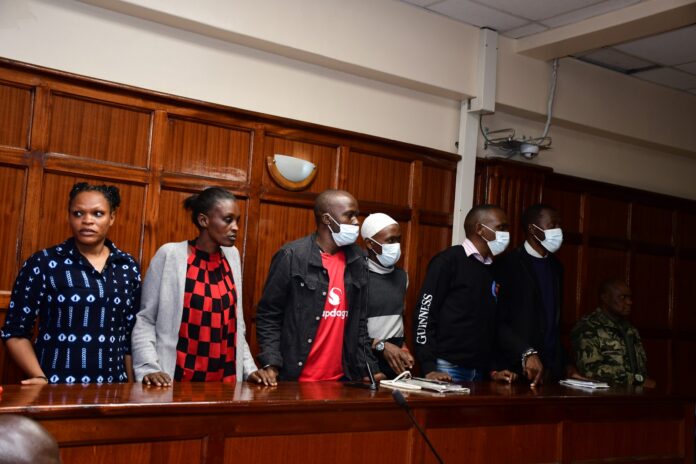
The Director of Public Prosecutions (DPP) has secured the conviction of six individuals linked to the murder of former Kabete Member of Parliament George Muchai, his two bodyguards, and driver.

Those convicted are Erick Munyera, Raphael Kimani, Mustafa Kimani, Stephen Asitiva, Jane Wanjiru and Margaret Njeri.

The accused persons faced several charges, including robbery with violence, possession of a firearm without a valid firearm certificate, and possession of ammunition without a valid firearm certificate.

The court found Munyera, Raphael Kimani, Mustafa Kimani and Stephen Asitiva guilty on three counts of robbery with violence. Prosecution established that on the nights of February 6 and 7, 2015, the four violently robbed Michael Ngatia, Gladys Waithera and Irene Muthoni in separate incidents while threatening to use violence against them.

During the robberies, the accused persons stole property valued at approximately KSh 1.1 million. The stolen items included two motor vehicles, a gas cylinder, four mobile phones, a laptop and cash.

In addition, Munyera, Margaret Njeri and Jane Wanjiru were separately convicted for being in possession of a firearm without a valid firearm certificate and possession of ammunition without a valid firearm certificate.

The convictions were secured after Prosecution presented a strong case supported by testimony from 36 witnesses, whose evidence linked the accused persons to the crimes.

The case was prosecuted by Willy Momanyi.

Court is scheduled to deliver the sentence on March 18, 2026.

By Anthony Solly

Gov’t Warns of Building Collapses as Long Rains Increase Risk of Structural Failures

The Ministry of Health has warned Kenyans about the increased risk of buildings and other infrastructure collapsing during the ongoing long rains season.

In a statement on Friday, March 13, Public Heath Principal Secretary Mary Muthoni said prolonged rainfall during the March–April–May (MAM) season can weaken structures and lead to serious safety hazards.

The ministry explained that heavy and sustained rainfall can damage foundations and critical infrastructure, increasing the chances of disasters that could lead to injuries or loss of life.

“The Ministry of Health alerts the public to the increased risk of collapse of buildings and other infrastructure during the ongoing March–April–May (MAM) long rains.

“Prolonged rainfall can weaken building foundations, cause flooding and landslides, and damage structures such as buildings, roads, and bridges, increasing the risk of injuries, loss of life, and other public health emergencies,” the statement read.

As part of the advisory, the government urged members of the public to be cautious around buildings that appear structurally unsafe. 

People have been advised to avoid occupying buildings that show visible cracks, flooding, or signs of weakness. 

Landlords and property owners have also been encouraged to inspect their buildings and repair any structural defects such as weakened walls, cracks, or compromised foundations.

The ministry further cautioned against construction in unstable areas such as steep slopes, riparian land, and flood-prone zones, which become even more dangerous during heavy rains. 

Kenyans were also advised to follow evacuation notices issued by national and county governments, the National Disaster Operations Centre, and other authorities in high-risk areas, and to immediately report any visible structural risks or collapsing infrastructure to local authorities.

In the event of a building or infrastructure collapse, the advisory instructs members of the public to move away from the affected structure immediately to avoid falling debris or additional collapse. 

Authorities also advised people to contact emergency responders including police, fire services, or county disaster response teams.

The government warned against attempting risky rescues and instead urged the public to allow trained emergency responders to carry out rescue operations safely. 

If someone is trapped under debris, people nearby should try to reassure them while alerting rescue teams about their location.

The Ministry of Health also emphasized the importance of immediate medical attention in case of injuries, advising the public to seek treatment at the nearest health facility. 

Basic first aid measures such as controlling bleeding with a clean cloth or bandage and immobilising fractures where possible can help stabilize victims before professional medical help arrives.

File image of Public Health Principal Secretary Mary Muthoni

In addition, the advisory warned about secondary health risks that may arise after structural collapses, particularly in areas affected by flooding. 

The public has been advised to avoid contact with contaminated floodwater or debris, ensure access to safe drinking water, and maintain proper sanitation to prevent waterborne diseases. 

People were also cautioned to avoid exposed electrical lines or damaged gas systems and to maintain hygiene, especially when assisting injured individuals.

Communities were encouraged to prepare for emergencies by identifying safe evacuation routes and community assembly points. 

The ministry also urged residents to establish community alert systems to warn others about structural hazards and to assist vulnerable groups such as children, the elderly, pregnant women, and persons with disabilities during evacuations.

The advisory also acknowledged the emotional and psychological impact that such disasters can have on victims and their families, encouraging those affected to seek psychosocial support and counselling services.

In a call for public cooperation, the ministry urged Kenyans to remain alert and observe safety measures throughout the rainy season.

“The Ministry of Health urges all Kenyans to remain vigilant during the ongoing MAM long rains and observe safety measures to reduce injuries and loss of life associated with collapsing structures,” the statement added.

Failed experiment leads to surprise drug development breakthrough

Scientists at the University of Cambridge have developed a new way to alter complex drug molecules using light rather than toxic chemicals—a discovery that could accelerate and improve how medicines are designed and made. Published in Nature Synthesisthe study introduces what the team calls an “anti-Friedel–Crafts” reaction.

A classic Friedel–Crafts reaction uses strong chemicals or metal catalysts under harsh experimental conditions. This means the reaction can only happen in the early stages of drug manufacturing, and is followed by many additional chemical steps to produce the final drug.

The new Cambridge approach reverses that pattern, allowing scientists to modify drug molecules at the final stages of production.

Rather than relying on heavy metal catalysts, the chemistry is powered by an LED lamp at ambient temperature. When activated, it triggers a self-sustaining chain process that forges new carbon–carbon bonds under mild conditions and without toxic or expensive chemicals.

In practical terms, this means chemists can make targeted changes late in the development of a new or existing drug rather than dismantling and rebuilding complex molecules from scratch—a process that can otherwise take months.

“We’ve found a new way to make precise changes to complex drug molecules, particularly ones that have been exceptionally difficult to modify in the past,” said David Vahey, first author and a Ph.D. researcher at St John’s College, Cambridge.

“Scientists can spend months rebuilding large parts of a molecule just to test one small change. Now, instead of doing a multistep process for hundreds of molecules, scientists can start with their hit and make small modifications later on.”

Vahey is a member of Professor Erwin Reisner’s research group at Cambridge. Reisner’s group is known for developing systems inspired by photosynthesis, using sunlight to convert certain types of waste, water, and the greenhouse gas carbon dioxide into useful chemicals and fuels.

Reisner, Professor of Energy and Sustainability in the Yusuf Hamied Department of Chemistry, lead author of the paper, said the importance of the latest work lies in expanding what chemists can do under practical conditions while developing greener manufacturing methods.

“This is a new way to make a fundamental carbon–carbon bond and that’s why the potential impact is so great. It also means chemists can avoid an undesirable and inefficient drug modification process.”

The team demonstrated the reaction across a wide range of drug-like molecules and showed it could be adapted to continuous-flow systems increasingly used in industry. Collaboration with AstraZeneca helped test whether the method could meet the practical and environmental demands of large-scale pharmaceutical development.

“Transitioning the chemical industry to a sustainable industry is arguably one of the most difficult parts of the whole energy transition,” explained Reisner.

The breakthrough came from a laboratory setback, like some of science’s most famous discoveries, from X-rays and penicillin to Viagra and modern weight-loss drugs.

“Failure after failure, then we found something we weren’t expecting in the mess—a real diamond in the rough. And it is all thanks to a failed control experiment,” Vahey said.

He had been testing a photocatalyst when he removed it as part of a control test and found the reaction worked just as well, and in some cases better, without it.

At first, the unusual product appeared to be a mistake. Instead of discarding it, the team decided to understand what it meant. Reisner said the breakthrough depended not just on chemistry, but on judgment.

“Recognizing the value in the unexpected is probably one of the key characteristics of a successful scientist,” he said.

KeNHA, Lower Eastern Region conducted the 5th Edition of the Road Safety Sensitization Exercise along the Mwala – Kithimani Road

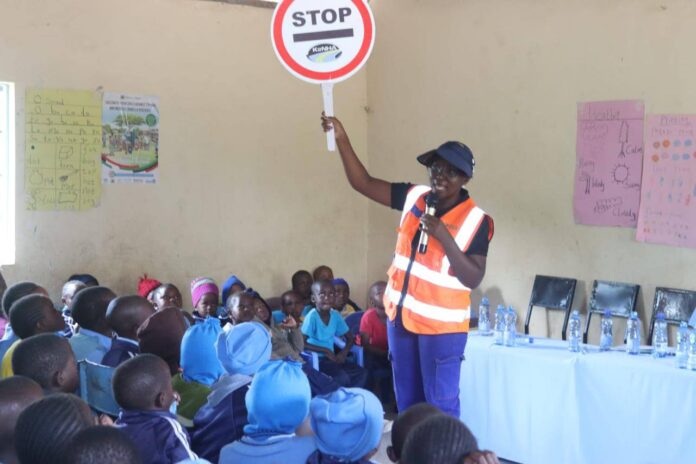
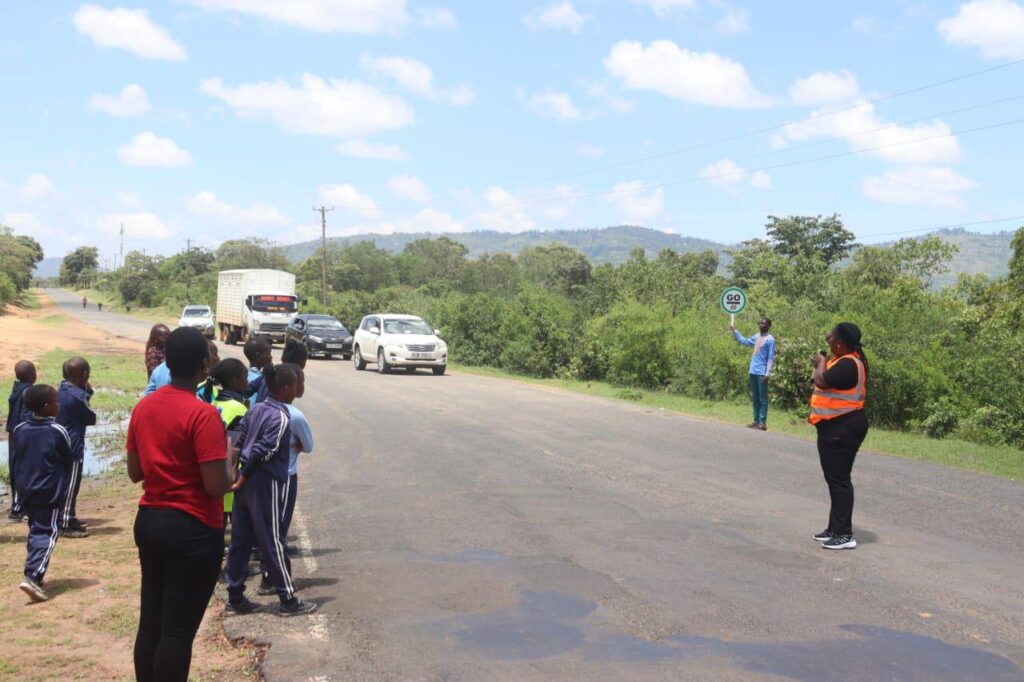
The Kenya National Highways Authority (KeNHA) Lower Eastern Region successfully conducted the 5th Edition of the Road Safety Sensitization Exercise along the Mwala – Kithimani Road, engaging schools, traders, boda boda riders and pedestrians to promote safer road use.

In collaboration with the National Transport and Safety Authority (NTSA) Lower Eastern Region and with support from Rubis Kenya, the outreach reached almost 2,000 students across eight schools, where learners received road safety education, lollipop crossing signs, reflector jackets, and learning materials to support safer road behaviour.

The sensitization also extended to community road users at Mwala, Kivandini, Kithimani, and Kabaa markets, where traders, pedestrians, and boda boda riders were educated on responsible road use and pedestrian safety.

Reflector jackets were issued to community marshals and riders to enhance visibility along the corridor.

Additionally, as part of environmental conservation, 400 fruit and indigenous tree seedlings were donated and planted across the participating schools to encourage tree growing and environmental stewardship among learners.

With the completion of this fifth edition, the programme has now reached 59 schools and almost 25,000 pupils across Machakos, Kitui, and Makueni Counties, strengthening efforts to create safer roads for children and surrounding communities.

By Anthony Solly

Nationwide Sensitisation Programme On The Britam Group Life Assurance Scheme Concludes

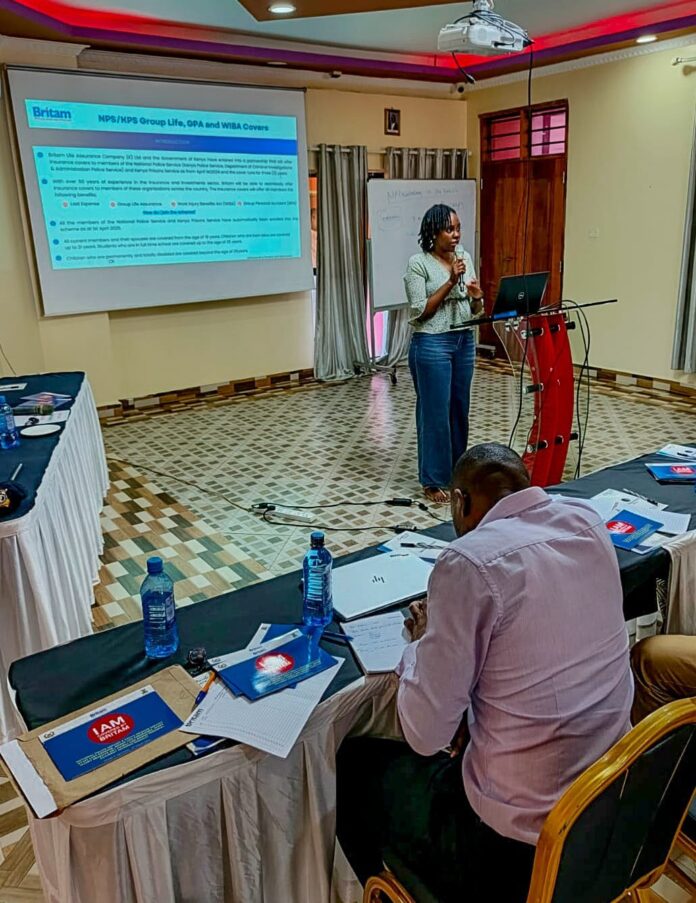
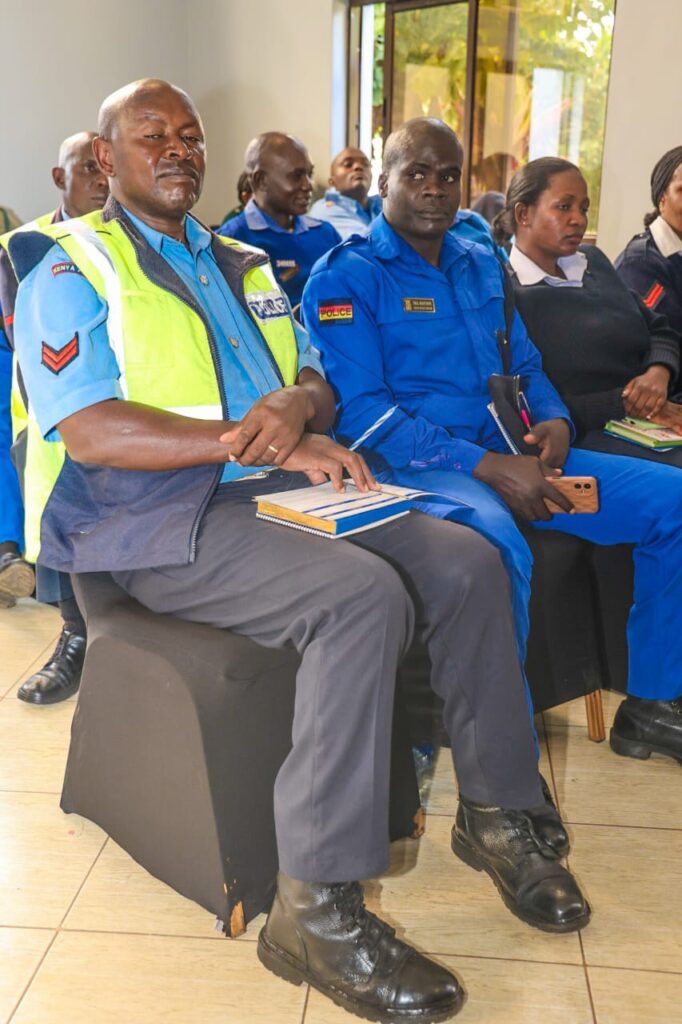
As the nationwide sensitisation on the Britam Group Life Assurance Scheme for officers of the National Police Service (NPS) and Kenya Prisons Service (KPS) comes to an end, the programme marks the successful completion of an extensive outreach effort.

The final sessions were held today in Nairobi, Kiambu, Taita Taveta, Wajir, Kericho, Nyamira, and Baringo counties, bringing the nationwide exercise to a close.

The programme was conducted to equip officers across the country with vital information about their insurance cover and the benefits available to them and their families.

Through these engagements, conducted in partnership with Britam Life Assurance Company (K) Ltd, thousands of officers have had the opportunity to interact directly with the facilitators, ask questions, and gain a clearer understanding of how the scheme works and how it supports them throughout their service.

Officers were guided through the various benefits provided under the scheme, the proper procedures for reporting and processing insurance claims, the documentation required when lodging a claim, and the communication channels available for assistance and follow-up.

Beyond understanding the benefits, the programme has also strengthened awareness of the importance of proper documentation and timely reporting, ensuring that officers and their beneficiaries can access the support provided by the scheme without unnecessary challenges.

The information shared during these sessions will go a long way in empowering officers to make informed decisions and ensure that their loved ones are adequately protected.

As the programme concludes, officers are strongly encouraged to:

• Maintain accurate and up-to-date personal and service records, as this helps facilitate the efficient and timely processing of claims when the need arises.

• Ensure that all information provided in submitted documents is accurate and complete. Proper and correct documentation helps prevent unnecessary delays and allows claims to be processed smoothly during what is often a difficult time for affected families.

• Reach out through their respective services for any assistance with claims, clarifications, or general inquiries related to the scheme. Officers are encouraged to make use of the established communication channels whenever they require guidance or support.

The completion of this nationwide sensitisation marks an important step in strengthening awareness of and access to the National Police Service Staff Group Life Insurance Scheme. It reaffirms the commitment to ensuring that every officer understands the protection available to them and the support provided to their families.

By Anthony Solly

Boosting Water Security in Makueni County

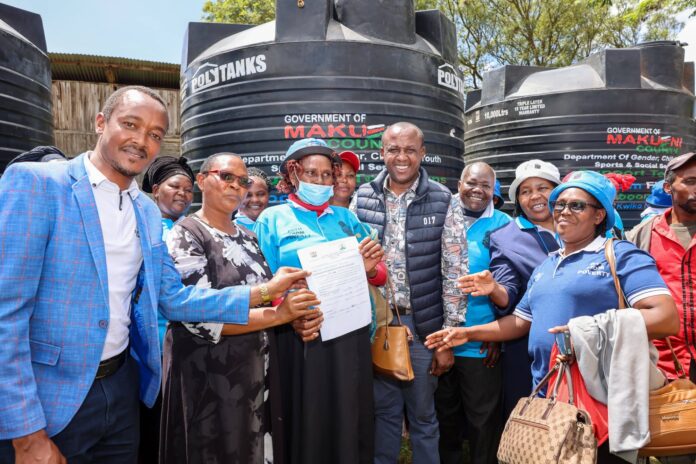
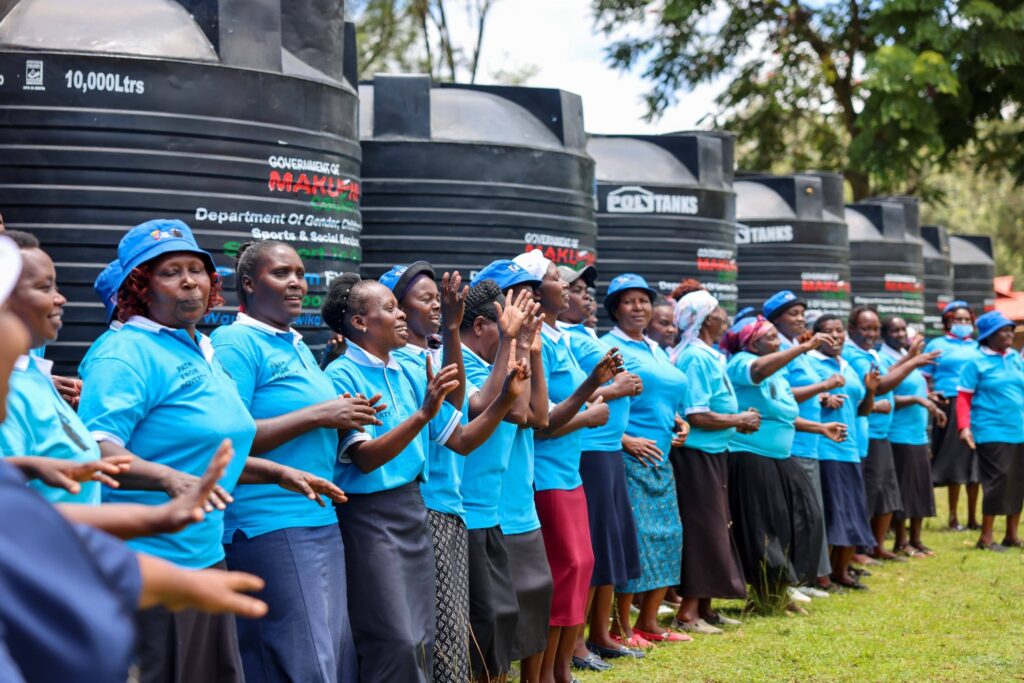
In a continued effort to strengthen water security and empower communities, Makueni County has donated water tanks to eight women’s groups under the Path From Poverty Organisation.

The organisation, which brings together 4,600 women, has already supported 1,600 families across the county with water tanks, helping households harvest and store water for domestic use and livelihood activities.

The beneficiary groups which received the water tanks from Governor Mutula Kilonzo Jr. include: Lucky Kithuiani, Neema Uthiuni, Muuo wa Kinyee SHG, Umu Village SHG, Mbumye Mutoma Muongo, Uumwe wa Kyawandii, Ngwate Kwoko, and Kyeni Kya Yatwa B.

By Anthony Solly

Scientists Solve 20-Year Mystery Behind How Gold Is Created in the Universe

Scientists have finally solved a two-decade-old mystery about how some of the universe’s most valuable elements—including gold—are created.

In a new breakthrough study, researchers have clarified the nuclear processes responsible for forming heavy elements during some of the most violent cosmic events known.

The discovery helps explain how gold and similar elements are forged in space before eventually becoming part of planets like Earth.

For years, physicists have known that elements heavier than iron cannot be produced in the normal life cycle of stars. Instead, they are formed through a phenomenon known as the rapid neutron-capture process, or r-process.

This process occurs when atomic nuclei absorb neutrons extremely quickly, building heavier and heavier elements.

However, the precise nuclear reactions that allow this process to occur had remained unclear for more than 20 years.

The new research has provided critical measurements and improved models of these nuclear reactions, helping scientists better understand how heavy elements are assembled in extreme astrophysical environments.

Researchers say these conditions most commonly occur during the collision of neutron stars—ultra-dense remnants of massive stars that have exploded as supernovae.

When two neutron stars merge, they unleash enormous energy and eject neutron-rich material into space. Within seconds, this material undergoes the rapid neutron-capture process, producing elements such as gold, platinum, and uranium.

The findings help resolve long-standing questions in nuclear astrophysics and improve scientists’ ability to simulate how elements are formed across the universe.

The gold found on Earth today was likely created billions of years ago during such cosmic explosions.

After forming in distant stellar collisions, the newly forged elements were scattered across space, eventually becoming part of the gas and dust clouds that formed our solar system.

Researchers say the new results mark a significant step forward in understanding the origins of the universe’s heaviest elements—and reveal more about the cosmic events that produced the gold we value on Earth today.

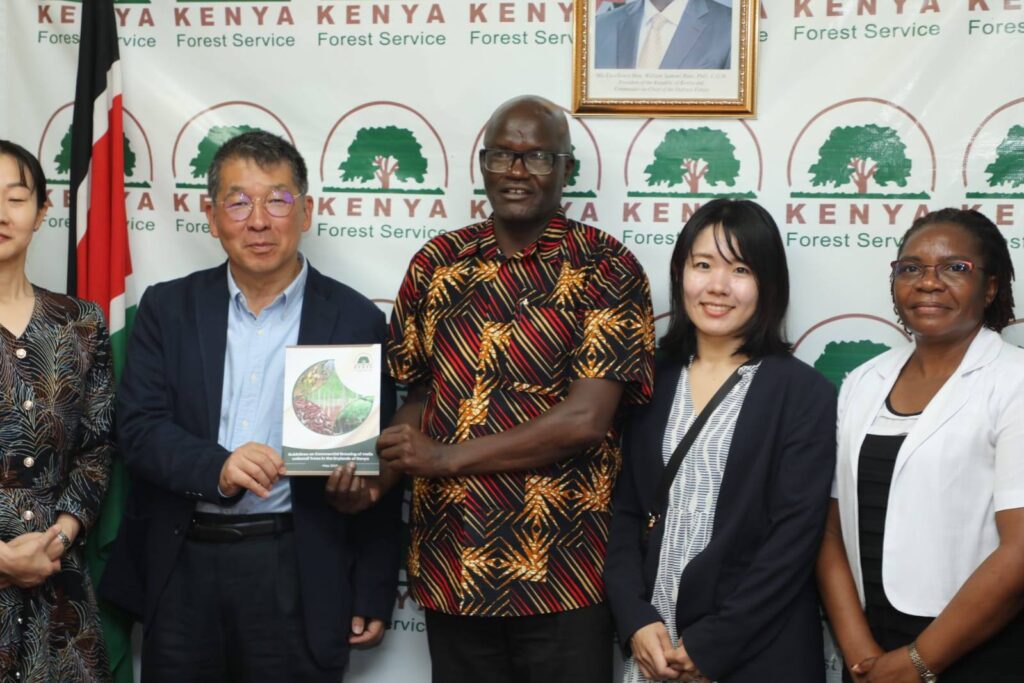
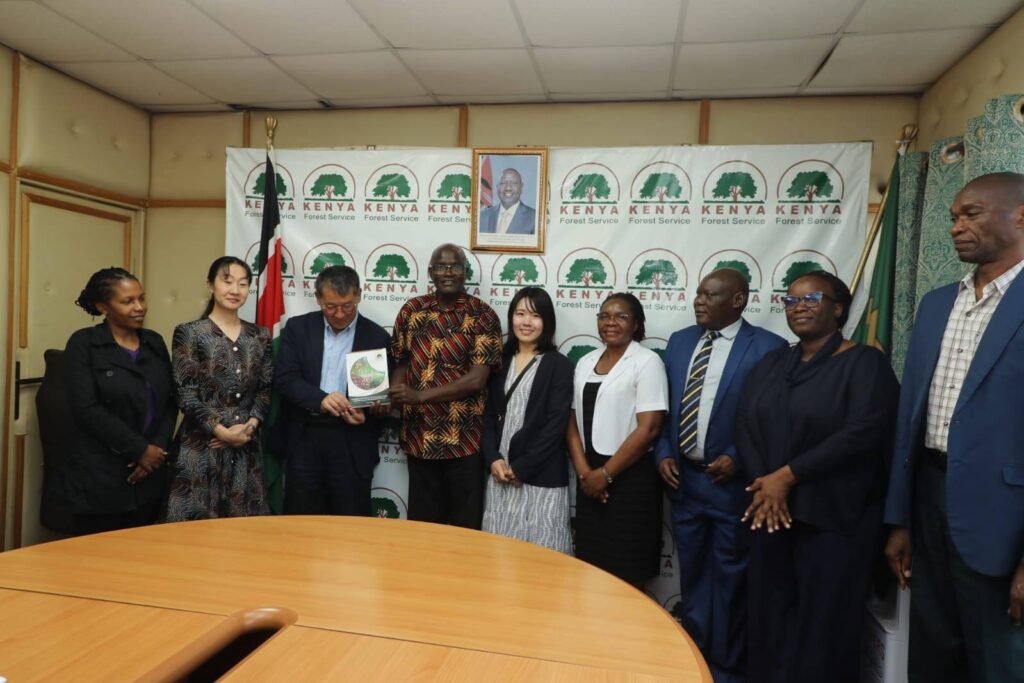
The Principal Deputy to Chief Conservator of Forests held discussions with technical officers from JICA’s SFS CORECC project led by the Project Manager

The Principal Deputy to Chief Conservator of Forests Dr. Clement Ng’oriareng’ has today held discussions with technical officers from JICA’s SFS CORECC project led by the Project Manager Ms Beatrice Atemo and the Chief Technical Advisor Mr. Shinji Ogawa.

The discussions centered on the progress the project has made in its implementation and its activities in the project areas. The Project Manager informed the PDCCF that the project was in the process of finalizing two key documents that will guide the management of commercial forestry especially in the semi-arid areas as well the assessment of ecosystem services.

The Guidelines on the Commercial Growing of Melia volkesii Trees in the Drylands of Kenya and the Standard Operating Procedures for the Assessment of Forest Ecosystem Services (FES) will be among the key deliverables of the Project once it concludes in February 2027.

Dr. Ng’orirareng’ who was representing the CCF Mr. Alex Lemarkoko thanked the Project team for their dedication in the implementation of the project’s objectives and especially in the development of the Melia volkensii guidelines which he noted will be a game changer in commercial forestry in the arid areas of the country.

He added that the species popularly known as Mukau had shown great potential for being one of the main commercial tree species in the country.

He noted that the increased growing of the species was contributing to the 15 billion tree growing campaign especially in the drier parts of the country.

The team agreed to plan for the launch of the two documents before the end the of March. Others present during the event were Michiko Mishikawa, Ayaha Mochizuki, Grace Kemunto and Diana Kishiki from the Project as well as DCCF Dr. Thomas Kiptoo and Mr. Evans Maneno from the CCF’s Office.

By Anthony Solly

Create a free account, or log in.

Gain access to read this content, plus limited free content.

Yes! I would like to receive new content and updates.

Sponsored Ad

Ad 1
Ad 2
Ad 3
Ad 4
Ad 5
Ad 6