The Kenya Revenue Authority has explained what taxpayers should do after receiving a message alerting them that their income was subject to Withholding Tax.
In a statement issued on Thursday, March 5, KRA clarified that the majority of those who received the message were Kenyans who offer consultancy services.
It stated that the message meant that the consultants owed the government money in the form of unpaid Applicable Tax.
The Taxman noted that despite their clients deducting 5 percent withholding tax from their pay, the consultants still had to remit some money to the state as well.
“If you invoice Ksh100,000 and the client deducts Ksh5,000, that is Withholding Tax. It is an advance and not the final tax.
A file image of a message sent by KRA to taxpayers alerting them of due taxes.
“There is something known as the applicable tax rate. For this case, it’s 30 per cent. Since the client has paid 5 percent, you need to remit the remaining 25 percent, which is Ksh25,000,” the Agency explained.
KRA explained that when filing returns using the example given, consultants would need to declare Ksh100,000, and not Ksh95,000.
“Just make sure you pay your applicable tax and get done with it. That is it! Declare, file, and pay,” KRA reiterated.
KRA advised those in the consulting business to generate a Payment Reference Number on the iTax portal to complete the payment process.
Kenyans lamented upon learning about the Applicable Tax, stating that remitting Ksh30,000 was too much for consultants.
A number of them raised concerns about what would happen in cases where those they offered services to did not pay the 5 percent Withholding Tax.
The new tax filing procedure has posed a challenge to Kenyans, who claim that they have not familiarised themselves with the new process, especially with the eTims.
KRA stated that its doors were open to help with the filing process and urged Kenyans to file their dues before the June 30 deadline.
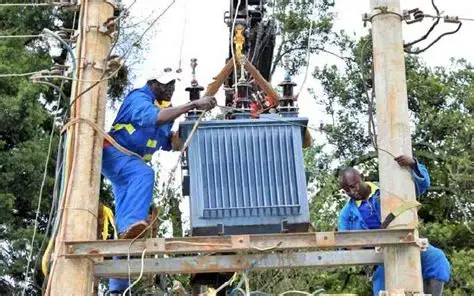
Kenya Power has announced planned power interruptions that will affect several areas across seven counties on Friday, March 6.
In a notice on Thursday, March 5, the company said the outages are necessary to facilitate maintenance and upgrades.
In Uasin Gishu County, parts of Ziwa Sirikwa and Ziwa Technical will experience power interruptions from 10.00 a.m. to 5.00 p.m.
The areas listed include Ziwa Sirikwa, Ziwa Technical, Maji Mazuri Farm, Segero, Bronjo, Richo, Kapsang and adjacent customers.
Another outage in the region will affect parts of Nataleng, Mtembur, Raila Rd, Serewo, Kitalakapel, Kitalakapel TVET, Kacheliba Market, Kodich, Konyao, Chelopoi, Alale and adjacent customers between 9.00 a.m. and 5.00 p.m.
In Trans Nzoia County, electricity supply will be interrupted in Aturukan and Kibot Primary areas from 9.00 a.m. to 5.00 p.m.
The affected locations include Aturukan Hotel, Mt. Elgon Dairies, Sinendet Centre, Kibomet Pri, Bishop Yego, Sirwo Resort, Mwaita Pri Sch, Tuigoin Centre, Kiptenden, Kuriot, Parkera, Murgoiyo and adjacent customers.
Residents in Bungoma County will also experience power outages in parts of Webuye and Kapsokwony between 9.00 a.m. and 5.00 p.m.
The areas listed in the notice include Kamusinde, Maeni, Kapsokwony, Kikwechi, Bungaa, Kamasielo and adjacent customers.
File image of a Kenya Power truck
In Kakamega County, parts of Kakamega and Lubanga will be affected by the scheduled maintenance during the same period.
The areas expected to experience electricity interruptions include Lubanga, Namulungu, Munami, Koyonzo, Ejinja, Ogalo and adjacent customers.
In Nairobi County, power supply will be interrupted in parts of Riverside Drive and the Chiromo Campus area from 9.00 a.m. to 5.00 p.m.
The affected locations include Kolobot Drive, Arboretum Rd, Riverside Gardens, part of Riverside Drive, Prime Bank Riverside, Dusit D2, UoN Chiromo Campus, Chiromo University Hostels, Chiromo Mortuary, part of State House Rd, State House Girls, part of Waiyaki Way, ICEA Lions Waiyaki Way, Ring Rd Kileleshwa, TAJ View Apts, Confucius Institute, Delta Riverside and adjacent customers.
Another outage in the city will affect New Donholm, including Quickmart and Jaza Supermarkets Donholm, Equity and Co-op Banks Donholm, Tigoni Plaza, Mate Plaza, Kaylani Shivji Patel and adjacent customers.
In Nyeri County, electricity will be interrupted in Kangaita and Kagumo TTC areas between 9.00 a.m. and 5.00 p.m.
The affected locations include Kangaita, Kagumo TTC, Kiawaithanje, Mutathini, Kiambwiri and adjacent customers.
In Murang’a County, parts of Pundamilia, Kambiti and Kakuzi will also experience electricity outages from 9.00 a.m. to 5.00 p.m.
Areas listed in the notice include Pundamilia Mkt, Ciumbu Mkt, Mihango Mkt, Mihango Dispensary, part of Kambiti Mkt, Kakuzi Farm, part of Ndela, Kayole Mkt, Kaimbamba Kariaini Sec and adjacent customers.
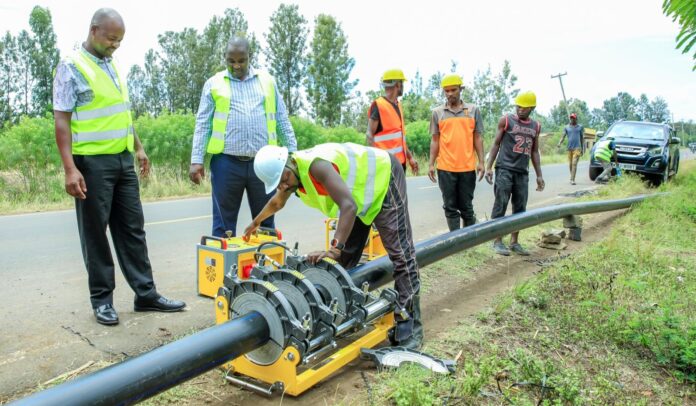
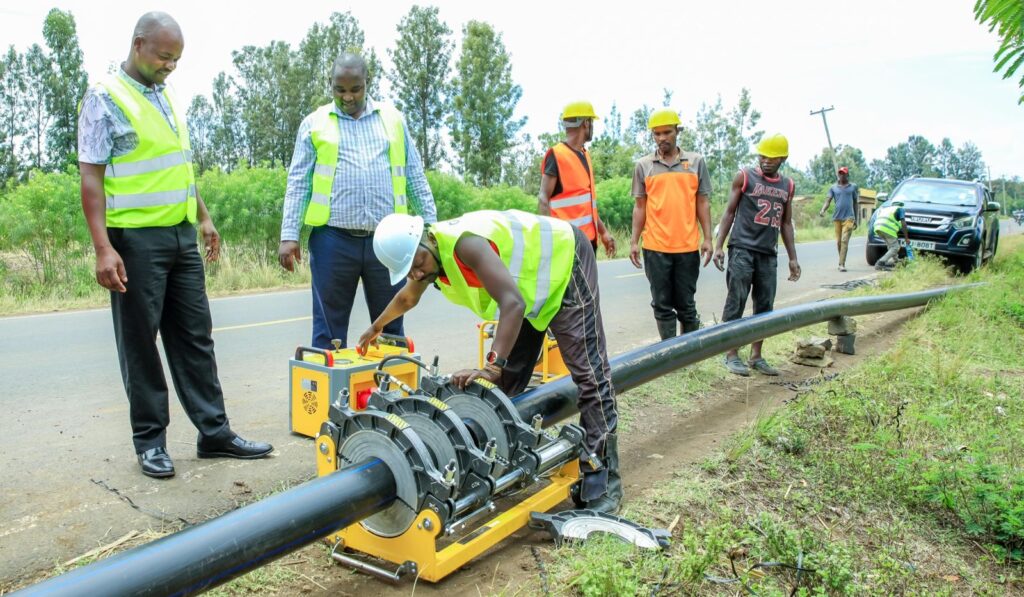
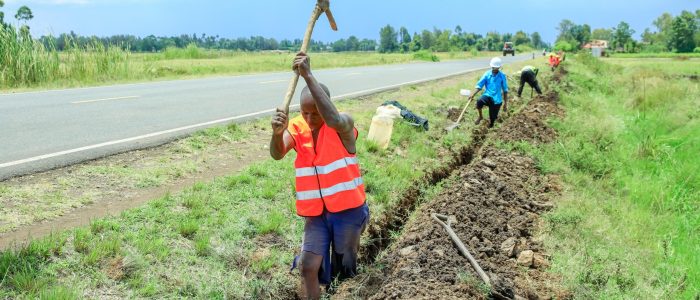
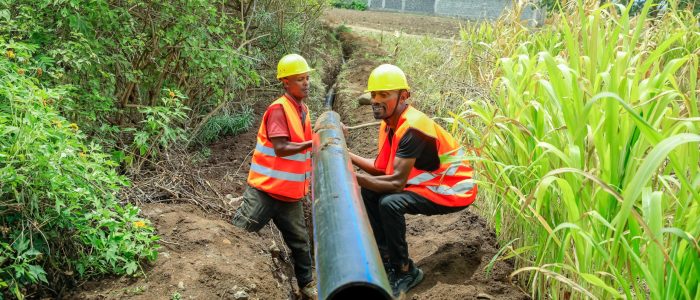
County Government of Kirinyaga has commenced the laying of underground high density water pipes to supply clean domestic water to over 30,000 households in Mwea Sub-County.
Works for extension of the Kandongu-Mutithi bulk water pipeline to supply villages in Mutithi and Wamumu wards has already commenced with rehabilitation of the Nyamindi intake to service parts of Nyangati, Gathigiriri, Tebere and Thiba wards also underway.
Governor Anne Waiguru said she has allocated Ksh.100 million to improve access to clean, reticulated water for Phase 1 of the Mwea bulk water supply project.
Waiguru said the flagship project involves extension of main pipeline and feeder lines, rehabilitation of intakes, supply of pipes and fittings to extend access to clean water to eight wards in Mwea Sub-County.
Works for the extension of the Kutus – Kimbimbi bulk water main pipeline and feeder lines to supply domestic water to residents of Gathigiriri, Tebere and Thiba wards are also set to commence. Murinduko ward will be serviced through the completion of the Mugaru water project.
She said Kangai ward will be serviced through the extension of existing lines to areas such as Kombuini, Kangai and Karii.
The Governor said the project will help in significantly improving public health, boosting economic stability and closing long-standing water coverage gaps in the region.
“Once the project is completed, it will bring the percentage of residents with clean access to water to 78% in the county. Supply of clean water in the villages across the eight wards will help in reducing the burden of waterborne diseases caused through consumption commodity from unsafe sources,” Waiguru said.
Governor Waiguru described the project as part of her broader strategy to enhance dignity, equity and climate resilience across the county.
“Investment in water infrastructure and climate-resilient is not just about pipes and boreholes, it’s about dignity, health and opportunity,” she said.
“By expanding access to clean water and empowering our communities to lead environmental action, we are laying the foundation for a greener, fairer and more prosperous Kirinyaga,” she said.
Speaking during an inspection tour of the ongoing works, County Executive Committee (CEC) Member for Environment, Energy, Climate Change, Natural Resources, Water and Irrigation, James Mutugi, underscored the scale and impact of the initiative.
“We are delighted that this project has commenced, it will ensure that all the people of Mwea get clean reticulated water. The areas have had no piped water and this will have a very big impact to the people in terms of health,” he said.
Mutugi explained that the project consists of five major components designed to expand supply, improve water quality and strengthen distribution systems.
He said the flagship project has about five components which include; extension of Kandongu – Mutithi and Kutus – Nyangati – Kimbimbi bulk water pipeline, rehabilitation of Nyamindi intake, supply of pipes and fittings.
He said rehabilitation of Nyamindi intake will increase water volumes along the Mwea-Makima system.
“It is also aimed at increasing the water volume along the Mwea-Makima water project so that once the main works are done, the people of Mwea are going to get more clean water volumes,” Mutugi added.
In long term, Mutugi emphasized the initiative targets to improve clean water access to over 100,000 households.
“When people are supplied with clean reticulated water for that purpose we are guaranteed of a serious reduction in waterborne diseases like cholera and typhoid, all which are related to consumption of water from contaminated sources,” he added.
Mutugi said supply of clean water to the community will help reduce disease burden and empower people economically.
“We are saying it is an improvement to the health and also an increase in the economic levels of our people because the monies they have been using to attend to diseases will now be used to do something else,” he noted.
Residents of areas that will be connected to the water pipeline have welcomed the development with enthusiasm, describing it as life-changing.
Lilian Wanjiku said, “We are very happy to get this water project close to us. Previously, we have been using water from wells and the canal, which is usually very dirty and full of impurities and this would make people sick. We thank Governor Anne Waiguru for keeping her word and bringing us this project.”
Ndegwa Ikubu, a resident of Mugaa village in Mutithi ward, said supply of piped water to his village was long overdue.
He said majority of the residents have been fetching the essential commondity from canals supplying irrigation water to rice farms which sometimes is contaminated.
“We have waited for this project for many years, but we are elated to finally have piped water, this will have great impact to us as we will not consume untreated water from canals again. We had become used to waterborne diseases like bilharzia, amoeba, and typhoid,” he said.
Peterson Njuguna, a resident of Mutithi described the project as historic for his community. “Ever since I was born here, I have never seen piped water in our homes, this project is life changing.
The State Department for Immigration and Citizen Services has confirmed that the eCitizen digital service platform is now fully operational following a temporary disruption that affected access for thousands of users.
The disruption, which according to some users started on Monday, March 2, saw citizens reporting difficulties logging into their accounts and, in some cases, missing personal information.
Complaints first surfaced on social media, with users describing error messages that prevented them from completing essential tasks, including payments, passport applications, and other government services.
In an official statement, the Directorate of eCitizen acknowledged the inconvenience caused and expressed regret for any difficulties experienced during the downtime.
“All services are now operational and accessible as normal,” the Directorate said, urging citizens to resume using the platform at accounts.ecitizen.go.ke/en.
The Directorate thanked the public for their patience and continued trust in government digital services. “We wish to express our gratitude to the public for their understanding.
Measures are being undertaken to prevent a recurrence and to further strengthen the reliability of the platform,” the statement read.
eCitizen is the government’s flagship digital platform, hosting thousands of online services ranging from business registration and land transactions to immigration services and utility payments.
While the platform has streamlined service delivery across multiple government agencies, users have occasionally experienced technical glitches and prolonged outages.
During the latest disruption, some users reported that although they could log in eventually, personal data had vanished from their accounts, leaving them unable to complete time-sensitive transactions.
The Directorate assured citizens that these issues have now been resolved and that their information remains secure.
Digital services experts note that temporary outages can occur due to maintenance, server overloads, or software updates.
They also stress that proactive communication and timely resolution are crucial to maintaining public confidence in online government services.
With the platform fully restored, the Directorate encourages users to resume accessing critical services, including passport applications, national ID services, business licensing, and payments for government fees.
The government has reiterated its commitment to improving the reliability and resilience of eCitizen to ensure that Kenyans can continue to access public services seamlessly in the digital era.
For support or inquiries, users are advised to contact the Directorate of eCitizen through official channels or visit their nearest service centre for assistance.
The restoration comes at a time when digital platforms have become central to government service delivery, reducing the need for physical visits and improving efficiency for citizens across the country.
Kenya’s national carrier Kenya Airways has signed a unilateral codeshare agreement with US-based airline JetBlue in a move aimed at strengthening connectivity between East Africa and the United States.
The national carrier added that the deal would offer its customers more travel options and seamless connections across an expanded network.
The deal will see the two airlines partner in flights from John F. Kennedy International Airport to multiple destinations in America.
“Through this partnership, we will place our flight code on JetBlue-operated services from JFK to several key U.S. destinations, including Los Angeles, Chicago, San Francisco, Orlando, Atlanta and Fort Lauderdale,” the statement read in part.
A file image of the vertical stabilisers of a KQ and JetBlue aeroplanes.
Furthermore, the codeshare agreement would address the struggles experienced by passengers travelling on connecting flights.
“Customers will be able to travel on a single ticket with smooth connections through Nairobi and New York, making journeys between Africa and the United States more convenient,” KQ stated.
Kenya Airways maintained that the collaboration would support its strategy to grow its global networkthrough strong partnerships.
The airline reiterated its commitment to delivering greater choice and a seamless travel experience for its clients.
The new deal came a year after KQ signed a Memorandum of Understanding (MoU) with Qatar Airways.
Following the MoU, Qatar Airlines introduced a third daily flight between Doha and Nairobi, operated in codeshare with Kenya Airways.
The agreement also promised the launch of a new flight route, a direct flight from Moi International Airport (MIA) in Mombasa, to Doha, Qatar.
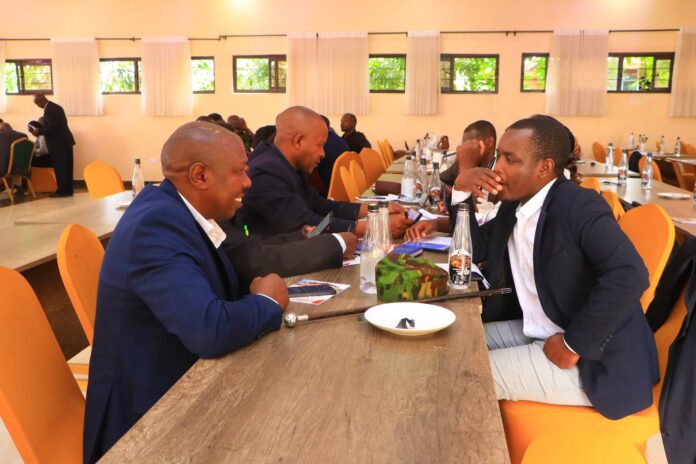
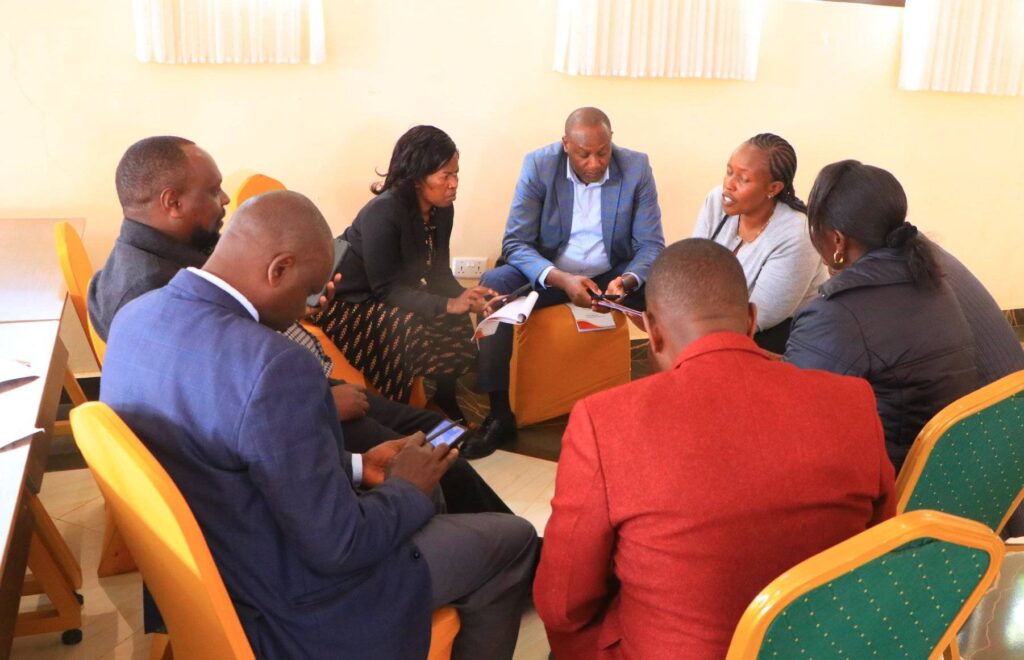
The County Government of Bomet – Department of Lands, in partnership with the Food and Agriculture Organization of the United Nations (FAO) and the Judicial Service Commission, convened a sensitization and CAP validation session on the implementation of the Alternative Justice System (AJS).
The session aimed to situate AJS within Kenya’s multi-door justice framework and its constitutional foundation, strengthen and equip judicial officers, court staff, Bomet CUC members and stakeholders on mainstreaming and accelerating AJS guidelines and catalyse the CAP process by constituting a pool of AJS champions.
AJS expands access to justice by providing fair, affordable, culturally relevant and rights-based dispute resolution mechanisms.
The forum was led by Hon. Justice Prof. Joel Ngugi ( Chair NaSCI-AJS).
In attendance were Chief Officer Lands Hon. Haron Kirui, representatives from FAO, AJS, the Department of Lands, the Bomet Judiciary, the Office of the Director of Public Prosecutions, Bomet OCS, the Office of the Attorney General and members of the Court Users Committee.
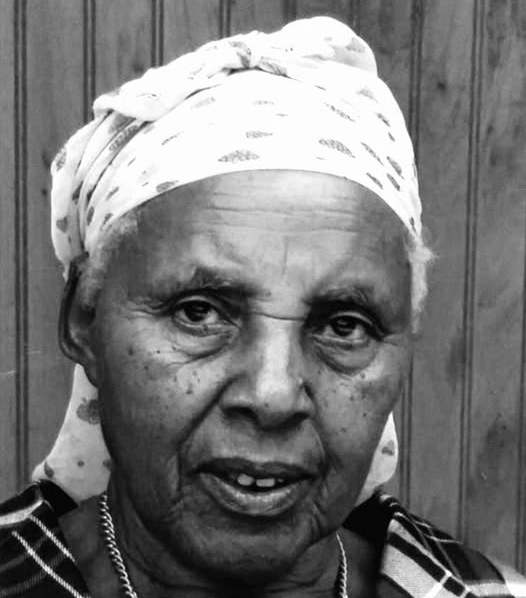
Former Deputy President Rigathi Gachagua has mourned the death of Mama Lucia Wangui Thang’wa, the mother of Kiambu Senator Karungo wa Thang’wa.
In a condolence message on Thursday, Gachagua described the late Lucia as a devoted mother and a strong matriarch whose life was defined by resilience, sacrifice and dedication to family.
“It is with deep sadness that I have learnt of the passing on of Mama Lucia Wangui Thang’wa,” Gachagua said.
He said the late Lucia was a shining example of a hardworking and devoted mother “who, together with her late husband Stephen Kimani Thang’wa, raised thirteen children.”
According to the DCP leader, Mama Lucia passed away at the age of 93 after developing breathing complications. She died in the presence of her son Senator Karungo wa Thang’wa and caregivers.
Gachagua said the late Lucia played a significant role in nurturing and raising children who have gone on to make meaningful contributions to society in different professional fields.
“Through her nurturing and guidance, she brought into this world many gifted and honest children,” he said.
Among her children is Senator Karungo wa Thang’wa, a prominent political leader in Kiambu County.
The family also includes Fr. Michael Thang’wa, a Catholic priest; Kihara wa Thang’wa, a global humanitarian; and Wambui Thang’wa and Wanjiru Thang’wa, who both work as nurses.
Gachagua noted that Mama Lucia’s legacy would live on through the achievements and service of her children, describing her life as a testament to love, strength and commitment to family values.
“She leaves behind a remarkable legacy through her sons and daughters who continue to contribute positively to society,” he said.
Gachagua also conveyed his heartfelt condolences to Senator Karungo wa Thang’wa, the entire Thang’wa family, relatives and friends during the difficult moment of grief.
“May the soul of Mama Lucia rest in eternal peace and perpetual light shine upon her forever,” Gachagua said.
On his part, Karugo revealed that his mother battled dementia.
“I am not even sure she ever got to know that I was elected the Senator for Kiambu. But every time I saw her, sat with her, or spoke to her, I found strength to keep going.
“She may not have remembered many things in her final years, but to us she remained the strong matriarch who, together with our late father, raised thirteen children with love, sacrifice, and discipline,” he said.
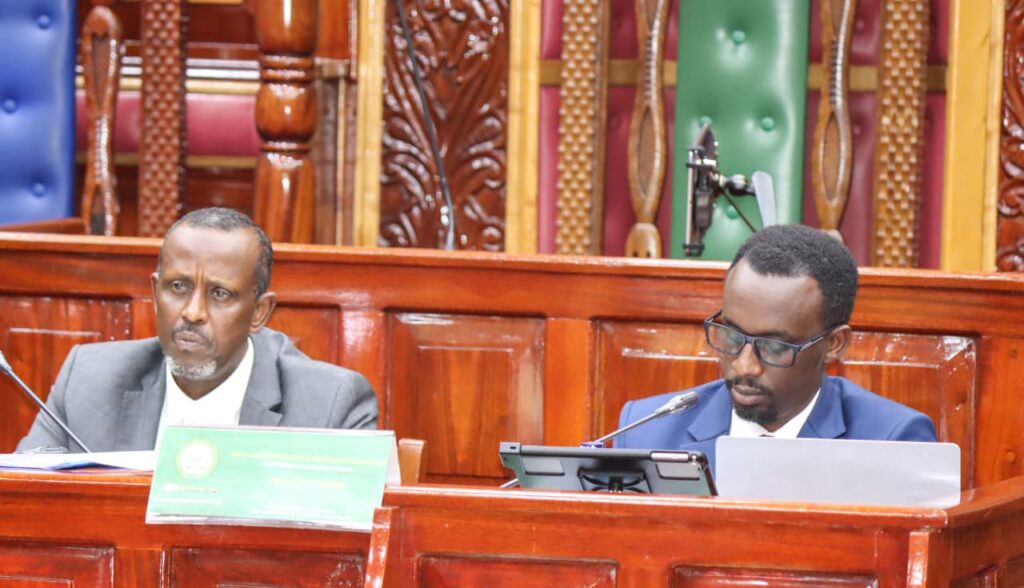
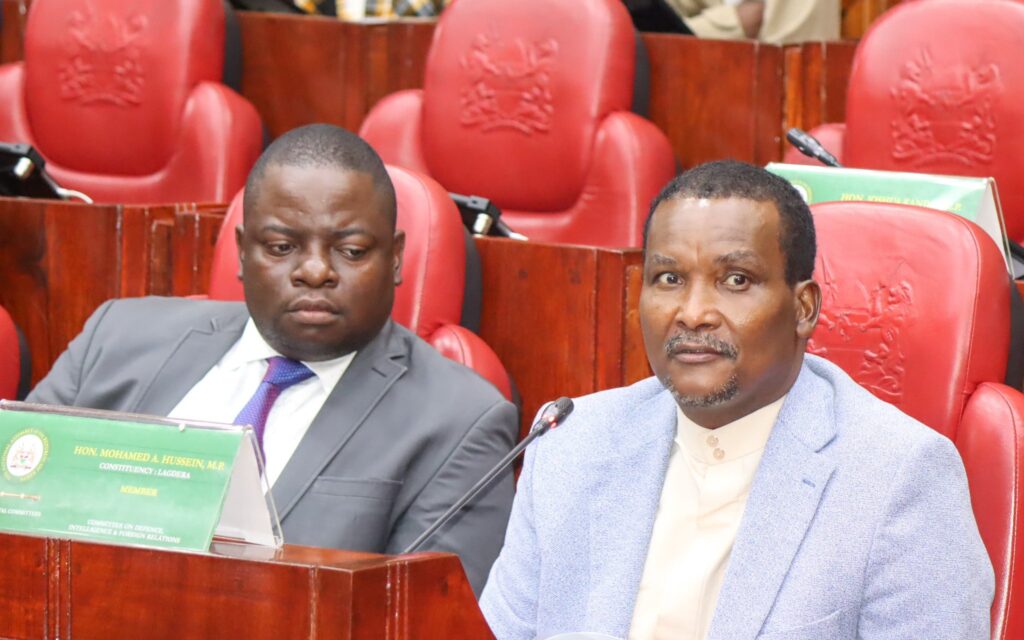
The National Assembly’s Departmental Committee on Defence, Intelligence and Foreign Relations has today conducted an approval hearing for Kosiom Frank Ole Kibelekenya, who has been nominated to serve as Kenya’s Ambassador to Copenhagen in the Denmark.
During the session held at Parliament Buildings, Members of the Committee interrogated the nominee on his professional background, leadership experience and readiness to represent Kenya’s interests abroad, in line with the oversight role of the National Assembly of Kenya.
In the course of the vetting, the Committee examined the nominee’s integrity, financial standing and understanding of diplomatic responsibilities.
Mr. Kibelekenya disclosed that his estimated net worth stands at approximately KES 45 million, drawn from salary earnings, personal savings, farming and cattle rearing.
Members also sought clarity on his vision for strengthening Kenya’s diplomatic and economic ties with Denmark, particularly in areas of trade, investment and development cooperation.
In response, the nominee expressed his enthusiasm to serve in the position nominated for, and pledged to enhance relations between the two countries should his appointment be successful.
“I look forward to being the first Ambassador. I want to assure this Committee and the country that Kenya will be well represented. I will guide on socio-economic development between the two countries, and I will work effectively and efficiently,” Mr. Kibelekenya told the Committee.
The Committee will now prepare a report on the approval hearing and table before the House for consideration.
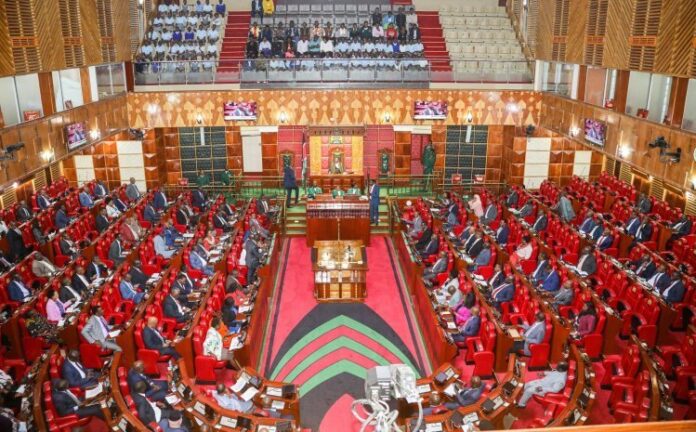
The National Assembly has passed the National Infrastructure Fund Bill (National Assembly Bill No. 1 of 2026), moving the legislation one step closer to becoming law.
The bill, introduced by Majority Leader Kimani Ichung’wah, underwent its third reading in the House before lawmakers voted on Thursday, March 5.
Following deliberations, a large majority of members approved the bill through the traditional “yea or nay” vote called by the Speaker. Effectively, the bill will now move to the President for assent, the final step before it becomes law.
The NIF aims to mobilise almost Ksh5 trillion over the next ten years, whose main objective is to transition infrastructure finance from a debt-led paradigm to an investment-led model.
The bill was subjected to the first reading, where it was introduced in the National Assembly, and at the Committee Stage, it underwent rigorous scrutiny, including stakeholder engagements, public hearings, and submissions from bodies like the Institute of Public Finance and ICPAK (Institute of Certified Public Accountants of Kenya).
It was later subjected to the second reading, which involved report tabling, where the Finance Committee had recommended the Bill.
The Fund seeks to shift infrastructure financing away from heavy public borrowing by mobilising private capital and alternative funding sources such as pension funds, collective investment schemes, sovereign wealth funds, and climate finance.
Legally structured as a body corporate, the Fund can own property, enter contracts, and invest in projects, but is barred from borrowing or taking credit against its balance sheet.
The fund will be overseen by a seven-member Board of Directors, chaired by an independent director, with the National Treasury Cabinet Secretary also sitting on the board.
The board will include four independent directors and two development banking experts, with strict rules barring members from recent government employment or political affiliations to safeguard independence.
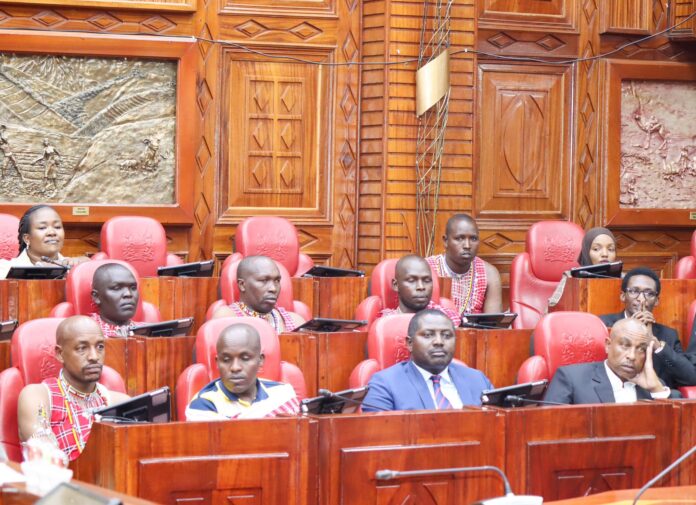
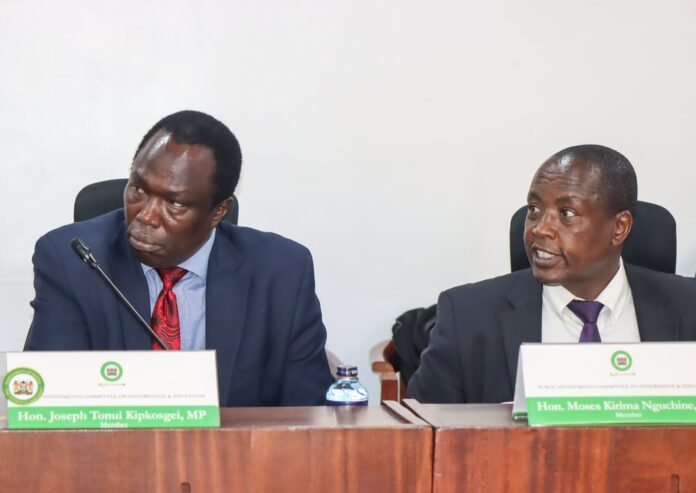
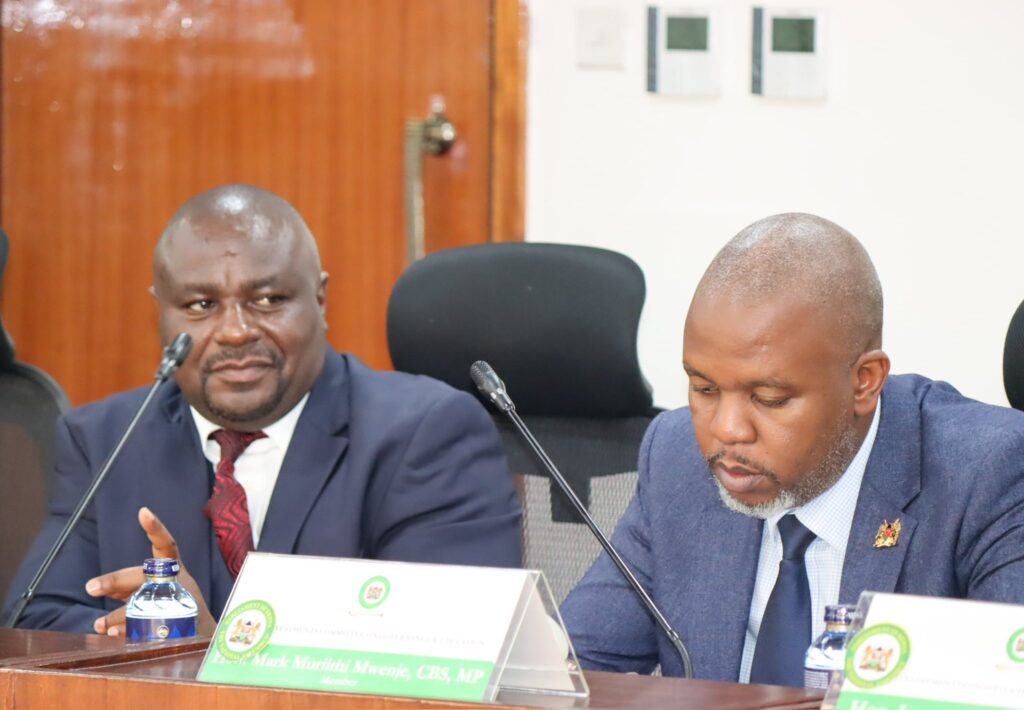
The National Assembly’s Public Investments Committee on Governance and Education has intensified oversight across technical and vocational institutions, reinforcing the need for prudent management of public resources and strong governance in the education sector.
During a meeting chaired by Hon. Wanami Wamboka, the Committee engaged officials from several Technical and Vocational Education and Training (TVET) institutions to review financial management, administrative systems, and compliance with government regulations.
Among the issues raised was the irregular transfer of land at the Kenya School of TVETs, a matter now expected to be addressed by the Ministry of Lands and Physical Planning. The Committee emphasised the importance of safeguarding institutional assets to prevent the loss of public property.
At Keroka Technical Training Institute, Members highlighted the absence of a title deed for the institution’s land, noting that the matter is currently before court. The Committee also raised concern over delayed capitation funds, which have resulted in long-standing receivables and operational challenges.
Governance and systems management also came under scrutiny. Rangwe Technical and Vocational College was advised to address ethnic imbalance in its staffing and to operationalise a functional Enterprise Resource Planning (ERP) accounting system to strengthen financial accountability.
Orogare Technical and Vocational College was urged to fully activate key ERP modules, including human resource and examinations systems, while taking deliberate steps to improve ethnic diversity in its workforce.
The Committee further directed Omuga Technical and Vocational College and West Mugirango Technical and Professional College to reappear before it at a later date after the institutions failed to adequately prepare for the audit session.
Chairperson Hon. Wamboka urged institutional leaders to treat audit processes with the seriousness they deserve, noting that proper preparation and transparency are essential in safeguarding public resources and strengthening governance across the education sector.