For months, Spanish-speaking callers to the Washington state Department of Licensing who pressed 2 for automated service were met with something unexpected: an AI-generated voice speaking English in a thick Spanish accent.
The glitch, which has since been fixed, left some callers confused and others frustrated—but at least one family found the situation so bizarre it reminded them of a comedy show.
Maya Edwards, a Washington resident, first encountered the problem last summer when her Mexican husband tried using the Spanish-language option to get information about his driver’s license.
Though bilingual, he noticed the wait time for an English-speaking representative was long and opted to press 2 for Spanish, hoping for a quicker resolution.
Instead, he got an AI voice reading English text with a synthetic Spanish accent.
“It was hilarious to us in the moment because it was so absurd,” Edwards said Thursday. “But at the same time, it has real accessibility issues for people who call in every day and need to speak in a language other than English.”
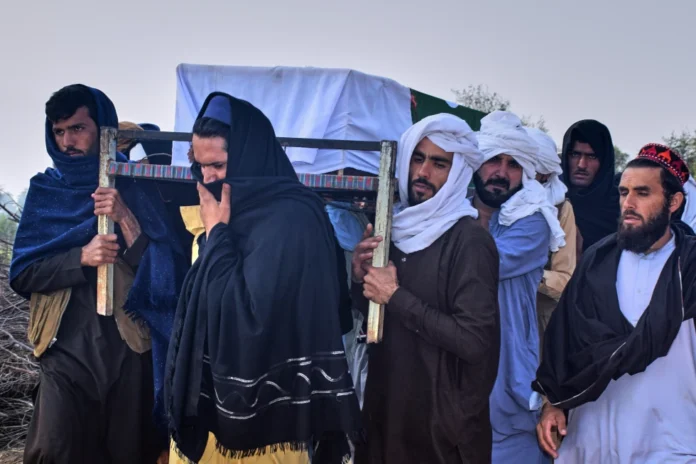
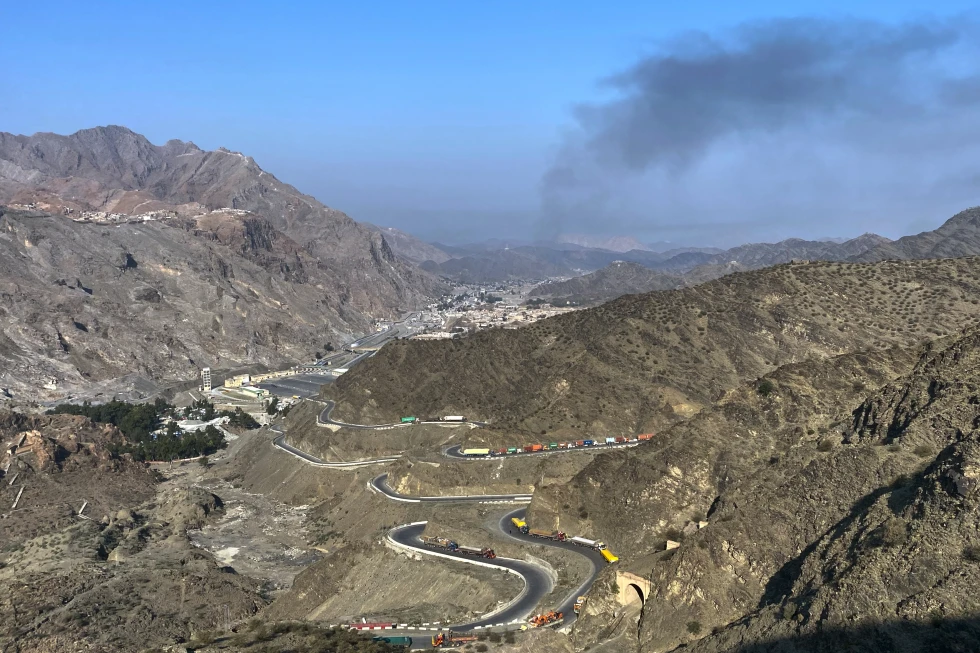
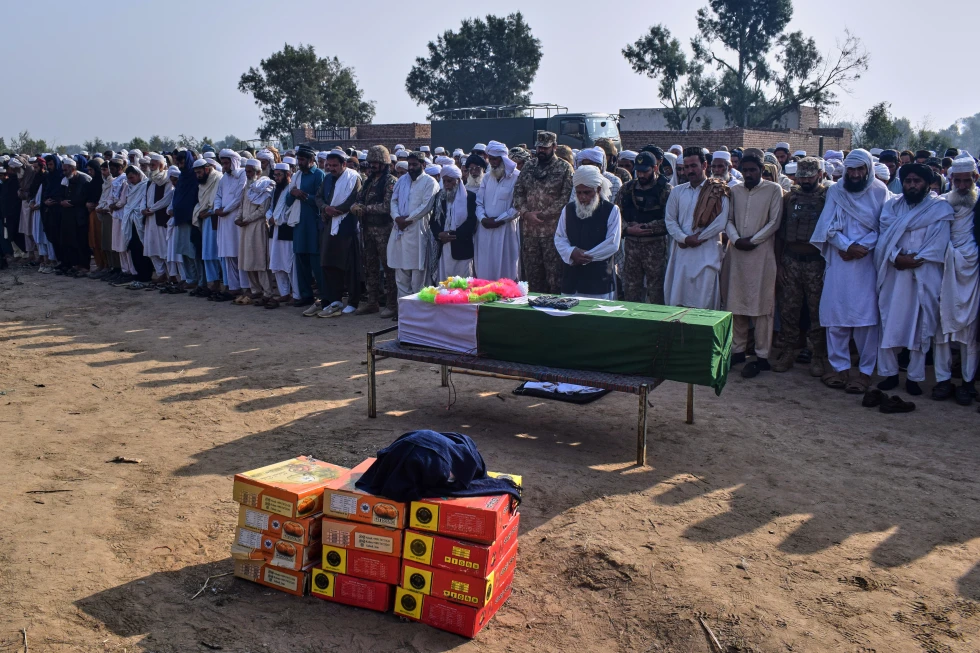
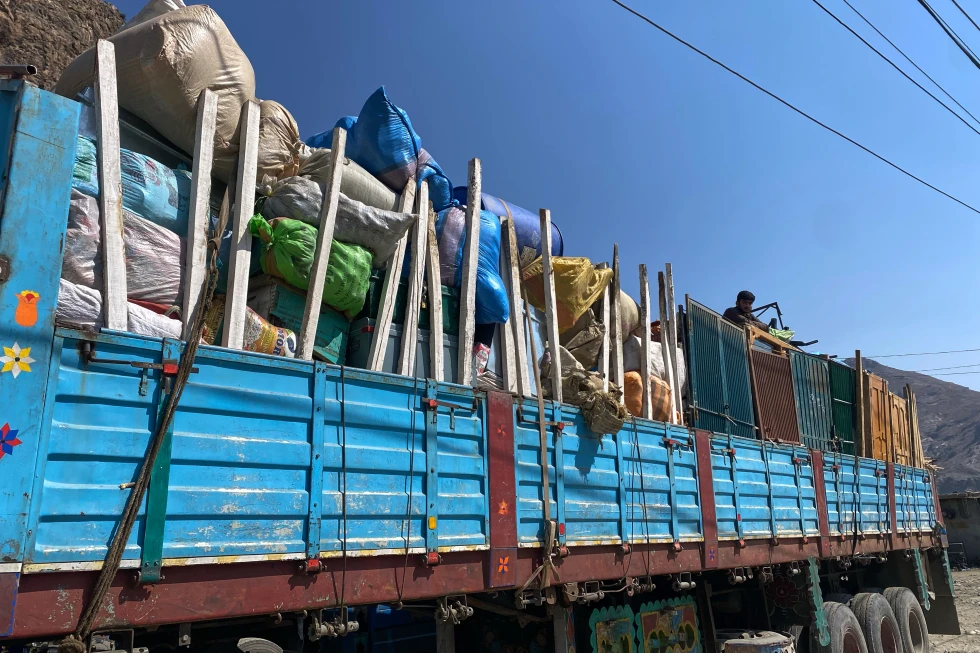
Pakistan’s military has carried out days of airstrikes and artillery barrages against Afghan military installations deep inside Afghanistan, killing more than 300 Afghan forces, Pakistani officials said Saturday, marking a dramatic escalation in cross-border hostilities.
The clashes, which began Thursday night, represent one of the most significant confrontations between the neighboring countries in recent years.
According to Pakistani officials, the violence erupted after Afghanistan launched strikes in response to earlier Pakistani attacks targeting what Islamabad described as militant hideouts.
Pakistan’s Information Minister, Attaullah Tarar, provided detailed casualty figures, stating that more than 331 Afghan Taliban forces had been killed and over 500 wounded during the ongoing military operations.
He also claimed that Pakistani forces had destroyed 102 Afghan military posts, captured 22 others, and destroyed 163 tanks and armored vehicles at 37 locations.
State-run media in Pakistan reported Saturday that the air force had carried out strikes targeting key military installations in various areas of eastern Afghanistan overnight and into the early morning.
Pakistan initially said its strikes had targeted seven training camps and hideouts belonging to the Tehrik-e-Taliban Pakistan (TTP), a militant group known as the Pakistani Taliban. The TTP is a separate organization but maintains close ties with Afghanistan’s ruling Taliban.
There was no immediate comment from Afghan authorities regarding the Pakistani claims. The Taliban-led government in Kabul has previously demanded that Pakistan respect its territorial sovereignty.
Benfica say they have suspended five supporters for behaviour “of a racist nature” during the first leg of their Champions League knockout play-off against Real Madrid this month.
Play in Lisbon was suspended for 10 minutes after Real Madrid’s Vinicius Jr told the referee that he had been racially abused by Benfica’s Argentine winger Gianluca Prestianni, who denies the claims.
“Benfica informed that it has suspended the memberships of five members following the initiation of disciplinary proceedings that led to the application of the maximum sanction stipulated in club’s statutes, which is expulsion,” the Portuguese club said in a statement.
“An internal investigation initiated after the match between Benfica and Real Madrid, held on 17 February, and the adoption of inappropriate behaviour in the stands, of a racist nature, incompatible with the values and principles that govern the club.
“Benfica reaffirms that it does not tolerate any form of discrimination or racism and will continue to act firmly when behaviours undermine the values of the club.”
Vinicius had put the visitors ahead in the game but was booked for an excessive celebration in front of Benfica supporters.
Television footage showed some fans appearing to make racist gestures aimed at the player.
After an exchange with Prestianni he ran over to the referee, gesturing in the direction of the Argentina player before walking off the pitch, followed by his team-mates.
When play resumed, an object was thrown from the crowd that struck Vinicius on the arm as he prepared to take a corner.
Speaking after the game, Benfica manager Jose Mourinho said Vinicius had acted disrespectfully and incited the crowd.
Those comments were criticised by former Real midfielder Clarence Seedorf among others.
Prestianni was handed a provisional one-match ban by Uefa and missed Wednesday’s return leg, which Real won 2-1 to go through 3-1 on aggregate.
Vinicius, who scored again at the Bernabeu, was booed by the away supporters.
On Thursday, Benfica issued a statement denying a claim that Prestianni had told the squad or club officials that he had uttered a racist insult to Vinicius.
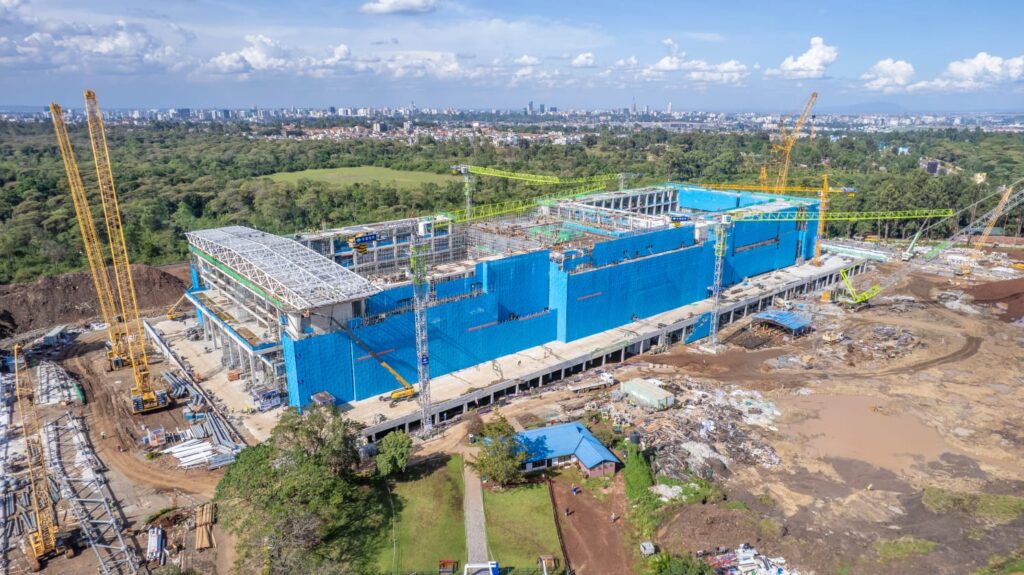
President William Ruto has projected that the Bomas International Convention Complex (BICC) will be Africa’s premier hub for meetings, incentives, conferences and exhibitions.
Speaking on Friday, February 27, after inspecting the construction works at the facility, Ruto disclosed that BICC will accommodate 11,000 delegates simultaneously.
He reiterated that the Complexe’s hosting ability would strengthen Kenya’s global standing in tourism and international conferencing.
“Once complete, the complex will accommodate 11,000 delegates across 35 meeting halls and rooms, with the main conference hall hosting 3,000 participants,” Ruto disclosed.
The Head of State intimated that multiple establishments will also be built to offer accommodation and recreational activities.
President William Ruto during the inspection of construction works at the BICC on February 27, 2026.
“The broader development will also feature three hotels, a shopping mall and an amphitheatre, creating a fully integrated destination for global events and business tourism,” Ruto wrote.
The Complex will also have a presidential hall with lounges and VVIP offices. Aerial images shared by the President showed that the main conference hall was nearing completion.
There will also be an overpass built above Lang’ata Road to allow delegates access to the parking lot, which will be constructed across the road.
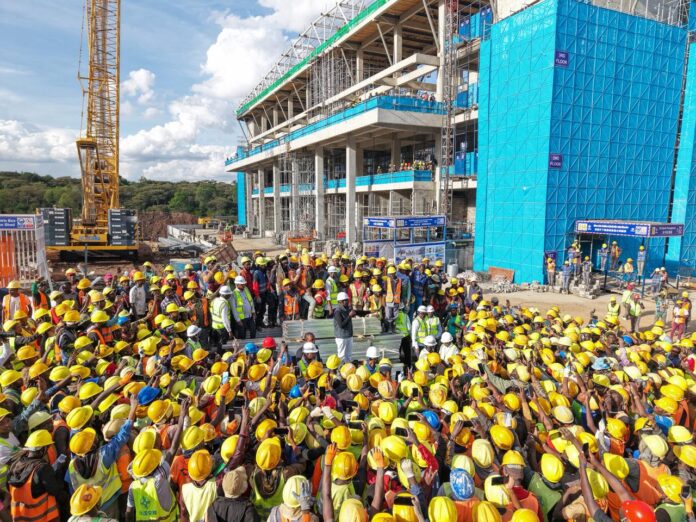
Ongoing construction of the Bomas International Convention Complex.
Notably, the construction of the Convention Complex has also created employment opportunities.
“More than 2,500 workers are currently on site working around the clock,” the President reiterated.
Engineers and architects projected that construction of the facility would be complete by April 2026.
The construction of the BICC was approved by the Cabinet in August 2023, but the construction works started in March 2025.
The project is estimated to cost Ksh31.5 billion and will be supervised by the Kenya Defence Forces under the Ministry of Defence.When President Ruto announced the launch of the project, he stated tha ot woul be an advancement of the Kenyatta International Convention Centre (KICC).
Access to BICC will be easier, especially for international delegates, owing to the Nairobi Expressway and the Southern Bypass, which feed traffic to Lang’ata Road.
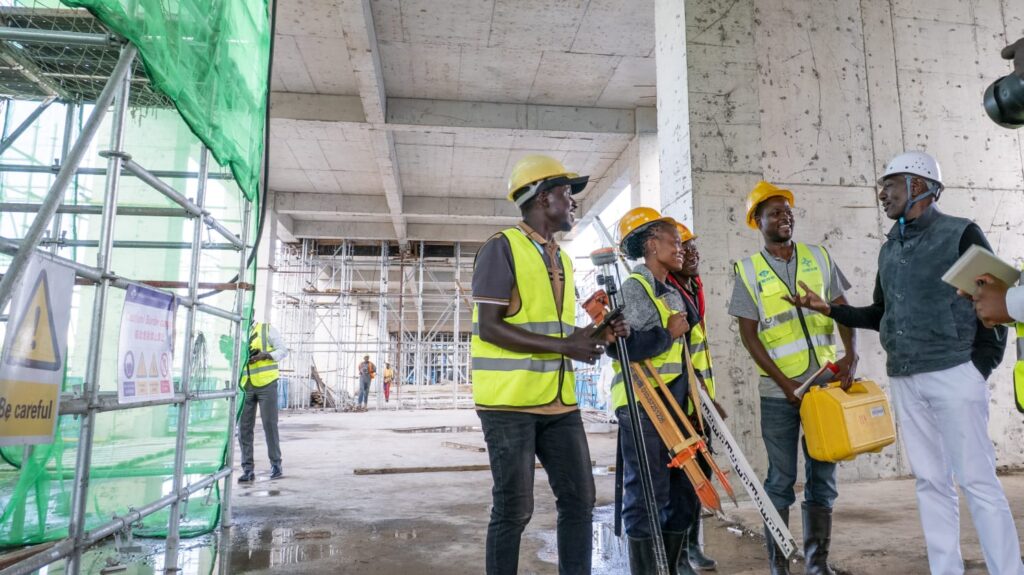
Ongoing construction of the Bomas International Convention Complex.
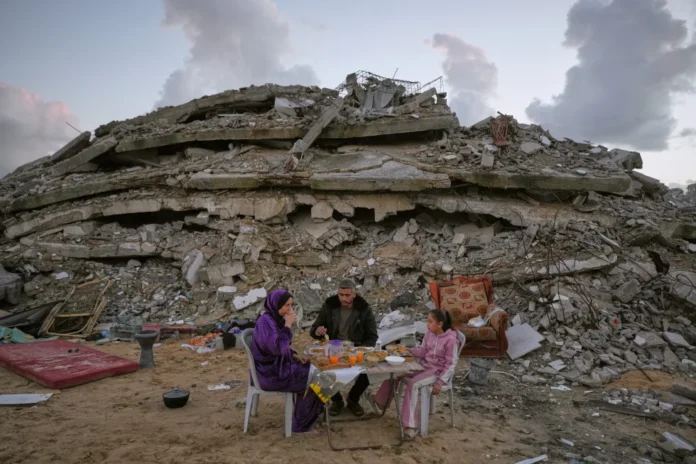
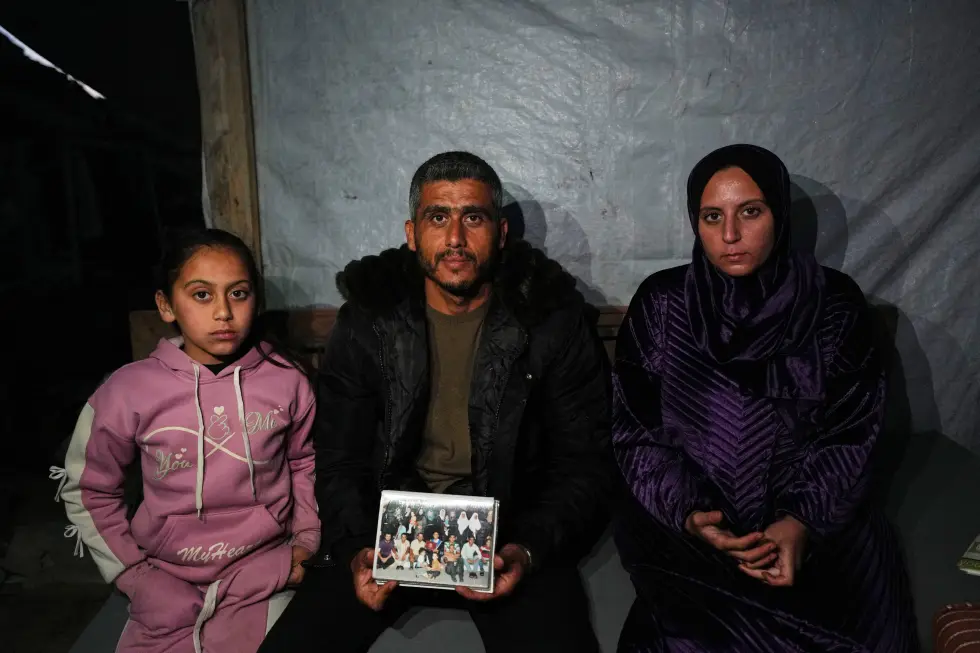
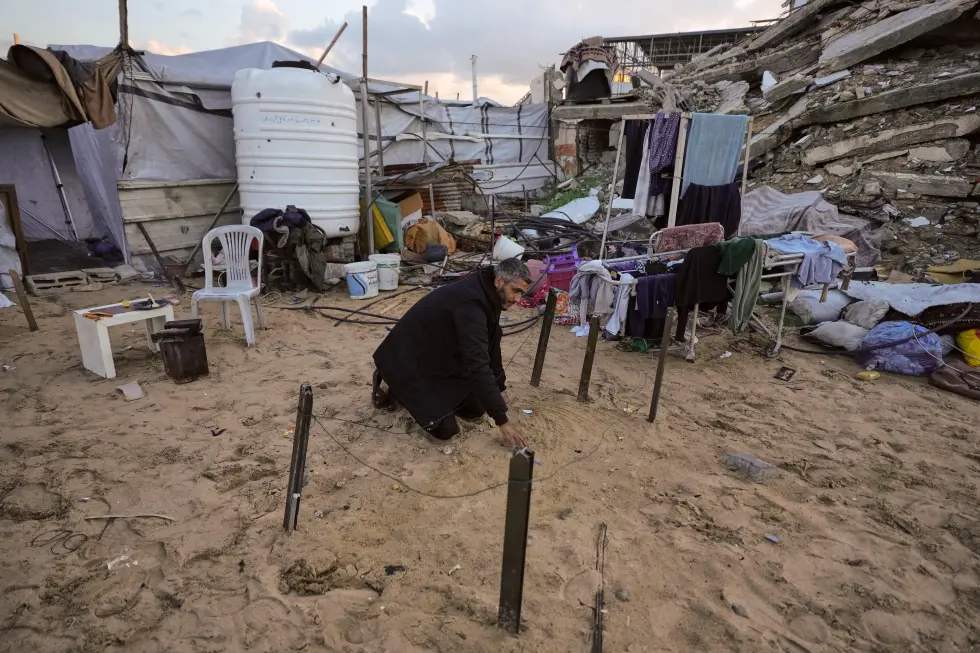
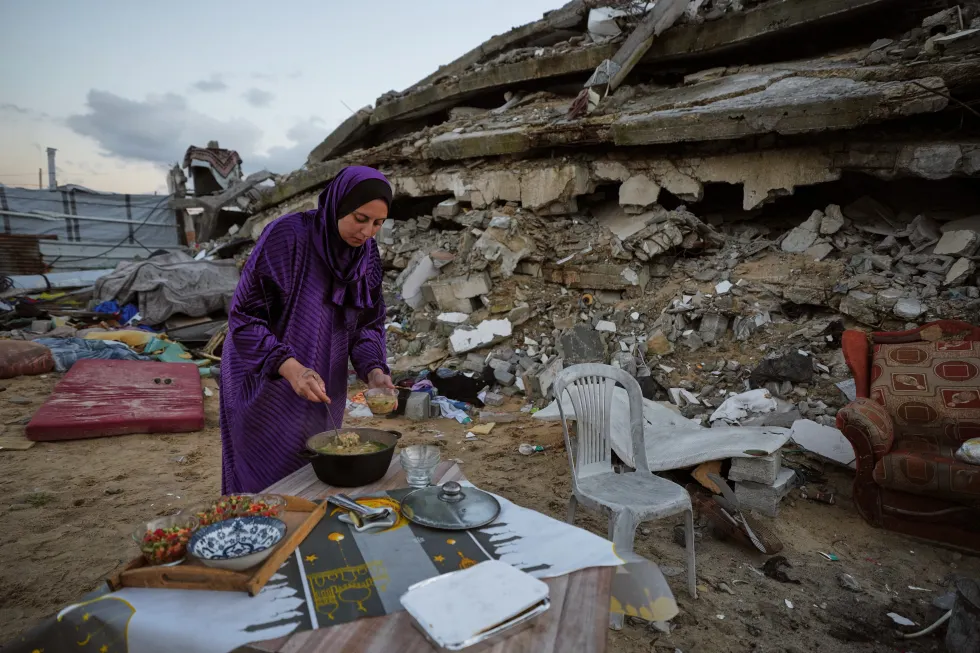
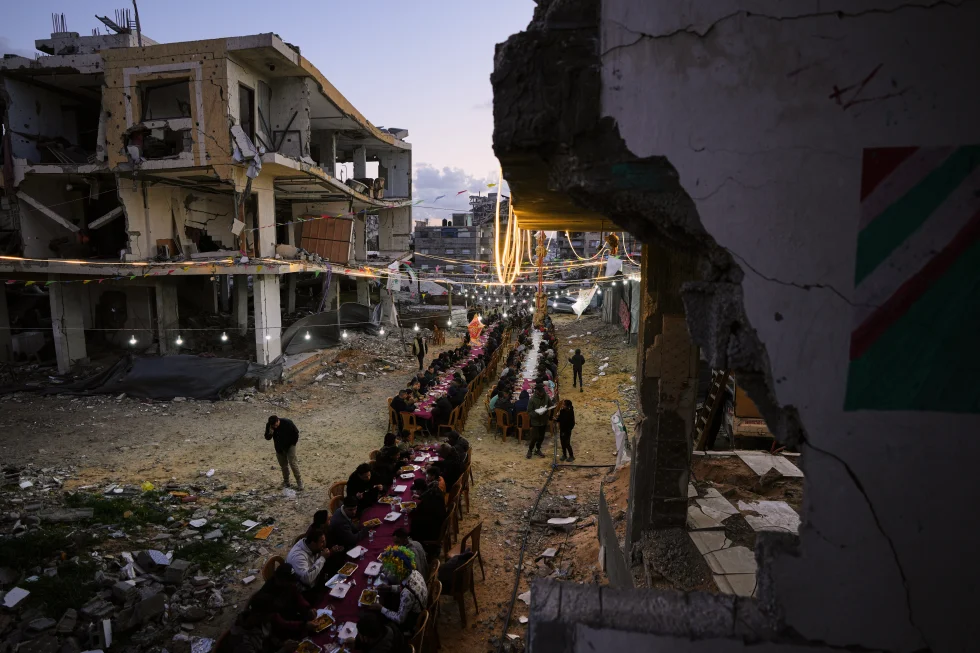
As the sun sets over Gaza City, Saddam al-Yazji, his wife and their young daughter sit on the ground, sipping noodle soup from plastic bowls. Their iftar table—a small folding stand—is set in the dirt at the foot of a mountain of twisted metal and shattered concrete.
It is the only place they have left.
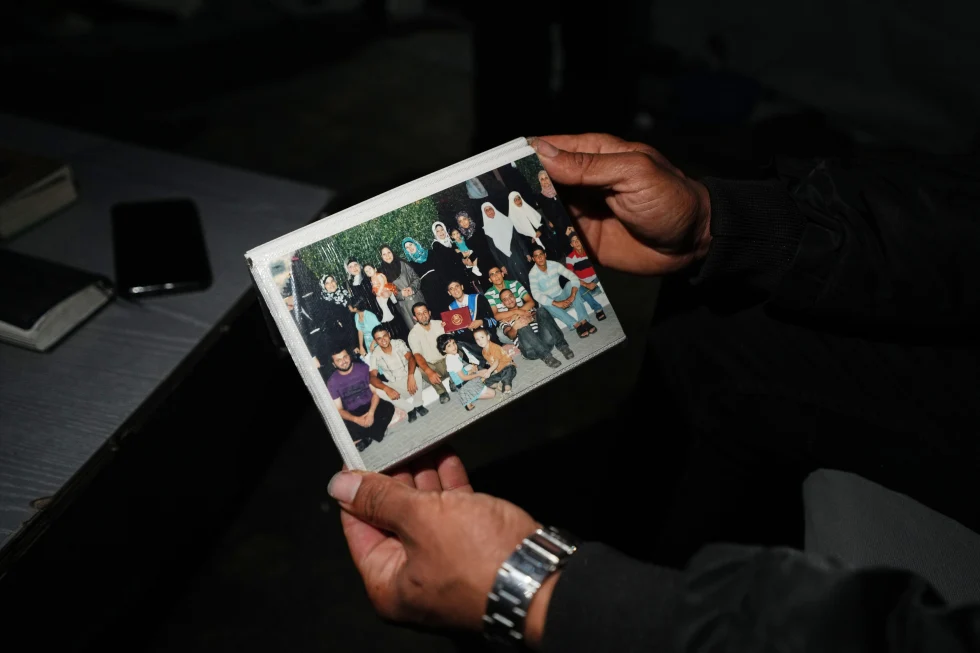
Buried beneath the debris behind them are the bodies of most of their family. Al-Yazji’s parents, his three brothers, his sister, and most of their children are gone.
His wife’s parents and siblings are also dead. In all, 40 relatives were killed in a single Israeli airstrike that leveled their home in December 2023.
“We break our fast here because this is where they are,” al-Yazji said quietly, gesturing toward the rubble. “This is where our life used to be.”
The Islamic holy month of Ramadan is traditionally a time for large, joyful family gatherings—homes filled with laughter, the smell of festive meals, and the warmth of multiple generations sharing the sunset meal.
For the al-Yazji family, and countless others across the Gaza Strip, the holy month has instead become a season of profound grief.
More than two years into the war between Israel and Hamas, many of the families observing Ramadan are doing so in mourning.
With vast swaths of the territory reduced to rubble and the death toll continuing to climb, the traditional iftar table has, for many, been replaced by a folding stand in the dust, set against the backdrop of what was lost.
The three survivors now eat their meager meal in the shadow of the destruction, surrounded by the silence where 40 voices once filled the air.
What began as a straightforward introduction by Nairobi Senator Edwin Sifuna has developed into one of the most recognisable political slogans in Kenya’s current discourse.
The phrase “Mimi ndio Sifuna” was initially used by Senator Sifuna at public forums and political meetings as a simple declaration of identity.
In recent months, however, it has evolved into “Sisi ndio Sifuna”, a rallying call adopted by sections of his supporters across the country.
Sifuna serves as Secretary General of the Orange Democratic Movement (ODM) and has been a prominent voice within the party. His profile rose significantly during internal and national debates over whether ODM should formally cooperate with President William Ruto’s United Democratic Alliance (UDA) and the Kenya Kwanza administration.
In this context, Sifuna publicly opposed proposals that ODM enter into a structured working arrangement with UDA. In media interviews and public addresses, he maintained that ODM had a responsibility to remain firm in its oversight role.
Attention around his stance grew further when some ODM members accepted appointments to serve in President Ruto’s Cabinet.
Sifuna questioned the political implications of those appointments, stating in public forums that the party needed clarity on its position as an opposition outfit. His remarks were widely reported and debated across mainstream and social media platforms.
As internal discussions within ODM continued, reports emerged of friction between leaders who supported engagement with the government and those who resisted it.
Sifuna was consistently associated with the faction opposed to formal cooperation with UDA. His repeated criticisms of the executive and defence of ODM’s independence drew reactions both within and outside the party.
During this period, Sifuna appeared alongside other political figures at events branded under the phrase “Linda Wananchi”. The forums focused on governance issues and political accountability, further amplifying his visibility in national politics.
Subsequent developments within ODM culminated in a decision by the party’s National Executive Committee (NEC) to oust Sifuna from his position as Secretary General.
The move generated significant national attention and intensified political debate. Following the ouster, which was later revoked by the Political Parties Disputes Tribunal (PPDT), he received support from different parts of the country, with sections of Kenyans adopting and popularising the phrase “Sisi ndio Sifuna” in public forums and across social media platforms.
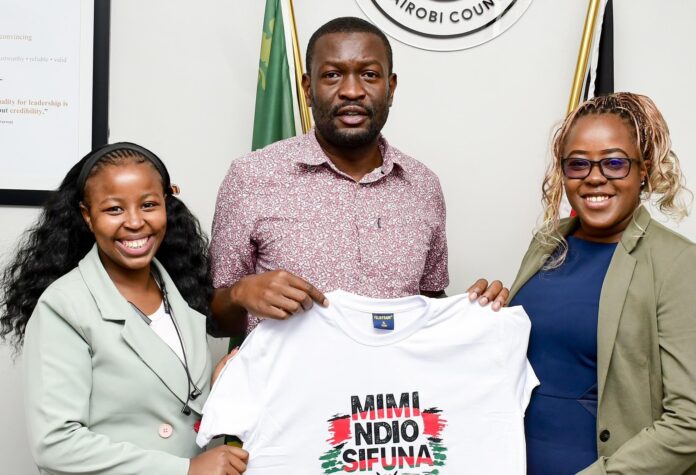
He also drew significant online attention after hosting two popular TikTok personalities at his office in Nairobi. Photos shared on his official X account showed the visitors presenting him with a white T-shirt bearing the inscription “Mimi ndio Sifuna.” The back of the shirt featured a printed Kenyan flag alongside the coat of arms.
In his caption, Sifuna thanked them for the gesture, writing: “Ma baddies wa pale TikTok wameamua kuni kit for Sunday. Thanks for the love and support, bwana. God bless.” The visit generated widespread reactions online, with several users echoing the slogan in their comments.
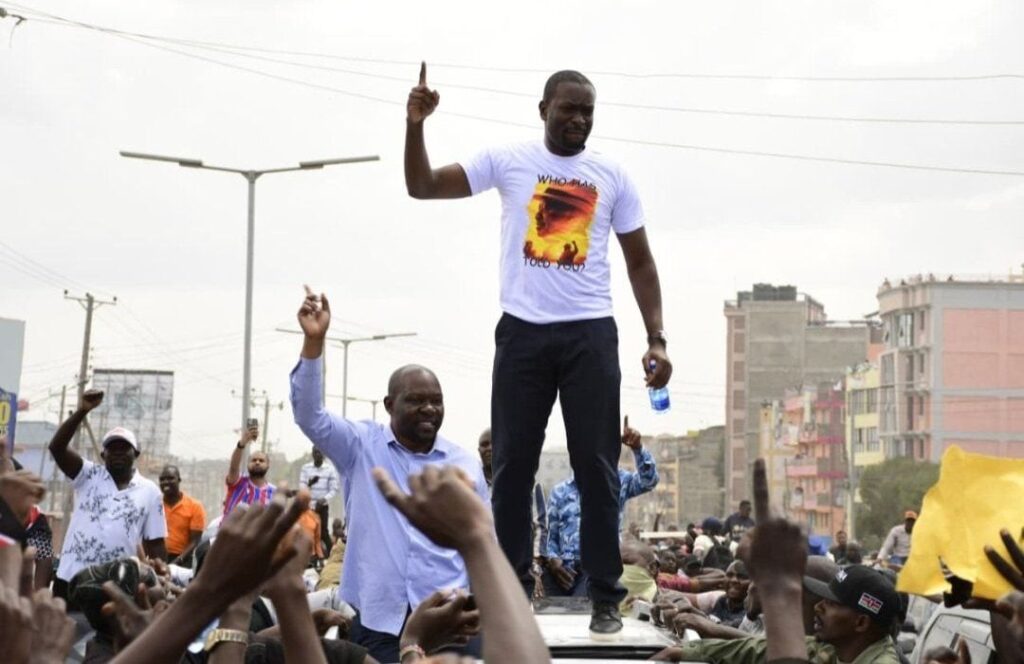
It was during this phase that the slogan became more widespread. Supporters posted the phrase “Sisi ndio Sifuna” on social media platforms, using it in hashtags, profile updates, and political discussions.
Placards bearing the slogan appeared at public gatherings and political events. The shift from the personal introduction “Mimi ndio Sifuna” to the collective expression “Sisi ndio Sifuna” marked a notable change in how the phrase was being deployed in public discourse.
The slogan has since featured prominently in online political conversations and at various events attended by opposition leaders. Its spread has coincided with continued discussions about ODM’s direction, opposition strategy, and relations with the Kenya Kwanza administration.
As Kenya’s political landscape continues to evolve, “Mimi ndio Sifuna” and its later adaptation, “Sisi ndio Sifuna” remain embedded in ongoing political discourse.
What started as a simple introduction at public forums has developed into a widely circulated phrase that is shaping political developments in the country.
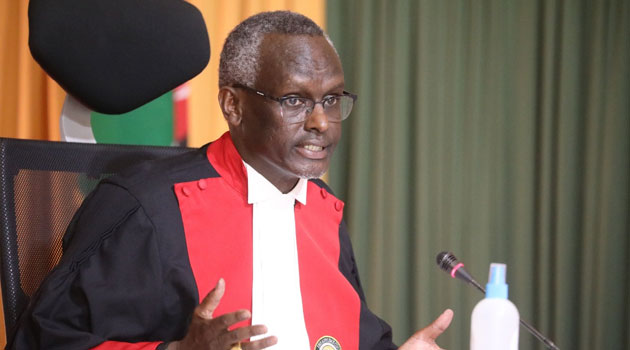
Judges of the U.N.-backed Residual Special Court for Sierra Leone(RSCL) have elected Kenyan Supreme Court Justice Isaack Lenaola as the court’s new president.
This follows a two-day plenary session focused on leadership changes and institutional reforms.
The court, which carries forward the mandate of the Special Court for Sierra Leone to address crimes committed during the country’s brutal civil war, announced the leadership changes in a statement on Friday.
Justice Lenaola, who had been serving as vice president of the court, was elected to a two-year renewable term as president.
“Justice Isaack Lenaola, the immediate past Vice President, is now President,” RSCL said.
He succeeds in steering an institution responsible for overseeing ongoing legal obligations related to the prosecution of war crimes, crimes against humanity, and other serious violations of international humanitarian law committed during Sierra Leone’s 1991–2002 civil war.
Lenaola has served as a judge of the Residual Special Court since 2013.
In Kenya, he has been a judge of the Supreme Court since 2016, following his tenure as presiding judge of the Constitutional and Human Rights Division of the High Court in Nairobi.
He previously served as a judge and deputy principal judge of the East African Court of Justice.
Also elected were Justice Andrew Hatton as vice president and Justice Tonia Barnett as staff appeals judge.
Hatton, appointed to the court in 2013, practiced law in the United Kingdom for 25 years and held part-time judicial roles before serving as an international criminal judge with the European Union Rule of Law Mission in Kosovo.
He was appointed a U.K. circuit judge in 2012.
Barnett, who joined the Residual Special Court in 2021, has served in Sierra Leone’s judiciary since 2017.
She previously worked as a magistrate for more than a decade, including as a senior magistrate, and has been a judge of the Court of Appeal since 2020.
During the plenary session, judges received briefings from the court’s registrar, prosecutor, and principal defender.
They deliberated on proposed amendments to the court’s rules of procedure, a draft stocktaking report, funding matters, and the institution’s 12th annual report, covering activities in 2025.
The Residual Special Court was established to continue the work of the Special Court for Sierra Leone after it formally closed in 2013.
Its responsibilities include supervising prison sentences, protecting and supporting witnesses, preserving the court’s archives, and assisting national authorities with related prosecutions.
The original Special Court, created jointly by the United Nations and the government of Sierra Leone, prosecuted senior leaders accused of bearing the greatest responsibility for atrocities during the civil war.
The conflict was marked by widespread killings, amputations, and the use of child soldiers.
For the first time in decades of polling, American sympathies in the Israeli-Palestinian conflict have shifted in favor of the Palestinians, according to a new Gallup survey, marking a dramatic reversal of long-standing public opinion.
The poll, released Friday, found that 41% of Americans now say their sympathies lie more with the Palestinians, compared to 36% who side more with the Israelis.
The remaining respondents expressed neither viewpoint or had no opinion.
The shift represents a significant realignment from just three years ago, when 54% of Americans sympathized with the Israelis and 31% with the Palestinians.
Gallup data shows the trend accelerated sharply during the recent war in Gaza.
The findings suggest a fundamental change in how the U.S. public views the decades-long conflict, ending an era of overwhelming American support for Israel that had persisted since Gallup began asking the question in the 1980s.
Analysts point to changing demographics, increased media coverage of Gaza casualties, and a growing debate on U.S. foreign policy as potential factors driving the shift.
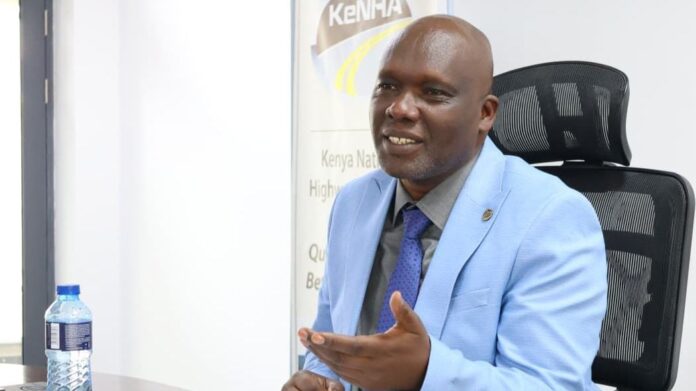
The Kenya National Highway Authority (KeNHA) has denied claims of charging businesses encroaching on Murang’a Highway Ksh70,000 to secure new ‘designated roadside stalls’.
KeNHA, in a statement issued on Friday, February 27, flagged a public notice circulating in Murang’a County as fake.
The notice alleged that the Authority planned to clear all road encroachments and build designated stalls, and charge an annual revenue fee of Ksh70,000.
“KeNHA wishes to notify the public that a notice currently circulating online alleging that the Authority intends to clear encroachments within the road reserve along Murang’a Highway is false,” the statement read in part.
KeNHA clarified that it had no plans whatsoever to conduct any demolitions and accused the perpetrators of trying to cause anxiety.
PHOTO | COURTESY An image of the notice flagged as fake by KeNHA.
“The said notice is misleading, intended to create unnecessary anxiety, and does not reflect the true status of any ongoing operations by the Authority in the area,” the Authority stated.
Kenyans have also been advised to verify information on social media on KeNHA’s official communication channels or through contacts the authority provided.
According to the doctored notice, owners of stalls, kiosks, structures, and merchandise were ordered to vacate within seven days.
The fake advisory that went viral claimed that the demolitions were meant to improve road safety, ensure the orderly use of the highway corridor, and reduce congestion.
Businesses had also been asked to obtain approvals from the county government and comply with the tax authorities. The mastermind of the scam provided contact details through which affected parties would make contact.
The fake notice comes in the wake of KeNHA conducting mass clearance of encroachments along major highways.
Last week, stalls and businesses at Githurai 45 were demolished by KeNHA after the lapse of a seven-day notice.
KeNHA explained that it planned to build a modern bus park and designated bus bays on the road reserve, where residents had put up stalls for business.
The demolitions caused tension in the area as the affected entrepreneurs engaged the police in running battles and barricaded Thika Road in protest of the directive.
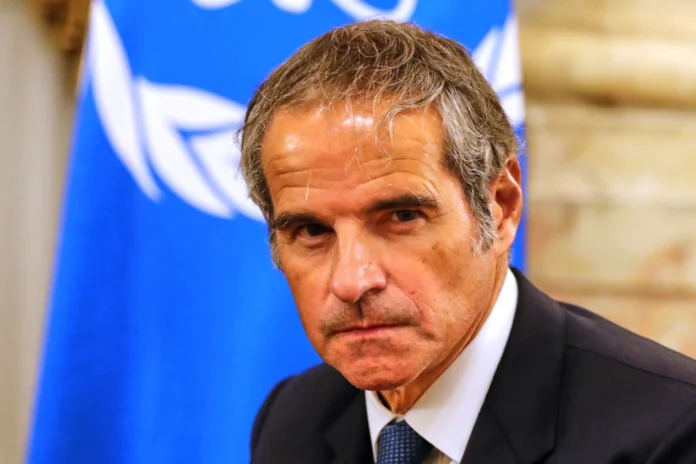
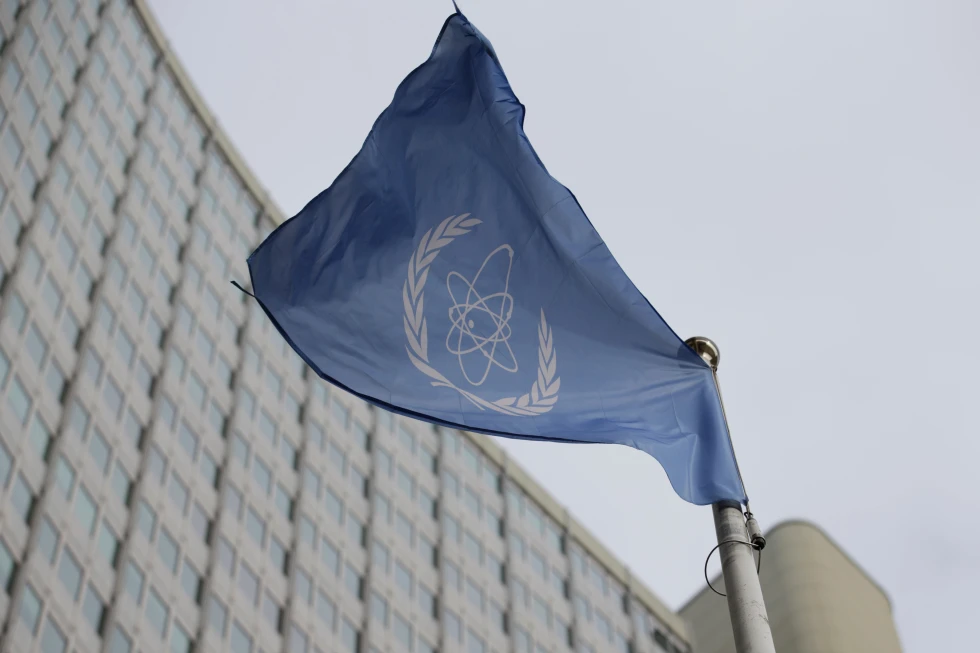
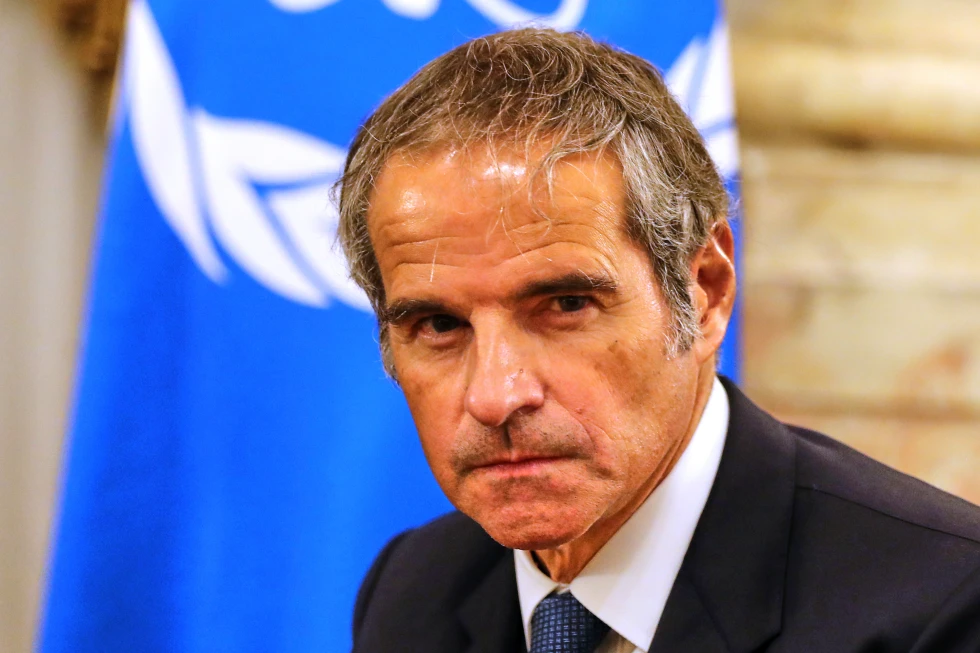
Iran has refused to grant United Nations inspectors access to its nuclear facilities following a series of airstrikes by Israel and the United States, leaving the international body unable to verify the status of the country’s uranium enrichment program, according to a confidential report obtained Friday by The Associated Press.
The report, circulated to member states by the International Atomic Energy Agency (IAEA), states that the agency “cannot verify whether Iran has suspended all enrichment-related activities” nor determine the “size of Iran’s uranium stockpile at the affected nuclear facilities.”
The lack of access follows a 12-day war in June during which American and Israeli forces bombed Iranian nuclear sites.
While Iran operates four declared enrichment facilities, the IAEA report warns that without on-the-ground verification, it “cannot provide any information on the current size, composition or whereabouts of the stockpile of enriched uranium in Iran.”
The watchdog emphasized that the “loss of continuity of knowledge” regarding Iran’s nuclear materials “needs to be addressed with the utmost urgency.”
Tehran has long maintained that its nuclear program is peaceful. However, the IAEA and Western nations have previously asserted that Iran had an organized nuclear weapons program that was active until 2003.
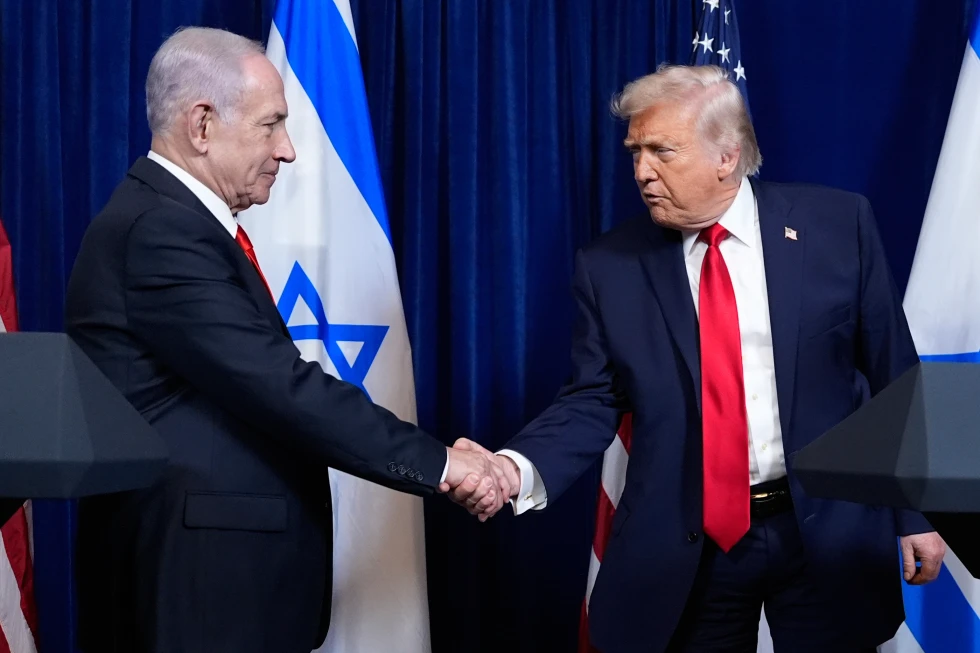
The United States is currently seeking a diplomatic deal to limit Iran’s nuclear activities and prevent the development of atomic weapons.













.jpeg)