Sponsored Ad

Ad 1
Ad 2
Ad 3
Ad 4
Ad 5
Ad 6
25.4 C
Kenya
Monday, May 11, 2026
Home Blog Page 446

High Court Upholds Fuel Levy Increase, Dismisses Bid to Force Refunds to Motorists

By Andrew Kariuki 

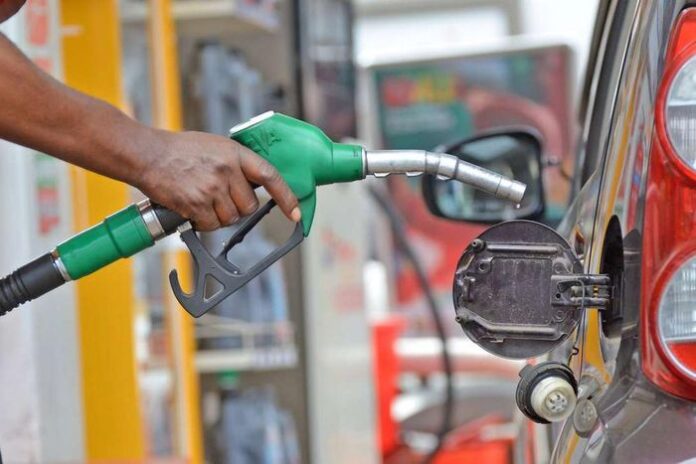
The High Court has dismissed a constitutional petition seeking to compel the government to refund motorists the road maintenance levy imposed on fuel, ruling that the State complied with constitutional requirements on public participation before implementing the increase in July 2024.

In its judgment, the court held that the process leading to the adjustment of the Road Maintenance Levy met the standards set out under the Constitution and declined to halt the levy or order refunds, warning that such relief would create a multibillion-shilling funding gap for road maintenance across the country.

The case was filed by Haki Yetu Organisation against the Cabinet Secretary for Roads and Transport, the Kenya Roads Board (KRB), the Energy and Petroleum Regulatory Authority (EPRA), and the Attorney-General.

The petitioner sought to invalidate the Road Maintenance Levy Fund (Imposition of Levy) Order, 2024, suspend its enforcement, and compel the State to refund motorists through a ksh7 per litre reduction in fuel prices for the period the levy was in force.

The contested order, published as Legal Notice No. 109 on July 10, 2024, increased the levy on petrol and diesel from Sh18 to Sh25 per litre.

Haki Yetu Organisation argued that the levy hike was implemented without adequate, effective, meaningful, and tangible public participation, describing the consultation process as cosmetic and a mere formality.

The group claimed the notice period was insufficient, consultation venues were limited and poorly distributed, and that a late-night social media post showing a public notice marked “cancelled” caused confusion and discouraged public engagement.

The petitioner further argued that members of the public were not sufficiently informed about the rate, justification, and impact of the increase, citing limited internet access and alleging that dissenting views were ignored.

It also referenced a public statement issued by the Cabinet Secretary on July 8, 2024, acknowledging cost-of-living pressures, arguing that the subsequent approval of the levy two days later amounted to a reversal of position.

In response, the Kenya Roads Board defended the levy, stating that it is a legally established fund that had last been reviewed in 2016 and that collections had become inadequate due to inflation, rising construction costs, depreciation of the shilling, increased fuel import prices, expansion of the road network, climate-related damage, and maintenance backlogs.
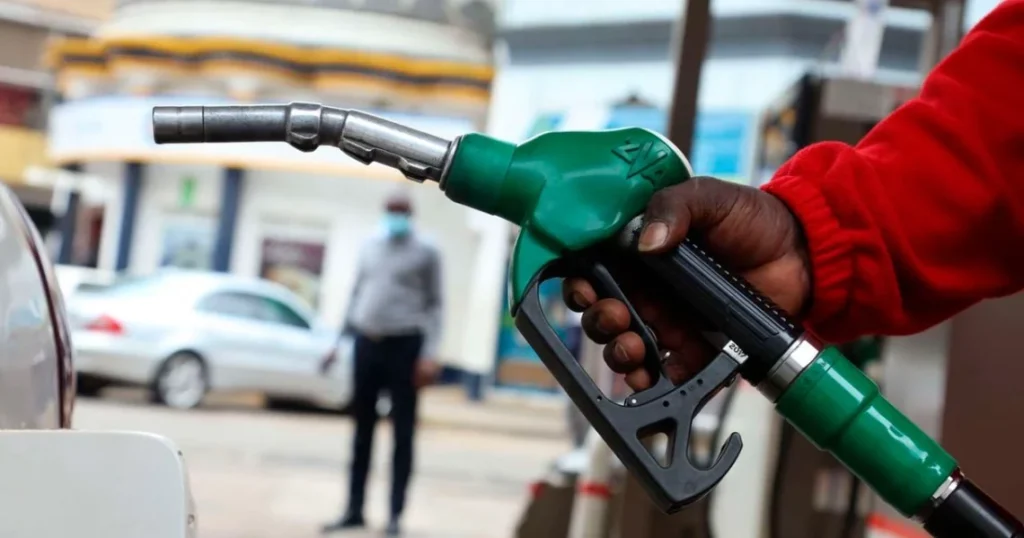
The Board told the court that a July 2024 study showed an annual road maintenance funding requirement of Ksh157 billion, against a deficit of Ksh63 billion, justifying the levy increase. It further disclosed that the study projected a levy of Ksh34 per litre to fully meet funding needs, but the government opted for a phased approach beginning with an increase to Ksh25 per litre.

The respondents maintained that due process was followed, including publication of a draft order, invitation of written memoranda, public forums held in 10 regions, a regulatory impact assessment, and submission of relevant documents to the National Assembly.

They argued that courts should not interfere with executive discretion on fiscal policy unless constitutional violations are clearly demonstrated.

In determining the matter, the court framed the central issue as whether the public participation process satisfied constitutional requirements under Article 10 of the Constitution.

While affirming that public participation is a cornerstone of democratic governance and must be substantive rather than illusory, the court emphasised that the standard applied is one of reasonableness, assessed within the context of each case.

The judge noted that public participation does not require oral hearings only and that written submissions are an acceptable method of engagement.

The court found that the public notice clearly communicated the proposed Ksh7 increase and provided avenues for both written and in-person participation.

Given that the matter involved a single-issue levy adjustment, the court ruled that the 10-day period allowed for memoranda and the 12-day notice before public forums were reasonable.

“The public participation programme rolled out by the Respondents was reasonable in the circumstances.

There was compliance with the requisite legal and procedural requirements for public participation,” the court held.

The judge also dismissed claims that venues were inaccessible or that the process excluded persons with disabilities, noting that the petitioner failed to provide affidavits or evidence from individuals who were allegedly unable to participate.

“The Petitioner was obligated to demonstrate by evidence who fell into deception and who failed to participate as alleged.

In any event, the fact that someone was not heard is not enough to annul the process,” the court ruled.

Allegations that opposing views were ignored were similarly rejected as generalised and unsupported.

Citing the Evidence Act, the court reiterated that the burden of proof rests with the party making allegations.

“I find and hold that the Petitioner has failed to discharge the burden of proof,” the judge concluded, dismissing the petition in its entirety.
Petition Filed Challenging Use of State House, State Lodges for Partisan Political Activities

By Andrew Kariuki 

A constitutional petition has been filed at the High Court seeking a declaration that the use of State House and State Lodges for partisan political activities violates the Constitution.

The petition, lodged at the Constitutional and Human Rights Division of the High Court in Nairobi by lawyer Lempaa Suyianka, alleges that public resources have been improperly used to advance the interests of the ruling United Democratic Alliance (UDA) party.

Named as respondents in the case are the Attorney General, the Comptroller of State House, the United Democratic Alliance (UDA), and President William Ruto, who has been sued in his official capacity.

The petitioner is asking the court to compel UDA to refund the State for all costs incurred during political activities allegedly held at State House and State Lodges.

He is also seeking a permanent injunction barring all political parties from holding meetings, forums, or other partisan engagements at State House facilities.

According to court documents, the petition argues that State House and State Lodges are national institutions reserved exclusively for official State functions and are funded by public resources approved by Parliament.

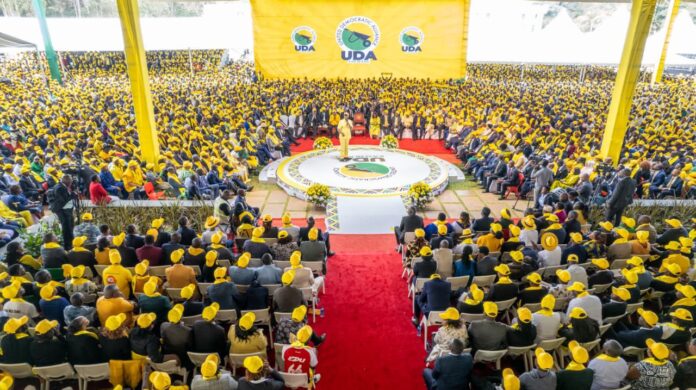
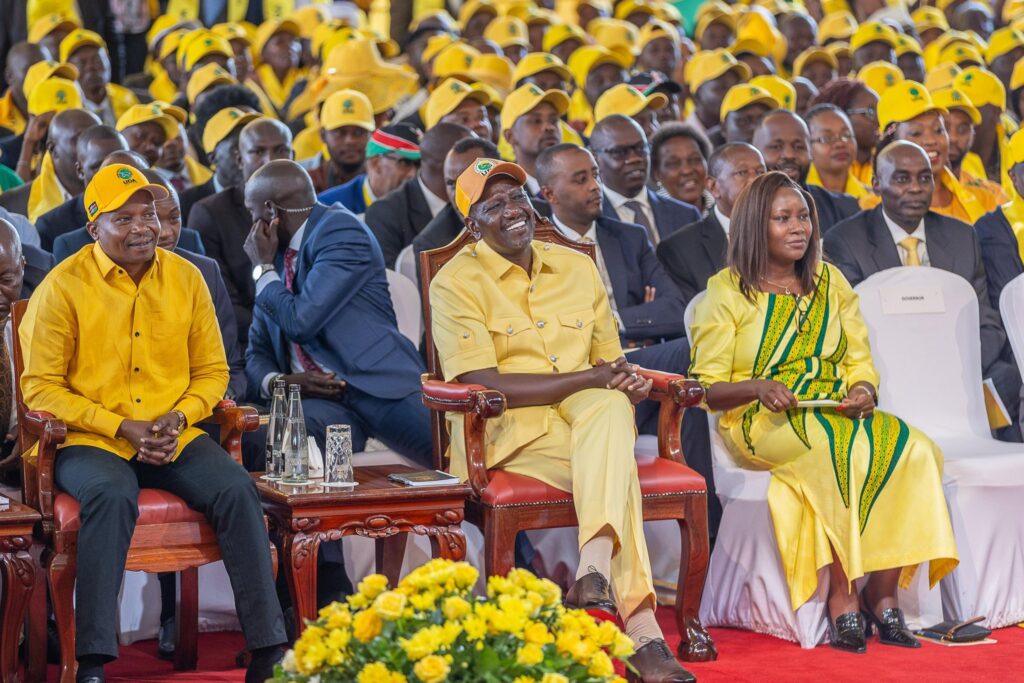
The petition lists several political gatherings allegedly held at State House between April 2025 and February 2026, including meetings with regional political leaders, party consultations, and a UDA aspirants’ forum said to have attracted thousands of party members and officials.

The petitioner contends that the meetings were not official State functions but political party activities involving party officials, aspirants, and elected leaders acting in their political capacities.

He argues that State House facilities and resources; including security, staff, logistics, catering, and communication infrastructure, were deployed during the events, yet no public disclosure has been made regarding the costs incurred or whether the ruling party reimbursed the State.

The petition further accuses the Controller of State House of failing to account for the use of public resources during the alleged political activities, contrary to constitutional requirements on accountability and transparency.

The lawyer maintains that permitting a political party to use State House confers an unfair advantage over other parties, undermines multiparty democracy, and blurs the constitutional separation between the State and political organisations.

He cites alleged violations of multiple constitutional provisions, including Articles 10, 73, 75, 129, 131, 201, and 226, as well as sections of the Political Parties Act that prohibit the use of public resources to promote political party interests.

Among the reliefs sought, the petitioner wants the court to declare the use of State House for partisan political activities unconstitutional and to order the Controller of State House to disclose the full costs incurred during the disputed events.

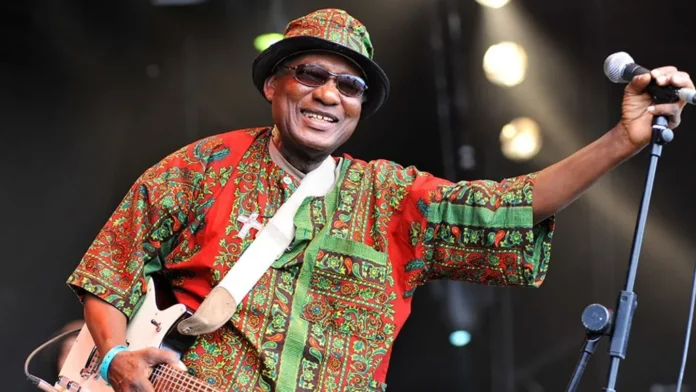
‘Colossus’ of Ghanaian highlife music Ebo Taylor dies at 90

Ebo Taylor, the Ghanaian guitarist, composer and band leader whose work helped define the highlife genre and influenced generations of African musicians, has died at the age of 90, his family has announced.

Born Deroy Taylor in the city of Cape Coast in 1936, he rose to prominence during the late 1950s and early 1960s as highlife became Ghana’s dominant musical form.

Over a six-decade career, he fused Ghanaian rhythms with jazz, funk, soul and early Afrobeat and went on to inspire musicians beyond the continent.

Presidential spokesperson Felix Kwakye Ofosu said the government and people of Ghana were “deeply saddened” by the loss of this “colossus” of the country’s music.

In his early years as a performer, Taylor played with the era’s leading bands, including the Stargazers and the Broadway Dance Band, and gained a reputation for a distinctive guitar style and detailed arrangements.

In the last 25 years of his life, his music was rediscovered by a global audience with the release of tracks like Love & Death – his reflection on relationships and mortality – driving a fresh host of fans.

A formative period in Taylor’s musical development came in the early 1960s when he travelled to London to study music.

There, he worked alongside other African musicians, including Nigerian artist Fela Kuti.

Their collaboration is now viewed as part of a wider exchange of ideas that helped shape Afrobeat, the genre Fela would later bring to international attention, with highlife playing a significant role in its musical foundations.

On his return to Ghana, Taylor became a sought-after band leader, arranger and producer, working with some of the country’s most respected artists, including Pat Thomas and CK Mann.

Reflecting on his own influences, he told the BBC in 2014 that “with the advent of James Brown and funk music there was the opportunity to develop highlife music. Fela did a lot of work introducing the funk into the Yoruba music while comparatively I did almost the same thing in Ghana.”

Towards the end of the last century and the beginning of this, Taylor spent more time teaching music at the University of Ghana and working on other people’s output, the New York Times reported.

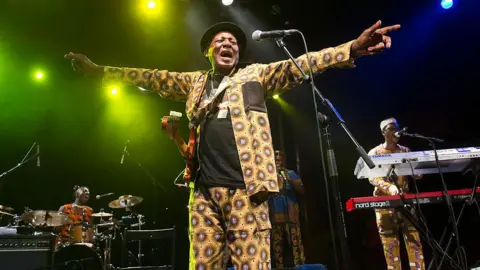
Getty Images Ebo Taylor in a yellow African-print suit on stage. He is singing and has his arms stretched out either side of him.
His new-found popularity in his 70s meant that he started gigging in the US and Europe, including in Barcelona in 2016

But he then returned to the studio and his new recordings began to attract attention well into later life, with albums such as Love & Death, Appia Kwa Bridge and Yen Ara reinforcing his standing as one of Ghana’s most important musical figures.

Taylor’s influence extended far beyond highlife.

In recent decades, his work has been taken up by international audiences through sampling, with elements of his recordings appearing in songs by artists across hip-hop and R&B.

Tracks including Heaven, Odofo Nyi Akyiri Biara and Love & Death have been sampled by performers including Usher, the Black Eyed Peas, Kelly Rowland, Jidenna, Vic Mensa and Rapsody, introducing his music to new listeners worldwide.

Talking about achieving wider recognition in his 70s he said: “I think I’ve had my day, though it came much later.”

In his tribute, top Ghanaian music producer Panji Anoff remembered how everybody used to call him “Uncle Ebo” but he treated everyone as an equal.

“He would sit with us, eat with us, drink and chill with us, some nearly 50 years his junior, as though we were all peers. He could relate with everybody, and if anybody ever needed a melody, Uncle Ebo would just plug in a guitar and show them the way,” Anoff told the BBC.

“We lost a legend whose contribution to music has created worldwide ripples. I take solace in the fact that I witnessed greatness in Uncle Ebo Taylor’s art form. Rest In Power!” singer and rapper Black Sherif said.

Reflecting on Taylor’s influence Shatta Wale said that “his sound, vision and cultural impact opened doors for countless artists across Africa and beyond”.

“He will be remembered as one of our greatest musicians ever… as a man who strove to put Ghanaian music on the global map at a time when other genres of music were prominent,” presidential spokesperson Ofosu told the BBC’s Newsday programme.

Across Ghana and the wider African diaspora, Taylor is recognised as a foundational figure whose work helped bridge traditional and modern sounds.

By grounding innovation in cultural continuity, he left behind a body of music that continues to inform contemporary styles, including afrobeats, and remains central to the story of African popular music.

Eritrea accuses Ethiopia of fabricating report its troops had crossed the border

Eritrea has hit back at its neighbour Ethiopia describing accusations that its troops were on Ethiopian territory as “false”.

On Saturday, a letter sent from Ethiopia’s foreign minister to his Eritrean counterpart demanded that the soldiers withdraw.

It also accused Eritrea of “outright aggression” saying it was conducting joint manoeuvres with Ethiopian rebels in the north and supplying them with weapons. In its response Eritrea said this was part of a “spiral of hostile campaigns against Eritrea for more than two years”.

There has long been a history of tension between Ethiopia and Eritrea, which split off from its larger neighbour three decades ago, and there are fears of a renewed conflict.

The countries fought a border war between 1998-2000 in which more than 100,000 people died. A peace deal was never fully implemented and relations only eased after Ethiopia’s Prime Minister Abiy Ahmed, who later won the Nobel Peace Prize for his efforts, travelled to the Eritrean capital, Asmara, in 2018.

The two had been allies in Ethiopia’s recent civil war when Eritrea supported its army against Tigrayan forces, but things have once again soured.

“Developments over the last few days indicate that the Government of Eritrea has chosen the path of further escalation,” Ethiopia Foreign Minister Gedion Timothewos’s letter alleged.

“The incursion of Eritrean troops further into Ethiopian territory in our north-eastern borders and the joint military manoeuvres being carried out by Eritrean forces with rebel groups in our north-western borders are not just provocations but acts of outright aggression.”

One of the points of tension is the call from landlocked Ethiopia for access to the sea, which Abiy has described as an existential matter. He said that losing a port as a result of Eritrean independence was a “mistake”.

In his letter, the foreign minister said that if Eritrea’s soldiers withdraw then the two countries could start talks including over “the issue of access to the sea through the port of Assab”.

In its response, Eritrea’s information ministry said the “patently false and fabricated accusations… [were] astounding in its tone and substance, underlying motivation, and overarching objective.

“As underlined before, the Government of Eritrea has no appetite for, or desire to, engage in meaningless acrimony to add fuel and exacerbate the situation.”

Last week, in a further sign of deteriorating relations, Abiy said for the first time that during to the 2020-2022 civil war in Tigray Eritrean troops had massacred people in the Ethiopian city Aksum. These were allegations Eritrea had previously denied following reports of mass killings that took place in the historic city in November 2020.

In shifting alliances, Ethiopia now says that Eritrea is supporting rebels in Tigray who oppose the peace deal that ended the civil war.

Last month, Ethiopian police said they seized thousands of rounds of ammunition sent by Eritrea to rebels.

Eritrea denied the allegation and accused Ethiopia of “floating false flags to justify the war that it has been itching to unleash for two long years”.

Senegal arrests 14 members of alleged paedophile gang linked to France

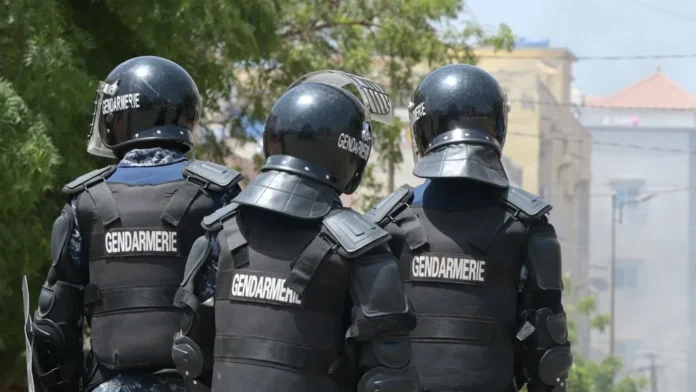
Senegalese police say they have arrested 14 people and broken up a paedophile gang operating between the country and France.

Those arrested, who are all Senegalese, were part of a “transnational” criminal group that has been in operation since 2017, according to a police statement.

It said the group was accused of “organised paedophilia, pimping, rape of minors under 15, sodomy, and intentional transmission of HIV/Aids”. They allegedly repeatedly forced boys to have “unprotected sex” with men who were mostly HIV-positive and filmed it.

Four of the accused are said to have been acting “on the instructions” of a Frenchman arrested in France in April 2025 “in exchange for money transfers”.

The 14 accused were brought before a judge on Friday following searches in several neighbourhoods in Dakar, and the city of Kaolack, 200km (124 miles) south-east of the capital.

A police statement released on Sunday said coordinated raids had been carried out at the homes of the various suspects, with items believed to be linked to the alleged crimes seized.

“The DIC [Criminal Investigations Division] carried out a major operation, dismantling a transnational organised criminal group whose members are based primarily between France and Senegal,” the police said.

The statement said the operation was conducted through cooperation between Senegal and France, with a delegation of French officers involved in the mission.

The police have pledged to continue pursuing and dismantling such criminal networks and have released a toll-free number for the public to report any relevant information.

Migrant boat capsizes off Libya leaving 53 dead

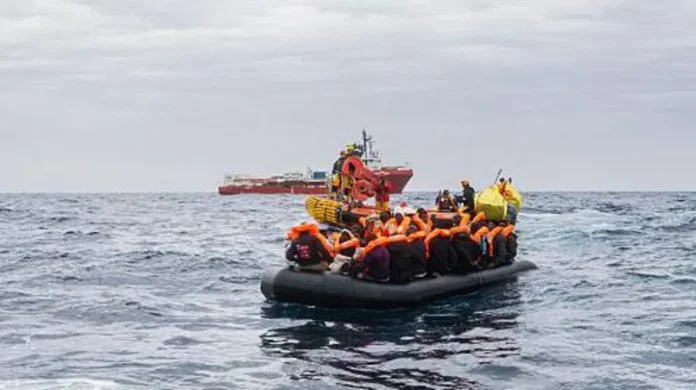
A rubber boat carrying 55 passengers, including two babies, has overturned off the coast of Libya, the UN migration agency says.

The only survivors, two Nigerian women, were rescued by the Libyan authorities on Friday, the International Organisation for Migration (IOM) announced on Monday. The boat was carrying migrants and refugees from various African countries, it said.

The boat sank after taking on water approximately six hours after departing from the coastal city of al-Zawiya in north-western Libya.

The IOM says that almost 500 migrants have been reported dead or missing trying the cross the Mediterranean Sea from Libya so far in 2026.

Libya has become a staging point for migrants from sub-Saharan Africa seeking to reach Europe since long-time leader Muammar Gaddafi was killed in 2011.

Survivors told IOM that the rubber dinghy had departed at around 23:00 local time from al-Zawiya, west of Tripoli. It overturned several hours later in the early hours of Friday north of Zuwara.

It is not immediately clear why it has taken so long for the news to emerge.

One of the two survivors said she had lost her husband, while the other reported that her two babies had died, the agency said. IOM teams provided both women with emergency medical care.

IOM says at least 375 migrants were reported dead or missing in January alone after a series of “invisible” shipwrecks in the central Mediterranean during periods of extreme winter weather. The true toll is feared to be higher.

Despite the repeated tragedies, migrants continue to attempt the crossing.

Conditions for migrants inside Libya are widely documented as dire. UN human rights officials have warned of torture, trafficking, forced labour, extortion and other abuses committed by both state and non-state actors, including militia groups.

IOM says traffickers and smuggling networks profit by forcing people onto overcrowded and unseaworthy vessels, contributing to the mounting death toll.

The agency has urged stronger international cooperation to dismantle smuggling and trafficking networks, alongside the creation of safe and legal migration pathways to reduce deaths at sea.

Many vessels that sink are never reported by the people smugglers who operate them. Those who die simply vanish, their families left without ever knowing what happened to them.

Several countries, including the UK, Spain, Norway and Sierra Leone, have called on Libya to shut down detention centres where rights groups say migrants have been tortured, abused or killed.

I’d resign if I wasn’t still right for job – Howe

Head coach Eddie Howe says he would step aside if he did not think he was still the right man to lead Newcastle United.

Newcastle were booed off by their supporters following a damaging 3-2 defeat against Brentford at St James’ Park on Saturday.

Howe was crestfallen afterwards and said he was “not doing my job well enough at the moment” after his side slipped to 12th place in the Premier League table.

However two days later, Howe – who ended the club’s seven-decade wait for a major domestic trophy 11 months ago – said there was “no doubt in my mind” he was the right man for the job.

“That’s why I’m sitting here,” he said on the eve of Tuesday’s game at Tottenham Hotspur.

“If there was doubt, I wouldn’t be – because the club is the most important thing. I’ve never put myself before the club.

“If I didn’t think I was the correct man to take the team forward, and I couldn’t give the players what they need, then I would step aside and let someone else do it.”

Newcastle have won only one of their last eight games in all competitions, but Howe retains the backing of the club’s hierarchy.

He has had a transformational impact since his appointment in 2021, beating Liverpool in the Carabao Cup final last year and taking Newcastle into the Champions League twice.

Newcastle will be favourites to progress to the last 16 of the Champions League against Azerbaijan side Qarabag and have a FA Cup fourth-round tie against Aston Villa on Saturday.

The Newcastle head coach acknowledged he was going through one of the toughest periods of his reign but is drawing on the experiences of previous difficult periods to turn things round.

“Those experiences I have been through countless times before stand me in good stead for this moment,” he added.

“The collective spirit is what we’re after. We’re after the collective fight from all the players and if you have that resolve within the group, you can do amazing things again, so it can turn very quickly.

“The momentum is against us at the moment. We have to swing it back and then the world can look a very different place within a couple of games.”

Olympic bosses investigate why medals are breaking

Milan-Cortina 2026 organisers say they are giving “maximum attention” to why Olympic medals are breaking after several athletes experienced issues with theirs.

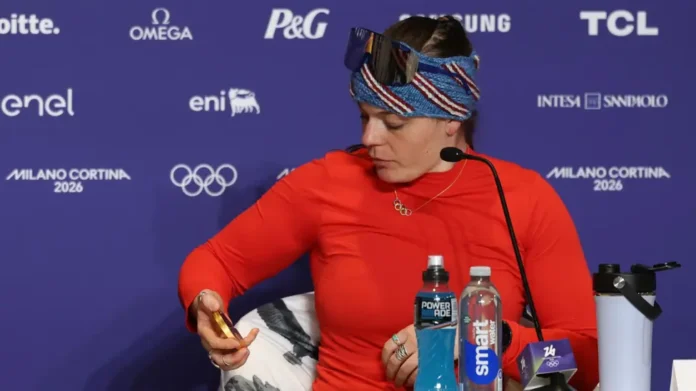
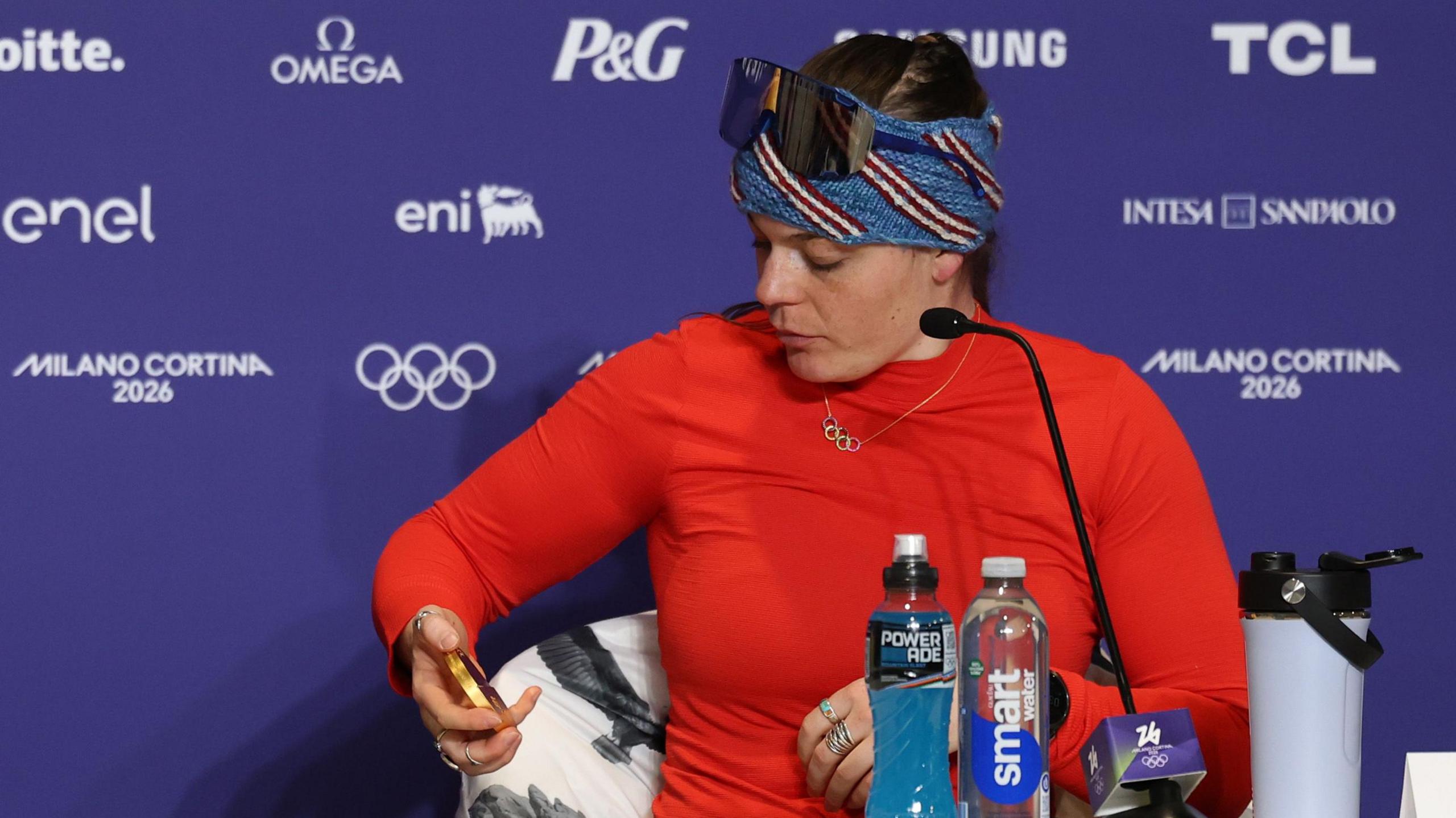
Two of the USA’s gold medallists, Breezy Johnson and Alysa Liu, revealed the ribbon had come away from the medal soon after they received their prize.

Johnson, who won gold in the women’s downhill alpine skiing, showed her broken medal at the post-event media conference.

“So there’s the medal. And there’s the ribbon,” she told reporters. “And here’s the little piece that is supposed to go into the ribbon to hold the medal, and yeah, it came apart.”

Liu disclosed a similar issue in a video on social media, external after she won gold as part of the United States squad in the figure skating team event.

The video shows Liu holding up the medal and ribbon in separate hands, with the text: “My medal don’t need the ribbon.”

Breezy Johnson
Image caption,Breezy Johnson revealed her broken gold medal after winning the women’s downhill

The issue also befell the German team who won bronze in the biathlon. An Instagram video, external shows the medal falling from the ribbon of one of the athletes as they jumped up and down in celebration at the team hotel.

Andrea Francisi, Milan-Cortina 2026 chief games operations officer, said the organisers are investigating the issue.

“We are fully aware of the situation,” Francisi said. “We are looking into exactly what the problem is.

“We are going to pay maximum attention to the medals, and obviously this is something we want to be perfect when the medal is handed over because this is one of the most important moments for the athletes.”

A United States Olympic and Paralympic Committee spokesperson told BBC Sport they are waiting for organisers to resolve the issue.

It has not yet been confirmed whether athletes will receive replacement medals.

This is not the first time the quality of medals awarded at Olympic Games has been called into question.

As of February 2025, a total of 220 requests have been made to replace medals won at the Paris 2024 Olympic Games because of wear and tear – roughly 4% of those awarded.

Diver Yasmin Harper, who won Team GB’s first medal of the 2024 Games, was among the athletes to notice her medal was showing signs of “tarnishing”.

Paris 2024 organisers said any damaged medals would be replaced.

Ukraine skeleton racer pays tribute to war victims on helmet

Ukrainian skeleton racer Vladyslav Heraskevych wore a helmet with images of people killed in the war in his home country during a Winter Olympics training session in Cortina.

Heraskevych had promised before the Games to use the event as a platform to keep attention on the conflict.

“Some of them were my friends,” said Heraskevych, who was Ukraine’s flagbearer in the opening ceremony.

He told Reuters that many of those pictured on his helmet were athletes including teenage weightlifter Alina Peregudova, boxer Pavlo Ishchenko and ice hockey player Oleksiy Loginov.

The 26-year-old said the International Olympic Committee (IOC) had contacted Ukraine’s Olympic Committee over the helmet.

“It’s still being processed,” said Heraskevych – Ukraine’s first skeleton athlete.

He held up a ‘No War in Ukraine’ sign at the 2022 Beijing Olympics, days before Russia’s 2022 invasion of the country.

Rule 50.2 of the Olympic Charter states: “No kind of demonstration or political, religious or racial propaganda is permitted in any Olympic sites, venues or other areas.”

Heraskevych had said he intended to respect Olympic rules which prohibit political demonstrations at venues while still raising awareness about the war in Ukraine at the Games.

Following Russia’s full-scale invasion of Ukraine in 2022 athletes from Russia and Belarus were largely banned from international sport, but there has since been a gradual return to competition.

The IOC cleared 13 athletes from Russia, external to compete as Individual Neutral Athletes (AINs) in Milan-Cortina.

BBC Sport has approached the IOC for comment.

eCitizen collects up to Ksh1 billion a day, says gov’t spokesperson Isaac Mwaura

The government has announced that Kenya now collects up to Ksh1 billion daily through the eCitizen digital platform, subsequently attaining the Ruto regime’s preset daily revenue target.

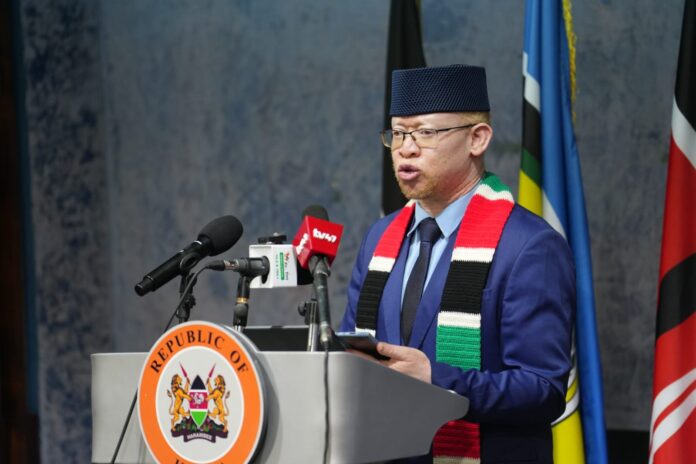
In a press briefing at KICC on Monday, February 9, 2026, the Government Spokesperson, Isaac Mwaura, revealed the figure while explaining the benefits of the country’s digitisation of services. 

“For the record, because of the digital superpower and creative economy pillar, we are now getting more money through eCitizen,” began Mwaura, before adding that “at times, we are even able to make a billion shillings a day.”

Justifying the large sum, Mwaura explained that integrating more than 23,000 government services onto the eCitizen platform had significantly reduced revenue leakage, improved transparency, and streamlined payment collection.

According to Mwaura, funds previously lost to manual transactions, middlemen, and systemic corruption were now centrally managed, enabling the state to optimise revenue generation.

In addition, Mwaura claimed that the digitisation of revenue collection was among the government’s efforts to tackle graft in public institutions. 

He went on to confirm that CEOs and chairpersons of government institutions implicated in corruption allegations had been relieved of their duties pending investigations.

Since its expansion in 2023, the eCitizen platform has evolved into a one-stop portal for accessing essential government services, including passport applications, business permits, land searches, and tax payments.

The platform’s growth has positioned Kenya as a regional model for digital governance, with other African nations benchmarking its approach to service automation and accountability.

In the 2023/2024 financial year, revenue collections increased by Ksh100.8 billion to a total of Ksh400 billion, as more government services joined the platform. 

The onboarding of 18,000 services in 2024 made Kenya the first country to have so many government services online. 

As one of the best revenue collectors in Kenya, eCitizen is today part of any Kenyan’s interaction with government services. 

Create a free account, or log in.

Gain access to read this content, plus limited free content.

Yes! I would like to receive new content and updates.

Sponsored Ad

Ad 1
Ad 2
Ad 3
Ad 4
Ad 5
Ad 6