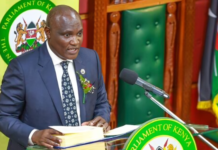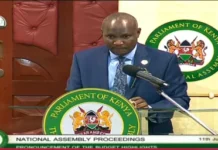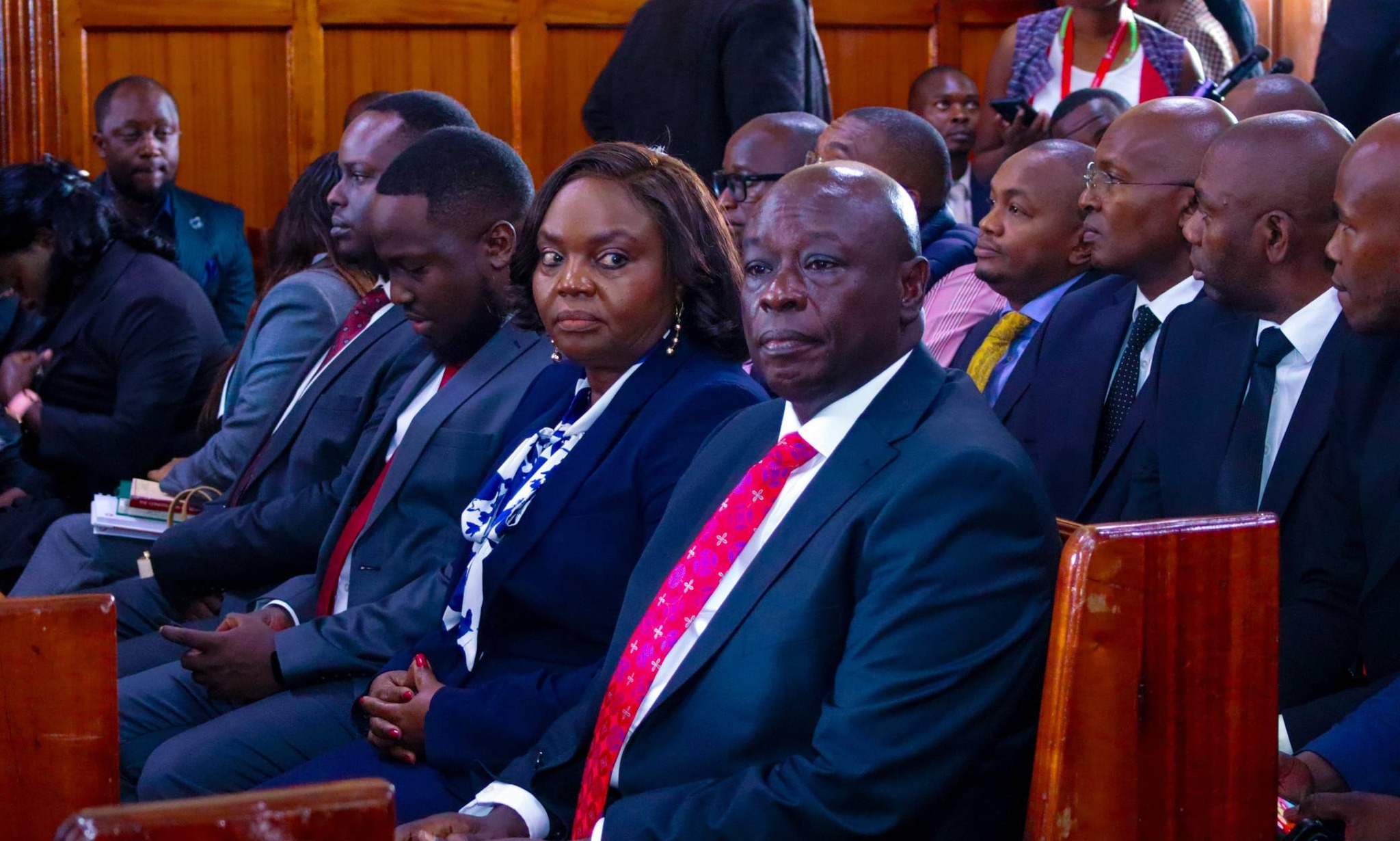
Former Deputy President Rigathi Gachagua has withdrawn his request to be reinstated to office, shifting focus in his court petition toward compensation and legal declarations surrounding his impeachment.
The revised petition now seeks payment of salaries, benefits, and other entitlements he would have earned had he remained in office, alongside a declaration that the impeachment process violated constitutional and legal provisions.
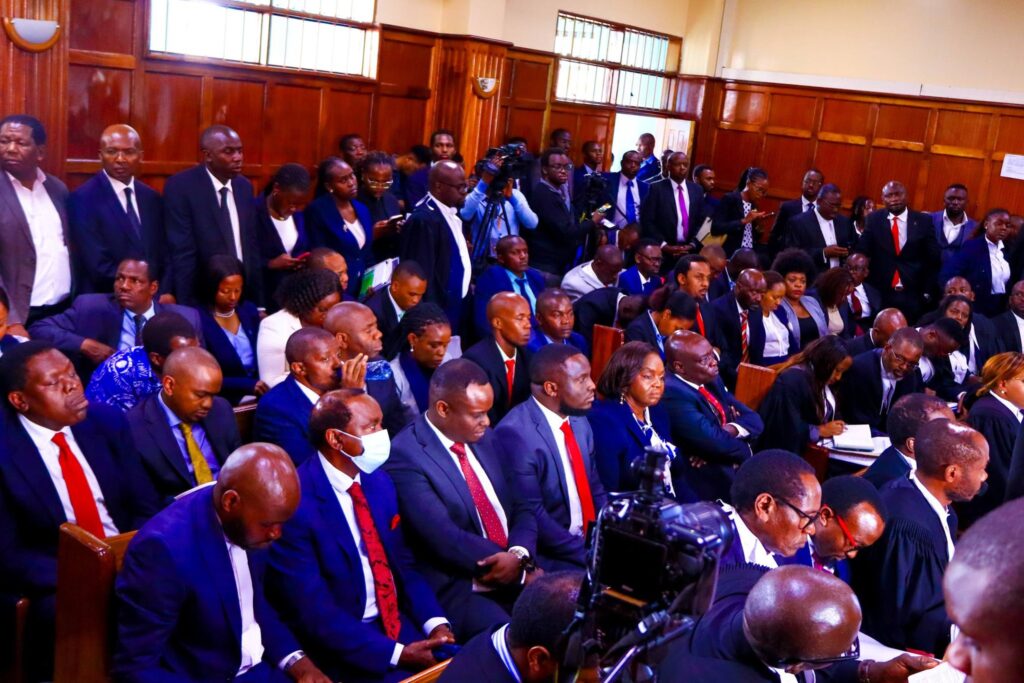
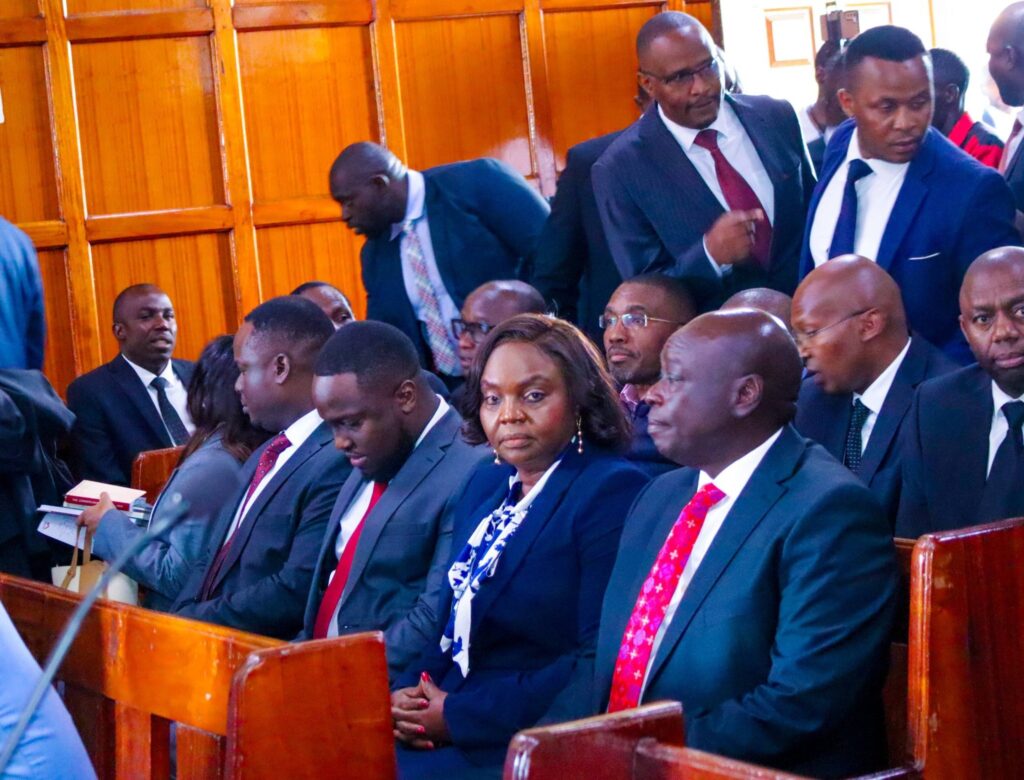
Appearing before the Milimani Law Courts on Monday, April 27, Gachagua’s lawyer, Senior Counsel Paul Muite, confirmed the development, outlining the changes to the case and the direction the legal team is pursuing.
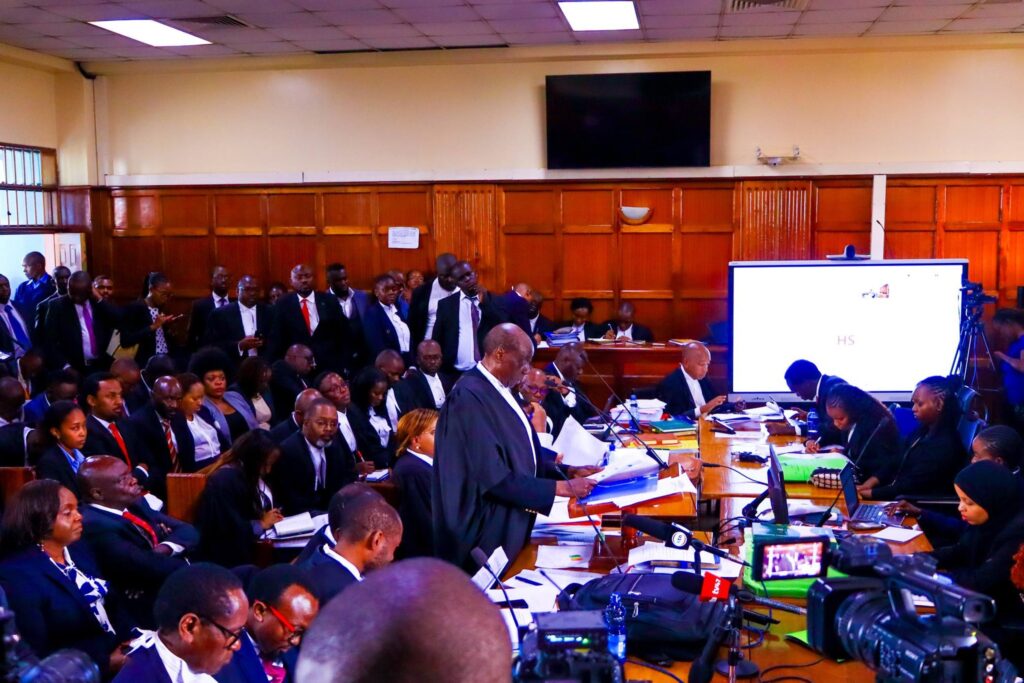
“The petitioner has abandoned the prayer for reinstatement as Deputy President. The core of those prayers can be summarised as the quashing of the impeachment and payment of the remuneration and benefits he would have otherwise earned as provided by law,” he said.
Muite argued that the constitutional provisions governing the removal of a Deputy President were not properly applied, particularly in relation to the period Gachagua served in office.
He added that impeachment proceedings cannot be applied retrospectively and that constitutional provisions for the removal of office holders must be interpreted strictly.
“For the 2.5 years that Gachagua served as the second Deputy President, it is our submission that Article 151 of the Constitution fully applies. Impeachment cannot and should not be applied retrospectively,” he added.
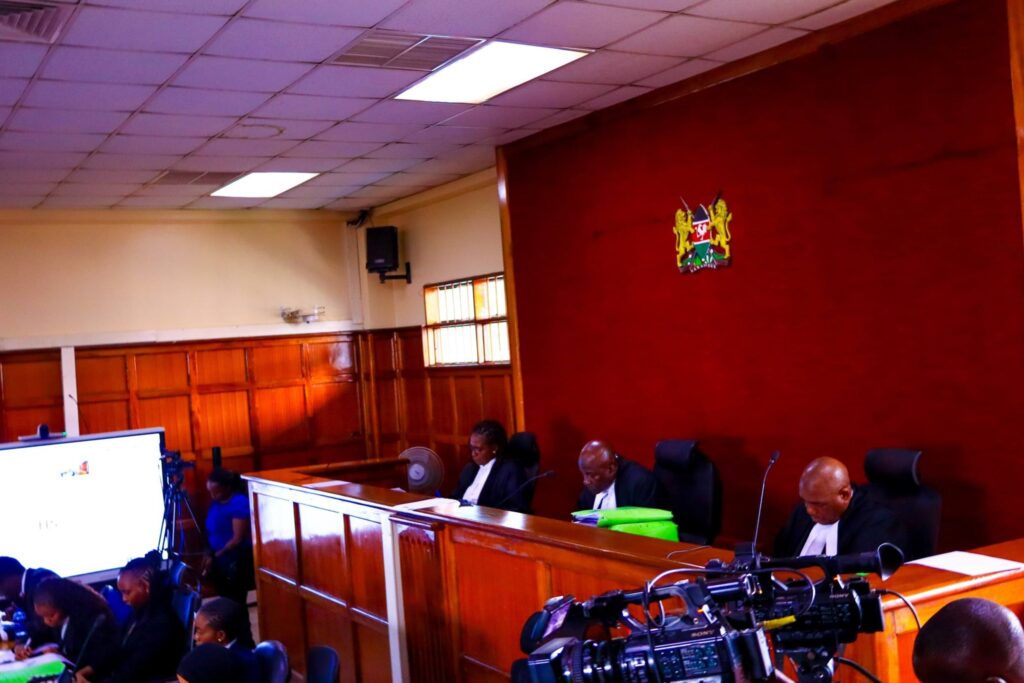
The matter is before a three judge bench comprising Justices Eric Ogolla, Anthony Mrima and Freda Mugambi.
Gachagua is now pursuing damages for lost earnings benefits and other losses suffered as a result of what he terms his unlawful removal from office. He also wants the court to declare that the impeachment proceedings violated the Constitution.
His lawyers argued that the process was procedurally flawed and failed to meet the required constitutional thresholds.
They particularly highlighted shortcomings in public participation which they described as superficial and not allowing citizens to make informed contributions.
According to the submissions, mere allegations were presented to the public without full disclosure of the underlying facts.
The legal team further contended that Gachagua right to a fair hearing was violated.
On the critical day when he was supposed to defend himself before the Senate, he fell ill yet the Senate proceeded and approved five out of the eleven charges against him without due consideration.
Counsel argued that the allegations leveled against Gachagua were vague, unsupported and did not satisfy the constitutional requirement for impeachment which demands that claims must be serious substantial and weighty.
The case continues with the court expected to deliberate on the multiple constitutional and procedural issues raised in the amended petition.
Gachagua was on Tuesday, October 8, 2024, impeached by the National Assembly on grounds of money laundering and gross misconduct among other allegations.
The mover of the motion, Kibwezi West MP Mutuse Mwengi listed 11 grounds against Gachagua, including allegations of illegal acquisition of wealth valued at Ksh 5.2 billion over the last two years.
The motion was supported by 281 members, and opposed by 44, with 1 member absent. Having garnered the required 233 votes, the motion now sails to the Senate.
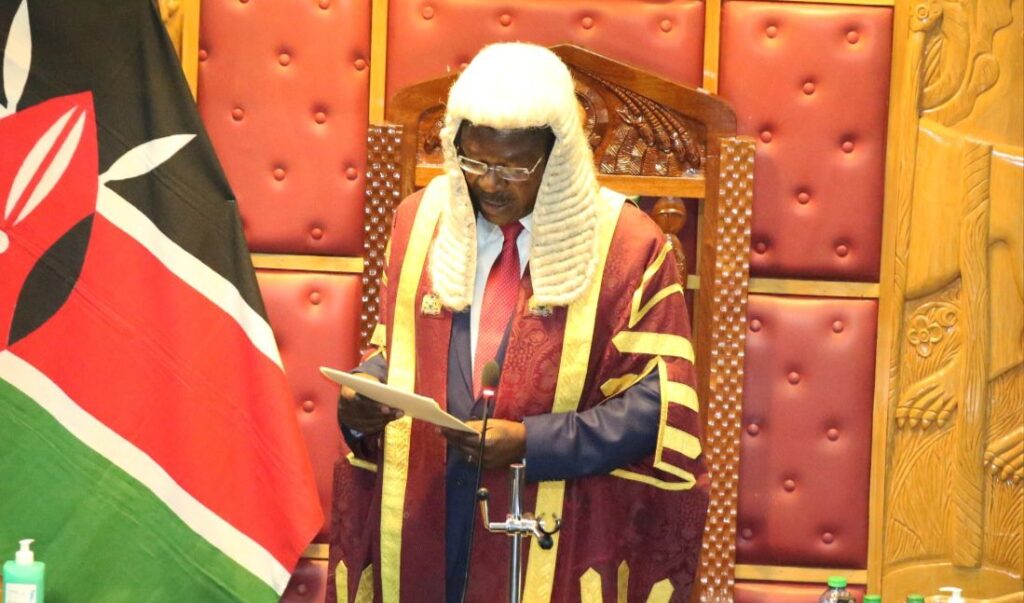
“According to the results of the division on the motion that I’ve just declared, a total of 281 being more than two-thirds of the members of the National Assembly have voted in support of the motion. Article 145 (2a) of the Constitution provides that ” if a motion under clause 1 is supported by at least two-thirds of the members of the National Assembly, the Speaker shall inform the Speaker of the Senate of the resolution within two days,” National Assembly Speaker Moses Wetang’ula announced.
Wetang’ula added,” In this regard, I’ll proceed to discharge the similar duty placed on me by article 145 (2b) of the Constitution under which to notify the Speaker of the Senate of the resolution of the National Assembly.”
The impeachment session commenced days earlier with the motion mover, Mwengi, delivering an opening statement that laid out the foundation for the impeachment proceedings.
Following Mutuse’s submission, MPs were given the floor to discuss the matter, with many expressing strong opinions.
A significant majority voiced their support for the impeachment, citing concerns about accountability and governance.
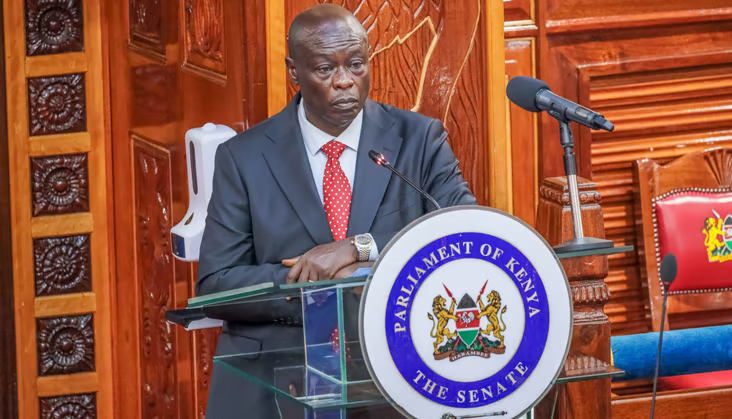
Gachagua was accorded an opportunity to defend himself against the allegations. He spoke for approximately two hours, where he denied any allegations of wrongdoing.
His defense included a categorical denial of any wrongdoing, highlighting various initiatives and policies he has championed during his tenure, and urging MPs to consider his contributions rather than focus solely on allegations.